Listing tokens on a CEX is one of the most consequential decisions a crypto project will make - not just a milestone, but a direct catalyst for liquidity, credibility, and sustained growth. Done right, a single exchange listing can transform a niche project into a recognized asset with real trading volume and a widening investor base. Done wrong, it burns budget, damages reputation, and closes doors at higher-tier exchanges permanently.
This guide covers everything: what the process actually involves, how exchange tiers work, what reviewers look for, how to execute the application, and - critically - what mistakes to avoid before you submit anything.
⚡ Key Takeaways
- CEX listings increase a token's liquidity, discoverability, and access to institutional and retail investors
- Exchange tiers (Tier 1, 2, and 3) determine listing requirements, due diligence intensity, costs, and timelines
- A completed smart contract audit and verified legal compliance are hard prerequisites - not optional steps
- Strategic exchange outreach should begin 2-3 months before the target TGE date to allow proper coordination
What Does It Mean to List a Token on a CEX?
A centralized exchange - or CEX - is a custodial trading platform that operates an order book, matching buyers and sellers in real time. Binance, OKX, KuCoin, Bybit, and MEXC are among the most recognizable examples. When listing a token on a CEX, the exchange adds it to its active trading pairs, making it available for users to buy, sell, and trade against other cryptocurrencies or fiat currencies directly on the platform.
The important distinction: listing isn't automatic. Every exchange runs a formal due diligence process before approving an application, and that process examines the project's technology, tokenomics, team credentials, community engagement, and market demand. Some exchanges also require additional documentation, compliance verification, and a listing fee before the review even begins. Here's the typical flow:
- Application Submitted - team submits documentation and listing fee
- Exchange Due Diligence - the exchange audits fundamentals, security, and compliance
- Approval Decision - accepted, rejected, or returned for revisions
- Trading Pair Activated - token goes live on the platform's market
Understanding that framework upfront shapes every decision that follows.
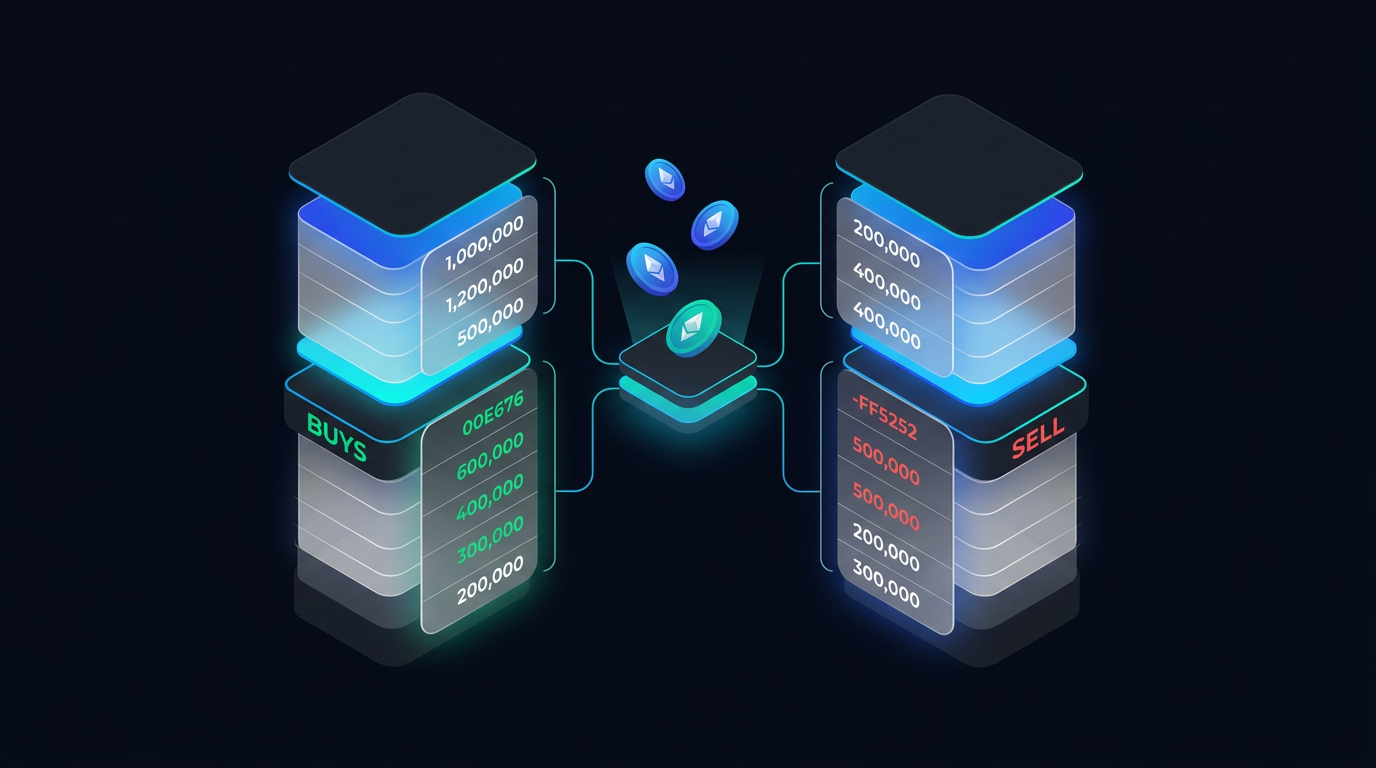
Key Benefits of Listing Your Token on a Centralized Exchange
The upside of a CEX listing is concrete, not theoretical - but the magnitude of those benefits scales directly with which exchange tier a project targets.
- Increased Liquidity - CEX order books aggregate buyers and sellers at scale, making the token far easier to trade than on a DEX pool alone. Liquidity depth translates directly to price stability and reduced slippage.
- Greater Market Visibility - A listed token appears in exchange search results, trending lists, and price trackers like CoinMarketCap and CoinGecko. Organic discoverability from traders who've never heard of the project becomes possible.
- Access to New Investor Segments - Different exchanges serve different geographies and demographics. A listing on a Korean-focused exchange, for example, opens a retail investor base that a Telegram-only community would never reach.
- Regulatory Credibility Signal - Exchange vetting sends a public signal that the project passed compliance checks. For institutional-adjacent investors, that signal carries real weight.
- Promotional Infrastructure - Most CEXs offer launchpool events, trading competitions, AMAs, and social campaigns as part of the listing package. These can generate thousands of new community members within days of going live.
- Price Discovery and Sentiment - CEX order books create transparent, verifiable price action that can drive positive momentum - especially during a project's early public trading phase.
The scale of these benefits, though, depends heavily on which tier of exchange the project targets. That hierarchy deserves a closer look.
The Exchange Tier System: How to Choose the Right CEX
Not every exchange is equivalent, and treating all listings as interchangeable is one of the most expensive mistakes a project can make. The industry broadly categorizes centralized exchanges into three tiers based on liquidity depth, user base size, due diligence rigor, and global recognition. The goal isn't to target the highest tier available - it's to target the highest tier the project is actually ready for.
Tier 1 vs. Tier 2 vs. Tier 3 - Exchange Comparison Table
One thing worth highlighting from working through dozens of token launches: Tier 1 exchanges don't publish fixed fee schedules. There's no official price list. Fees, timelines, and tokenomics requirements are negotiated on a case-by-case basis - and some Tier 1s will ask projects to restructure their vesting schedules or supply distribution before approving the listing. Tier 2 exchanges offer far more transparency and structure, which makes them the realistic entry point for most serious projects. Tier 3 exchanges are valuable for building regional user bases and demonstrating on-chain activity before approaching higher tiers.

What CEXs Actually Look For: Listing Criteria Explained
Exchange reviewers assess far more than follower counts and whitepaper quality. Here's what consistently determines whether an application advances or gets shelved:
- ✅ Real product with demonstrable traction - exchanges want to see actual users, actual on-chain activity, or actual revenue. A pitch deck doesn't clear due diligence; product metrics do.
- ✅ Token utility tied to project revenue - the token should complement a sustainable business model, not replace it. Exchanges are acutely aware of projects that depend entirely on token appreciation to stay solvent.
- ✅ Verified tokenomics - reasonable supply distribution, defensible vesting schedules, and no excessive team or VC allocation. Understanding how locked liquidity works is essential for any project structuring its token economy correctly.
- ✅ Completed smart contract security audit - a mandatory third-party code review from a recognized auditor. More on this below.
- ✅ Legal entity and KYC/AML documentation - an established legal structure with clear token utility documentation and jurisdiction-appropriate compliance.
- ✅ Publicly identified, credentialed team - anonymous teams don't pass Tier 1 or Tier 2 due diligence.
- ✅ Genuine community engagement - exchanges verify engagement quality, not just size. 50,000 Telegram members with 1% engagement rates will trigger red flags.
- ✅ Strategic investors or credible partners - institutional backers and recognized advisors add trust signals that carry weight in the review process.
The principle that separates successful applications from failed ones: the token must add value to a functioning product, not be the product itself.
Legal Compliance and Security Audits: The Non-Negotiable Requirements
Of all the criteria above, two will kill an application instantly if they're missing.
Smart contract security audits are a gate requirement at every exchange tier - not just Tier 1. An audit is a formal, line-by-line code review conducted by an independent third-party firm to identify vulnerabilities, reentrancy exploits, overflow bugs, and unauthorized access vectors in the token contract. Exchanges review these reports directly. Missing one signals either incompetence or an attempt to hide something.
Legal entity and KYC/AML compliance must be established before approaching exchanges. This means a registered legal entity with documented token utility, jurisdiction-appropriate compliance posture, and readiness to meet the specific onboarding requirements of each target exchange's licensing framework.
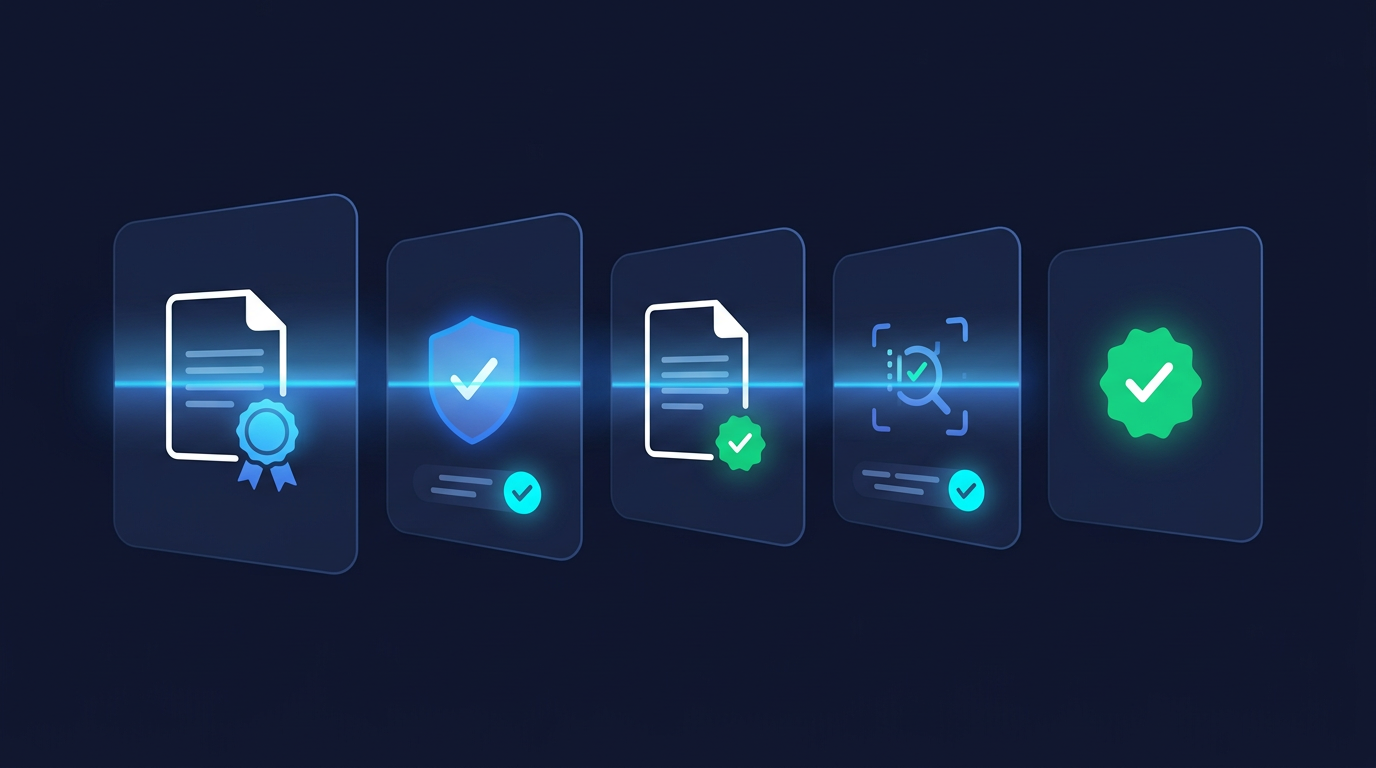
Use this checklist before sending a single application:
Tier 1 and Tier 2 exchanges conduct the most rigorous compliance reviews. But no exchange - at any tier - will list an unaudited contract. This is a hard line across the industry.
How to List Your Token on a CEX: Step-by-Step Process
The listing process isn't complicated, but it is time-intensive and sequential. Projects that rush it almost always pay for it - either in rejection, poor negotiation leverage, or a chaotic launch.
- Define listing goals and target exchange tier - know which tier you're ready for before making any contact
- Begin outreach to exchanges and launchpads 2-3 months before the target TGE date - this timeline is non-negotiable for anything above Tier 3
- Compile the application package - whitepaper, tokenomics summary, smart contract audit report, legal entity documentation, team bios, product traction metrics, roadmap, and community engagement data
- Submit the application and listing fee - follow each exchange's specific submission format; incomplete submissions are returned automatically
- Respond to due diligence questions - exchanges will ask follow-up questions; responsiveness and accuracy matter
- Negotiate listing terms - fee structure, marketing token allocation, security deposit conditions, and any exclusivity clauses
- Complete technical integration - coordinate with the exchange's technical team to ensure the token contract integrates cleanly with the exchange's infrastructure
- Coordinate the launch announcement and marketing campaign - stagger announcements across the project, launchpads, and exchange for maximum momentum
That two-to-three month lead time is the single most commonly underestimated variable. Teams approach exchanges six weeks before their planned TGE and then wonder why they're stuck at a Tier 3 listing they didn't want.
CEX vs. DEX: Choosing the Right Listing Strategy for Your Project
Before building that application package, one foundational strategic question needs answering: should the project launch on a CEX first, or start on a DEX?
The answer matters more than most teams realize. Tier 1 and Tier 2 CEXs evaluate secondary listings - tokens already trading on a DEX - based almost entirely on trading volume and on-chain statistics. Most DEX-first launches never build the volume required to qualify. As real-world token launches confirm, the listing lifecycle typically flows from initial distribution through to CEX listing - and the sequence of that path directly determines which tiers remain accessible.
Three legitimate scenarios:
- CEX Initial Listing - Recommended for projects targeting mainstream markets and higher tiers. The CEX listing is the primary market event, often combined with a launchpad public sale.
- DEX First, then CEX - Viable only for meme coins or projects with viral, hyper-local traction that can demonstrate on-chain volume independently. For most projects, this path closes more doors than it opens.
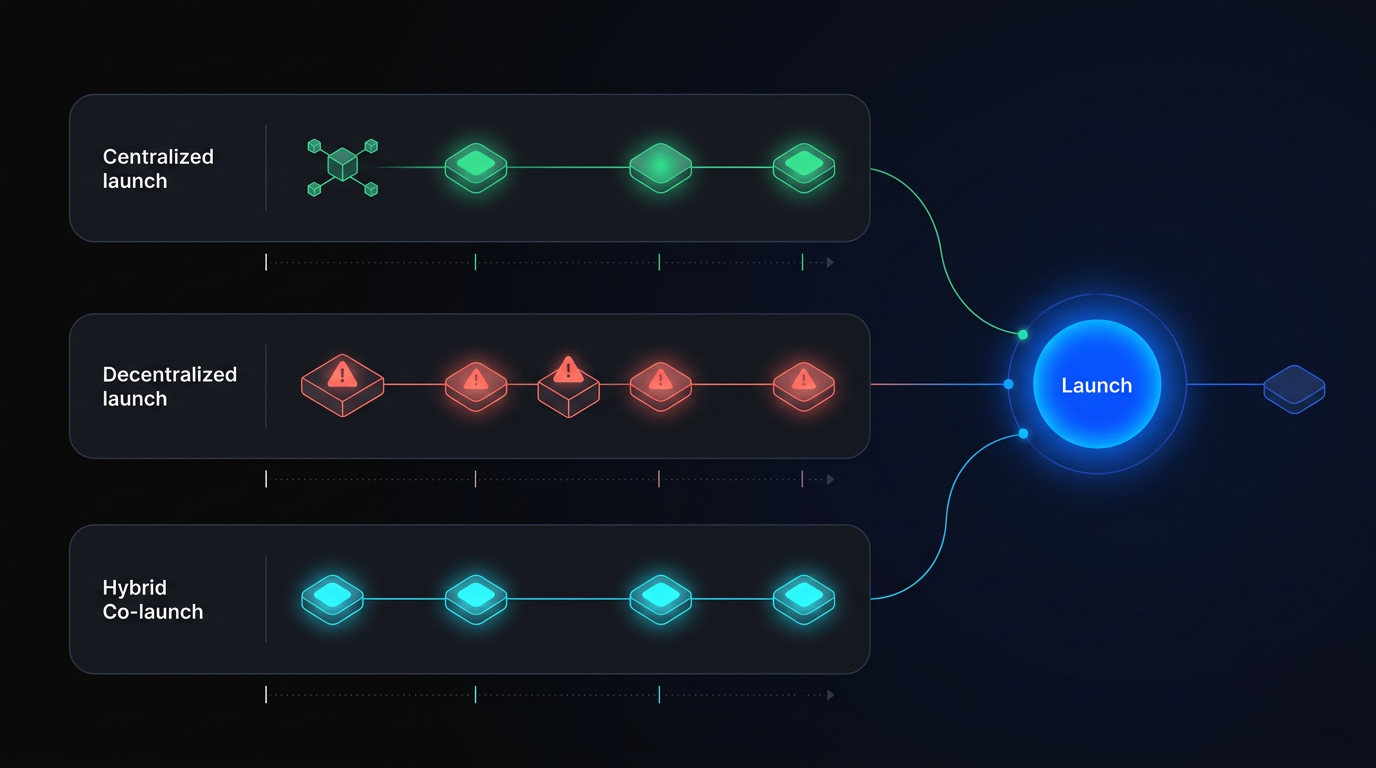
- Co-listing (CEX + DEX simultaneously) - The most commonly recommended approach. It diversifies exposure, manages selling pressure across platforms, and allows the team to support multiple market structures at launch.
Whichever venue is chosen, market makers need to be engaged early. Liquidity management is a separate budget line - not something handled by the exchange - and poor execution here results in bad price action on day one.
Mistakes and Red Flags That Get Token Listings Rejected
Every mistake below corresponds directly to one of the listing criteria above. These aren't theoretical - they're the specific failure points that exchange reviewers flag immediately. Knowing how rug pulls are identified helps understand exactly what exchanges are screening for.
⚠ Critical Mistakes That Kill CEX Listing Applications
- Missing smart contract audit → immediate disqualifier at virtually every exchange tier; complete the audit before applying, not after
- Poorly designed tokenomics → excessive team or VC allocation, no clear utility connection to project revenue, or vesting schedules that create obvious dump mechanics post-listing
- Missing or incomplete legal documentation → an unregistered legal entity or ambiguous KYC/AML policy signals regulatory risk that no exchange will accept
- Inflated or fabricated community metrics → exchanges verify engagement rates, wallet activity, and social authenticity; purchased followers and fake Telegram members are detectable and result in immediate rejection
- Applying too late → submitting less than 4-6 weeks before the target TGE date means the exchange cannot complete due diligence in time; start outreach 2-3 months out
- Misrepresenting any information during due diligence → exchanges share information across networks, and misrepresentation can result in permanent blacklisting not just from one exchange, but from their broader partner ecosystem
The common thread: exchanges aren't looking for reasons to reject applications. They're looking for evidence that a project is ready. Give them that evidence, documented and verifiable, and the process moves forward.
Conclusion
Where a project stands right now determines the right next step - and listing tokens on a CEX requires a different answer depending on that position.
Early-stage projects should be focused on building product, establishing a legal entity, completing a smart contract audit, and growing genuine community engagement. Don't approach exchanges prematurely - rejection at this stage costs more than the time saved.
Mid-stage projects with measurable traction, an audited contract, and a legal structure in place should begin exchange outreach 2-3 months before the planned TGE. Use that window to negotiate leverage across multiple exchange offers rather than accepting the first term sheet.
Launch-ready projects need to finalize the documentation package, confirm market maker agreements, and sequence their announcement strategy. The coordination work that happens in the final 30 days before TGE often determines as much of the launch outcome as the months of preparation before it.
Platforms built on verifiable on-chain mechanics and transparent fee structures - like Zipmex - reflect the same principle that exchanges reward: real activity, not manufactured signals. Projects that treat a CEX listing as the culmination of strong fundamentals, not a shortcut to them, consistently outperform those that rush the process.
Last updated: March 2026.
Crypto trading and token launches involve substantial risk of loss. This content is for informational purposes only and does not constitute financial or investment advice. Always conduct your own research before making any decisions relating to cryptocurrency projects or investments.
Frequently Asked Questions
What is a CEX token listing and why does it matter?
A CEX token listing is the process by which a cryptocurrency token is formally added to a centralized exchange's active trading pairs, making it tradable by the exchange's user base. It matters because a CEX listing unlocks liquidity at a scale that most decentralized alternatives cannot replicate, dramatically increases the token's discoverability, and signals to institutional and retail investors that the project passed a formal due diligence review. For most projects, the CEX listing represents the first moment their token becomes accessible to mainstream crypto traders.
How long does it take to list a token on a centralized exchange?
Timeline varies significantly by exchange tier. Tier 3 exchanges typically process applications in 10-15 business days. Tier 2 exchanges generally require 4-10 weeks from application submission to listing activation, depending on due diligence complexity and documentation completeness. Tier 1 exchanges have no fixed timeline - the process can take 2 to 6+ months, and timelines are negotiated individually. The consistent recommendation across the industry is to begin outreach 2-3 months before the target Token Generation Event date, regardless of which tier the project is targeting.
How much does it cost to list a token on a major CEX?
Listing fees aren't standardized and vary considerably by tier and market conditions. Tier 3 exchange listings typically cost between $5,000 and $50,000 in combined fees. Tier 2 listings range from roughly $50,000 to $200,000 when accounting for the technical service fee, marketing token allocation, and any security deposit requirements. Tier 1 exchanges are the least predictable - total costs can exceed $500,000 in bull market conditions and include security deposits tied to performance metrics. Everything costs more during periods of high market activity. Applying to multiple exchanges simultaneously increases negotiating leverage and access to better terms.
What is the difference between listing on a CEX versus a DEX?
A CEX listing places the token in a managed order book operated by the exchange, offering high liquidity, broad user access, and regulatory credibility - but requiring a formal application process, fees, and due diligence. A DEX listing is self-managed: the project deploys its own liquidity pool, retains full control of the process, and can launch without third-party approval. The tradeoff is that DEX liquidity is typically much lower, and the user onboarding experience is more demanding. Critically, launching on a DEX first can impair a project's chances of securing a Tier 1 or Tier 2 CEX listing later, since secondary listings are evaluated primarily on trading volume.
Is a smart contract audit required before listing a token on a CEX?
Yes, without exception. A smart contract security audit is a gate requirement at every exchange tier. The audit is a formal, independent code review that identifies vulnerabilities, exploits, and security gaps in the token's smart contract. Exchanges review audit reports as part of the due diligence process. An unaudited contract signals either unpreparedness or an attempt to conceal something - and no serious exchange will approve a listing without one. The audit should be completed by a recognized third-party security firm before any exchange application is submitted, not after the process begins.
What are exchange tiers and how do they affect the listing process?
Exchange tiers are an informal but widely used framework that categorizes centralized exchanges by liquidity, global user base, due diligence rigor, and brand recognition. Tier 1 exchanges have the largest user bases and strictest vetting processes, but offer the highest liquidity and visibility. Tier 2 exchanges are established, mid-sized platforms with structured processes and significant but more targeted user bases. Tier 3 exchanges are smaller, often regionally focused platforms. The tier determines the listing fee range, the intensity of the due diligence process, the typical timeline, and the scale of benefits a project can expect post-listing.
What are the most common reasons CEXs reject token listing applications?
The most frequent rejection triggers are: missing or incomplete smart contract audit documentation; tokenomics that create obvious sell-side pressure at launch; absent or deficient legal entity and KYC/AML documentation; community metrics that don't hold up to engagement verification; applying too close to the TGE date; and misrepresenting any information during due diligence. The last one carries the most severe consequence - misrepresentation can result in permanent blacklisting from the exchange's partner network. Every rejection trigger has a preventable cause, which is why preparation quality directly determines application outcomes.