Elon Musk's humanoid robot has gone from a concept presented by a person in a spandex suit to a walking, functioning machine in just a few years. Tesla Optimus - the official name for this robot - represents Musk's ambitious bet that humanoid robots will eventually outnumber humans and become Tesla's most valuable product.
But what exactly is Optimus? When can you actually buy one? And should this robot factor into your investment decisions about Tesla stock? This guide breaks down everything we know in 2026.
⚡ Quick Answer
Tesla Optimus is a general-purpose humanoid robot standing 173 cm tall, weighing 57 kg, with a target price of ~$20,000. Currently in pilot production at Tesla factories, mass availability is expected 2027-2028. For investors, Optimus is a long-term optionality play - potentially transformative but contributing $0 to current Tesla revenue.
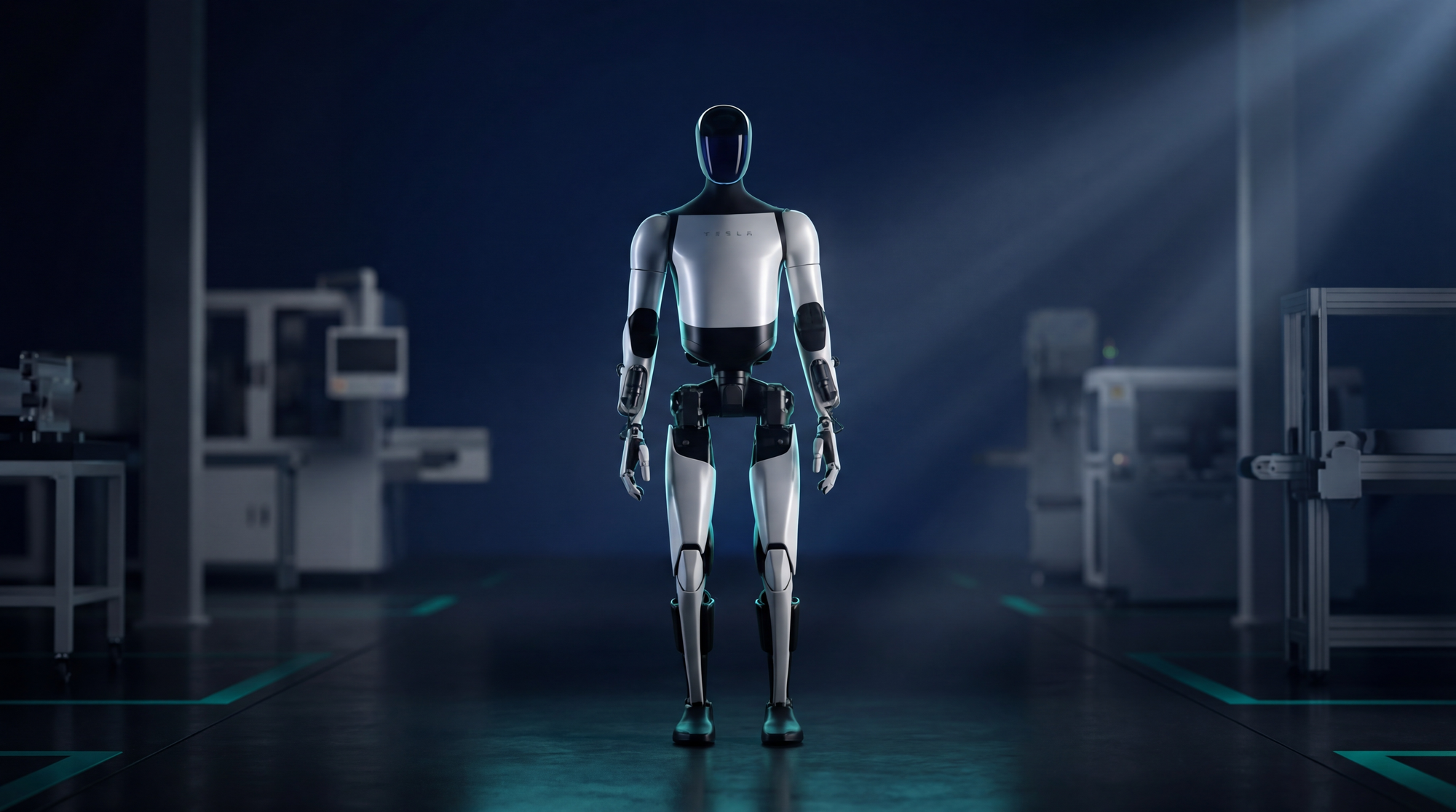
Tesla Optimus Specifications & Key Data (2026)
Before diving into Optimus capabilities and investment implications, let's examine what we know about the robot's specifications. Understanding these details is essential for evaluating Tesla's claims and competitive position.
🤖 Tesla Optimus Specifications
Height
173 cm (5'8")
Weight
57 kg (125 lbs)
Carrying Capacity
20 kg (45 lbs)
Walking Speed
Up to 8 km/h (5 mph)
Target Price
~$20,000
Battery
2.3 kWh
Hand Dexterity
11 DOF per hand
Current Status
Pilot Production
The robot uses the same AI technology that powers Tesla's Full Self-Driving system - neural networks trained on real-world data to make decisions and navigate environments. This gives Tesla a unique advantage: they can apply learnings from millions of miles of driving data to robotic movement.
Optimus features 28 structural actuators for movement and uses the Tesla-designed FSD Computer for onboard processing. The estimated runtime is 4-8 hours depending on task intensity.
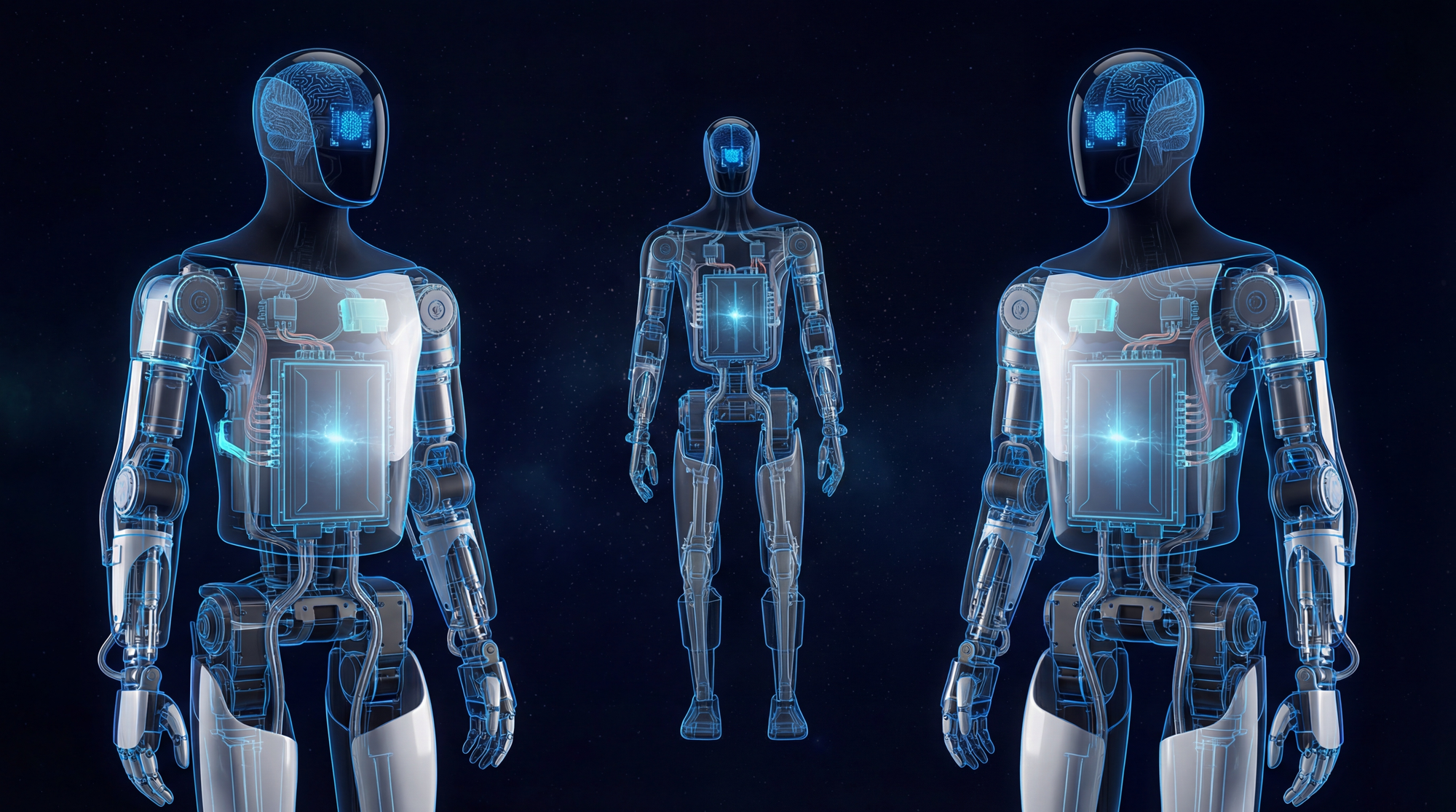
The Evolution of Tesla Optimus: From Concept to Reality
Tesla's journey from announcing a humanoid robot to deploying working units in factories took less than five years - remarkably fast for robotics development.
August 2021: The Announcement
Elon Musk first announced the Tesla Bot at AI Day 2021. The presentation featured a person in a robot costume dancing on stage - not exactly the most convincing demo. Musk claimed the robot would handle "dangerous, repetitive, boring tasks" and could be ready as a prototype by 2022.
Many were skeptical. Tesla was primarily a car company, and humanoid robotics is notoriously difficult.
October 2022: First Real Prototype
At AI Day 2022, Tesla showed "Bumble-C" - an actual walking robot. It was slow, needed support cables at first, but it moved. A second prototype demonstrated better balance and could walk without assistance.
December 2023: Optimus Gen 2
Tesla released video showing Optimus Gen 2 with dramatically improved capabilities: hands with 11 degrees of freedom, better walking speed, the ability to squat and balance, and handling delicate objects like eggs without breaking them.
2024-2026: Factory Deployment
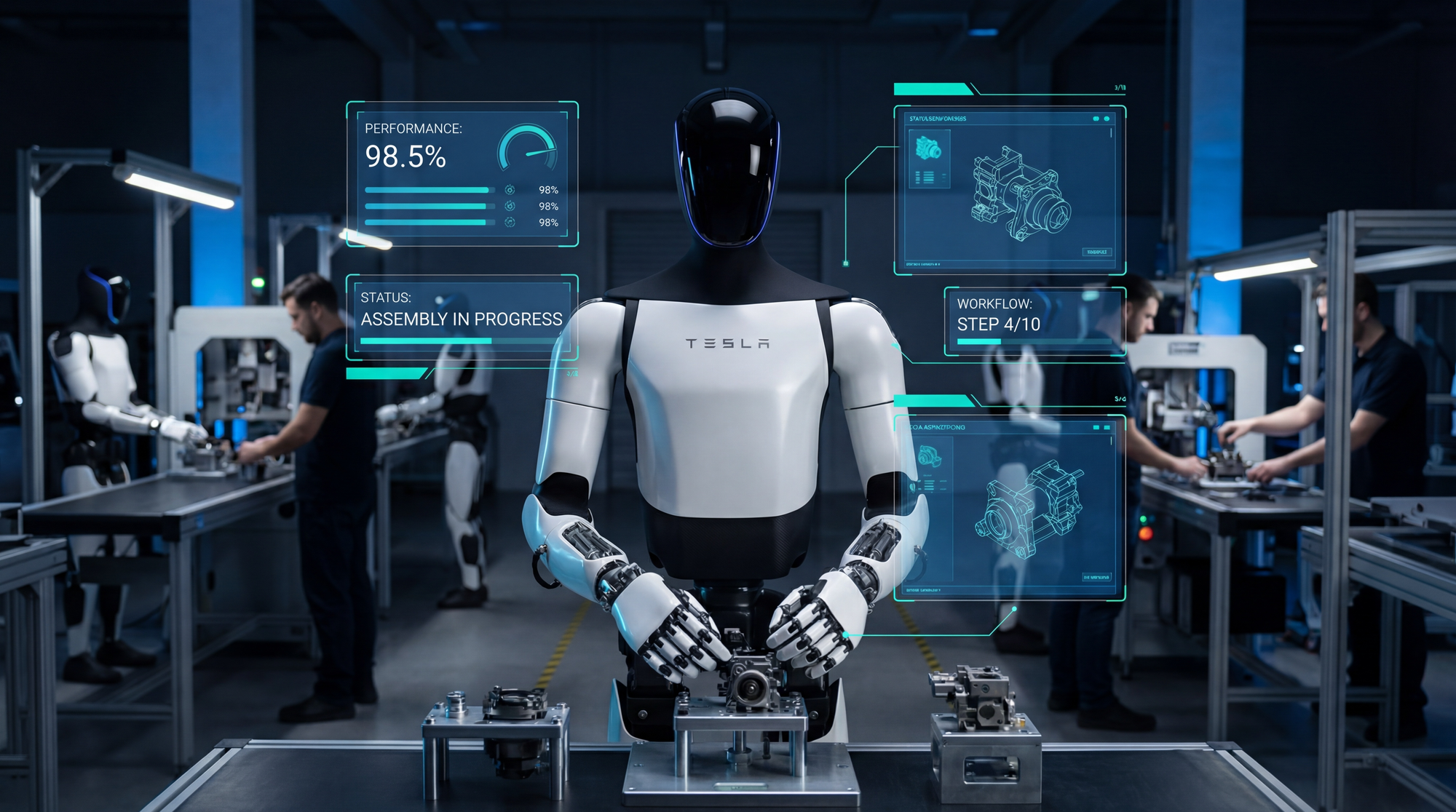
Tesla began deploying early Optimus units in its own factories for simple tasks: moving parts between stations, sorting components, and basic assembly assistance. By early 2026, Tesla is in pilot production phase with plans for broader deployment.
Competitor Analysis: The Humanoid Robot Race
Tesla isn't alone in building humanoid robots. Understanding the competitive landscape helps evaluate Optimus's potential and Tesla's advantages.
Boston Dynamics (Atlas)
The most famous humanoid robot. Atlas can run, jump, do backflips, and navigate complex terrain. However, it's primarily a research platform - not available for commercial purchase and extremely expensive.
Strengths: Most advanced mobility and athleticism
Weaknesses: No commercial product, astronomical cost, not designed for work tasks
Figure AI (Figure 01/02)
A well-funded startup backed by major tech investors including Microsoft and OpenAI. Figure is building humanoid robots specifically for commercial applications, with pilot programs at BMW factories.
Strengths: Strong funding ($675M+), commercial focus, major partnerships
Weaknesses: Newer company, less proven track record
Agility Robotics (Digit)
Already selling commercial robots. Digit is designed for logistics - moving boxes in warehouses. Amazon has ordered units for testing.
Strengths: Actually selling product, warehouse-focused, Amazon partnership
Weaknesses: Limited to specific tasks, high price ($250K)
Unitree (H1)
Chinese robotics company offering lower-cost humanoid robots. The H1 is available for around $90,000.
Strengths: Lower price point, available now, rapid iteration
Weaknesses: Less sophisticated than competitors, limited software ecosystem
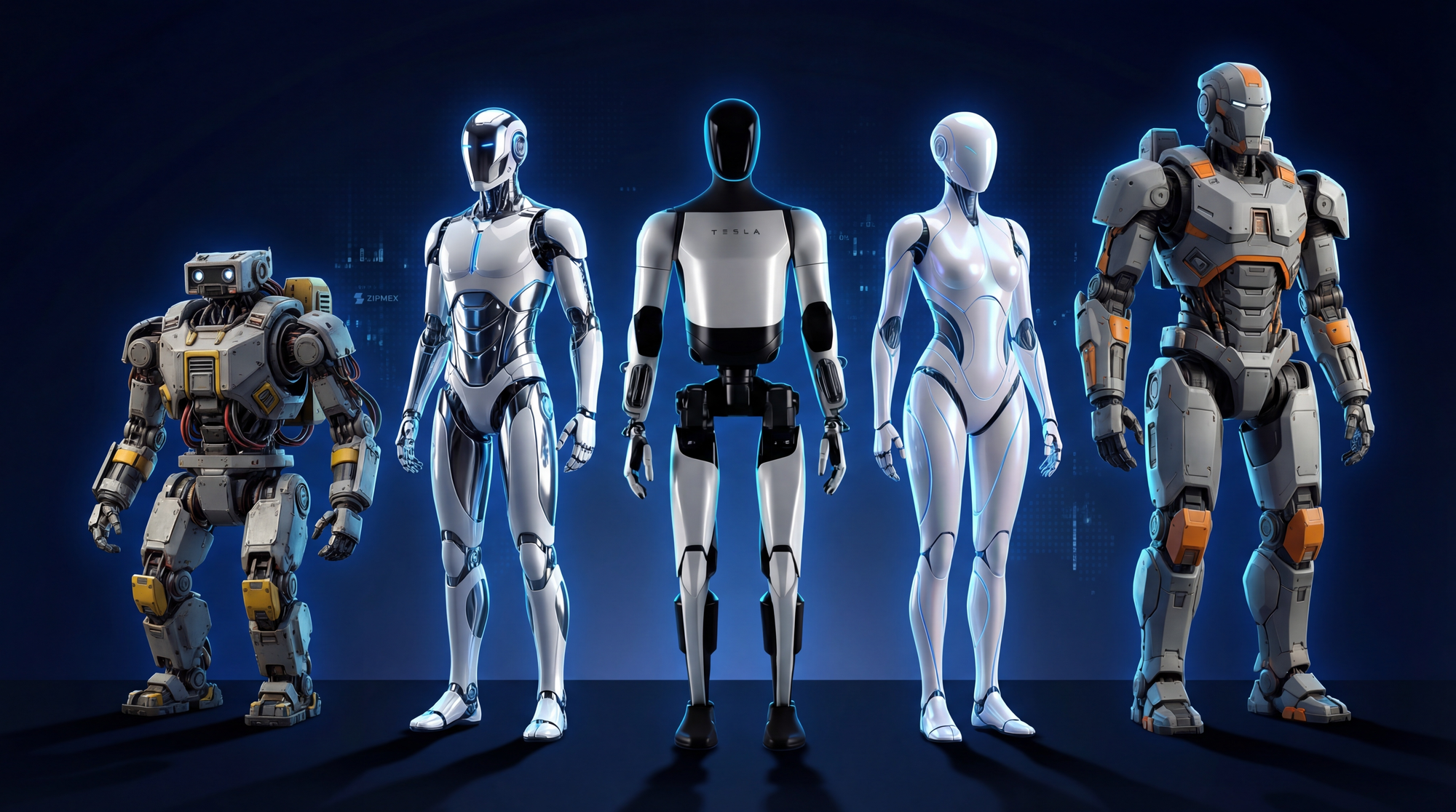
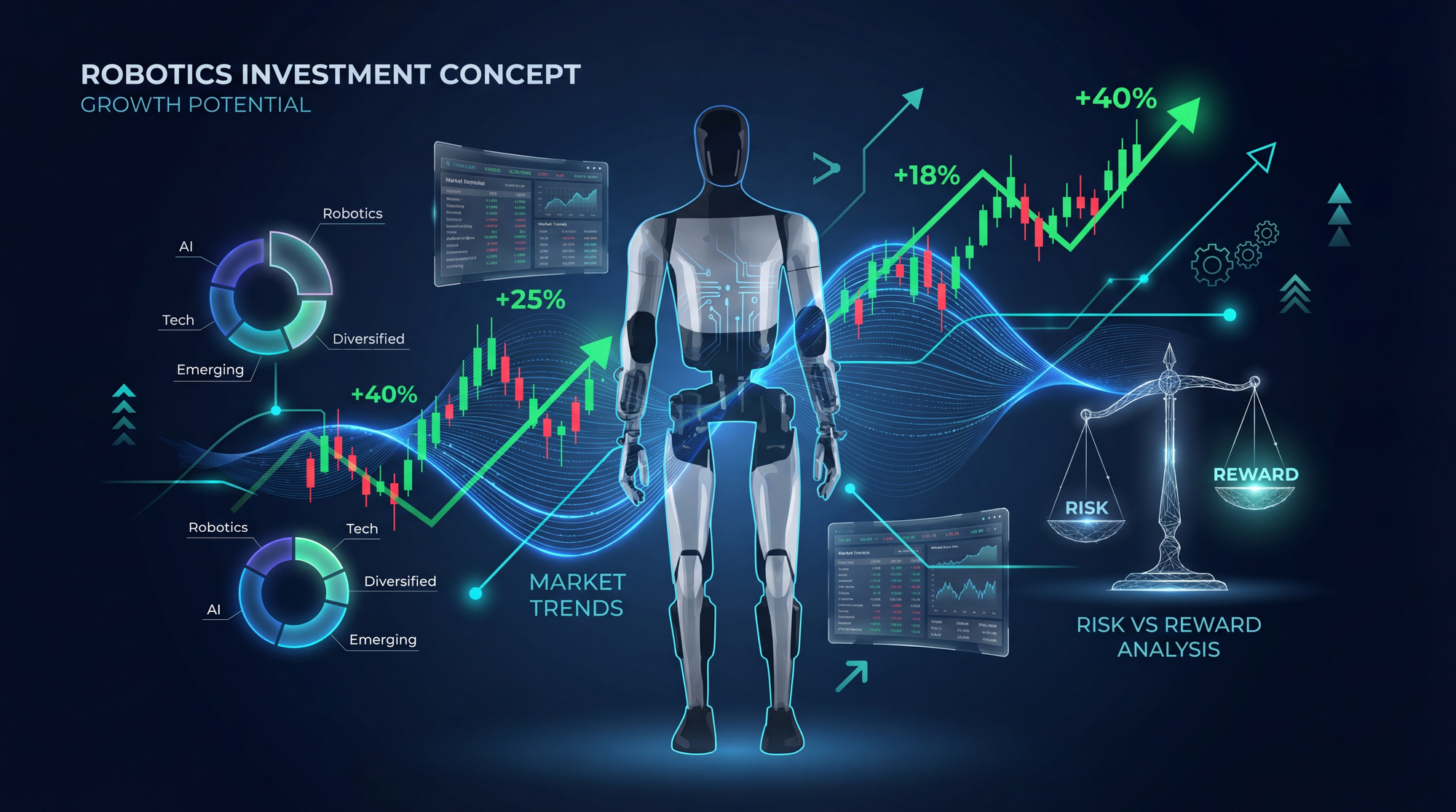
Investment Perspective: Should Optimus Affect Your Tesla Decision?
This is where we need to be careful and realistic. Optimus represents significant potential - but also significant uncertainty.
📈 The Bull Case
Elon Musk has said Optimus could become "more significant than the car business." If humanoid robots become ubiquitous - used in factories, warehouses, homes, healthcare - the total addressable market is enormous. Tesla's advantages include:
- Existing AI expertise from Autopilot/FSD
- Manufacturing scale (they know how to mass-produce)
- Vertical integration (batteries, chips, motors)
- Target price 10-50x cheaper than competitors
📉 The Bear Case
- Unproven territory: Tesla has never sold robots commercially
- Competition: Boston Dynamics, Figure AI have years of head start
- Timeline risk: Musk's predictions rarely match reality (FSD promised "feature complete" in 2019)
- Technical challenges: Humanoid robotics is genuinely hard
- Zero revenue: Optimus contributes $0 to current financials
⚖ Balanced View
Optimus is a long-term optionality play - it could be worth a lot someday, but:
- Don't buy Tesla stock solely because of Optimus
- Recognize this is a 5-10+ year investment thesis
- The core business (EVs, energy) matters more for current valuation
- Competition could erode Tesla's potential advantages
If you're researching Tesla as an investment, understanding how technology companies are valued and what drives long-term growth provides essential context.
When Can You Buy Tesla Optimus?
Let's set realistic expectations based on Tesla's history and the current state of development.
⚠ Important Caveat
Elon Musk's timelines are historically optimistic. Tesla's Full Self-Driving was promised as "feature complete" in 2019 and is still not fully autonomous in 2026. Adjust expectations accordingly.
Pro Tips: Tracking Optimus Development
💡 Pro Tip
Official sources to follow:
- Tesla's AI Day events (usually annual)
- Tesla quarterly earnings calls (Musk discusses Optimus regularly)
- Tesla's official X account
📊 Key Metrics to Watch
- Number of robots deployed at Tesla facilities
- Specific task capabilities demonstrated
- Any announcement of external sales or partnerships
- Price point updates from Tesla
🚩 Red Flags to Watch For
- Repeated delays with no clear progress
- Competitors achieving commercial deployment first
- Significant safety incidents
- Key engineering talent leaving the project
Key Takeaways
🎯 Summary: What You Need to Know
1. Optimus is real
Tesla has moved from concept to working prototypes to factory deployment in under 5 years
2. Target price of $20,000
Would make it 10-50x cheaper than competitors if achieved
3. Mass availability 2-3 years away
Don't expect to buy one soon - 2027-2028 at earliest for commercial sales
4. Long-term investment play
Optimus is optionality, not a reason to buy TSLA today
5. Competition is serious
Boston Dynamics, Figure AI, Agility, Unitree are all making rapid progress
6. Discount Musk's timelines
Expect delays relative to announced schedules based on historical pattern
Frequently Asked Questions
What is Elon Musk's robot called?
Tesla's humanoid robot is officially named "Optimus," though it was initially referred to as "Tesla Bot" when announced in 2021. The name references the Transformers character Optimus Prime.
How much will Tesla Optimus cost?
Tesla targets a price of approximately $20,000 USD, which would make it significantly cheaper than competing humanoid robots (Digit: $250K, H1: $90K).
When will Tesla Optimus be available to buy?
As of 2026, Optimus is in pilot production and deployed only at Tesla facilities. Commercial sales to businesses may begin in 2027, with potential consumer availability in 2028 or later.
What can Tesla Optimus do?
Current capabilities include walking on flat and uneven surfaces, picking up and manipulating objects, sorting items, and performing simple repetitive tasks. Tesla is continuously expanding its abilities through software updates.
Is Tesla Optimus autonomous?
Optimus uses AI to operate semi-autonomously within defined environments. It can recognize objects, plan movements, and execute tasks without direct human control, though it currently requires supervised operation.
How does Tesla Optimus compare to Boston Dynamics Atlas?
Atlas demonstrates more advanced mobility (running, jumping, parkour) but is a research platform not available for commercial purchase. Optimus prioritizes practical work tasks and cost-effective mass production over athletic performance.
The Bottom Line
Elon Musk's humanoid robot has evolved from a publicity stunt into a genuine technological project with working prototypes and factory deployments. Whether Tesla Optimus will revolutionize labor markets or become another overhyped Musk venture remains to be seen.
For now, Optimus represents one of the most ambitious bets in robotics - backed by Tesla's manufacturing scale, AI expertise, and relentless promotion. The next few years will determine whether that bet pays off.
For those exploring technology investments, understanding fundamentals like how emerging tech companies are valued and what drives innovation cycles provides essential context for making informed decisions.
Stay Informed on Tech Trends
Track developments in AI, robotics, and the technologies shaping our future with analysis that cuts through the hype.
Explore More →⚠ Investment Disclaimer: This article is for informational purposes only and does not constitute financial advice. Investing in stocks involves risk, including the potential loss of principal. Tesla (TSLA) stock price can be volatile. Always conduct your own research and consider consulting with a licensed financial advisor before making investment decisions. Past performance does not guarantee future results.