Crypto scammers stole over $17 billion in 2025-and they're getting smarter. AI-powered impersonation tactics exploded by 1,400% last year, while the FBI notified more than 4,300 pig butchering victims who had no idea they were being scammed until it was too late.
⚡ Quick Answer
To spot a crypto scam, watch for these immediate red flags: guaranteed returns, requests for your seed phrase, urgency tactics, anonymous teams, and unsolicited messages offering investment opportunities. Never share your private keys with anyone, always verify contract addresses on CoinGecko or CoinMarketCap, and remember: if someone you met online is pushing crypto investments, you're almost certainly being scammed. Only about 10% of stolen crypto is ever recovered.
Whether you received a suspicious message on Telegram, found a "guaranteed profit" opportunity on social media, or met someone online who suddenly wants to teach you about crypto trading, this guide will help you identify scams before losing a single dollar.
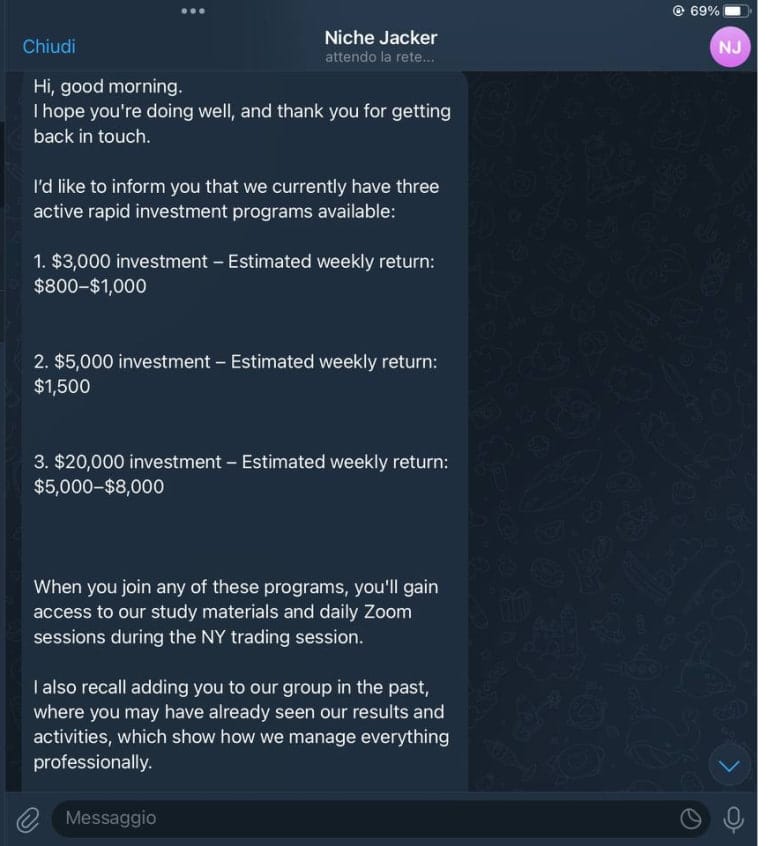
In January 2026 alone, the crypto industry has already fallen victim to two major exploits-proving these threats aren't going away. Here's everything you need to protect yourself.
The $17 Billion Problem: Crypto Scams in 2026
The cryptocurrency industry has never been more dangerous for uninformed investors. According to multiple blockchain analytics firms, scammers and hackers extracted approximately $17 billion in 2025-a record-breaking year that included the largest cryptocurrency theft in history.
Q1 2025 alone saw $1.64 billion stolen, making it the worst quarter on record according to Immunefi. The Bybit exchange hack in February resulted in $1.4 billion stolen by North Korea's Lazarus Group-a single incident that exceeded all of 2023's losses combined.
⚠ 2025 Reality Check
The FBI reports US citizens lost $9.3 billion to crypto scams in 2024. Through H1 2025, Americans lost another $939 million-putting the year on pace to break records. Only approximately 10% of stolen cryptocurrency is ever recovered, making prevention your only real protection.
What makes these statistics particularly alarming is the evolution of scam tactics. AI-generated deepfakes increased by 1,400% in 2025, with scammers creating convincing videos of Elon Musk, Vitalik Buterin, and other crypto celebrities promoting fake giveaways. One fake trading bot called QuantumFX.AI promised 5% daily returns using "proprietary AI algorithms" and stole $1.2 billion before vanishing.
The Trump meme coin phenomenon highlighted how quickly scammers adapt-over 700 copycat tokens attempted to impersonate the legitimate project, stealing millions from confused investors.
Who's Losing the Most?
Understanding the demographics of crypto scam victims reveals important patterns:
📊 Victim Demographics 2025
Most Reports
Ages 40-49
5,999 cases in H1 2025
Highest Losses
Ages 60+
$2.8 billion in 2024
Top State (US)
California
$1.39B (1 in 7 dollars)
Median Loss
$10,000
Up from $9,300 in 2024
Globally, fraud is accelerating at different rates: Africa saw a 112% increase in crypto scam losses, followed by US/Canada at 86%, Middle East at 79%, and Latin America at 50%. Interestingly, Asia-Pacific saw a 23% decline due to improved enforcement-proof that awareness and regulation work.
12 Most Dangerous Crypto Scams in 2026
Before diving into detection methods, you need to understand what you're up against. Here are the scam types causing the most damage right now:
1. Pig Butchering Scams
The name comes from the Chinese term "sha zhu pan" (killing pig game), describing how scammers "fatten up" victims with trust before "slaughtering" them financially. These scams have stolen over $75 billion globally since 2020 and show no signs of slowing.
How it works: A stranger contacts you on social media, dating apps, or messaging platforms. They build a relationship over weeks or months-sometimes romantic, sometimes professional. Eventually, they introduce you to a "guaranteed" crypto investment opportunity, often showing you a professional-looking dashboard with fake profits.
"I lost everything. I lost my kids' future. I lost my future. I cried every day. How do you tell your 78-year-old mom who has medical problems that everything's gone?"
- Joe Novak, lost $280,000 to pig butchering scam (CNN, November 2025)
2. Rug Pulls
Developers create a new token, hype it aggressively, then drain all liquidity and disappear. Rug pull losses hit $900 million from new tokens alone in 2025, with memecoins being the primary vehicle.
The Libra Token rug pull resulted in $251 million in losses. If the ongoing OM Mantra investigation confirms it as a rug pull, it would add over $5.5 billion in losses-making 2025 the highest year on record.
3. AI Deepfake Giveaway Scams
Scammers now use AI to create realistic videos of celebrities promising to double your crypto. In 2025, fake YouTube streams featuring AI-generated Elon Musk collected over $5 million in just 20 minutes.
The rule is simple: No legitimate figure will ever ask you to send crypto with promises to send back double. Ever.
4. Fake Exchanges
Hundreds of fake cryptocurrency exchanges launch every month, offering massive signup bonuses and zero-fee trading. They work normally at first, allowing small deposits and withdrawals. Once you invest heavily, withdrawals get "temporarily suspended" for fake KYC, AML, or security audits.
5. Address Poisoning (NEW in 2025)
This sophisticated attack involves scammers sending tiny transactions to your wallet from addresses that closely resemble your frequently-used addresses. When you copy an address from your transaction history, you might accidentally copy the scammer's lookalike address.
6. Phishing Attacks
Fake websites mimicking legitimate exchanges or wallet providers steal login credentials and seed phrases. These attacks accounted for 45% of individual crypto losses and $2.4 billion in total damages in 2025.
7. SIM Swap Attacks
Criminals contact your phone carrier, pretending to be you, and transfer your phone number to their device. They then intercept 2FA codes and reset your exchange passwords.
SIM swapping exploits caused $410 million in thefts in 2025, specifically targeting high-value crypto holders. This is why SMS-based 2FA is dangerous for crypto.
8. Fake Airdrops
Scammers promote fake token airdrops that require you to connect your wallet or-worse-enter your seed phrase. Once connected to a malicious smart contract, your wallet can be drained instantly.
9. Romance Scams
Similar to pig butchering but focused specifically on dating apps and romantic connections. A Santa Rosa man in his 70s lost $500,000 to someone he communicated with daily for months via video chat-receiving gifts before the financial requests began.
10. Honeypot Tokens
Malicious smart contracts that let you buy but prevent you from selling. You watch your investment grow on paper while being unable to take profits.
11. Fake Customer Support
Scammers monitor social media for people complaining about crypto issues, then DM them pretending to be official support. They impersonate Coinbase, MetaMask, Ledger, and other popular platforms with near-perfect accuracy.
12. Recovery Scams
Perhaps the cruelest: scammers target people who've already been victimized, promising to recover stolen funds for an upfront fee. The Chainalysis 2025 report documented cases of victims losing an additional $100,000+ to fake "recovery" services.
⚠ Critical Warning
North Korean state hackers (Lazarus Group) are responsible for 61% of platform thefts and have stolen over $3 billion since 2017. These aren't amateur operations-they're sophisticated state-sponsored attacks with hundreds of trained operators.
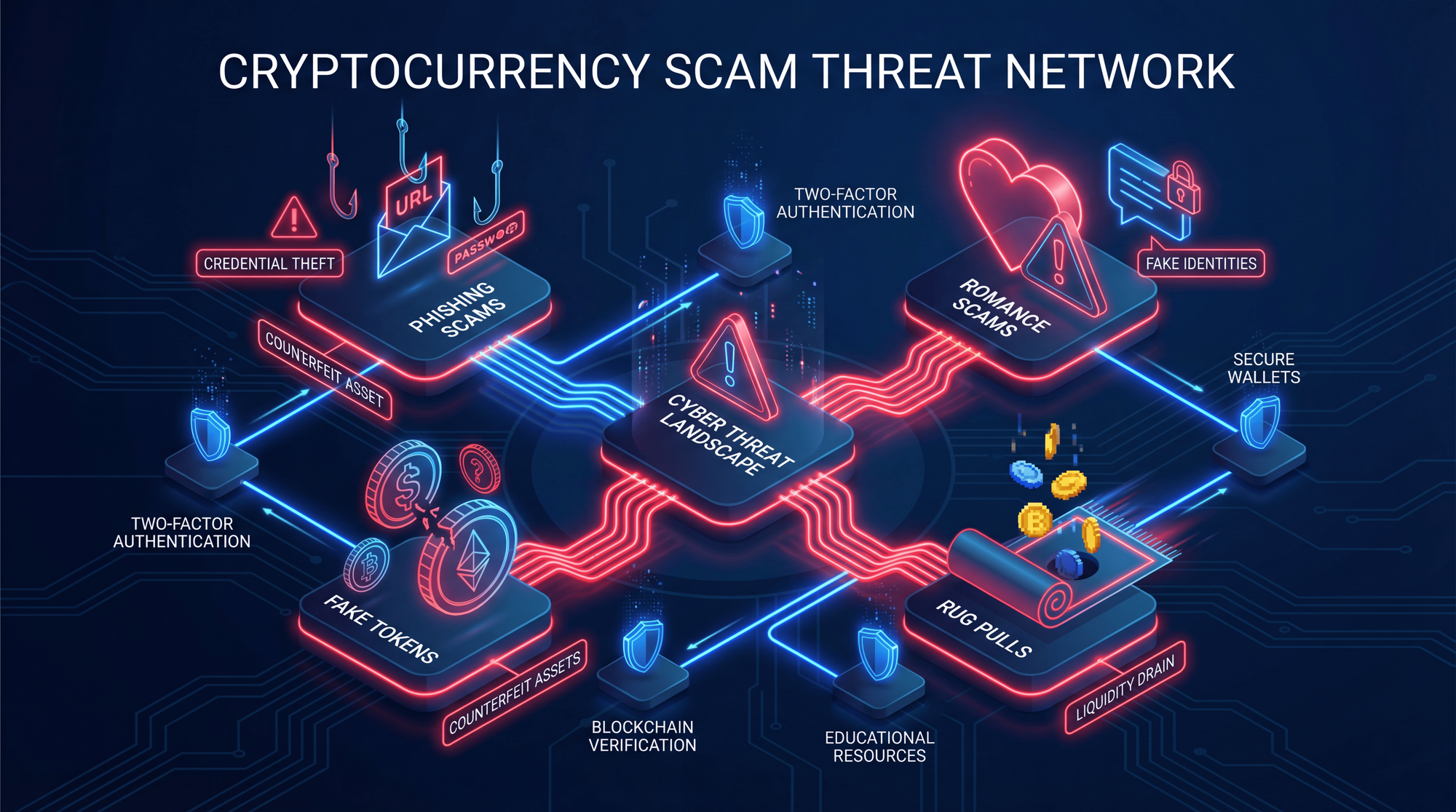
15 Red Flags That Scream "SCAM"
Memorize these warning signs. If you encounter even one, proceed with extreme caution. If you encounter multiple, walk away immediately.
🎯 Critical Red Flags Checklist
- Guaranteed returns - No legitimate investment can guarantee profits
- Requests for seed phrase - Nobody legitimate will EVER ask for this
- Urgency tactics - "Limited time!" "Act now!" "Only 10 spots left!"
- Anonymous team - No verifiable LinkedIn profiles or public identities
- Unsolicited contact - They messaged you first about investments
- Unverified contract - Source code not verified on blockchain explorers
- Only on DEX - Not listed on CoinGecko or CoinMarketCap
- Withdrawal issues - "Pay fee to unlock" or endless verification
- Celebrity endorsement - Videos of Elon Musk or others promoting giveaways
- Locked selling - You can buy but not sell (honeypot)
- Requests for remote access - "Let me help you through screen sharing"
- Crypto-only payments - Legitimate services accept multiple payment methods
- Mystery tokens in wallet - Unsolicited airdrops can contain malicious contracts
- Pressure to download apps - Especially from non-official app stores
- Tiered investment schemes - "Invest more to unlock higher returns"
Social Engineering Red Flags
Modern scammers are psychology experts. Watch for these manipulation tactics:
Building false intimacy: Scammers spend weeks or months chatting daily, sharing personal stories, and creating emotional bonds before introducing investment ideas. The FBI found that 76% of pig butchering victims had no idea they were being scammed because of this trust-building phase.
Small wins first: Legitimate-looking platforms allow early withdrawals to build confidence. One victim reported making 15 successful withdrawals before the platform "froze" his $500,000 account.
Manufactured exclusivity: "I only share this with people I trust" or "This opportunity isn't available to the public yet."
Guilt and pressure: "I'm trying to help you" or "Don't you trust me after all this time?"
How to Spot AI Deepfakes
With AI deepfakes up 1,400% in 2025, knowing how to identify them is critical:
Visual tells:
- Unnatural blinking patterns or no blinking at all
- Lighting inconsistencies on the face vs. background
- Blurry or morphing edges around hair and ears
- Lip movements slightly out of sync with audio
- Skin that looks too smooth or plasticky
Contextual tells:
- The celebrity is promoting something they've never mentioned on official channels
- The video exists only in one place (not on the person's verified accounts)
- Comments are disabled or filled with bot-like responses
- The URL or platform doesn't match official channels
Verification steps:
- Check the person's official Twitter/X and website for any mention
- Search news for announcements about the project
- Reverse image search any still frames
- If in doubt, it's fake-no celebrity will ask you to send crypto
How to Verify if a Crypto Project is Legitimate
Don't just avoid scams-actively verify legitimacy. Here's your step-by-step verification process:
Step 1: Verify the Contract Address
Every legitimate token has a unique contract address. Scammers often create tokens with identical names and logos but different addresses.
Where to check:
- Official project website (look for the contract address in their documentation)
- CoinGecko or CoinMarketCap (verified contract addresses)
- Etherscan, BscScan, or relevant blockchain explorer
What to look for:
- Contract is verified (source code publicly visible)
- Active transaction history
- Large number of holders (not just a few wallets)
- Listed on reputable platforms
Step 2: Research the Team
Legitimate projects have identifiable teams with verifiable backgrounds.
Verification checklist:
- LinkedIn profiles exist and show relevant experience
- Team members have public speaking history (conferences, podcasts)
- Previous projects they've worked on are verifiable
- Photos reverse-image search shows they're not stock photos
- GitHub contributions from team members are visible
Step 3: Check Smart Contract Security
For DeFi projects and new tokens, smart contract security is critical.
Tools to use:
- TokenSniffer - Automated scam detection
- De.Fi Scanner - Contract vulnerability analysis
- RugDoc - Community-maintained scam database
- Honeypot.is - Check if selling is blocked
- DFPI Crypto Scam Tracker - California's official scam database
Step 4: Analyze Liquidity and Trading
🔍 Liquidity Check Essentials
Liquidity Lock
Minimum 6+ months
Holder Distribution
No wallet >10%
Buy/Sell Activity
Balanced ratio
Pool Size
$100K+ minimum
Use DexTools to check trading patterns. If you only see buy orders and no sells, you're likely looking at a honeypot.
Step 5: Verify Exchange/Platform Legitimacy
Before using any exchange, verify it's legitimate:
- Listed on CoinMarketCap or CoinGecko with verified trading volume
- Has verifiable company registration and office address
- Customer support through official channels (not just Telegram)
- Positive reviews on Trustpilot and Reddit from real users
- Clear regulatory compliance information
- Check DFPI Crypto Scam Tracker at dfpi.ca.gov for reported complaints
Step 6: Check Domain Age and Registration
Scam websites are usually created recently. Use WHOIS lookup tools to verify:
- Domain registered for more than 1 year
- Registration details aren't hidden behind privacy services
- Website has been active for an extended period
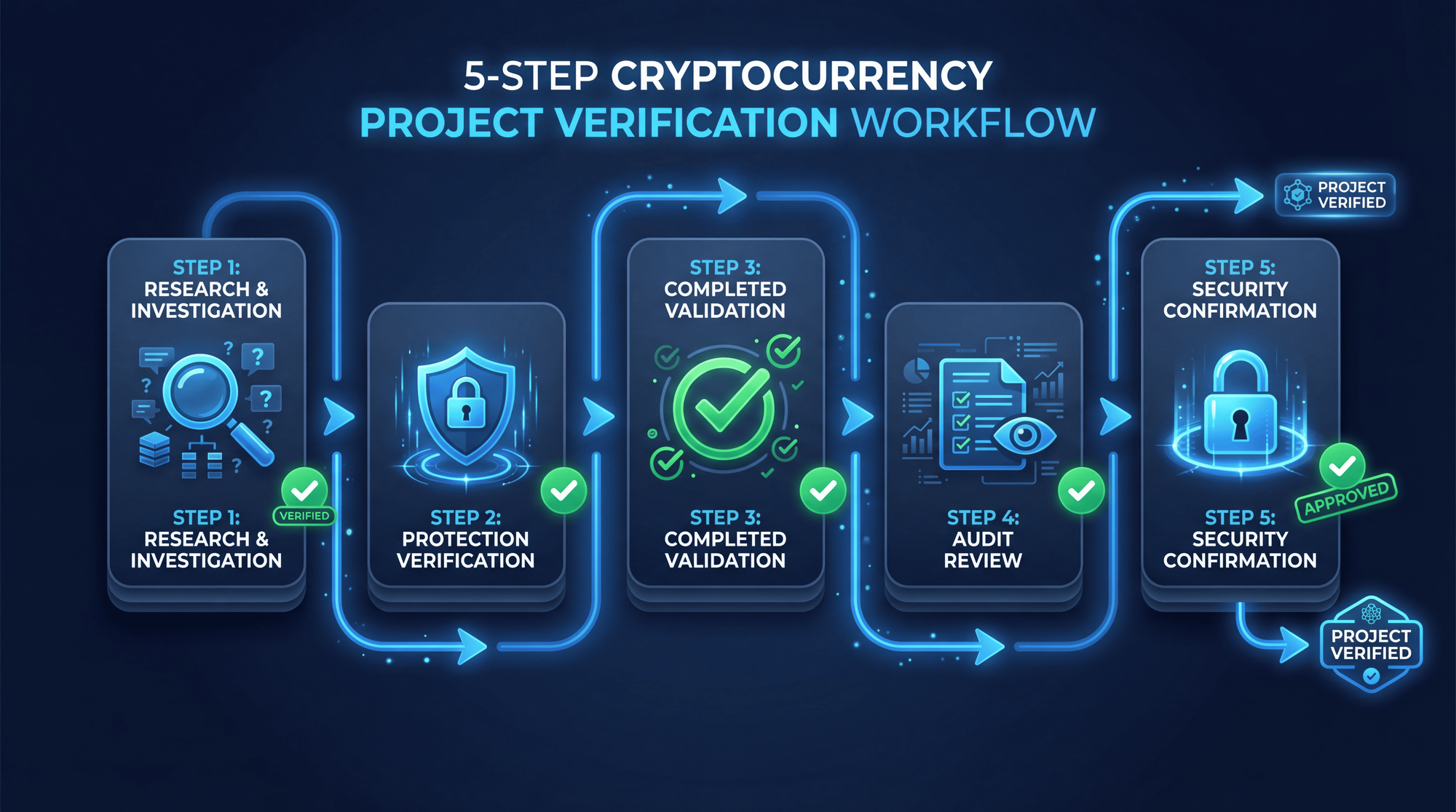
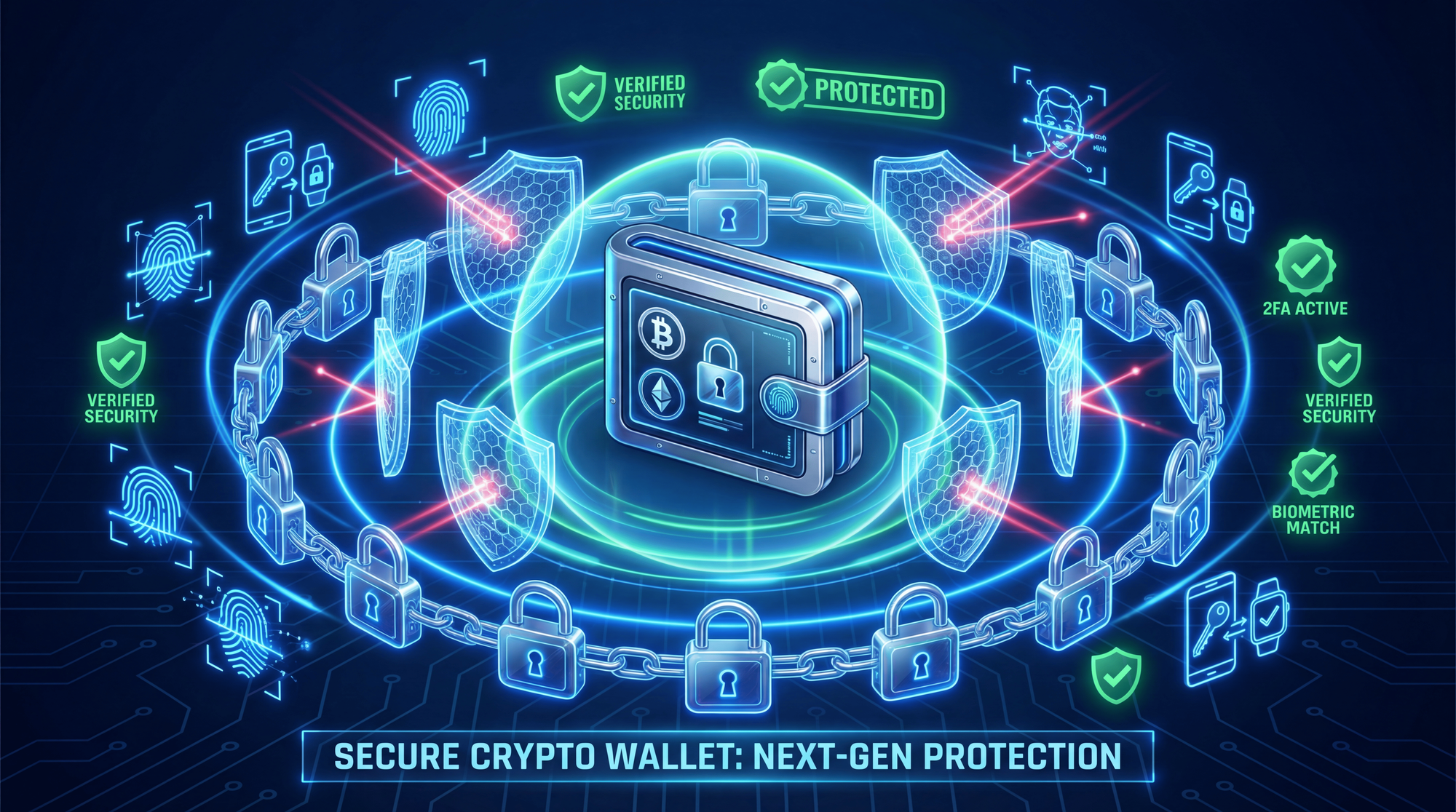
How to Protect Your Crypto Wallet
Your wallet security is your last line of defense. Even if you encounter a scam, proper wallet hygiene can prevent total loss.
Never Share Your Seed Phrase
This cannot be overstated: Your seed phrase is your money. Anyone who has it controls your funds completely and irreversibly.
No legitimate service, support team, or recovery process will ever ask for your seed phrase. Period. Not Coinbase. Not MetaMask. Not Ledger. Not anyone.
If someone asks for your seed phrase, they are a scammer. Full stop.
Use Hardware Wallets for Long-Term Holdings
Hardware wallets like Ledger and Trezor keep your private keys offline, protecting them from malware and phishing attacks. For any significant crypto holdings, this is non-negotiable.
43.8% of all stolen cryptocurrency in 2025 came from private key compromises. A hardware wallet eliminates this attack vector entirely.
Protect Against SIM Swap Attacks
SIM swapping specifically targets crypto holders. Protect yourself:
🔐 SIM Swap Protection Checklist
- Use authenticator apps - Never SMS-based 2FA for crypto
- Add carrier PIN - Contact your phone company to add account protection
- Port freeze - Request a port-out PIN from your carrier
- Separate email - Use a unique email for crypto accounts
- Hardware security keys - YubiKey or similar for critical accounts
Revoke Unused Token Approvals
When you interact with DeFi protocols, you often grant unlimited spending approvals. These can be exploited if the protocol is compromised.
Use these tools to audit and revoke approvals:
- Revoke.cash
- Etherscan Token Approval Checker
- DeBank
Enable All Security Features
- Two-Factor Authentication (2FA): Use authenticator apps, never SMS
- Whitelisting: Enable address whitelisting on exchanges
- Anti-phishing codes: Many exchanges offer custom codes in legitimate emails
- Transaction limits: Set daily withdrawal limits
- Multi-signature: For large holdings, consider multi-sig wallets
Create Separate Wallets
- Hot wallet: Small amounts for daily trading and DeFi interactions
- Cold wallet: Hardware wallet for long-term holdings-never connect to random sites
- Burner wallet: For testing new protocols or claiming airdrops
Handle Mystery Tokens Carefully
If a token appears in your wallet that you didn't buy:
- Do NOT interact with it - Don't try to sell or transfer it
- Don't click any links associated with the token
- Hide it in your wallet interface if possible
- Never approve contracts prompted by unknown tokens
What to Do If You've Been Scammed
If you suspect you've fallen victim to a crypto scam, act immediately:
Immediate Steps (First 24 Hours)
- Stop all communication with the scammer
- Do NOT send more money - no matter what they say about unlocking funds
- Secure remaining assets - transfer to a new, secure wallet immediately
- Document everything - screenshots of conversations, wallet addresses, transaction IDs, websites
- Check for malware - run security scans on all devices used
Report the Scam
📋 Official Reporting Channels
- FBI IC3: ic3.gov - Primary US federal reporting
- FTC: reportfraud.ftc.gov - Consumer protection
- Secret Service: secretservice.gov/investigations/digitalassets
- DFPI (California): dfpi.ca.gov - State-level complaints
- Local Police: File official report for records
- Blockchain explorers: Flag scammer's address on Etherscan/BscScan
Don't Fall for Recovery Scams
After being scammed, you'll likely be targeted again by "recovery services" promising to get your money back. These are almost always scams themselves.
⚠ Reality Check
Cryptocurrency transactions are generally irreversible. While law enforcement recovered approximately $225 million through DOJ operations in 2025, only about 10% of stolen crypto is ever returned to victims. The Chainalysis report documented cases of victims losing an additional $100,000+ to fake recovery services. Prevention is infinitely more effective than recovery.
Legitimate recovery options:
- Contact the actual exchange where you bought crypto (not "support" that DMed you)
- Work with law enforcement through official channels
- Consult a lawyer specializing in cryptocurrency fraud
Real Victim Stories: Learn From Their Mistakes
Understanding how intelligent, experienced people fall victim to these scams helps you recognize the psychological manipulation at play.
The Kansas Bank CEO: $47 Million
Perhaps the most striking case: Shan Hanes, CEO of Heartland Tri-State Bank in Kansas, fell for a pig butchering scam and embezzled $47 million from his own bank to fund what he believed were legitimate crypto investments. The bank collapsed. He received a 24-year prison sentence.
The lesson: Nobody is too smart or experienced to be scammed. These criminals are professionals who understand psychology better than most therapists.
The Georgia Scam Center: $35.3 Million
F-Secure investigators discovered a Georgian scam center staffed by just 85 individuals that managed to steal $35.3 million from over 6,100 victims in under three years. That's an average of $5,800 per victim-and each scammer averaged $415,000 in theft.
The CBEX Collapse (Africa): Millions Lost
In April 2025, the supposed trading platform CBEX collapsed, with millions of dollars in reported losses predominantly from investors throughout Africa. The platform had used sophisticated cross-chain money laundering techniques to obscure stolen funds-a growing trend that makes recovery virtually impossible.
The Pattern
Every victim story follows the same pattern:
- Initial contact seems innocent and organic
- Trust builds over weeks or months
- Investment opportunity is introduced casually
- Early withdrawals work (building false confidence)
- Larger investments are encouraged
- Eventually, withdrawals become impossible
- Additional "fees" are demanded
- Contact is eventually cut off
Recognizing this pattern is your defense.
Essential Tools and Resources
🛠 Complete Scam Detection Toolkit
Token & Contract Analysis
- TokenSniffer: Automated token analysis and honeypot detection
- De.Fi Scanner: Smart contract vulnerability checker
- RugDoc: Community-maintained database of known scams
- Honeypot.is: Check if a token allows selling
Wallet Security
- Revoke.cash: Token approval manager and revocation tool
- DeBank: Portfolio tracking with approval checking
- Etherscan Token Approval: View all contract approvals
Verification & Research
- CoinGecko/CoinMarketCap: Verified token contract addresses
- DexTools: Trading pattern and liquidity analysis
- Etherscan/BscScan: Blockchain explorers for contract verification
- WHOIS Lookup: Domain registration age verification
Official Scam Databases
- DFPI Crypto Scam Tracker: dfpi.ca.gov - California's official database
- ScamAdviser: Website legitimacy checker
- ASIC Investor Alert List: Australian scam warnings
Reporting Resources
| Resource | URL | Purpose |
|---|---|---|
| FBI IC3 | ic3.gov | Federal crime reporting |
| FTC | reportfraud.ftc.gov | Consumer fraud |
| Secret Service | secretservice.gov | Digital asset crimes |
| Scamwatch (AU) | scamwatch.gov.au | Australian reporting |
| Action Fraud (UK) | actionfraud.police.uk | UK cybercrime |
Frequently Asked Questions
How can I tell if a crypto investment opportunity is a scam?
The biggest red flags are guaranteed returns (no investment can guarantee profits), requests for your seed phrase or private keys, and urgency tactics pushing you to act immediately. Legitimate investments come with risk disclosures, not promises. Also be extremely wary if someone you met online is promoting the opportunity-39% of investment scam victims in H1 2025 were first contacted via social media. Pig butchering scams often begin with unsolicited messages or romantic connections.
What should I do if someone asks for my seed phrase?
End communication immediately and block them. No legitimate service, exchange, or support team will ever request your seed phrase-this is the single most common method scammers use to steal crypto. Your seed phrase is the master key to your wallet; anyone who has it can drain all your funds instantly and irreversibly. If you've already shared it, transfer any remaining funds to a completely new wallet immediately.
Can I recover crypto after being scammed?
In most cases, cryptocurrency transactions are irreversible, and recovery is extremely difficult. Only about 10% of stolen cryptocurrency is ever recovered. Report the scam to law enforcement (FBI IC3, FTC, local police) and flag the scammer's wallet address on blockchain explorers. Do NOT pay for "recovery services" advertised online-these are almost always secondary scams targeting victims. While the DOJ recovered $225 million through operations in 2025, this represents a tiny fraction of total losses.
How do I check if a token contract is legitimate?
First, find the official contract address on the project's verified website or from CoinGecko/CoinMarketCap-never from social media or DMs. Then check it on a blockchain explorer (Etherscan for Ethereum, BscScan for BSC). Look for verified source code, active transaction history, and a healthy distribution of holders. Use tools like TokenSniffer or De.Fi Scanner for automated scam detection. Also check the DFPI Crypto Scam Tracker for any complaints.
Why do smart people fall for crypto scams?
Professional scammers exploit universal psychological vulnerabilities: trust built over time, fear of missing out (FOMO), greed for high returns, and the human need for connection. Pig butchering scams specifically use months of relationship building before introducing the investment-the FBI found 76% of victims had no idea they were being scammed. Even Shan Hanes, a bank CEO, fell victim and lost $47 million. Intelligence doesn't protect against sophisticated social engineering.
What are the warning signs of a rug pull?
Key warning signs include: liquidity locked for less than 6 months (or not locked at all), anonymous development team, token only available on decentralized exchanges with no CoinGecko listing, concentrated token holdings (few wallets holding majority of supply), excessive marketing hype without a working product, and unverified or unaudited smart contracts. Rug pulls stole $900 million from new tokens in 2025 alone.
Is it safe to participate in crypto airdrops?
Legitimate airdrops exist, but they never require you to enter your seed phrase or send crypto first. If an airdrop requires connecting your wallet to an unknown site, use a burner wallet with no valuable assets. Always check if the airdrop is announced on the project's official channels. Never interact with mystery tokens that appear in your wallet uninvited-they may contain malicious smart contracts designed to drain your funds when you try to sell them.
How do SIM swap attacks work and how can I prevent them?
Criminals contact your phone carrier pretending to be you, using personal information gathered from data breaches or social media. They convince the carrier to transfer your phone number to their device, then intercept SMS-based 2FA codes to access your crypto accounts. SIM swaps caused $410 million in losses in 2025. Protect yourself by using authenticator apps instead of SMS for 2FA, adding a carrier PIN to your account, requesting a port-out freeze, and using a unique email for crypto accounts.
What is address poisoning and how do I avoid it?
Address poisoning is a 2025-era attack where scammers send tiny transactions from addresses that look nearly identical to addresses you frequently use. When you copy an address from your transaction history, you might accidentally copy the scammer's lookalike. Never copy addresses from transaction history-always get addresses directly from the recipient or use your saved address book. Verify the entire address, not just the first and last few characters.
The Bottom Line
Crypto scams stole $17 billion in 2025 because scammers have become incredibly sophisticated. They use AI deepfakes (+1,400% increase), months-long relationship building, professional-looking platforms, and psychological manipulation techniques refined by organized crime syndicates and state-sponsored hackers.
Your best defenses are skepticism and verification:
- Never share your seed phrase with anyone, ever
- Always verify contract addresses through official sources
- Be extremely wary of anyone promoting investments through unsolicited contact
- If it sounds too good to be true, it definitely is
- Use hardware wallets for significant holdings
- Avoid SMS-based 2FA - use authenticator apps
- Regularly audit and revoke token approvals
- Never copy addresses from transaction history
The crypto space offers genuine opportunities for staking, trading, and building wealth. But navigating it safely requires constant vigilance and a healthy dose of paranoia about anyone promising guaranteed returns or asking for sensitive information.
Ready to Trade Crypto Safely?
Start your crypto journey on a regulated platform with real security features
Start Trading on Zipmex →⚠ Disclaimer: The information provided in this article is for educational purposes only and is not intended to provide investment or financial advice. Investment decisions should be based on individual financial needs, objectives, and risk profiles. Cryptocurrency investments are subject to high market risk, and past performance does not guarantee future results. Only about 10% of stolen cryptocurrency is ever recovered. Always conduct your own research (DYOR) before making any investment decisions.