Uniswap's airdrop turned early users into overnight millionaires. Hyperliquid distributed over $7.5 billion worth of tokens to its community - the largest airdrop in crypto history. Meanwhile, crypto scam losses reached a record $17 billion in 2025, with fake airdrops accounting for a significant portion of those losses. The difference between life-changing wealth and devastating loss often comes down to knowing what separates legitimate high-potential airdrops from sophisticated scams.
⚡ Quick Answer
To spot high-potential airdrops, look for projects with major VC backing (a16z, Paradigm, Sequoia), working products with real TVL, and transparent teams. Avoid anything that asks for your seed phrase, requires upfront payments, or comes through unsolicited DMs. The best airdrops (Hyperliquid, Uniswap, Arbitrum) rewarded genuine users - not farmers chasing quick profits.
This comprehensive guide breaks down exactly how to evaluate airdrops like a professional, featuring real case studies from the most successful distributions in crypto history, a complete red flag checklist with 10 warning signs, and the verification tools you need to protect yourself while capturing legitimate opportunities.
The 2025-2026 Airdrop Landscape: Record Rewards and Record Scams
The crypto airdrop ecosystem has reached unprecedented extremes. On one side, Hyperliquid's November 2024 airdrop created the largest token distribution in history, with recipients receiving an average of $20,000-$50,000 worth of HYPE tokens. On the other side, crypto scam losses surged to $17 billion in 2025, driven by increasingly sophisticated AI-powered fraud operations.
📊 2025 Scam Statistics (Chainalysis)
. Total scam losses: $14-17 billion (record high)
. Impersonation scams: +1,400% growth year-over-year
. Crypto hacks H1 2025: $2.17 billion (exceeds all 2024)
. AI-enabled scams generate 4.5x more revenue than traditional scams
Understanding this landscape is crucial: the same ecosystem that created Hyperliquid millionaires also enables sophisticated scammers to steal billions. The key is learning to distinguish between legitimate opportunities and elaborate traps.
What Makes an Airdrop "High-Potential"?
Not all airdrops are created equal. Understanding what separates life-changing distributions from worthless token dumps is the foundation of smart airdrop hunting. The most valuable airdrops in crypto history share specific characteristics that you can learn to identify.
High-potential airdrops come from projects solving real problems with genuine user adoption. When Uniswap distributed 400 UNI tokens to every wallet that had used the platform, those tokens were worth approximately $1,200 at launch - and reached over $16,800 at the token's all-time high. The key was that Uniswap had already proven itself as the dominant decentralized exchange with billions in trading volume.
The same pattern repeated with Arbitrum, Optimism, and most dramatically with Hyperliquid, which distributed 31% of its total supply to over 94,000 users - creating the largest airdrop in crypto history with a total value exceeding $7.5 billion.
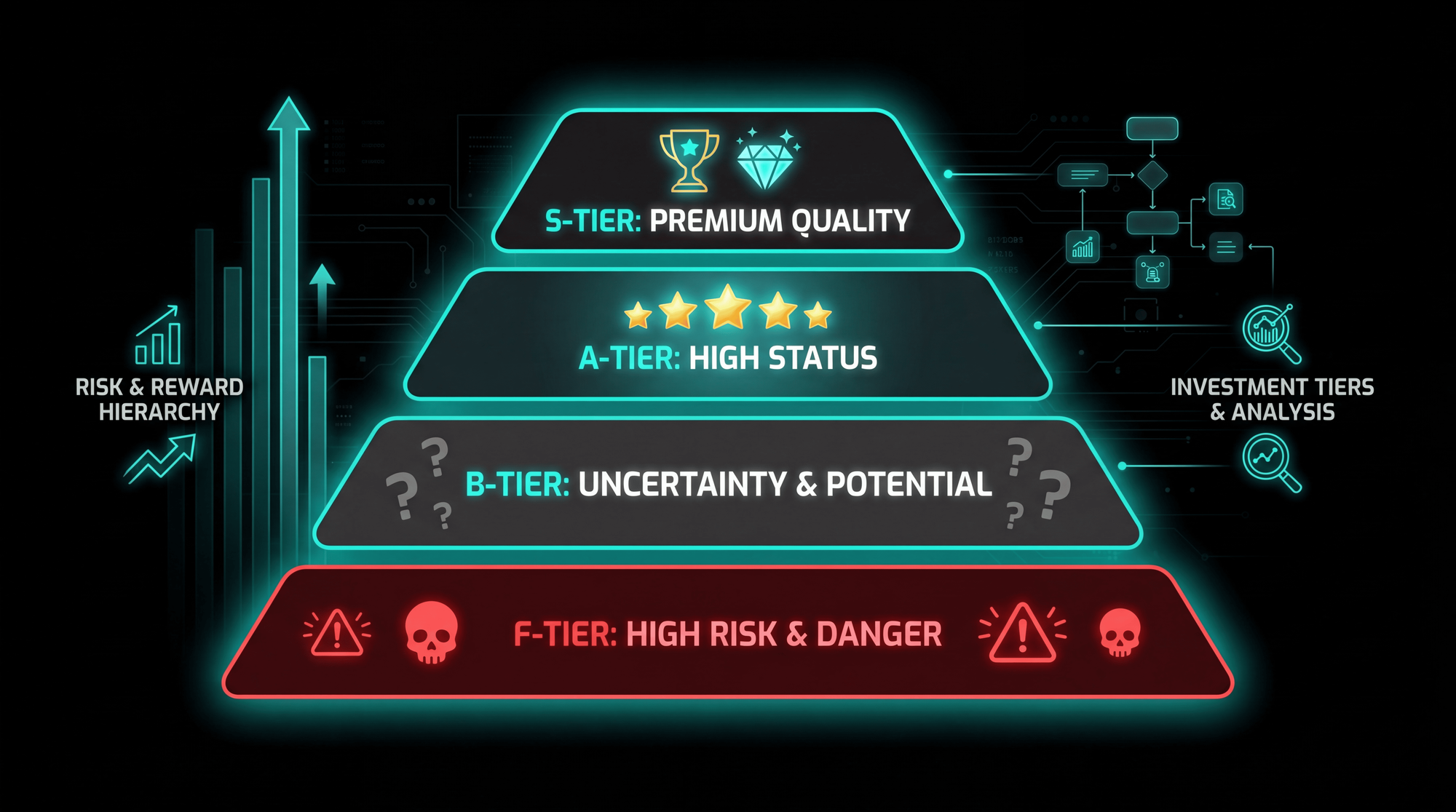
The Airdrop Tier List: Ranking Potential Value
Understanding how to categorize airdrop opportunities helps you allocate time and resources effectively. Here's how professionals evaluate potential airdrops:
Case Studies: Learning From the Greatest Airdrops in History
Analyzing successful airdrops reveals patterns you can use to identify the next big opportunity. Let's examine what made these distributions so valuable.
Hyperliquid (HYPE): The Largest Airdrop Ever
Hyperliquid's November 2024 airdrop rewrote the playbook for token distributions. The perpetual futures DEX distributed 31% of its total supply - 310 million HYPE tokens - directly to over 94,000 users who had actively used the platform.
What made Hyperliquid exceptional was its community-first approach. Unlike most projects, Hyperliquid had zero VC allocation, meaning no venture capitalists received preferential token access. The tokens launched at $2 and surged over 500% within weeks, with the total airdrop value reaching $7.5 billion.
📈 Hyperliquid Key Stats
Total Airdrop Value
$7.5+ Billion
Recipients
94,000+ Users
Supply Distributed
31% (310M tokens)
Price Performance
$2 → $40+ (2000%+)
Uniswap (UNI): The Gold Standard
In September 2020, Uniswap surprised the entire crypto industry by retroactively distributing 400 UNI tokens to every wallet that had ever interacted with the protocol. At launch, this was worth approximately $1,200. Those who held saw their allocation grow to over $16,800 at UNI's peak price of $42.
What made Uniswap an S-Tier project before the airdrop was announced? The protocol had backing from top-tier investors including Andreessen Horowitz (a16z), Paradigm, and Union Square Ventures. It processed billions in trading volume and had become the dominant decentralized exchange.
Arbitrum (ARB): Rewarding Real Users
Arbitrum's March 2023 airdrop distributed tokens based on a sophisticated points system that rewarded genuine network usage. Users received between 625 and over 10,000 ARB tokens based on factors like transaction count, bridge activity, and time spent on the network.
The project had raised $120 million from Paradigm and Lightspeed Venture Partners. Before the airdrop, Arbitrum had accumulated over $3 billion in Total Value Locked (TVL), making it the largest Ethereum Layer 2 by that metric.
🎯 Key Takeaways from S-Tier Airdrops
- Major VC backing signals legitimacy - a16z, Paradigm, and Sequoia don't invest in scams
- Working products with real TVL - all major airdrops came from protocols people actually used
- Transparent, known teams - founders were publicly identified and active in the community
- Genuine users rewarded most - tiered systems penalized sybil farmers and rewarded real activity
- Community-first tokenomics - Hyperliquid's zero VC allocation created massive demand
If you're new to understanding how blockchain tokens work, our guide on what is cryptocurrency provides essential background knowledge for evaluating these opportunities.

The Complete Red Flag Checklist: 10 Warning Signs of Scam Airdrops
Scammers have become increasingly sophisticated, but their tactics follow predictable patterns. According to Chainalysis, impersonation scams grew by 1,400% in 2025, with AI tools making fake airdrops more convincing than ever. Learning to recognize these warning signs can save you from devastating losses.
Instant Disqualifiers: If You See Any of These, It's a Scam
⚠ Critical Warning Signs (100% Scam)
Never proceed if you encounter any of these:
- Request for your seed phrase or private key
- Requirement to send crypto to "verify" or "activate" your airdrop
- Unsolicited DMs on Twitter, Discord, or Telegram claiming you've won
- Websites with misspelled domains or without HTTPS
- Smart contracts requesting unlimited token approvals
The 10 Red Flags Every Crypto User Must Know
Based on analysis of scams targeting projects like Hamster Kombat, Wall Street Pepe, and HEX, here are the definitive warning signs:
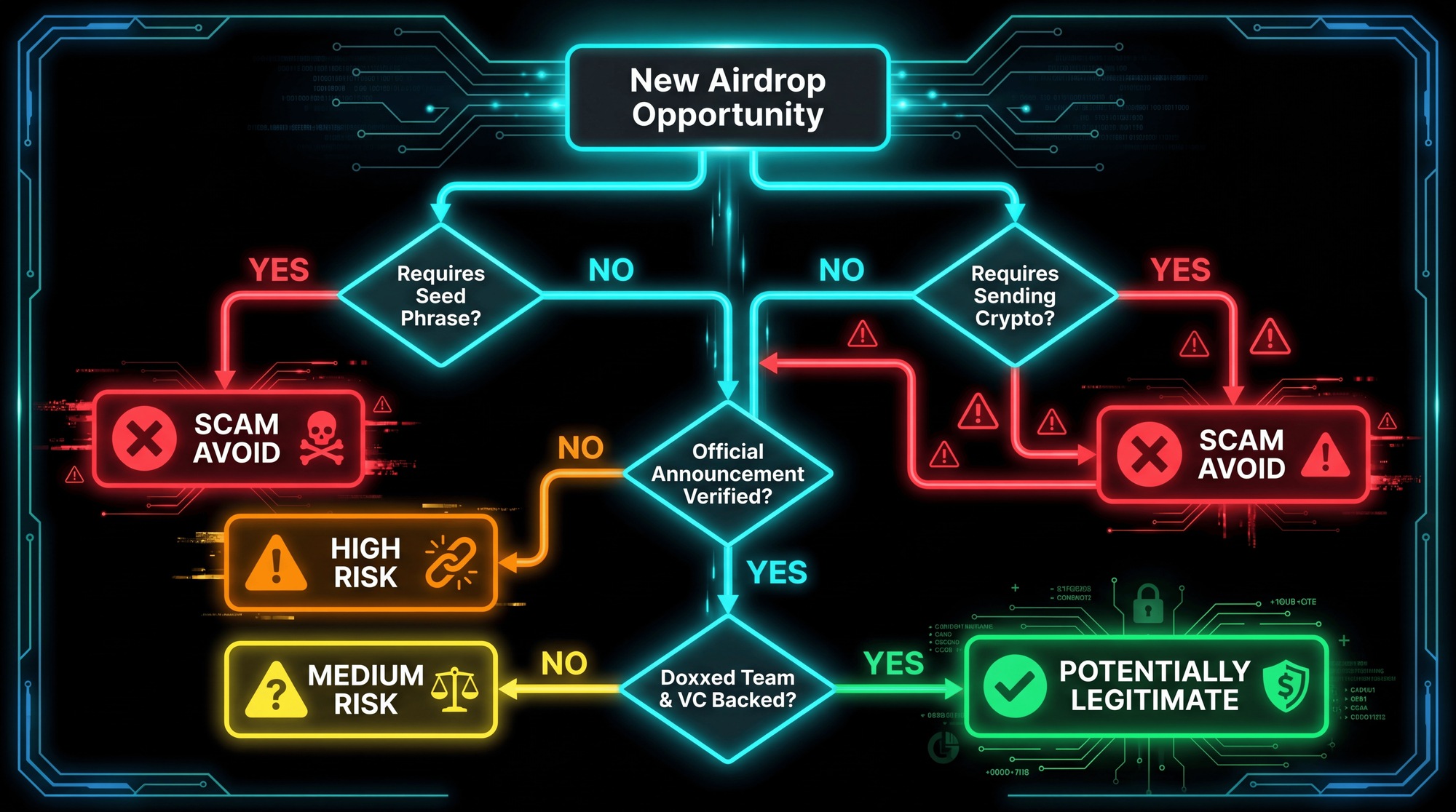
1. No Official Announcement - Legitimate airdrops are announced through verified project channels. If you can't find the airdrop on the official website, verified Twitter, or Discord, it's likely fake.
2. Request for Seed Phrase or Private Key - No legitimate project will ever need these. Sharing your seed phrase gives scammers complete control of your wallet.
3. Upfront Gas Fees or Payments - Real airdrops are free. Requests to "pay to claim" or "cover gas fees" are always scams.
4. Suspicious URLs or Clone Sites - Scammers use lookalike domains (using "rn" to look like "m", or adding extra words). Always verify URLs character by character.
5. Poor Grammar and Urgent Language - Phrases like "Claim NOW or lose forever!" and spelling errors indicate unprofessional scam operations.
6. Fake Social Proof - Bot comments saying "I just got 500 tokens!" are manufactured to create false trust.
7. Unknown or Nonexistent Project - No whitepaper, no roadmap, no verifiable team? No legitimate airdrop.
8. Token Approval Traps - Scam contracts request permissions to freely transfer your existing tokens. Always check what you're approving.
9. Redirects to Wallet Drainers - Drainer-as-a-Service tools like Inferno Drainer helped scammers steal over $80 million through fake claim pages.
10. Unrealistic Reward Promises - "Claim $10,000 instantly!" is bait. Genuine airdrops have reasonable, variable rewards based on activity.
The 4-Step Verification Protocol
When you hear about a potential airdrop, follow this systematic verification process:
Verify the Source
Check the project's official Twitter, Discord, and website. Is this airdrop actually announced by the team? Compare URLs character by character - scammers use lookalike domains.
Research the Project Fundamentals
Use DefiLlama to check TVL and growth trends. Search Crunchbase or RootData for funding information. Look up the team on LinkedIn.
Inspect Smart Contracts
Before connecting your wallet, verify the contract address on Etherscan or the relevant block explorer. Check if the code is verified and look for audit reports.
Use a Separate Wallet
When claiming any airdrop, use a dedicated wallet that doesn't hold your main assets. Use Revoke.cash to review any approvals before and after.
Understanding blockchain technology is crucial for spotting scams - if you need to brush up on the basics, check out our explainer on how blockchain works.
Common Airdrop Scam Types: Know Your Enemy
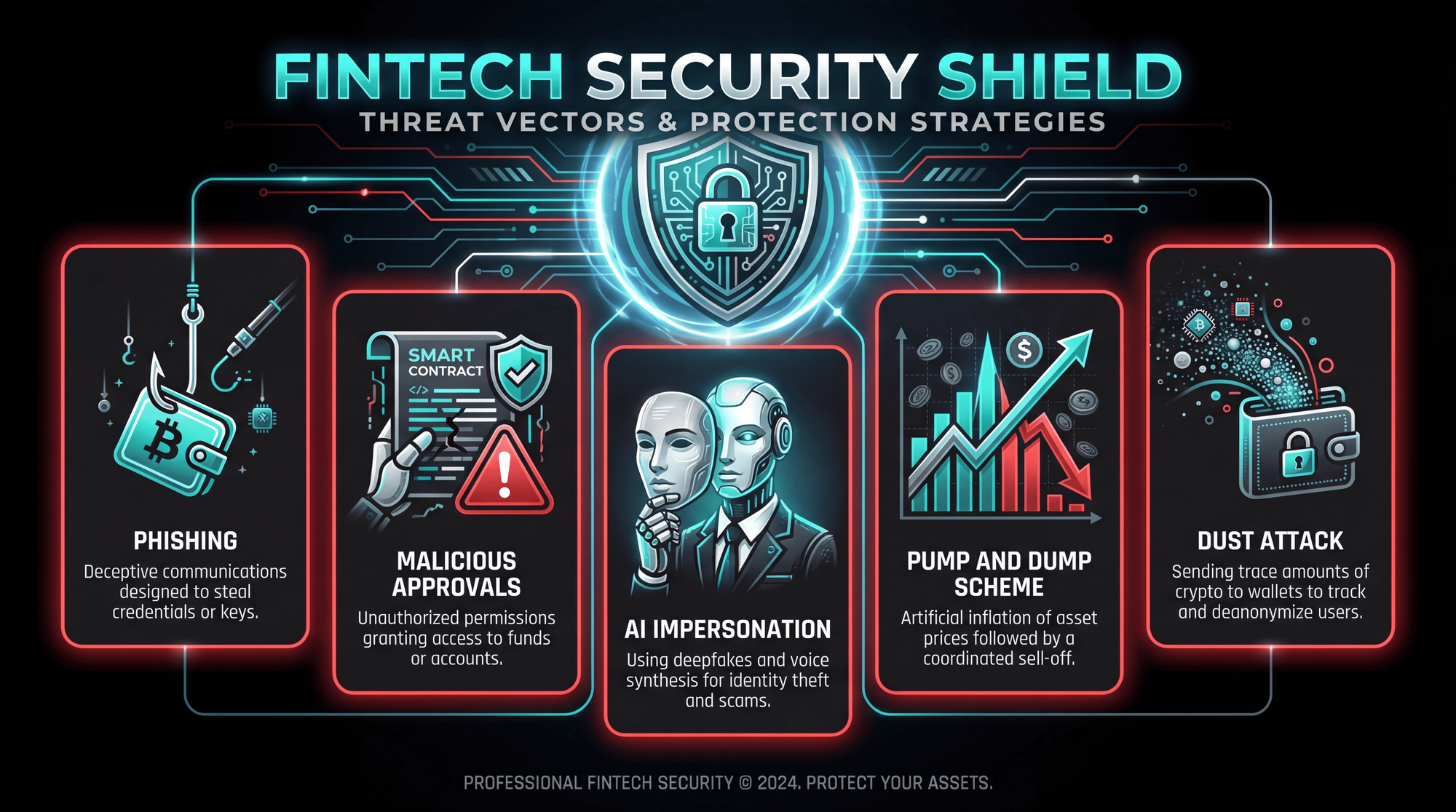
Understanding specific scam mechanisms helps you recognize them instantly. Chainalysis reports that AI-enabled scam operations now generate 4.5x more revenue than traditional scams, making awareness more critical than ever.
Phishing Attacks: The Most Common Threat
Phishing remains the primary method scammers use to steal crypto assets. After major legitimate airdrops like Arbitrum or Uniswap, scammers create thousands of fake "claim" sites designed to look identical to official pages.
These attacks typically arrive through social media DMs, fake email newsletters, or promoted tweets that impersonate official accounts. The fake sites often have domains that look correct at a glance - using tricks like replacing letters with similar-looking characters (using "rn" to look like "m") or adding extra words (arbitrum-airdrop-claim.com instead of arbitrum.foundation).
Malicious Smart Contract Approvals
When you connect your wallet to claim an airdrop, the site may request token approval permissions. Legitimate claims require specific, limited approvals. Scam contracts request unlimited approval for all your tokens, allowing them to drain your entire wallet.
Before approving any transaction, read what permissions you're granting. If a "claim" asks for approval to spend tokens you already own (especially unlimited amounts), close the page immediately.
AI-Powered Impersonation Scams (NEW in 2025)
The fastest-growing scam category in 2025 uses artificial intelligence to create convincing fake endorsements, deepfake videos, and highly personalized phishing messages. Scammers impersonate project founders, celebrities, or customer support representatives with unprecedented believability.
These AI-generated scams scale rapidly - some operations send up to 330,000 fraudulent messages per day. The sophistication makes traditional "looks legitimate" heuristics less reliable; verification through official channels is now essential.
Pump and Dump Schemes
Some scams are slower and more subtle. A project might distribute free tokens widely, creating artificial hype and trading volume. As more people buy in expecting gains, the team sells their holdings and disappears. The token becomes worthless.
Warning signs include aggressive marketing focused on price potential rather than utility, anonymous teams, no working product, and pressure to buy or hold.
Dusting Attacks and Wallet Tracking
Sometimes you'll receive small amounts of unknown tokens you never interacted with. This is often a "dust attack" - scammers send tiny amounts to thousands of wallets either to track transaction patterns or to lure you into interacting with malicious contracts.
The safe response is simple: ignore these tokens completely. Don't try to swap them, don't interact with any associated websites, and don't approve any transactions related to them.
For deeper understanding of wallet security practices, our guide on crypto wallets covers essential protection strategies.
Real Scam Examples: Learn From Others' Mistakes
🚨 Notable Scams 2024-2025
Hamster Kombat Scams: Kaspersky warned users about fake withdrawal pages stealing wallet credentials from this popular Telegram game.
Wall Street Pepe Clone: Fake website mimicked legitimate token, prompting users to connect wallets to malicious contracts that drained assets.
HEX Phishing: Fraudulent HEX airdrop pages activated crypto drainers when users connected wallets.
Vitalik Buterin X Hack: Scammers hacked Ethereum founder's account, promoted fake NFT airdrop, stealing $700K from victims.
Essential Tools for Airdrop Verification
Professional airdrop hunters rely on specific tools to verify opportunities and protect their assets. Building your verification toolkit is essential for operating safely in this space.
Primary Verification Tools
How to Use These Tools Effectively
DefiLlama - Before engaging with any project promising an airdrop, check their DefiLlama page. Legitimate projects typically have substantial TVL that grows organically over time. Sudden spikes followed by drops, or TVL that seems disconnected from actual usage, are warning signs.
Token Sniffer - Enter any token contract address to check for common scam patterns: honeypot mechanisms, hidden mints, or suspicious code. A low score indicates high risk.
Chainabuse - Search this database of 700,000+ scam reports from 330,000+ wallet addresses and 600,000 URLs. If a project or address appears here, avoid it.
Revoke.cash - After any wallet interaction, review what permissions you've granted. Revoke unnecessary approvals immediately. Make this a weekly habit.
Strategic Airdrop Hunting: Maximizing Legitimate Opportunities
With scam avoidance covered, let's discuss how to position yourself for legitimate high-value airdrops.
Quality Over Quantity
The most valuable airdrops reward genuine users, not farmers spreading activity across hundreds of wallets. Projects like Arbitrum implemented sophisticated sybil detection that penalized obvious farming behavior. Instead of trying to game systems, focus on deeply using a smaller number of protocols you believe have real potential.
Identify projects with strong fundamentals - VC backing, working products, growing TVL - and become a genuine power user. Execute diverse transaction types, provide liquidity where appropriate, participate in governance if available, and engage with the community.
The Time Investment Reality
Airdrop hunting requires significant time investment with uncertain returns. The Hyperliquid airdrop rewarded users who actively traded on the platform for over a year. Quick, superficial interactions rarely qualify for meaningful allocations.
Be realistic about opportunity cost. Time spent farming speculative airdrops could be invested in education, building skills, or other opportunities. Focus your airdrop efforts on projects you'd use anyway because they provide actual value.
Wallet Hygiene and Security
Maintain separate wallets for different purposes: a "hot" wallet for active trading and potential airdrop farming, a "cold" wallet for long-term holdings, and burner wallets for interacting with unverified contracts. This compartmentalization limits damage if any single wallet is compromised.
Never reuse seed phrases across wallets, and never store seed phrases digitally in plain text. Hardware wallets provide the strongest security for valuable assets. Learning about DeFi protocols and their risk profiles helps you make informed decisions about where to deploy capital.
🛡 Security Checklist
- Separate wallets - Hot wallet for farming, cold wallet for holdings
- Bookmark official sites - Never click links from DMs or emails
- Weekly approval audits - Use Revoke.cash to check permissions
- Verify before connecting - Check URLs character by character
- Enable 2FA everywhere - Especially on exchanges and email
Frequently Asked Questions
How do I know if an airdrop is legitimate?
Legitimate airdrops are announced through official project channels - verified Twitter accounts, official websites, and Discord servers linked from those sites. They never require your seed phrase, never ask you to send crypto first, and come from projects with verifiable teams, VC backing, and working products. Cross-reference any airdrop claim with multiple official sources before interacting.
What are the biggest red flags for airdrop scams?
The most critical red flags are requests for your seed phrase or private key (always a scam), requirements to send cryptocurrency to "verify" or "activate" (always a scam), and unsolicited direct messages about airdrops (nearly always scams). Additional warning signs include anonymous teams, no working product, excessive price promises, and pressure to act immediately.
How much can you realistically make from airdrops?
Returns vary dramatically. Major airdrops like Hyperliquid distributed over $7.5 billion total with average allocations of $20,000-$50,000. Uniswap recipients received $1,200-$16,800. However, many airdrops are worth little to nothing, and the time investment required to qualify is substantial. Treat airdrops as potential bonuses for using valuable protocols, not guaranteed income.
Should I use multiple wallets for airdrop farming?
Using multiple wallets purely to multiply airdrop rewards is known as sybil farming, and most major projects now actively detect and penalize this behavior. It's better to focus genuine activity on fewer wallets. However, using separate wallets for security purposes - keeping high-value assets separate from wallets you use for new protocol interactions - is a smart risk management practice.
What tools should I use to verify airdrops?
Essential tools include DefiLlama for checking protocol TVL and legitimacy, Token Sniffer for detecting scam tokens, Chainabuse for checking scam reports, RootData for verifying funding claims, block explorers like Etherscan for confirming contract addresses, and Revoke.cash for managing token approvals.
How do I protect myself when claiming an airdrop?
Use a dedicated wallet that doesn't contain your main holdings. Verify the claim website URL character by character against official announcements. Check what permissions you're granting before approving any transaction - never approve unlimited token spending. After claiming, review your approvals using Revoke.cash and revoke anything unnecessary.
Are all airdrops taxable?
In most jurisdictions, received airdrops are considered taxable income at their fair market value when received. Tax treatment varies by country, and you should consult with a tax professional familiar with cryptocurrency. Keep records of all airdrops received including dates, amounts, and values at time of receipt for accurate reporting.
What is a wallet drainer and how do I avoid them?
Wallet drainers are malicious smart contracts designed to steal all tokens from connected wallets. Tools like Inferno Drainer have stolen over $80 million through fake airdrop sites. Avoid them by never connecting to unverified websites, always checking what permissions you're granting, and using Token Sniffer or Chainabuse to verify contracts before interaction.
How are AI scams changing the airdrop landscape?
AI-enabled scams grew 1,400% in 2025, with scammers using AI to create convincing deepfake videos, personalized phishing messages, and fake customer support interactions. These scams generate 4.5x more revenue than traditional scams. Combat this by verifying all communications through official channels and never trusting video or voice alone.
What upcoming airdrops should I watch in 2026?
Hyperliquid has reserved 38.888% of its supply for future community rewards, suggesting more airdrops ahead. Other projects with rumored or confirmed future distributions include various Layer 2 solutions and DeFi protocols without tokens. Focus on projects with strong fundamentals rather than chasing speculative opportunities.
Conclusion: The Smart Approach to Airdrop Hunting
Airdrops represent genuine opportunities in the cryptocurrency ecosystem - when approached intelligently. With $17 billion lost to scams in 2025, the stakes have never been higher, but neither have the potential rewards from legitimate distributions like Hyperliquid's historic $7.5 billion airdrop.
The most successful airdrop recipients aren't those who chase every opportunity, but those who focus on high-quality projects, maintain rigorous security practices, and treat airdrops as bonuses rather than guaranteed income.
Remember the fundamentals: legitimate projects have transparent teams, verifiable VC backing, and working products with real users. They never need your seed phrase, never require upfront payments, and announce through official channels - not random DMs. By following the verification protocols and using the tools outlined in this guide, you can participate in this opportunity while avoiding the scams that trap the uninformed.
The next Hyperliquid is out there. Position yourself to capture that value by being a genuine user of promising protocols, maintaining excellent security hygiene, and staying skeptical of anything that seems too good to be true.
Ready to Start Your Crypto Journey Safely?
Trade major cryptocurrencies on a trusted platform with robust security and transparent pricing.
Start Trading on Zipmex →⚠ Disclaimer: The information provided in this article is not intended to provide investment or financial advice. Investment decisions should be based on the individual's financial needs, objectives, and risk profile. We encourage readers to understand the assets and risks before making any investment entirely. Cryptocurrency investments are subject to high market risk. Past performance does not guarantee future results. Airdrop participation involves risk of loss - never invest more than you can afford to lose.