With over $9.3 billion lost to cryptocurrency scams in 2024 alone, the question "is Ripple a scam?" has never been more important. Fake XRP giveaways featuring deepfake videos of Ripple CEO Brad Garlinghouse have stolen millions from unsuspecting investors. Here's the truth you need to know.
⚡ Quick Answer
Ripple (XRP) itself is NOT a scam - it's a legitimate cryptocurrency ranked #4-5 by market cap ($107+ billion) that won its SEC lawsuit in August 2025. However, Ripple giveaway scams are very real and have stolen over $5 million using deepfake videos and fake promotions. Any offer promising to "double your XRP" is 100% a scam.
The confusion is understandable. Type "Ripple giveaway" into any search engine, and you'll find a mix of legitimate news about XRP and warnings about elaborate scam operations. Meanwhile, scammers have become so sophisticated that they're using AI-generated deepfake videos of Brad Garlinghouse to trick even experienced crypto investors.
This guide separates fact from fiction. We'll examine what makes XRP legitimate, expose exactly how Ripple giveaway scams work, and give you the tools to protect yourself and your investments.
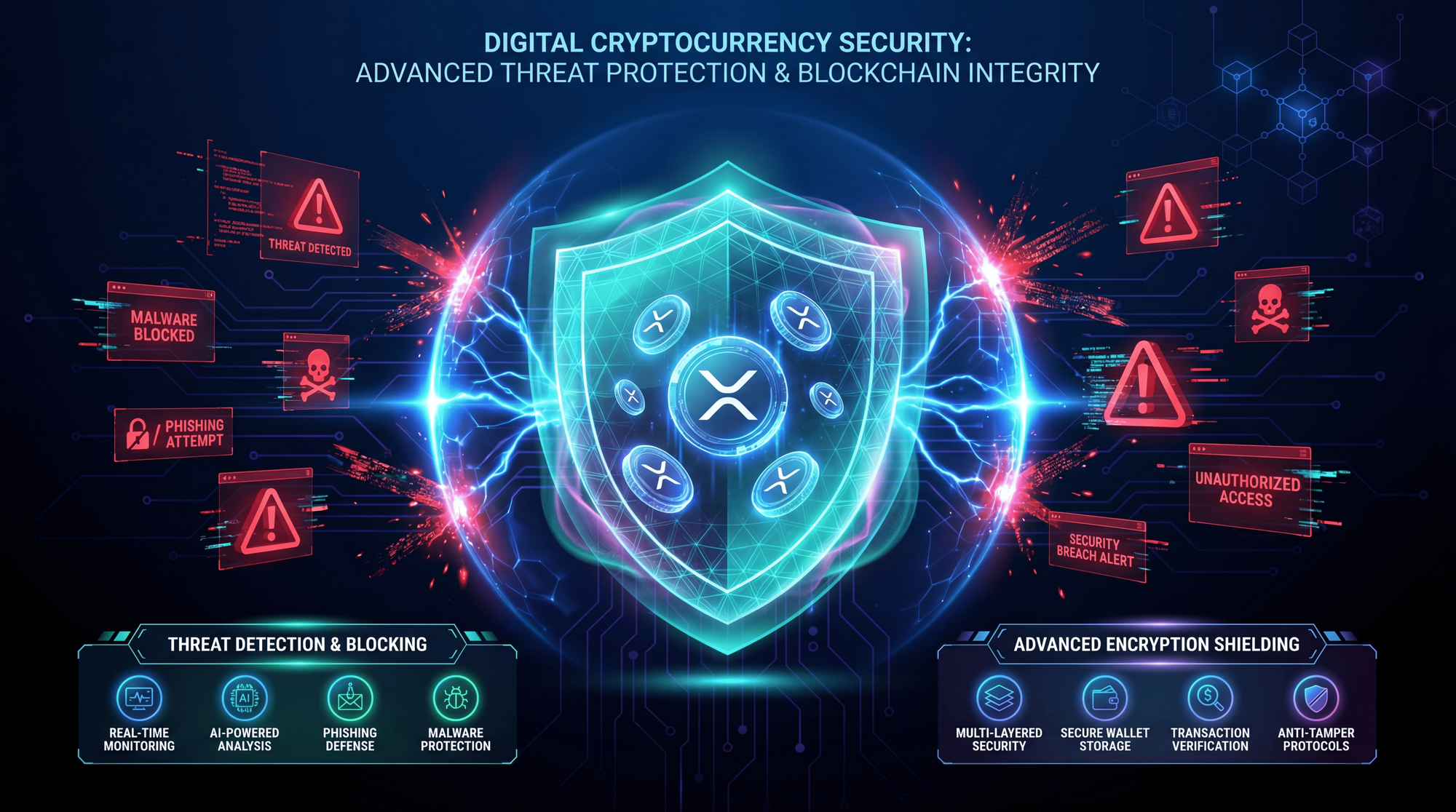
Is Ripple (XRP) a Legitimate Cryptocurrency?
Let's address the core question first: XRP is a legitimate cryptocurrency with a long track record. Launched in 2012 by co-founders Chris Larsen and Jed McCaleb, XRP has become one of the most established digital assets in the market.
🔢 XRP Market Data (January 2026)
Current Price
~$2.05 USD
Market Cap Rank
#4-5 Global
Market Cap
$107-115 Billion
All-Time High
$3.84 (Jan 2018)
According to CoinMarketCap, XRP consistently ranks among the top 5 cryptocurrencies globally by market capitalization, with over $107 billion in total value.
The SEC Lawsuit Resolution
For years, regulatory uncertainty clouded XRP's status. In December 2020, the U.S. Securities and Exchange Commission (SEC) filed a lawsuit against Ripple Labs, alleging the company raised over $1.3 billion through an unregistered securities offering.
The landmark ruling came in August 2025 when the case was finally settled. As CoinDesk reported, the key outcomes included a reduced penalty of $50 million (down from the initially proposed $125 million) and - most importantly - a judicial determination that XRP is NOT a security when sold on secondary markets like cryptocurrency exchanges.
This ruling provided the regulatory clarity that XRP investors had been waiting for. It also explains why XRP remains listed on major exchanges worldwide, unlike actual securities tokens that face strict trading restrictions.
What XRP Actually Does
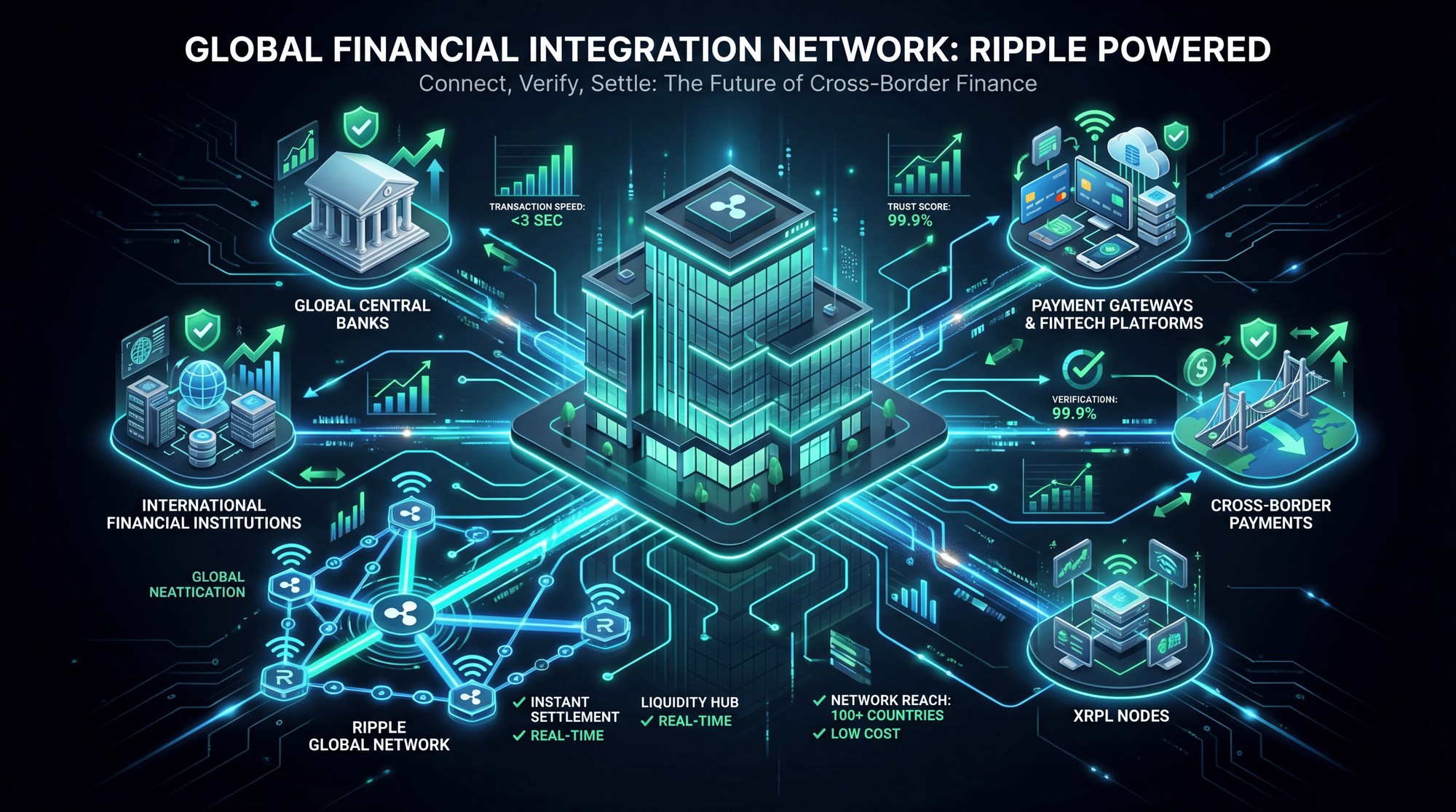
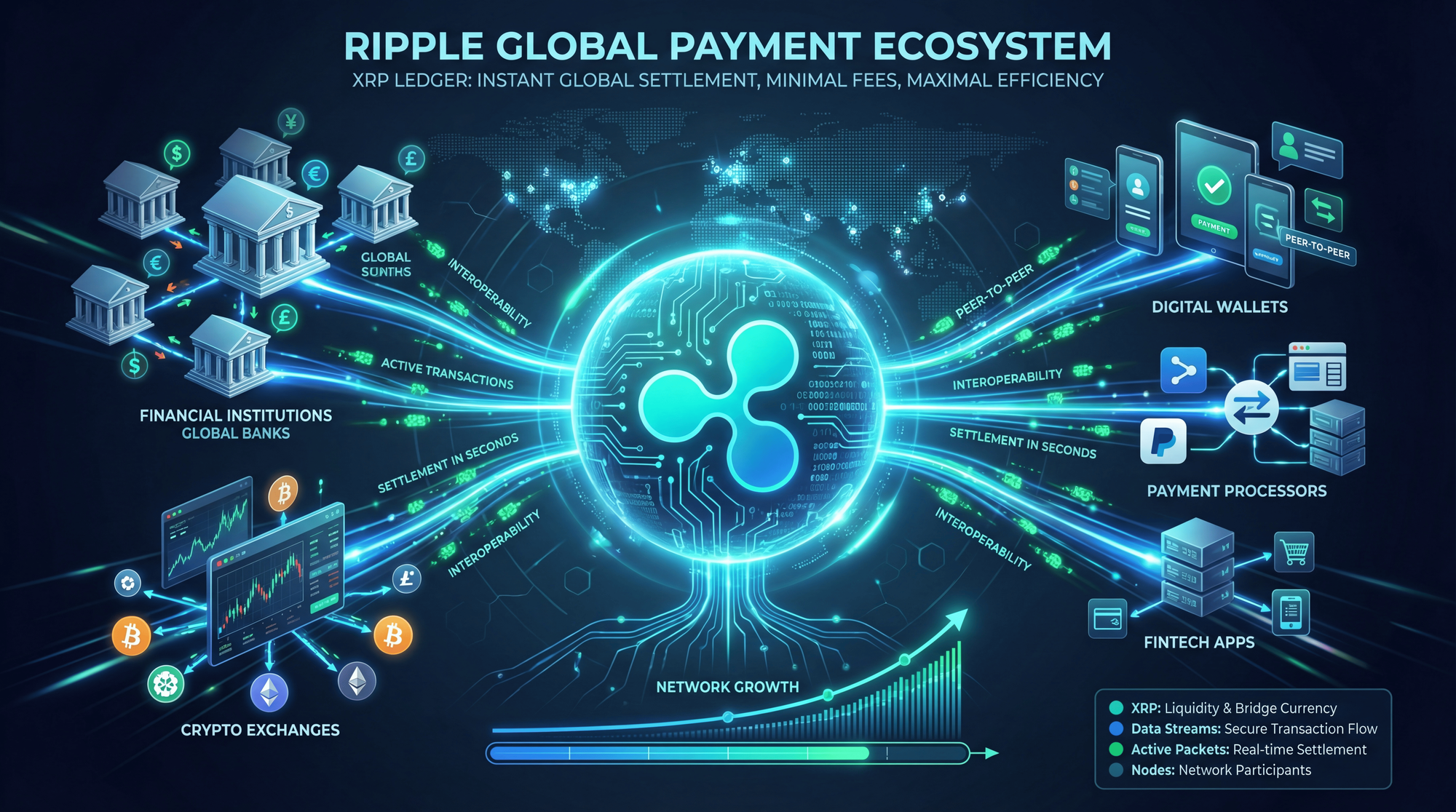
XRP serves as the native token for Ripple's cross-border payment network. Unlike Bitcoin, which was designed as peer-to-peer digital cash, XRP focuses on enabling fast, low-cost international money transfers for financial institutions.
RippleNet, the company's payment network, processes transactions in 3-5 seconds with minimal fees - significantly faster and cheaper than traditional SWIFT transfers that can take days. Major banks and financial institutions use Ripple's technology for international settlements.
For a deeper dive into XRP's price history and future potential, check out our comprehensive XRP price analysis.
How Ripple Giveaway Scams Actually Work
Now we get to the dangerous part. While XRP itself is legitimate, Ripple giveaway scams have become one of the most sophisticated fraud operations in crypto. Understanding exactly how these scams work is your best defense.
The Deepfake Epidemic
The most alarming trend involves AI-generated deepfake videos of Ripple CEO Brad Garlinghouse. These videos are so realistic that even experienced investors have been fooled. Scammers have stolen over $5 million through deepfake video campaigns between March 2024 and January 2025.
Here's how the scam typically unfolds:
Scammers Create Deepfake Videos
Using AI tools, fraudsters create realistic videos of Brad Garlinghouse announcing a "special XRP giveaway" or "community airdrop" to celebrate a milestone.
Mass Distribution on Social Media
Videos are posted on YouTube (often by hijacked accounts), Twitter/X, Facebook, and cryptocurrency forums. Some campaigns have millions of views before being taken down.
The "Double Your XRP" Promise
Victims are told to send XRP to a wallet address and they'll receive double the amount back. Send 1,000 XRP, get 2,000 XRP - sounds too good to be true because it is.
Money Disappears Forever
Once XRP is sent, it's gone. Cryptocurrency transactions are irreversible. Scammers immediately move funds through multiple wallets and mixers to obscure the trail.
⚠ Critical Warning
Ripple executives will NEVER ask you to send XRP. This is directly from Ripple's official fraud warning. Any request to send cryptocurrency to "verify" your wallet, participate in a giveaway, or receive bonus tokens is 100% a scam - no exceptions.
Other Common XRP Scam Variations
The deepfake giveaways are just one type. Here are other scam tactics targeting XRP investors:
Fake "Token Allocation Program" Emails: Phishing emails claiming you're eligible for a special XRP allocation. They direct you to fake Ripple websites that steal your wallet credentials.
YouTube Account Hijacking: Scammers compromise legitimate YouTube channels (sometimes with hundreds of thousands of subscribers), rename them to look like official Ripple accounts, then livestream fake giveaway videos.
Fake Exchanges and Wallet Drainers: Websites that look like real exchanges but are designed to steal your funds. Once you deposit, withdrawals are "frozen" pending impossible verification requirements.
Pump-and-Dump Schemes: Groups on Telegram or Discord coordinate buying obscure XRP-related tokens, hype them aggressively, then dump on retail buyers who joined late.
For a comprehensive guide on identifying all types of crypto scams, read our detailed article on how to spot a crypto scam with 15 red flags.
The Scale of Cryptocurrency Scams in 2024-2025
To understand why Ripple giveaway scams are so prevalent, consider the broader crypto fraud landscape:
📊 Crypto Scam Statistics
- $9.3 billion lost to cryptocurrency scams in 2024 - a 66% increase from 2023 (FBI IC3 Report)
- $14-17 billion estimated crypto fraud losses in 2025 (Chainalysis)
- $4.6 billion stolen through AI deepfake scams specifically in 2024
- 1,400% increase in impersonation scams year-over-year
According to Chainalysis blockchain research, impersonation scams - including fake celebrity and CEO giveaways - saw an unprecedented 1,400% year-over-year increase, with AI deepfake technology making these schemes far more convincing.
XRP is particularly attractive to scammers because of its large, engaged community. The coin has millions of holders worldwide who actively follow news and updates - making them prime targets for fake "announcements" that appear to come from Ripple officials.
Why Do People Fall for These Scams?
It's easy to dismiss scam victims as naive, but the reality is more nuanced. These operations exploit fundamental psychological vulnerabilities:
Authority Bias: Deepfake videos feature recognizable executives. When Brad Garlinghouse "personally" announces a giveaway, the perceived authority makes the offer seem credible.
Fear of Missing Out (FOMO): Scammers create artificial urgency with countdown timers and "limited spots." Victims rush to participate before thinking critically.
Social Proof: Fake comments, testimonials, and transaction screenshots create the illusion that others are successfully receiving giveaway rewards.
Greed Factor: The promise of free money - doubling your investment with zero effort - overrides rational skepticism.
How to Protect Yourself from Ripple Giveaway Scams
Protection starts with knowledge. Here are concrete steps to keep your XRP and other crypto assets safe:
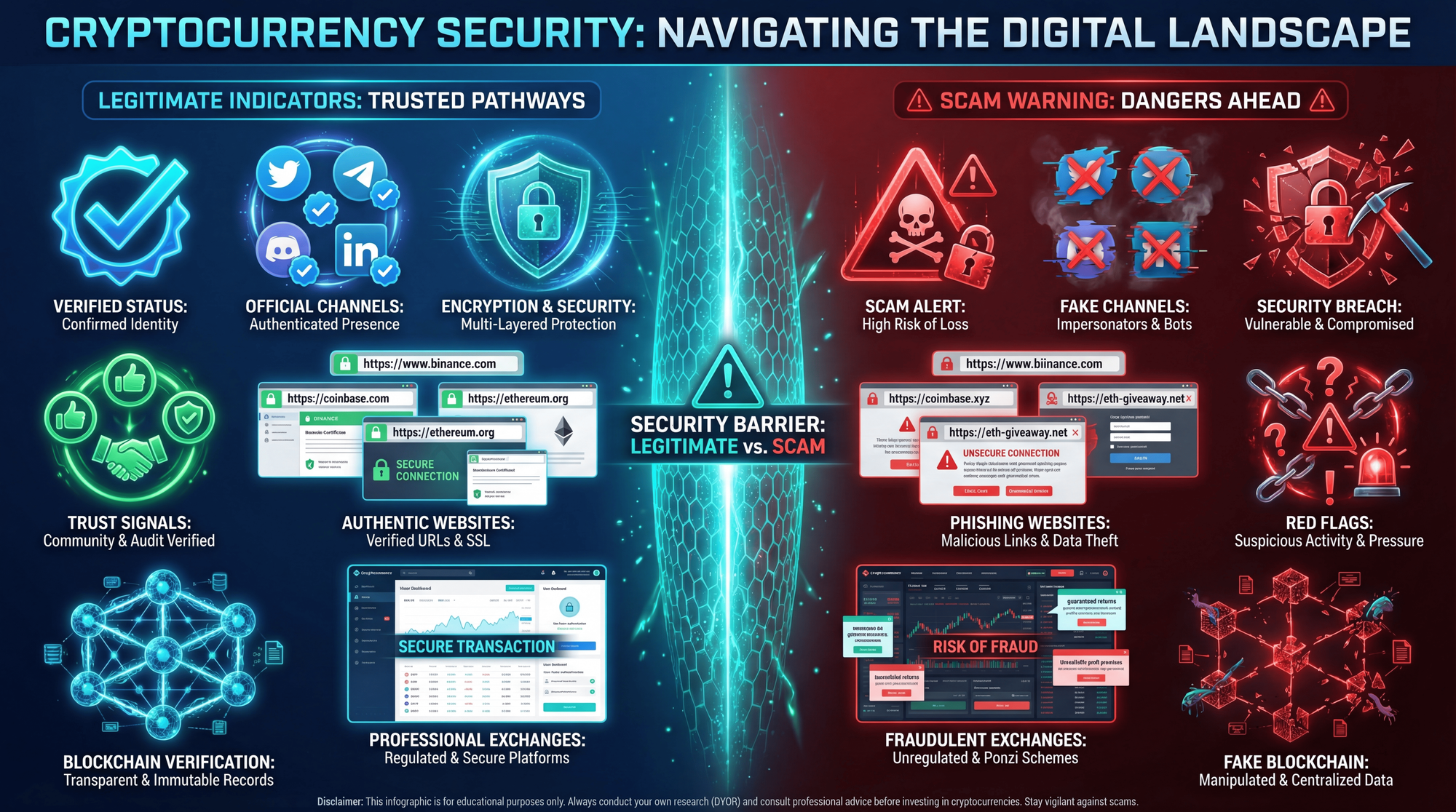
Red Flags That Instantly Identify Scams
"Send XRP to receive more XRP" - This is always a scam. No legitimate giveaway requires you to send cryptocurrency first.
Deepfake videos on unofficial channels - Ripple announces partnerships and updates through their official website, blog, and verified social media. Random YouTube livestreams are never official.
Urgent language and countdown timers - "Act now!" "Only 100 spots left!" "Offer ends in 2 hours!" - Scammers create fake urgency to prevent you from researching.
Misspelled URLs and lookalike domains - ripple-giveaway.com, rippie.com, xrp-airdrop.net - These are NOT official Ripple domains.
Requests for private keys or seed phrases - No legitimate service will ever ask for these. Your seed phrase grants full access to your wallet.
Unsolicited messages about "exclusive opportunities" - If you didn't sign up for it, it's spam at best and a scam at worst.
Verification Best Practices
Check official sources first: Ripple's official website is ripple.com. Their official Twitter is @Ripple. Verify any "announcement" against these channels.
Use blockchain explorers: If someone claims a giveaway wallet has sent rewards, check it on the XRP Ledger explorer. You'll quickly see that funds only flow in, never out.
Research before acting: Take 10 minutes to Google any offer. Add "scam" to your search. If others have been victimized, you'll find reports.
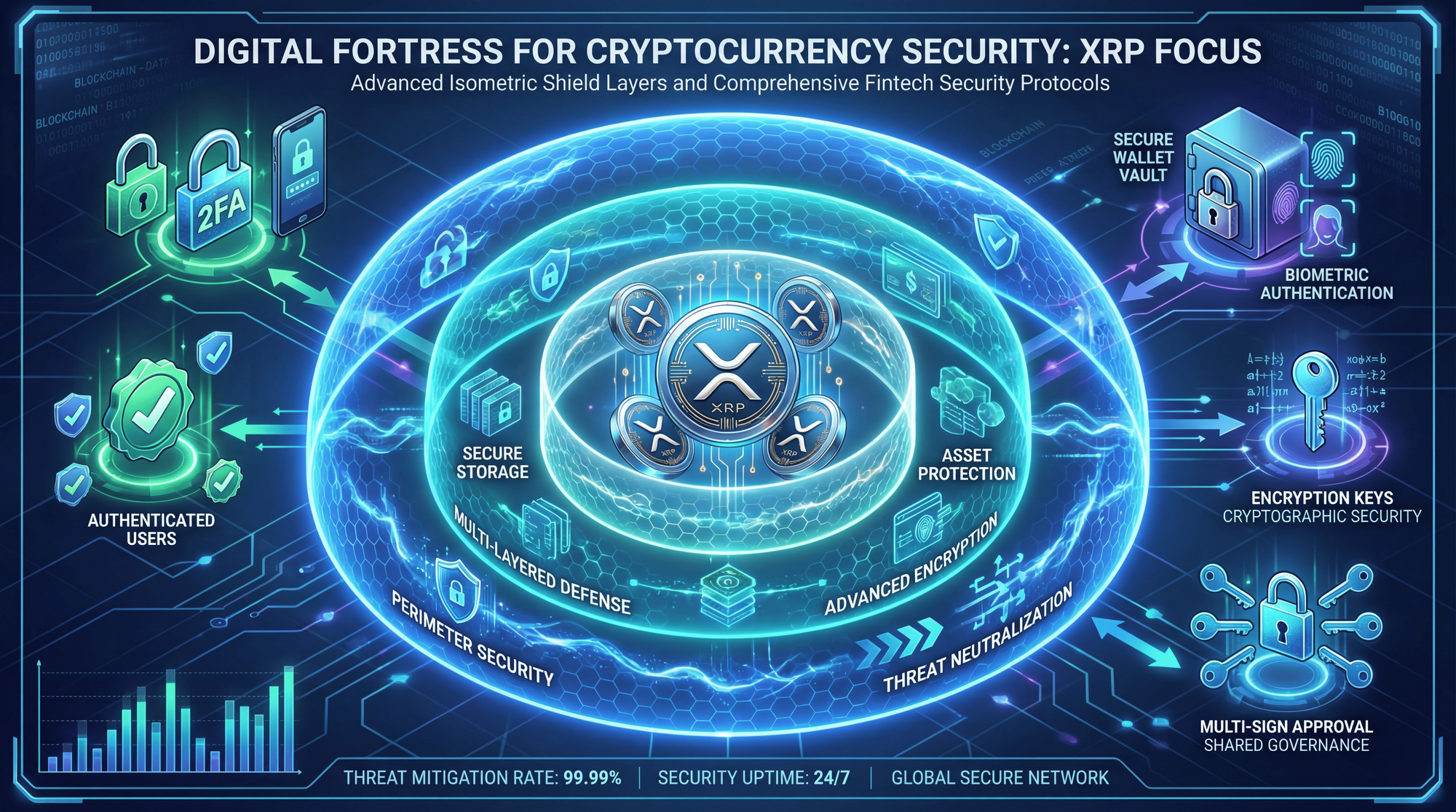
Enable 2FA everywhere: Two-factor authentication on exchanges and wallets adds an extra layer of protection against account takeovers.
Our guide on cryptocurrency predictions for 2026 can help you understand legitimate market analysis versus scam hype.
Ripple's Official Response to Scams
Ripple has taken aggressive action against the fraud epidemic targeting their community. Here's what the company is doing:
Active Countermeasures
Dedicated Cybersecurity Team: Ripple has contracted specialized cybersecurity vendors to identify and take down scam content. According to their reports, they've removed tens of thousands of malicious websites and fake social media accounts.
Tech Against Scams Coalition: In December 2025, Ripple joined the "Tech Against Scams" coalition alongside Meta, Coinbase, and other major tech companies. This initiative, dubbed "Scamberry Pie," coordinates industry-wide efforts to combat cryptocurrency fraud.
Official Scam Warnings: Ripple maintains a dedicated scam alert page on their website with constantly updated information about current fraud schemes.
"Ripple executives will never ask you to send XRP. These scams are becoming increasingly sophisticated with AI-generated content. Please stay vigilant and report suspicious activity."
- Ripple Official, Fraud Alert Statement
What to Do If You've Been Scammed
If you've fallen victim to a Ripple giveaway scam, act immediately:
Document everything: Save screenshots of the scam content, wallet addresses, transaction IDs, and any communication you received.
Report to authorities: File a report with the FBI's Internet Crime Complaint Center (IC3) at ic3.gov. Also report to the FTC and your local police.
Flag the scammer's wallet: Report the wallet address on blockchain explorers and to exchanges. While this rarely helps recover funds, it may prevent others from being victimized.
Avoid "recovery services": After being scammed, you'll likely be contacted by fake recovery services promising to get your money back. These are almost always secondary scams - victims have lost an additional $100,000+ to these fraudsters.
⚠ Important Reality Check
Cryptocurrency transactions are generally irreversible. While law enforcement has recovered funds in some high-profile cases (like the $225 million Secret Service seizure in 2025), most individual victims never recover their money. Prevention is infinitely more effective than recovery.
Bullish vs. Bearish: XRP Investment Considerations
Now that we've established XRP's legitimacy and exposed the scam ecosystem around it, let's examine the investment case - with balanced perspective:
📈 Bullish Factors
- SEC Case Resolution: Regulatory clarity after the August 2025 settlement removes a major overhang
- Institutional Adoption: RippleNet continues to onboard banks and financial institutions for cross-border payments
- Market Position: Top 5 cryptocurrency by market cap with strong liquidity and exchange support
- Technological Utility: Real-world use case for international remittances and settlements
📉 Bearish Factors
- Distance from ATH: Current price (~$2) remains well below the $3.84 all-time high from January 2018
- Competition: Stablecoins and CBDCs are increasingly used for cross-border payments
- Concentration Concerns: Significant portion of XRP supply held by Ripple Labs and founders
- Market Correlation: XRP tends to follow Bitcoin's price movements, limiting independent upside
For detailed XRP price projections and historical data, see CoinGecko's XRP page and our XRP price prediction analysis.
Frequently Asked Questions
Is Ripple XRP a legitimate cryptocurrency?
Yes, XRP is a legitimate cryptocurrency created in 2012. It's currently ranked #4-5 by market capitalization with over $107 billion in value. The SEC lawsuit against Ripple Labs was settled in August 2025, with the court ruling that XRP is not a security when sold on secondary markets. XRP trades on all major cryptocurrency exchanges worldwide.
Are Ripple giveaways real?
No, Ripple giveaways asking you to send XRP are never real. Ripple has explicitly stated that their executives will never ask anyone to send cryptocurrency. Any offer promising to "double your XRP" or provide free tokens in exchange for sending crypto first is 100% a scam. Over $5 million has been stolen through these fake giveaway schemes.
How do I know if an XRP giveaway is a scam?
Key scam indicators include: requests to send XRP to receive more back, deepfake videos of Brad Garlinghouse on unofficial channels, urgent language with countdown timers, misspelled URLs or unofficial domains, unsolicited messages about "exclusive opportunities," and requests for your private keys or seed phrases. Legitimate airdrops never require sending cryptocurrency first.
What should I do if I sent XRP to a scammer?
Document everything (screenshots, wallet addresses, transaction IDs), report to the FBI's Internet Crime Complaint Center (ic3.gov), file a report with the FTC, and flag the scammer's wallet on blockchain explorers. Avoid "recovery services" that promise to get your money back - these are almost always secondary scams. Unfortunately, cryptocurrency transactions are generally irreversible.
Is it safe to invest in XRP in 2026?
XRP itself is a legitimate investment option available on major exchanges. The regulatory uncertainty was resolved with the SEC settlement. However, like all cryptocurrencies, XRP carries significant market risk - its price can be highly volatile. Only invest what you can afford to lose, use reputable exchanges, secure your assets with proper wallet security, and be extremely vigilant about scams targeting XRP holders.
How can I verify if a Ripple announcement is real?
Check Ripple's official channels: their website (ripple.com), official Twitter (@Ripple), and their official blog. Any legitimate announcement will be posted on these verified platforms. Random YouTube livestreams, Telegram groups, or social media posts from unverified accounts are not official sources. When in doubt, wait 24 hours - fake announcements get exposed quickly.
Why do scammers target XRP specifically?
XRP has a large, engaged community of millions of holders worldwide who actively follow news and updates. This makes them prime targets for fake "announcements." Additionally, XRP's legitimate use case for cross-border payments and its significant market cap create an appearance of credibility that scammers exploit. The ongoing news cycle around the SEC lawsuit also provided ample material for fake "legal victory celebration" scams.
Conclusion: Stay Safe While Investing in XRP
The bottom line is clear: XRP is a legitimate cryptocurrency, but the scam ecosystem around it is very real and very dangerous.
🎯 Key Takeaways
- XRP is legitimate - ranked #4-5 by market cap, SEC lawsuit settled, trades on major exchanges
- Giveaway scams are fake - no legitimate promotion asks you to send crypto first
- Deepfakes are everywhere - AI can now create convincing fake videos of executives
- Verify through official channels - only trust ripple.com and @Ripple for announcements
- Prevention beats recovery - crypto transactions are irreversible, stay vigilant
The cryptocurrency space offers genuine opportunities, but it also attracts sophisticated criminals. By staying informed and maintaining healthy skepticism, you can participate in the XRP ecosystem without becoming a victim.
Always remember: if someone asks you to send cryptocurrency to receive more back, it's a scam - no exceptions.
Trade XRP Safely on Zipmex
Regulated exchange with advanced security features to protect your investments
Start Trading Now →⚠ Disclaimer: The information provided in this article is not intended to provide investment or financial advice. Investment decisions should be based on the individual's financial needs, objectives, and risk profile. We encourage readers to understand the assets and risks before making any investment entirely. Cryptocurrency investments are subject to high market risk. Past performance does not guarantee future results.