The NFT coin sector has evolved from a speculative frenzy into a foundational layer of the Web3 economy, with the total market capitalization currently exceeding $6.5 billion and quarterly trading volume consistently running between $3 billion and $8 billion. As an on-chain analyst and active derivatives trader, I've watched this market mature. The most critical mistake beginners make is confusing non-fungible tokens (the unique digital assets themselves) with NFT coins-the fungible cryptocurrencies that actually power these ecosystems.
This complete guide breaks down exactly what NFT coins are, the top tokens dominating the 2026 landscape, how to evaluate them using on-chain metrics, and the definitive red flags that separate legitimate infrastructure from impending rug pulls.
⚡ Key Takeaways
- What they are: NFT coins are fungible, interchangeable cryptocurrencies used to pay for transactions, minting, and governance within NFT ecosystems.
- The difference: While an NFT is a unique asset (like a digital deed), an NFT coin is the currency used to interact with it (like the dollars used to buy the deed).
- Top coins to know: Ethereum (ETH), Solana (SOL), and Render (RNDR) lead the infrastructure layer, while ApeCoin (APE) and The Sandbox (SAND) dominate metaverse economies.
- How to invest: You can purchase these digital assets through major cryptocurrency exchanges and store them securely in self-custodial digital wallets like MetaMask.
- Key risks: The sector is highly volatile and susceptible to wash trading, smart contract bugs, and anonymous team rug pulls.
What Are NFT Coins? Definition, Types, and How They Work
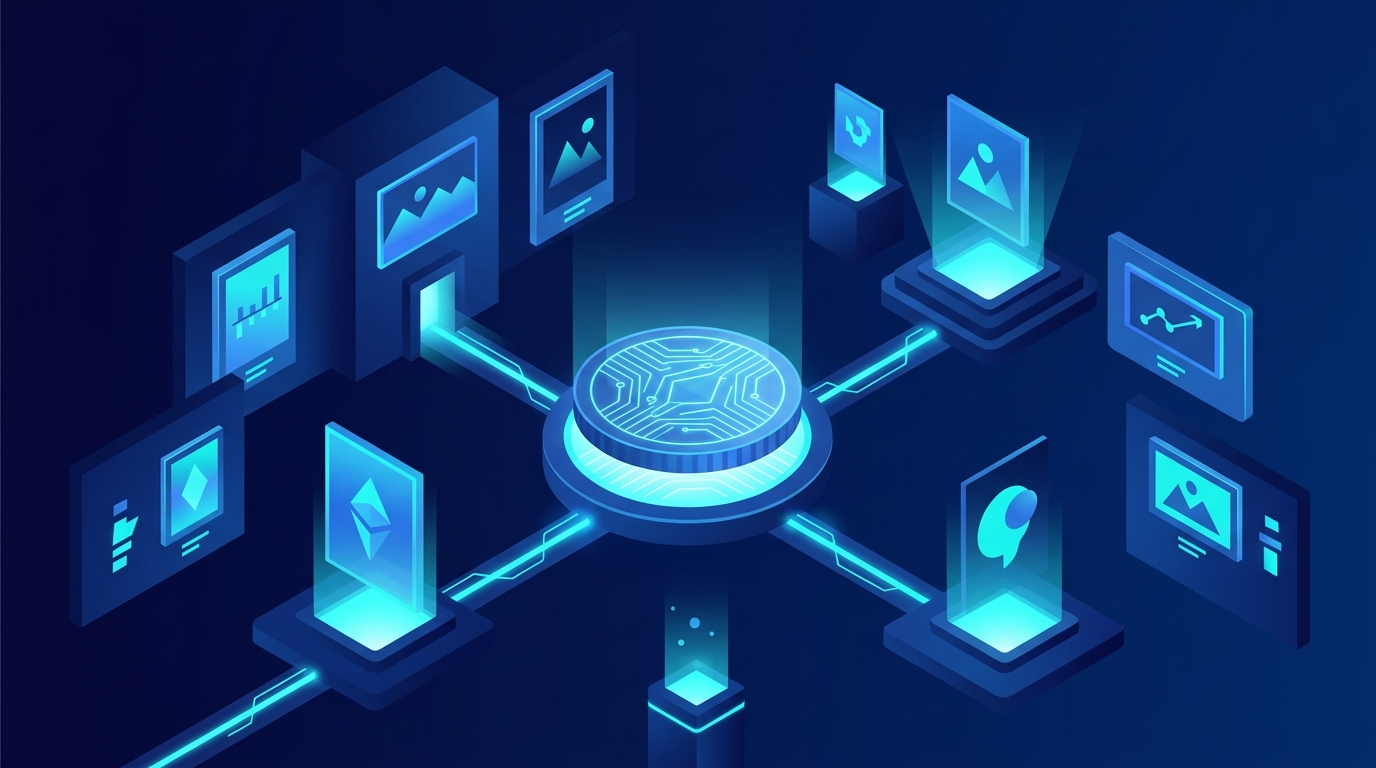
To understand this asset class, we must first establish a rigid definition: NFT coins are the fungible native cryptocurrencies that power NFT ecosystems. They pay for gas fees, facilitate minting, secure the network via staking, and provide governance rights to holders.
Crucially, they are entirely distinct from NFTs themselves. A non-fungible token is unique and cannot be interchanged on a one-to-one basis. NFT coins, however, are perfectly interchangeable. If I send you one ERC-20 token, it holds the exact same value and utility as the one you send back to me. Historically, the concept traces its roots back to the 2013 whitepaper on Colored Coins by Yoni Assia, which first proposed attaching metadata to specific Bitcoin fractions to represent real-world assets.
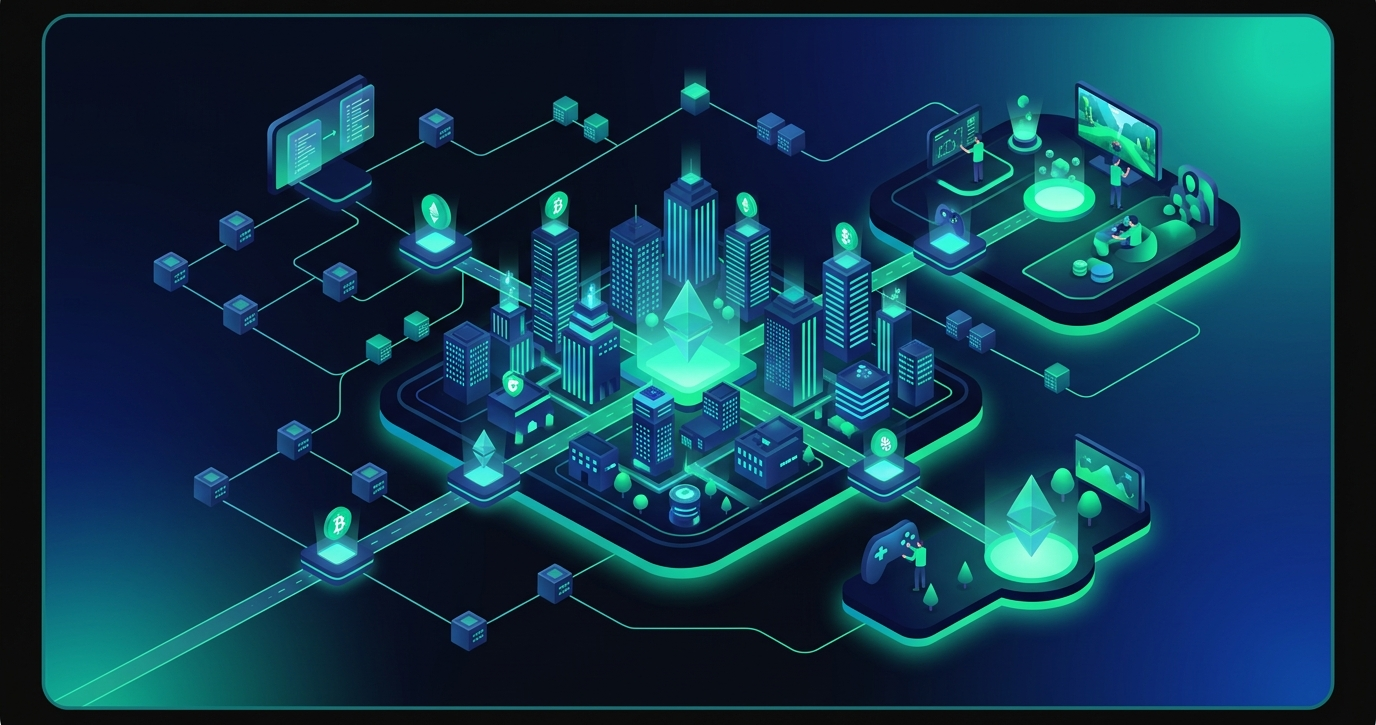
Today, the vast majority of NFT coins are built as ERC-20 tokens on the Ethereum blockchain, though substantial liquidity now exists on Solana, Flow, Polygon, Tezos, and BNB Chain. Across all these networks, smart contracts serve as the underlying autonomous engines that dictate how the coins interact with the non-fungible assets.
How NFT Coins Work: Gas Fees, Minting, and Governance
The fundamental value of any NFT coin derives from its utility. Without these tokens, decentralized ecosystems simply cannot function.
- Paying Gas Fees: Every time a smart contract executes-whether transferring an asset or updating a ledger-the network requires computational fuel. Ethereum natively requires ETH for this, though chains like Solana (SOL) and Polygon offer significantly lower-cost alternatives for high-frequency trading.
- Minting Assets: Creating a new non-fungible token on the blockchain (minting) requires a base currency payment.
- Staking for Yield: Many ecosystems allow users to lock up their NFT coins in smart contracts to generate passive rewards and secure the network infrastructure.
- Governance Voting: Decentralized protocols issue governance tokens to give their communities direct voting power over treasury allocations, fee adjustments, and future development.
NFT Coins vs. NFTs: Key Differences Explained
The most important distinction to understand is fungibility. Think of it like a traditional arcade: the tokens you buy at the front desk are fungible. Any token works in any machine. The actual prize you win-a specific stuffed animal with a serial number-is non-fungible.
In Web3, MANA is a fungible NFT coin; you can trade my 100 MANA for your 100 MANA. A parcel of Decentraland virtual land, however, is an NFT. It possesses specific coordinates, unique aesthetics, and trades based on individual market demand rather than a uniform price feed. NFT coins trade on high-volume crypto exchanges, while the non-fungible assets trade on dedicated marketplaces.
Top NFT Coins in 2026: The Complete List
Not all NFT coins serve the same purpose-some power multi-billion dollar metaverse economies, others drive high-throughput gaming ecosystems, and some provide the raw rendering power for creative platforms. After analyzing on-chain transaction velocity and liquidity depth, I've categorized the top NFT coins in 2026 based on their verifiable utility.
Layer-1 NFT Coins: ETH, SOL, and Flow
Ethereum (ETH) remains the foundational anchor of the digital asset space. Because the vast majority of high-value collections utilize the ERC-721 standard, ETH is required to process the smart contracts governing their transfer. It commands the deepest liquidity and the highest institutional trust.
Solana (SOL), however, has captured immense market share by offering a structural advantage: radically lower gas fees and sub-second finality. As high-frequency trading and consumer-facing applications demand better UX, SOL has become the network of choice for scalable projects.
Flow (FLOW) took a different architectural approach. Built specifically to handle the throughput requirements of blockchain games and massive consumer applications, it utilizes a multi-role Proof-of-Stake consensus. Its flagship use case, NBA Top Shot, proved that blockchain infrastructure could handle mainstream volume without paralyzing network congestion.
Metaverse NFT Coins: MANA, SAND, and APE
Metaverse coins represent the monetary base of virtual worlds. Decentraland's native asset, MANA, allows users to buy and sell virtual land, digital wearables, and vote on protocol governance. Despite pulling back from previous speculative peaks, the ecosystem is actively developed and continues to attract major brands like Sotheby's, Nike, and Coca-Cola seeking a virtual presence.
The Sandbox utilizes SAND as an ERC-20 utility token to power its voxel-based game creation ecosystem. Holders can stake the token for yield or use it to purchase internal ASSETs and LAND.
ApeCoin (APE), launched by Yuga Labs in 2022, serves as the primary currency for the Bored Ape Yacht Club ecosystem and the Otherside metaverse. The massive $320 million virtual land sale executed in APE demonstrated the sheer capital efficiency possible when a dedicated community utilizes a native asset.
- MANA: Decentraland | Ethereum | Virtual Land & Governance | Notable Partners: Samsung, Nike
- SAND: The Sandbox | Ethereum | Play-to-Earn & Staking | Notable Partners: Adidas, Snoop Dogg
- APE: Otherside | Ethereum | BAYC Ecosystem Utility | Notable Partners: Eminem, Justin Bieber
Gaming and Infrastructure NFT Coins: AXS, MATIC, RNDR, XTZ
Often overlooked by beginner guides, Render (RNDR) currently stands as one of the largest NFT-sector coins by market cap. It powers a distributed GPU rendering network, allowing 3D artists and AI developers to crowdsource computing power.
Polygon (MATIC/POL) serves as a critical Layer-2 scaling solution, fundamentally reducing Ethereum gas fees by up to 99%. Because it natively integrates with dominant marketplaces like OpenSea, it is the premier choice for high-volume traders.
Axie Infinity's AXS acts as the governance and staking token for the industry's most recognized play-to-earn game, directly tying token demand to game participation. Tezos (XTZ), meanwhile, carved out a highly specific niche among digital artists prioritizing ESG compliance, offering an eco-friendly Proof-of-Stake environment for low-cost minting.
How to Buy NFT Coins: Step-by-Step Guide for Beginners
Entering the market requires establishing a secure, self-custodial pipeline. If you don't control your private keys, you don't truly own your digital assets.
- Choose a Cryptocurrency Exchange: Start with a heavily liquid centralized exchange (CEX) with deep fiat ramps, such as Coinbase, Kraken, or Binance.
- Fund Your Account: Transfer fiat currency (USD, EUR) into the exchange via bank transfer or card.
- Set Up a Digital Wallet: Download a self-custodial Web3 wallet. MetaMask is the industry standard for Ethereum and EVM-compatible networks, while Phantom is the necessary choice for the Solana ecosystem.
- Security Note: Your private key is your password-never share it, and store the seed phrase offline.
- Purchase and Transfer: Buy your chosen NFT coins on the exchange, then withdraw them directly to your digital wallet address.
- Cost Note: Gas fees can spike during high-demand periods-consider timing larger withdrawals during off-peak network hours.
- Connect to a Marketplace: Navigate to a decentralized marketplace like OpenSea or Magic Eden and connect your wallet to begin trading.
Once you've acquired the capital pipeline, the next step is knowing how to evaluate which projects actually deserve that capital.
How to Evaluate NFT Coins: What to Look for Before Investing
Most NFT coin guides simply tell you what to buy-this section tells you how to think about any protocol before you invest. In my experience analyzing on-chain dynamics, a project's long-term survival correlates directly with its transparent tokenomics and verifiable liquidity.
Before committing capital, I require projects to pass the following structural checks: token supply mechanics (inflation vs. burn schedules), verified ecosystem volume, and rigorous smart contract auditing. Always verify that the project's smart contracts have been audited by a major firm (like CertiK) to prevent devastating exploits. Furthermore, community strength is often undervalued; a thriving Discord and active on-chain governance sustains project development far longer than pure speculative hype.
Key Metrics: Market Cap, Volume, and Liquidity
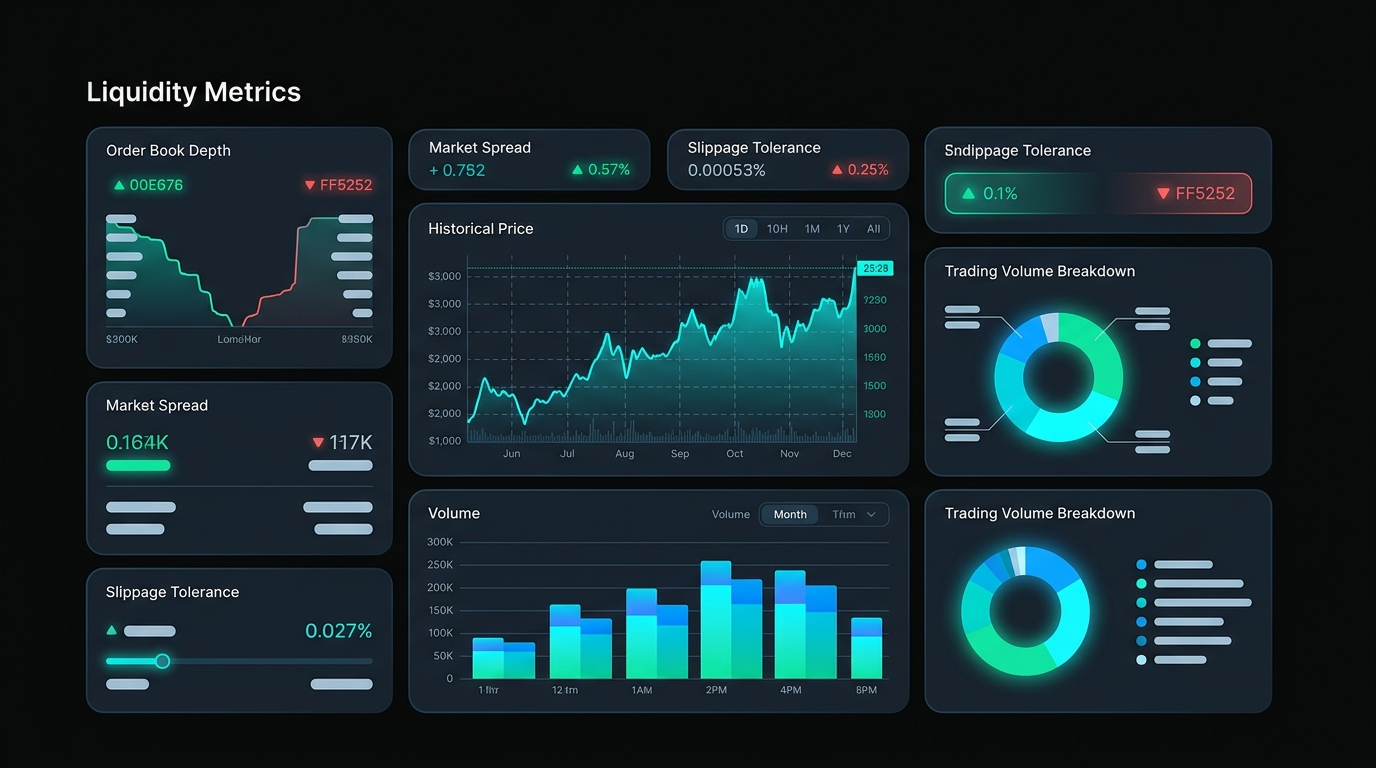
Evaluating price in a vacuum is useless. Instead, investors must track the triangulation of market capitalization, 24-hour trading volume, and relative liquidity.
Market cap represents the total value of all coins currently in circulation. Trading volume acts like foot traffic in a store-high volume means real buyers are executing transactions, not just window shopping. However, wash trading-the illegal practice where entities simultaneously buy and sell the same asset to create artificially inflated volume-is the number one misleading metric for beginners. You must use reliable data aggregators like CoinGecko, CoinMarketCap, and DappRadar to filter out this noise and view true on-chain activity.
Free vs. Paid vs. AI-Based NFT Coin Research Tools
You don't need to pay to get started-but as your portfolio grows, on-chain analytics tools pay for themselves. To navigate the current market, you need accurate data.
Free tools provide broad market summaries. Premium platforms offer true on-chain analysis, which is the gold standard for serious investors looking to track "smart money" wallet movements and liquidity flows. Emerging AI analytics platforms are now beginning to combine these datasets, simultaneously scanning social sentiment and on-chain trading patterns to flag momentum shifts.
NFT Coin Red Flags and Scam Warnings
Here is what experienced investors know that beginners often learn the hard way: this industry is ruthless toward poorly structured capital. The lack of central authority means you alone are responsible for your risk management.
If a project exhibits any of the following traits, I immediately invalidate it from my trading models.
⚠ 6 NFT Coin Red Flags to Watch For
- Rug Pulls → The development team remains entirely anonymous and holds the majority of the token supply without a verified lock-up period.
- Wash Trading → Exchange volume shows massive, steady spikes, but the actual blockchain explorer shows very few unique wallet addresses interacting.
- Smart Contract Bugs → The protocol launched without a public code audit, leaving deliberate backdoors for developers to drain liquidity.
- IP Disputes → The project utilizes recognizable branding or art without explicit legal rights, risking immediate shutdown.
- Regulatory Risk → The token is heavily marketed with promises of passive returns, drawing SEC scrutiny as a possible unregistered security.
- Pump-and-Dump Schemes → The asset relies entirely on paid celebrity endorsements rather than actual technical utility.
How to Spot a Rug Pull Before It Happens
A "rug pull" occurs when developers aggressively market a token to attract liquidity, only to abruptly drain the liquidity pools and abandon the project, dropping the coin's value to zero.
You can detect these mathematically. The loudest warning signs include a completely anonymous team, social media accounts created mere weeks before launch, and promises of unrealistic APY. More technically, if the smart contract has no audit from a respected firm, and the team's token allocation is not locked in a verifiable time-release smart contract, you are providing exit liquidity. Before investing, run the contract address through a blockchain scanner.
If in doubt, stay out-the NFT space offers enough legitimate opportunities without taking unnecessary risks. Understanding the risks doesn't mean avoiding NFT coins-it means approaching them with a disciplined strategy.
NFT Coin Investment Strategies: How to Maximize Your Returns
Buying NFT coins is the first step-building a strategy around them is what separates investors from speculators. Because we are dealing with high-beta, highly volatile assets, your primary focus should be capital preservation.
The baseline strategy I recommend is Dollar-Cost Averaging (DCA). Because NFT coins can experience 50% drawdowns in bear cycles, systematically buying a set fiat amount on a schedule removes the emotional anxiety of attempting to time the exact bottom. Secondly, portfolio diversification is critical. Do not hold five different metaverse tokens; diversify across Layer-1 infrastructure, gaming governance, and decentralized rendering. Finally, understand market cycles: historically, NFT activity and coin valuations peak aggressively during broader crypto bull markets and face steep contractions during bearish macroeconomic conditions.
Regardless of strategy, risk management is the common thread-never invest more than you can afford to lose.
Alternatives to NFT Coins: Other Ways to Get Exposure
If the sheer volatility of on-chain trading contradicts your risk profile, there are traditional and adjacent pathways to capture the upside of this technology without holding the native cryptocurrencies.
- NFT Stocks: You can invest in publicly traded companies building the hardware and software for these ecosystems, such as gaming publishers or GPU manufacturers.
- Metaverse ETFs: Exchange-Traded Funds offer a regulated basket of equities exposed to the Web3 space, severely dampening volatility compared to holding pure crypto assets.
- Direct NFT Marketplaces: For investors looking for absolute digital scarcity, you can bypass the fungible coins and buy the non-fungible art, land, or collectibles directly on platforms like OpenSea or Blur.
- Emerging Tech (Ordinals & RWAs): Going back to the history of Colored Coins, Bitcoin Ordinals now allow direct inscription of digital assets on the Bitcoin base layer. Meanwhile, Real-World Asset (RWA) tokenization-putting property deeds, bonds, and institutional liquidity on-chain-represents the ultimate maturation of NFT technology.
Whichever path you choose, the fundamentals covered in this guide apply.
Conclusion: Are NFT Coins Worth Investing in 2026?
As outlined at the start, the NFT coin sector is no longer an experimental fringe of crypto-it is a $6.5 billion utility layer facilitating everything from decentralized rendering to provable ownership. However, the days of throwing capital at any token with "metaverse" in the whitepaper are permanently over. The projects that will survive the next bear market are those with real utility, active communities, and transparent, audited infrastructure.
For beginners, the safest route remains accumulating foundational Layer-1 infrastructure like ETH and SOL. Intermediate investors should look toward specific utility plays like RNDR and AXS using a disciplined Dollar-Cost Averaging strategy. Advanced traders will rely heavily on on-chain analytics and technical indicators to exploit market cycles. And for those seeking true decentralized engagement, platforms built on self-custody and verifiable on-chain mechanics reflect where the industry trajectory is heading: toward trustless transparency over claimed performance.
Crypto trading involves substantial risk of loss. The use of leveraged trading or high-volatility digital assets is not suitable for all investors. Ensure you are comfortable with self-custodial security before participating.
Last updated: March 2026.
For quick answers to the most common questions about NFT coins, see the FAQ below.
Frequently Asked Questions
What are NFT coins?
NFT coins are fungible, interchangeable cryptocurrencies that function as the native currency for decentralized NFT ecosystems. Unlike a piece of digital art or virtual land, which are completely unique, one NFT coin is mathematically identical to another. In 2026, these coins hold billions in market capitalization because they are required to pay network gas fees, execute smart contracts, mint new assets, and allow holders to vote on community governance proposals.
What is the difference between NFT coins and NFTs?
The core difference lies entirely in the concept of fungibility. NFTs (Non-Fungible Tokens) are entirely unique digital assets-like a specific property deed, a piece of artwork, or an in-game weapon with distinct statistics. You cannot perfectly swap one for another. NFT coins, conversely, are the fungible money used to buy, sell, and power those assets. For example, a parcel of land in The Sandbox is an NFT, while the SAND token used to purchase that land is an interchangeable NFT coin.
How do NFT coins work on the blockchain?
NFT coins operate primarily through automated smart contracts deployed on a base layer blockchain. When a user wishes to interact with an NFT collection-such as minting a new avatar or transferring ownership-the blockchain requires a computational fee to process the transaction. The smart contract programmatically demands the native NFT coin to settle this "gas" cost. Additionally, developers code staking and governance logic into these contracts, allowing users to lock their coins directly on-chain.
What are the top NFT coins by market cap in 2026?
As of early 2026, the sector is dominated by a mix of foundational Layer-1 blockchains and high-utility infrastructure tokens. Ethereum (ETH) and Solana (SOL) command the highest valuations due to their status as the base settlement layers. In the pure NFT and metaverse sub-sectors, Render (RNDR), Polygon (MATIC/POL), Decentraland (MANA), The Sandbox (SAND), and ApeCoin (APE) consistently rank at the top of the leaderboard.
How do I buy NFT coins for the first time?
Getting started requires a secure fiat on-ramp. First, register an account with a highly regulated, centralized cryptocurrency exchange such as Coinbase, Kraken, or Binance, and complete their identity verification. Next, deposit your local fiat currency using a standard bank transfer or debit card. You can then navigate to the exchange's trading interface, search for your desired NFT coin, and execute a buy order. For security, immediately transfer these assets off the exchange and into a self-custodial digital wallet.
What are gas fees and how do they affect NFT coin purchases?
Gas fees are the computational costs required to process and validate transactions on a blockchain network. Whenever you transfer an NFT coin to a secure wallet or interact with a decentralized smart contract, you must pay this toll to the network validators. During high-demand periods, Ethereum gas fees can spike aggressively, severely cutting into your profit margins. To minimize this drain on capital, professional traders execute transactions during off-peak hours or utilize scalable Layer-2 networks.
How do I evaluate an NFT coin before investing?
Evaluate projects by demanding transparent tokenomics and verifiable liquidity. Before committing capital, verify that the project's smart contracts have been audited by a reputable security firm. Check for active on-chain volume using tools like DappRadar to filter out fake "wash trading" metrics. Furthermore, investigate the team's credibility and the actual utility of the coin-if the token does not solve a real network problem or provide actual governance rights, it is likely a speculative asset.