When I analyze the intersection of digital scarcity and physical creativity, it becomes clear that NFTs in the fashion industry are fundamentally restructuring how we perceive digital ownership. Over the last few cycles of on-chain market development, non-fungible tokens have transitioned from speculative experiments to core infrastructure for luxury and streetwear brands alike. This isn't just about selling virtual profile pictures; it's about deploying blockchain technology to solve legacy supply chain inefficiencies and create verifiable digital assets.
⚡ Key Takeaways
- What fashion NFTs are: Cryptographically unique digital assets representing virtual wearables, physical garment provenance, or brand collectibles.
- Leading brand adoption: Heavyweights like Gucci, Nike, and Louis Vuitton use on-chain mechanics for exclusivity and community engagement.
- Core consumer benefits: Provable ownership, transparent secondary market royalties, and protection against counterfeiting.
- Main challenges: Navigating market volatility, IP rights ambiguities, and the technical friction of self-custody.
- Future trends: Deep integration with metaverse environments, augmented reality try-ons, and AI-generated hybrid collections.
What Are NFTs in the Fashion Industry? Definitions and Foundations
To grasp the mechanics of what are fashion NFTs, we first need to define the underlying architecture. Non-fungible tokens are unique cryptographic assets recorded on a blockchain. Unlike fiat currency or standard cryptocurrencies, which are fungible and can be traded on a one-to-one basis, each NFT carries a distinct digital identifier. This makes the asset entirely unique and impossible to replicate.
When applied to digital fashion items, blockchain technology transforms a standard 3D rendering or a physical garment's certificate of authenticity into a sovereign digital asset. Smart contracts clothing applications execute automatically based on predefined rules, ensuring that creators receive their exact revenue splits without relying on intermediaries. While various networks exist, what is Ethereum remains the primary question to answer, as it acts as the main settlement layer for high-value NFT ownership and brand-issued digital assets.

How Fashion NFTs Work - From Minting to Marketplace
Understanding the NFT minting process reveals exactly how these assets capture and retain value. The workflow moves a concept from a designer's screen directly to a decentralized ledger, creating an immutable record of ownership that anyone can verify on-chain.
- Design Creation: 3D artists or fashion houses develop the digital file (often an avatar wearable or augmented reality filter).
- Smart Contract Deployment: Developers write the code dictating the asset's total supply, metadata, and secondary royalty percentages.
- NFT Minting: The digital file is processed on the blockchain, creating a verifiable token linked to the asset's metadata.
- Marketplace Listing: The minted digital clothing is listed on NFT marketplaces designed for digital fashion.
- Purchase via Wallet: A buyer connects a digital wallet NFT interface and executes the transaction using cryptocurrency.
- Secondary Resale & Royalties: When the buyer resells the asset, the smart contract automatically routes a percentage of the sale back to the original brand.
Types of Fashion NFTs - Digital Wearables, Phygital Items, and Collectibles
My experience tracking on-chain retail data shows that brands deploy these assets across three distinct categories. Recognizing the types of fashion NFTs helps buyers separate speculative hype from genuine utility.
How Major Fashion Brands Are Using NFTs - Real-World Applications
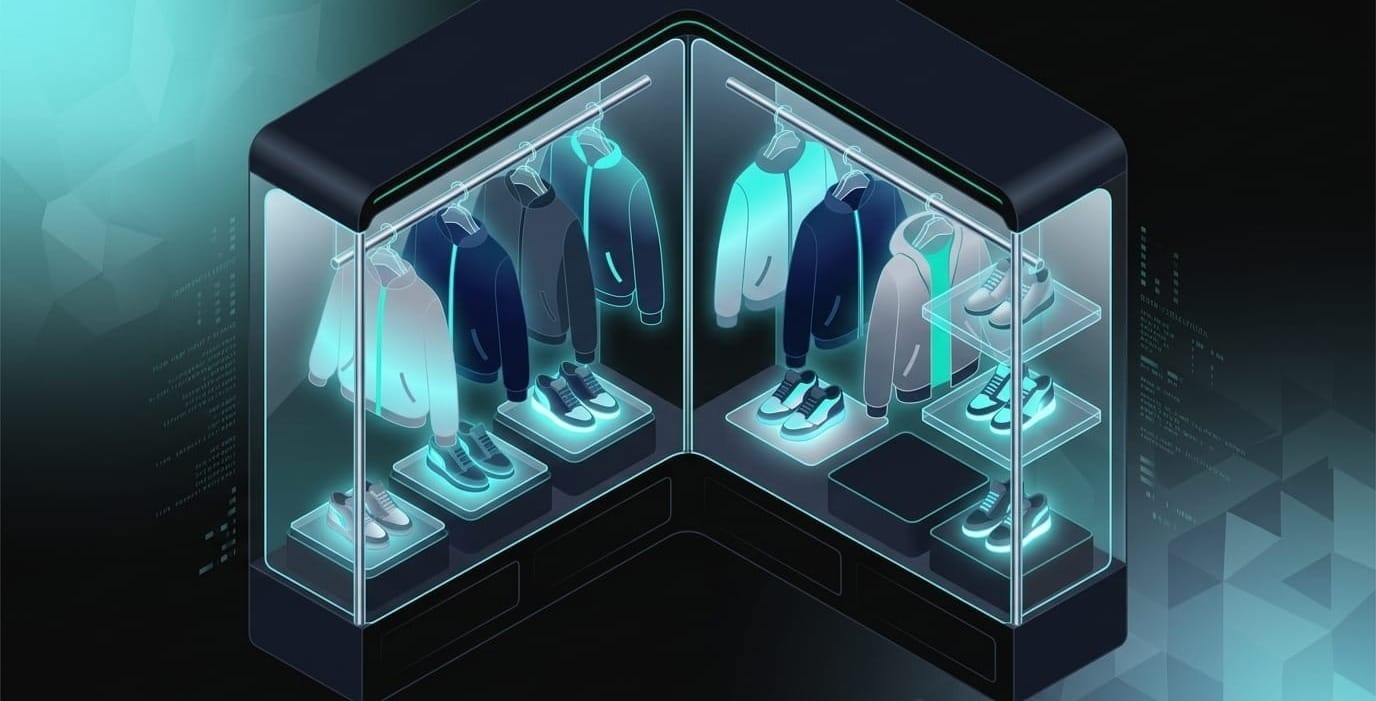
With the foundational mechanics established, real-world brand applications reveal how NFTs in the fashion industry move from theory to market execution. Luxury brands use NFTs to reinforce exclusivity and track provenance. Gucci pioneered early NFT collections by launching digital art films and metaverse-ready wearables, targeting a younger, digitally native demographic. Louis Vuitton approached blockchain technology through a gamified lens, releasing an educational app where players earned historical brand NFTs.
Conversely, sportswear giants focus heavily on community and gaming integration. The Nike NFT shoes strategy involved acquiring the digital studio RTFKT, launching highly successful digital wearables that generated massive secondary market volume. Adidas took a similar collaborative approach, partnering with existing Web3 gaming communities to launch its "Into the Metaverse" collection. These campaigns prove that a successful brand strategy requires aligning the specific NFT utility with the company's existing customer base.
Brand Strategy Comparison Table - Luxury vs Sportswear vs Emerging
The following breakdown illustrates the contrasting NFT strategy fashion brands employ based on their market positioning and target audience.
This data highlights a clear divergence: luxury houses use digital assets to protect physical margins, while sportswear brands monetize pure digital engagement through high-volume trading on NFT marketplaces.
How to Get Started with Fashion NFTs - A Practical Guide for Brands and Consumers
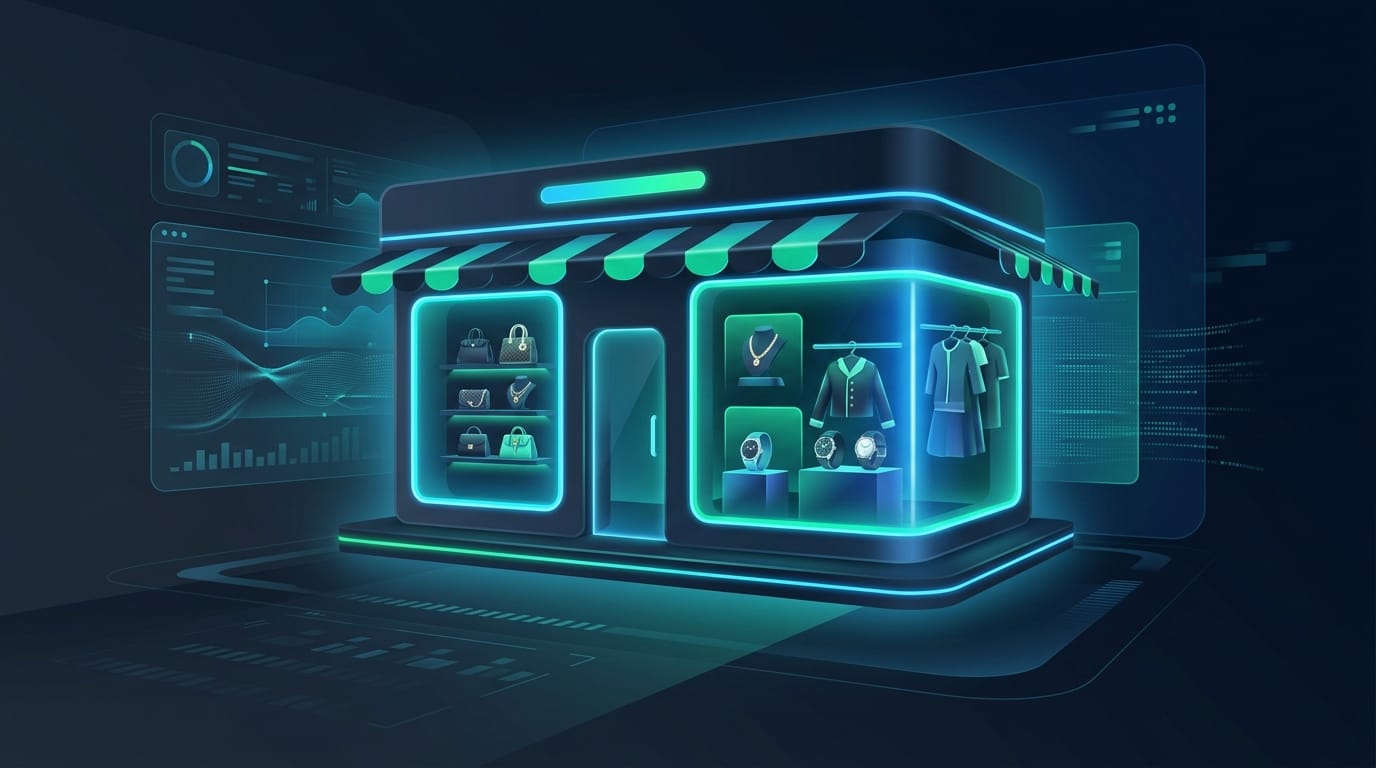
Understanding what brands have accomplished naturally raises the practical question of how to participate. Whether you want to mint a collection or acquire a digital piece, operating on-chain requires specific operational security and technical execution.
For Brands: 5-Step Launch Checklist
- Select the Infrastructure: Choose a blockchain network (like Ethereum or a Layer-2 scaling solution) based on your target audience's liquidity and tolerance for gas fees.
- Develop the Smart Contract: Work with auditors to write secure contracts that hardcode your royalty preferences and minting mechanics.
- Choose Minting Platforms: Partner with established launchpads or build a custom minting decentralized application (dApp) on your site.
- Design the Utility: Clearly define whether the asset provides physical redemptions, metaverse access, or exclusive community entry.
- Execute the Drop: Manage the community rollout, ensuring clear communication about mint times, pricing, and technical requirements.
For Consumers: 5-Step Buying Checklist
- Set Up a Crypto Wallet: Download a self-custodial digital wallet (like MetaMask or Phantom) and secure your seed phrase offline.
- Fund the Wallet: Transfer the necessary cryptocurrency (e.g., ETH) to cover both the asset price and network transaction costs.
- Browse NFT Marketplaces: Connect your wallet to an established secondary market like OpenSea to explore verified collections.
- Verify Authenticity: Check the smart contract address against the brand's official channels to ensure you aren't buying a counterfeit token.
- Execute and Custody: Confirm the transaction, pay the gas fee, and verify the token has arrived securely in your digital wallet.
Benefits of NFTs for the Fashion Industry - Sustainability, Revenue, and Anti-Counterfeiting
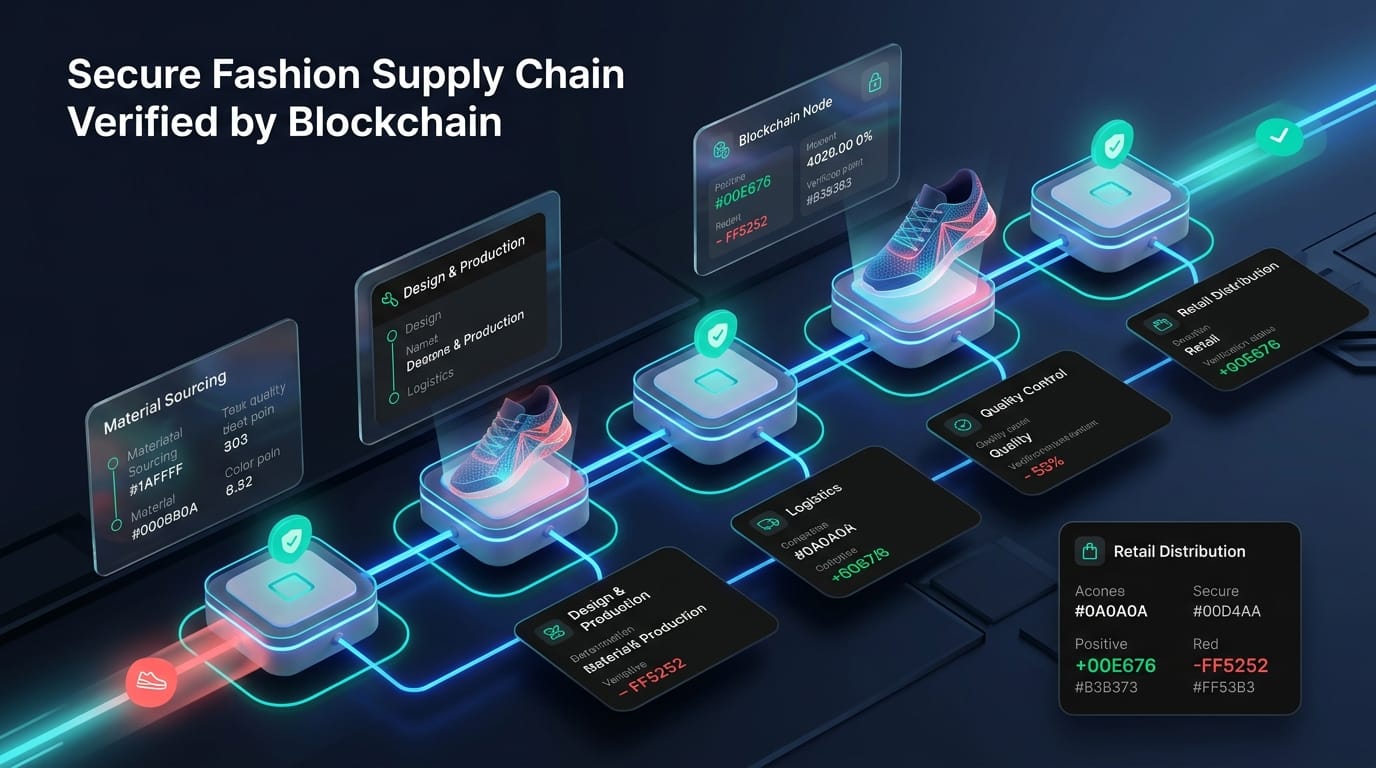
Beyond the mechanics of participation, the deeper case for NFTs in the fashion industry rests on three structural advantages. When executed correctly, on-chain integration solves chronic, multi-billion-dollar inefficiencies, such as the estimated $30 billion annual loss to fake luxury goods.
I've watched brands struggle for decades to capture secondary market value. By tokenizing assets, the royalty payments are guaranteed by code, fundamentally shifting the economic model for independent creators and circular fashion initiatives.
Challenges and Risks of NFTs in Fashion - What Brands and Buyers Must Know
Transitioning legacy infrastructure to decentralized networks introduces substantial friction. The risks of fashion NFTs require objective evaluation, especially for capital allocators and early adopters navigating crypto macro cycles.
⚠ Key Risks at a Glance
- Market Volatility → Severe price fluctuations driven by crypto macroeconomic conditions.
- Smart Contract Exploits → Vulnerabilities in code that can lead to drained wallets or stolen assets.
- IP Ambiguity → Buying a token does not automatically confer commercial copyright to the artwork.
- UX Friction → Self-custody and gas fees remain massive barriers for mainstream retail buyers.
The primary hurdle often involves intellectual property rights. Many buyers mistakenly assume that NFT ownership equates to commercial copyright, which is rarely the case unless explicitly stated in the token's terms. Furthermore, the NFT environmental impact was historically a major critique, though the transition of major networks to proof-of-stake consensus mechanisms has reduced energy consumption by over 99.9%. Regulatory uncertainty also persists, as jurisdictions debate how to classify these digital assets and whether they trigger securities laws.
The Future of NFTs in the Fashion Industry - Metaverse, AR, and Phygital Trends
Looking ahead, the future of fashion NFTs will detach from the speculative trading of static images and integrate directly into daily digital interactions. Web3 infrastructure is laying the groundwork for verifiable digital identity.
- Metaverse Integration: As virtual environments mature, the demand for interoperable avatar wearables will scale. Users will expect their digital closets to travel with them across different gaming engines and social platforms.
- Augmented Reality Try-Ons: AR fashion NFTs bridge the physical-digital divide. Buyers will utilize real-time rendering to "wear" their digital assets on social media feeds, unlocking immediate utility.
- Phygital Fashion Evolution: Near-field communication (NFC) chips embedded in physical clothing will link directly to on-chain tokens, making the validation of high-end streetwear frictionless.
- AI-Generated Fashion: Generative AI models will design hyper-personalized clothing, which is then minted as unique NFTs.
This represents a philosophical shift: these tokens act as portable expressions of digital self, not just illiquid speculative bets.
Alternatives and Complementary Technologies to Fashion NFTs
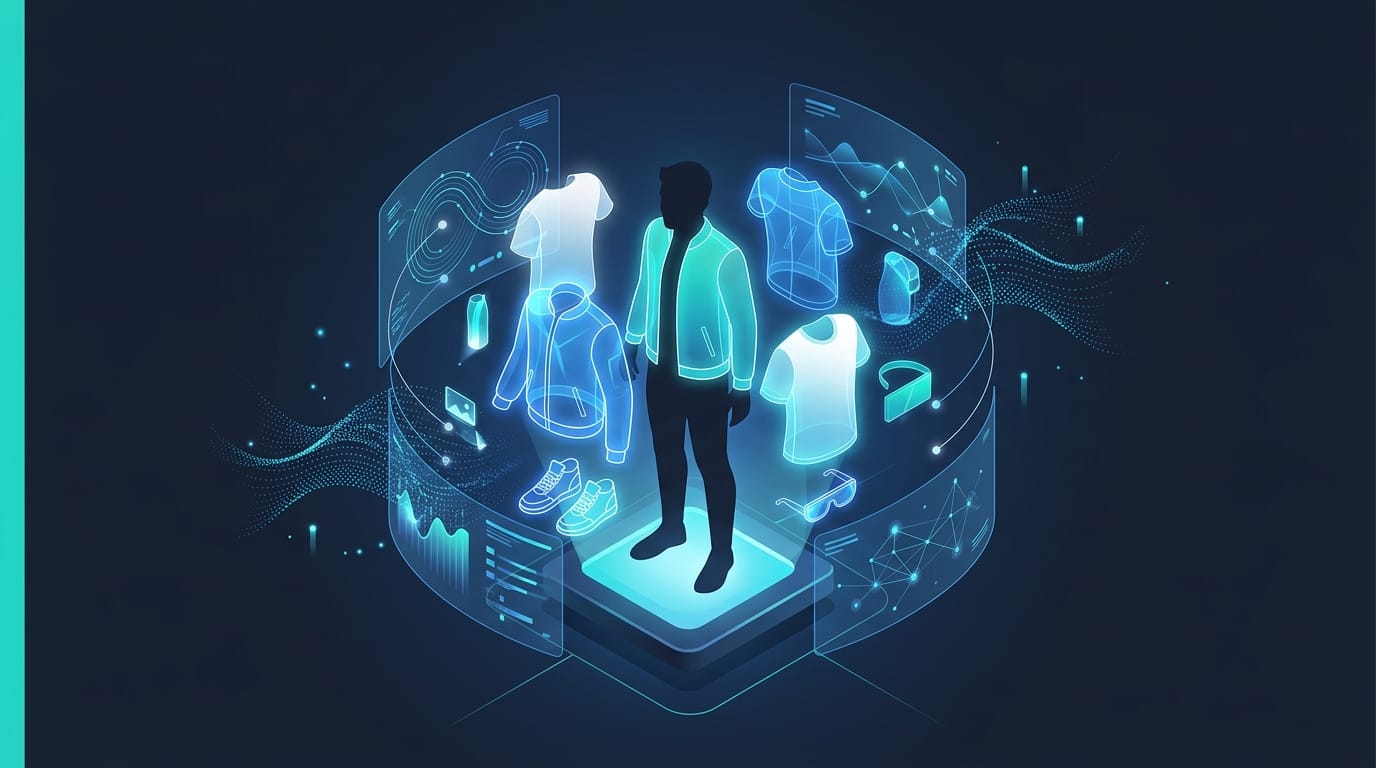
For brands hesitant to issue tokenized assets, the market offers several adjacent technologies that achieve similar engagement without the regulatory overhead.
- Non-NFT Blockchain Traceability: Employs decentralized ledgers to track physical supply chains and verify authenticity without issuing a tradeable token to the consumer. This achieves supply chain transparency without market volatility.
- Virtual Try-On Technology: Uses advanced AR to let consumers preview physical clothing on their own bodies via smartphone cameras. It boosts conversion rates and lowers returns without requiring a crypto wallet.
- Tokenized Loyalty Programs: Replaces traditional points systems with internal blockchain ledgers. Users earn non-transferable digital badges or points, extending brand engagement without the complexities of OpenSea or secondary market speculation.
These alternatives to fashion NFTs often serve as the first stepping stone for legacy brands testing digital transformation before committing to a full Web3 deployment within DeFi ecosystems.
Conclusion - The Strategic Outlook for NFTs in Fashion
The integration of NFTs in the fashion industry has moved decisively past its initial hype cycle. What remains is a robust, on-chain architecture that solves authentic supply chain problems while opening entirely new vectors for digital ownership and revenue. Blockchain technology is no longer a fringe experiment; it is becoming the standard backend for verifying physical goods and monetizing digital creativity.
- Luxury Brands: Should focus entirely on anti-counterfeiting infrastructure and Phygital asset pairing to protect their core physical margins.
- Emerging Designers: Can leverage these tools to crowdfund collections, bootstrap community support, and capture secondary royalties that legacy systems deny them.
- Consumers and Collectors: Must practice strict operational security, maintain a healthy skepticism regarding short-term price action, and deeply understand the IP rights of the tokens they acquire.
- Investors: Should monitor the development of cross-chain interoperability and the reduction of onboarding friction as the primary catalysts for mass adoption.
The trajectory of the space points directly toward environments where users demand complete control over their assets. Platforms built on true self-custody and on-chain verifiability-much like the transparency we see decentralized platforms like Zipmex deploying for secure interactions-reflect exactly where digital fashion is heading. The future belongs to trustless transparency, where your digital identity and your assets remain firmly in your own hands.
Crypto trading and digital asset management involve substantial risk of loss. Always practice self-custody securely.
Last updated: March 2026.
Frequently Asked Questions
What are NFTs in the fashion industry?
NFTs in the fashion industry are cryptographically unique digital assets recorded on a blockchain that represent either virtual clothing, physical garment provenance, or exclusive brand collectibles. This technology allows fashion houses to monetize digital creativity, offer verifiable scarcity, and engage communities by transforming standard digital files into highly secure, tradeable assets.
How do fashion NFTs work technically?
Fashion NFTs work by encoding the metadata of a digital wearable or physical item into a smart contract deployed on a blockchain network. A designer creates a digital asset and mints it, permanently logging its creation on the distributed ledger. This smart contract automatically governs future transfers and executes secondary market royalties.
What is a non-fungible token and how does it differ from cryptocurrency?
A non-fungible token (NFT) is a distinct digital asset with a unique cryptographic identifier, making it one-of-a-kind. It differs fundamentally from standard cryptocurrency, which is fungible and interchangeable. A fashion NFT represents a specific digital garment that cannot be swapped on a one-to-one basis with another token because its value is subjective and entirely unique.
What are digital wearables in fashion?
Digital wearables are pieces of virtual clothing, footwear, or accessories designed exclusively for digital environments. These items do not have a physical counterpart; they exist solely as 3D rendering files or augmented reality assets. Consumers purchase them to dress virtual avatars in the metaverse or showcase them on social media.
What is phygital fashion?
Phygital fashion represents the strategic bridging of physical garments with digital assets. When a consumer buys a high-end physical clothing item, they simultaneously receive a linked digital NFT counterpart. This acts as an unforgeable cryptographic certificate of authenticity while providing a virtual wearable that the buyer's avatar can equip.
Can fashion NFTs help fight counterfeiting?
Yes, fashion NFTs provide an exceptionally strong defense against counterfeiting. By pairing a physical luxury item with an NFT recorded on an immutable blockchain, brands create an unforgeable digital certificate of authenticity. Consumers can independently verify the provenance of a garment on-chain.
Are fashion NFTs sustainable?
When built on modern, energy-efficient proof-of-stake networks, fashion NFTs act as a highly sustainable alternative to fast fashion. They shift consumer status-signaling from resource-heavy physical production to purely digital environments, reducing the massive physical waste associated with traditional manufacturing cycles.