Singapore has quietly built one of the most sophisticated NFT ecosystems in Asia. Singaporean NFT projects span everything from generative art collections that sold out in four minutes to phygital fashion drops fusing NFC chips with blockchain ownership - and the infrastructure behind them is equally serious. This guide covers the full spectrum: what these projects are, which ones matter, how to buy and evaluate them, what scams to dodge, and what Singapore's regulatory framework actually means for collectors and creators in 2026.
⚡ Key Takeaways
- Singapore has 20+ active NFT companies and collections as of 2026
- Top projects include Imaginary Ones, IreneDAO, Mintable, Another-1, and League of Kingdoms
- The Monetary Authority of Singapore (MAS) does not directly regulate "vanilla" NFTs, but Singapore courts recognise NFTs as legal assets
- NFT market activity is recovering in 2026, driven by GameFi, phygital innovation, and renewed blue-chip interest globally
- Phygital and utility-driven NFTs now dominate Singapore's serious NFT scene - speculative art-only drops have largely faded
What Are Singaporean NFT Projects? Definitions, Types, and the Local Scene
An NFT - non-fungible token - is a unique digital asset secured on a blockchain. Unlike ETH or BTC, which are fungible (each unit is identical and interchangeable), each NFT carries distinct metadata that makes it one-of-a-kind. That uniqueness is enforced by the ERC-721 standard on Ethereum - the smart contract protocol that underpins the vast majority of NFT collections worldwide, including most Singaporean projects.
What makes Singapore's NFT scene worth studying specifically? Several structural factors converged here that didn't exist to the same degree elsewhere: a crypto-progressive regulatory environment, deep pockets of both institutional and retail capital, a technically literate population, and a culturally diverse creator community capable of building IP that resonates across Asian markets. When the NFT boom hit in 2021, Singapore wasn't a passive observer - it was a launchpad.
Main Types of Singaporean NFT Projects:
- Generative Art / PFP Collections - algorithmically generated profile picture NFTs with rarity-scored traits. Example: Imaginary Ones (8,888 3D art NFTs on Ethereum)
- Phygital Fashion NFTs - physical items paired with blockchain-verified digital twins using NFC technology. Example: Another-1
- GameFi / Play-to-Earn NFTs - in-game assets owned on-chain, earned through gameplay. Example: League of Kingdoms, Degame ecosystem
- Celebrity / Influencer NFTs - creator-backed drops leveraging social audiences. Example: IreneDAO (Irene Zhao), SPACEBARS (Shigga Shay)
- Utility & DAO-Governed NFTs - collections granting governance rights, community access, or real-world perks. Example: IreneDAO's So-Col community
- Institutional / Cultural NFTs - art-technology intersections at institutional scale. Example: Padimai Art & Tech Studio (Vignesh Sundaresan/Metakovan)
How NFTs Work: Blockchain, Smart Contracts, and Metadata
Minting an NFT means deploying or interacting with a smart contract - self-executing code on the blockchain that records ownership, handles transfers, and enforces royalty payments automatically. When you buy an NFT, the smart contract updates the ownership record on-chain; no third party can alter that record retroactively. That's immutability in practice.
Every NFT references a metadata file that stores its attributes: image file, name, trait categories, and rarity scores. For collectors, metadata quality matters - a project that hosts metadata on centralised servers creates a risk that the underlying file could disappear; IPFS-hosted or fully on-chain metadata is the gold standard.
How an NFT is Created & Transferred:
- Artist creates the artwork and defines trait layers
- Smart contract is deployed on Ethereum (or Solana, for faster/cheaper minting)
- NFT is minted - the token is created and linked to the metadata file
- NFT is listed on a marketplace (OpenSea, Mintable, Crypto.com NFT)
- Buyer purchases → ownership transfers on-chain automatically via smart contract
Most Singapore projects run on Ethereum given its liquidity depth and institutional recognition. Solana has gained traction as a lower-fee alternative, though it remains a secondary choice for Singapore-based launches.
Why Singapore? The Country's Web3 Advantage
Singapore's legal system gave NFTs something most jurisdictions still haven't delivered: formal recognition as property. In the landmark Janesh v CHEFPIERRE case (2022), Singapore's High Court ruled that NFTs qualify as legal assets subject to property law protections - meaning injunctions can be granted, even against pseudonymous defendants. That ruling removed a significant legal uncertainty for creators and collectors operating in Singapore.
Beyond the courts, four structural advantages define Singapore's Web3 position:
📊 Singapore's 4 Web3 Advantages
- Legal Asset Recognition - NFTs court-recognised as protectable property (2022)
- MAS-Regulated Innovation - principled regulatory framework that fosters trust without banning experimentation
- FinTech Capital - Singapore FinTech Festival draws global Web3 capital and talent annually
- SEA Market Gateway - access to Southeast Asia's 680M+ consumer base, the world's fastest-growing digital economy
The Monetary Authority of Singapore (MAS) has deliberately positioned its digital asset framework as enabling rather than restrictive. The government's Infocomm Media Development Authority (IMDA) has also supported digital creator initiatives. That combination - legal clarity, institutional support, and geographic centrality - makes Singapore a natural home for serious NFT projects.
Top Singaporean NFT Projects in 2026: The Definitive List
Not all NFT projects are created equal, and Singapore's scene reflects the full spectrum - from globally recognised generative collections to hyper-local creator drops. What follows is the most comprehensive editorial overview of Singapore's top NFT projects, organised by category, with honest assessments of current status.
Generative Art & PFP Collections (Imaginary Ones, IreneDAO, Dark Zodiac)
Imaginary Ones is Singapore's most successful NFT project by nearly every objective measure. Created by artist Clement Chia, the collection of 8,888 3D art pieces drew over 500,000 Twitter followers before its mint date - extraordinary pre-launch momentum for any project anywhere. When the drop went live, it sold out in under four minutes. The collection subsequently partnered with Hugo Boss for a phygital launch - among the first high-profile luxury fashion . NFT collabs in Asia - and expanded into a mobile game (Bubble Rider) and its own fungible token ecosystem. Floor prices have fluctuated with the broader market, but Imaginary Ones' brand-building trajectory separates it from collections that simply minted and vanished.
IreneDAO took a different path. Launched by influencer Irene Zhao, the collection generated over $5 million in trading volume within its first week - purchases included high-profile buyers such as Logan Paul. What distinguished it structurally was its DAO governance model: holders voted on how proceeds were deployed, including meaningful charitable contributions. Today, the floor price sits far below its peak - that's a fact worth stating directly, because any serious collector needs to understand that influencer-driven projects carry distinct demand risks. Zhao remains active in Web3 through So-Col, her social platform that now hosts a community of 8,000+ IreneDAO members.
Dark Zodiac takes a different approach entirely: non-generative, fixed supply (3,876), and culturally anchored in Chinese Zodiac folklore. Conceptualised by a Singapore-based 2D/3D artist, it represents a strand of local NFT IP that draws from Asia's rich creative heritage rather than aping Western PFP formats. It's a niche project with a dedicated collector base - not a volume play, but an example of what culturally grounded Singapore NFT IP looks like.
Singapore's NFT scene extends well beyond art collections.
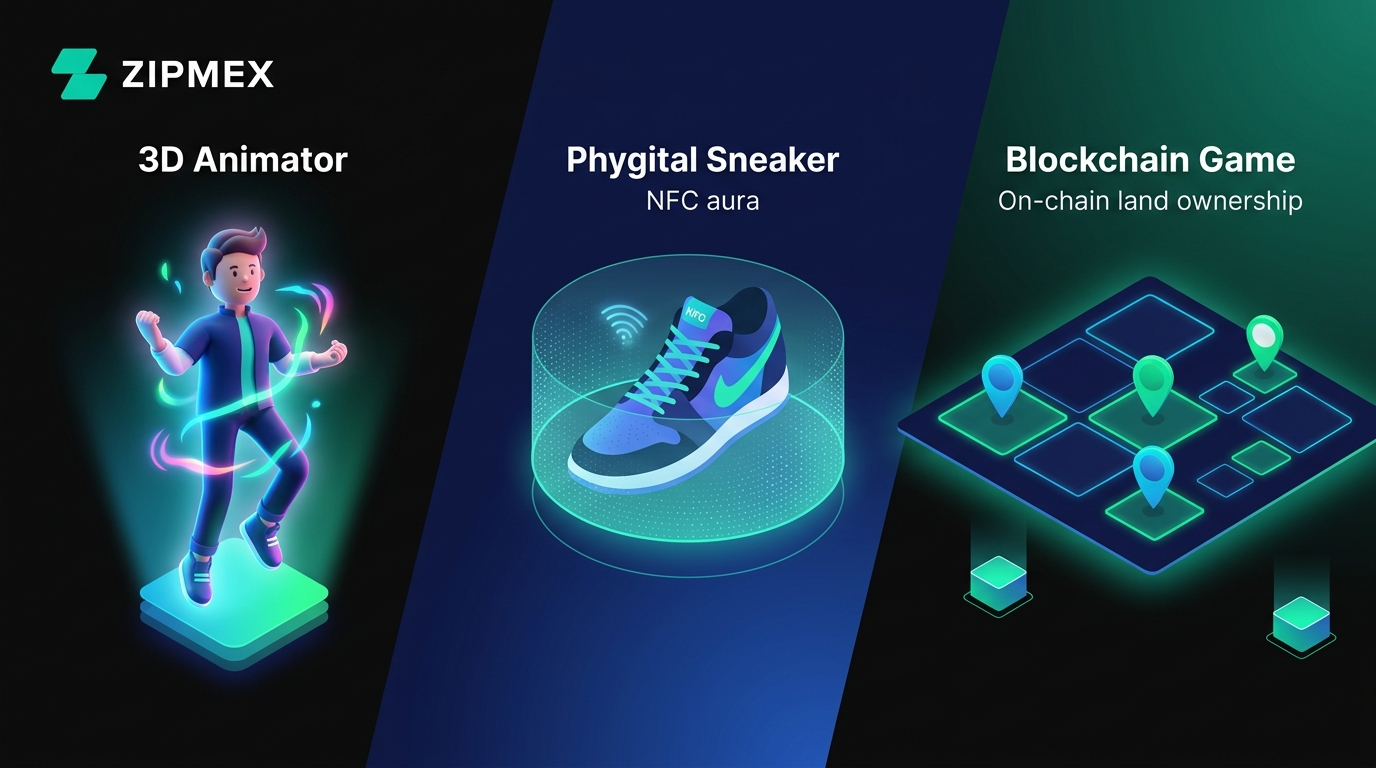
Phygital Fashion & Utility NFTs (Another-1, Goka, SPACEBARS)
The most persistent criticism of NFTs is the "right-click save" problem - the idea that digital assets have no real-world tether. Phygital NFTs are Singapore's most compelling answer to that objection. For a broader introduction to the NFT marketplace landscape, see Zipmex's guide to NFT marketplaces.
📊 What Makes a Phygital NFT
- A physical item (clothing, sneaker, accessory) is created and tagged with an NFC chip
- The chip cryptographically links the physical object to a corresponding on-chain token
- Ownership of the NFT = verified ownership of the physical item, its digital twin, and associated metaverse assets
- Transfer of the NFT transfers all four: PFP avatar, 3D model, metaverse wearable, and physical item claim
Another-1 operates at the intersection of blockchain and fashion in the most technically rigorous way currently being done in Singapore. Each physical item in a drop comes paired with an NFT digital twin, a PFP avatar, a 3D model, and a metaverse-ready wearable - all linked via NFC. The physical and digital are inseparable. For collectors who want NFTs with tangible utility, Another-1's model is the template.
Goka takes a slightly different angle: composable NFTs designed for brand promotions. A business can issue NFTs that carry real-world value (discounts, loyalty perks, event access) while functioning as Web3-native digital assets. It's a B2B-facing model with practical commercial applications beyond pure collectibility.
SPACEBARS by rapper Shigga Shay showed the music industry what NFT drops could look like: his debut collection sold out on Crypto.com in four minutes, demonstrating that a well-executed music-backed drop can match the velocity of the best art collections. Music NFTs remain an underdeveloped category globally, which makes Singapore's early experimentation here worth watching.
GameFi & Metaverse NFT Platforms (Degame, MetaOne, League of Kingdoms)
Southeast Asia leads the world in play-to-earn gaming adoption - the Philippines, Indonesia, and Vietnam drove the Axie Infinity boom, and Singapore has positioned itself as the infrastructure layer for that ecosystem. Three Singapore-based platforms define this space:
Degame functions as the Bloomberg Terminal of GameFi: a data hub where P2E players track collection analytics, evaluate Initial Game Offerings (IGOs), access gaming strategy research, and manage guild operations. It's infrastructure, not a consumer product - the kind of platform that matters more as the market matures.
MetaOne solves the onboarding friction that still keeps casual gamers out of Web3. Its focus on simplifying NFT processes, combined with robust gaming data analytics, makes it the entry point for the next wave of non-crypto-native players discovering that their in-game assets can have real value.
League of Kingdoms is the end-user play: an internationally recognised MMO strategy game where players own land, raise armies, and compete through seasonal events - all on-chain. It's one of the few Singapore-originated blockchain games to have achieved genuine sustained player bases outside Southeast Asia.
NFT Marketplace Infrastructure (Mintable, Oxalus, Jovo.io)
Projects need places to live. Singapore has produced a cluster of NFT marketplace and infrastructure companies that either compete with or complement global platforms like OpenSea.
Mintable has been operational since before the 2021 NFT boom - that longevity matters in a space littered with projects that disappeared. Its Ethereum-based infrastructure lets anyone create, manage, and sell digital files with cryptographically provable ownership. Notably, it offers gasless minting options that lower the barrier for new creators.
Oxalus does something OpenSea doesn't: it merges social media mechanics with trading. Users can follow specific whale wallets, track collection activity, receive calendar alerts for upcoming drops, and access aggregated analytics - all within a single platform. It's the collector-intelligence layer that serious Singapore-based NFT participants tend to gravitate toward.
Jovo.io focuses on accessibility: the goal is making NFT trading feel as natural as any e-commerce transaction, without requiring users to understand Ethereum's technical stack to participate.
Comparison Table - Singaporean NFT Projects at a Glance
How to Buy Singaporean NFTs: Step-by-Step Guide for Beginners
Most competitor resources list NFT projects without explaining how to actually acquire them. That's a gap worth filling - because the process is still friction-heavy enough to stop newcomers before they start.
How to Buy a Singaporean NFT in 5 Steps:
- Set up a crypto wallet - MetaMask is the standard for Ethereum-based NFTs. Download the browser extension or mobile app, create a wallet, and store your seed phrase offline and securely. Alternatives: Coinbase Wallet, Trust Wallet for mobile-first users
- Fund your wallet with ETH - Purchase ETH via a Singapore-accessible exchange (Crypto.com, Coinbase, or local options), then transfer to your MetaMask address. For fiat-to-NFT simplicity, Crypto.com NFT marketplace also accepts card payments directly
- Connect to a marketplace - Go to OpenSea, Mintable, or Oxalus and connect your MetaMask wallet. You'll be prompted to sign a transaction - this connection does not cost gas and does not grant the platform any fund access
- Find the Singapore collection you want - Search by collection name. On OpenSea, verify the blue checkmark and confirm the contract address matches the official project website. Fake collections impersonating Imaginary Ones and other Singapore projects are a documented problem
- Purchase and confirm - Select the NFT, click Buy, review the total cost (NFT price + gas fee), and confirm in MetaMask. The NFT will appear in your wallet within seconds of on-chain confirmation
⚠ Gas Fee Timing Tips
- Ethereum gas fees vary → by network congestion; they change every few minutes
- Cheapest windows → weekends, and weekdays between 02:00-07:00 UTC
- Use Etherscan's gas tracker → check current gwei before transacting
- Lower gas options → Mintable's gasless minting layer or platforms that batch transactions
Knowing how to buy solves the mechanical problem. Knowing what to buy requires a different framework entirely.
How to Evaluate Singaporean NFT Projects: What to Look For Before You Buy
The 2021-2022 boom rewarded speed. The 2026 market rewards diligence. Before committing to any Singaporean NFT project, run it through this framework - it applies whether you're looking at a new generative drop or a secondary market purchase on an established collection.
10-Point NFT Project Assessment Checklist:
- Founders are publicly identified (doxxed) with verifiable professional history
- Smart contract has been audited by a recognised security firm
- Roadmap shows at least one delivered milestone (not just promises)
- Community activity on Discord/Telegram shows organic engagement (not just price talk)
- 30-day trading volume on OpenSea/Oxalus is positive or stable
- Top 10 wallet holders control less than 40% of supply (low whale concentration)
- Rarity distribution is balanced - not top-heavy with ultra-rare traits
- Utility beyond speculation is clearly defined (access, governance, phygital perks)
- Project website and social accounts are consistent and actively maintained
- No history of contract exploits, suspicious volume spikes, or undelivered roadmap items
On-Chain Metrics: Volume, Holders, and Floor Price Analysis
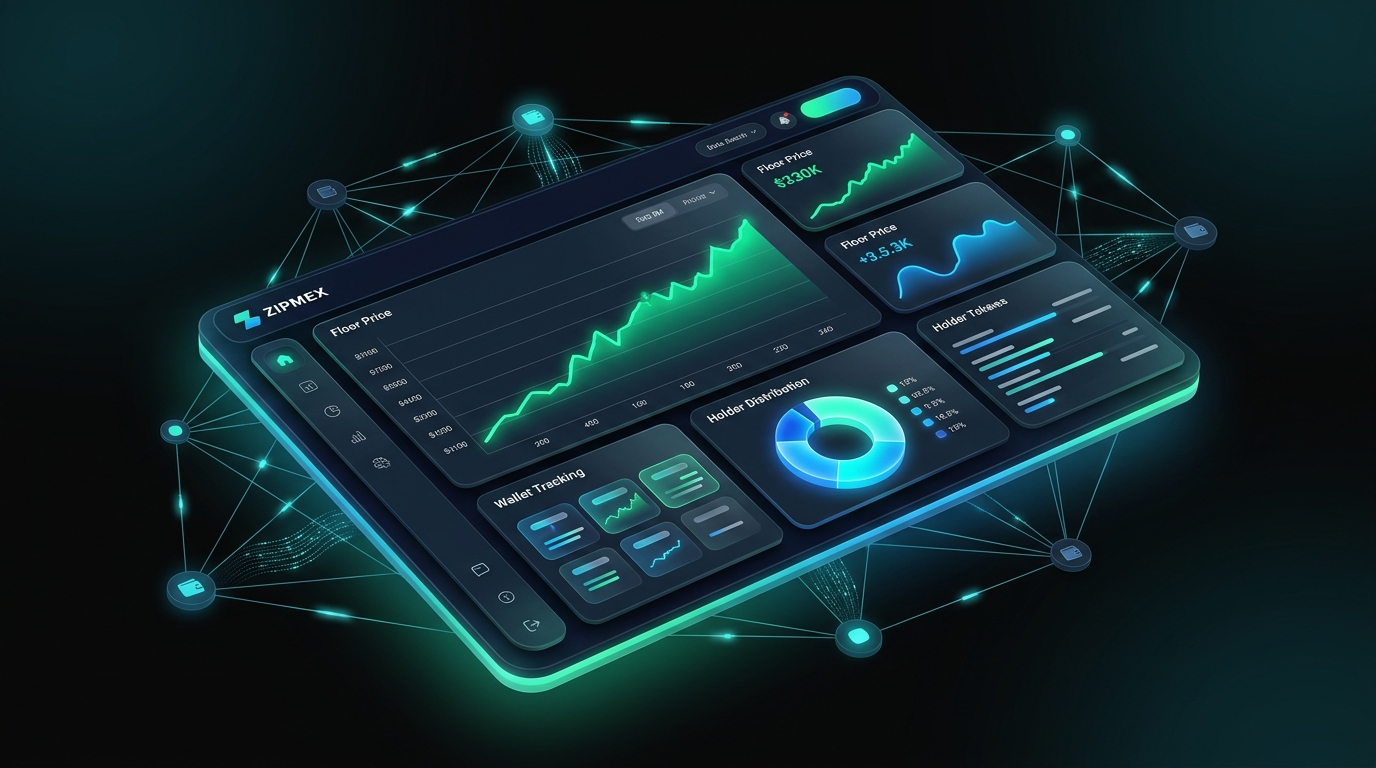
Three on-chain numbers tell you most of what you need to know about any NFT collection's health: trading volume, holder distribution, and floor price trend.
Trading volume over 7 and 30 days reflects genuine demand - not sentiment, not Twitter hype, but actual capital movement. A collection that consistently generates $20,000-$50,000 in monthly volume has a living market. One that peaked at $2M during mint and has traded $400 total since has a liquidity problem.
Holder distribution reveals concentration risk. Check Etherscan or NFTGo: if the top 10 wallet addresses control 50%+ of a 10,000-piece collection, a single large holder exiting can crater the floor. Healthy collections tend to see top-10 holders at 15-30% of supply.
Floor price trend - not just the current number, but the trajectory over 90 days - separates projects in genuine decline from ones experiencing normal market cycles. A floor dropping steadily from 0.8 ETH to 0.05 ETH over six months with no corresponding roadmap delivery is a warning signal.
Tools to use: OpenSea Analytics (free, basic), Etherscan (transaction history), NFTGo (comprehensive portfolio analytics), Dune Analytics (custom on-chain dashboards). For Singapore-specific collections, Oxalus provides the most locally-oriented data layer.
Community and Team Evaluation - The Human Signals
On-chain data answers "what is happening." Community and team evaluation answers "why" - and whether it's likely to continue.
Doxxed founders - teams whose real identities are publicly known - carry accountability that anonymous teams don't. Rug pulls are almost exclusively executed by anonymous teams. Imaginary Ones (Clement Chia) and IreneDAO (Irene Zhao) both had publicly known creators from day one; that transparency correlates directly with their sustained community activity.
✅ 5 COMMUNITY GREEN FLAGS
- Consistent Discord activity beyond floor price discussions
- Team responds to community questions transparently and on schedule
- Roadmap milestones are publicly tracked and regularly updated
- DAO governance mechanisms give holders real decision-making power
- Partnerships with verifiable real-world brands or institutions
🚩 5 RED FLAGS
- Anonymous team with no verifiable professional background
- Discord moderation deletes critical questions
- Roadmap promises with no delivery history
- Sudden surge in Twitter followers (bot acquisition)
- Presale structure that disproportionately benefits insiders
Community evaluation is also how you spot scams before they become losses.
Free vs. Paid vs. AI-Powered NFT Research Tools
Free tools are sufficient for most Singapore-based NFT purchases. For anyone deploying more than $1,000 into a single project, Nansen's wallet profiling - which tracks how "smart money" wallets (historically profitable addresses) are positioning - provides genuine edge. AI-powered analytical tools are still maturing but are worth monitoring as the market develops.
Red Flags and Scams in the Singapore NFT Space - What to Avoid
Singapore's NFT history includes genuine successes, but it also includes collections that generated significant early buzz and then quietly disappeared. Christie's closing its digital art department in September 2026 was a marker for the broader market - even institutional players who piled into NFTs during the boom have pulled back. That context matters when evaluating any new project.
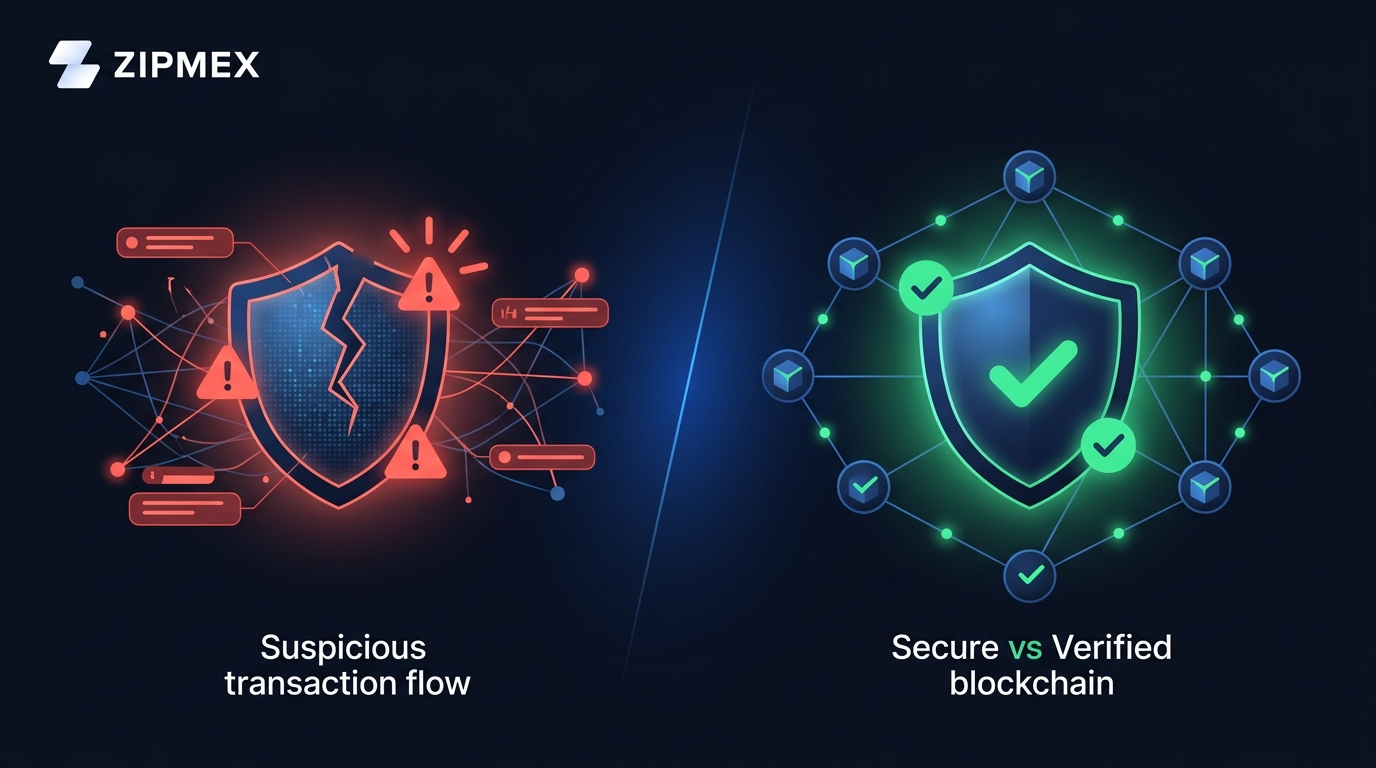
⚠ Warning: 7 NFT Red Flags
- Anonymous team → no verifiable identity or professional history
- Inflated mint price → significantly above comparable collections without clear utility justification
- Volume spike + collapse → classic wash trading pattern
- Discord deletes questions → about contract addresses or roadmap timelines
- Team wallet concentration → presale/whitelist structures where 30%+ of supply is held by team's own wallets
- Unverified contract → smart contract not publicly verified on Etherscan
- New domain → project website registered days before mint announcement
The three most dangerous specific tactics deserve closer attention.
Common Deceptive Tactics: Fake Hype, Wallet Drainers, and Impersonation
The rule of thumb: any urgency-driven pressure to act fast, connect a wallet, or claim a whitelist spot via a DM is a manipulation attempt. Legitimate projects have documented mint processes announced through multiple channels days in advance.
Maximising Value from Singaporean NFT Projects - Strategy and Implementation
NFT value flows from four sources: community, utility, scarcity, and narrative. The collections and projects that sustain value over time - Imaginary Ones being the clearest Singapore example - have all four. Speculative flips can work in the right market window, but strategies built on any single factor tend to collapse when that factor changes.
Collecting Strategies: Flipping, Holding, and Staking
Flipping was easier in 2021 when every project had tailwind. In 2026, the window is compressed: most successful flips happen within the first 48-72 hours post-mint, and whitelist access is essential. Without whitelist, you're buying at or above mint price with less upside. Gas timing matters too - Ethereum gas fees are lowest on weekends and during early UTC morning hours (02:00-07:00 UTC), which can meaningfully reduce cost basis on a tight-margin flip.
Long-term holding rewards selection skill over execution speed. Imaginary Ones is the case study: the collection's value isn't just the floor price - it's the Hugo Boss partnership, the game, the tokens, the community that kept building through the bear market. Holders who stayed through the 2022-2023 downturn held an asset with expanding brand equity.
Staking applies specifically to GameFi NFTs within ecosystems like Degame, where NFTs can be locked into staking contracts to earn platform tokens. The yield comes from actual platform activity - not token emissions - which makes it more sustainable but also more variable.
Risk Management for Singapore NFT Collectors
⚠ NFT Portfolio Risk Principles
- 5-10% cap → never allocate more than 5-10% of your total crypto portfolio to NFTs as a category
- Diversify by type → no more than 40% in a single category (art, GameFi, phygital)
- Liquidity buffer → some collections trade $0 volume for weeks; maintain an exit reserve
- Blue-chip weighting → proven track record projects over speculative new drops
- High-risk capital only → treat NFT purchases as speculative, not as stores of value, unless the utility case is ironclad
NFT prices correlate strongly with Ethereum price movements and broader crypto market cycles. A 40% ETH drawdown typically hits NFT floor prices harder - declines of 50-70% in floor price during bear markets have been common even for established Singapore collections. Portfolio sizing should account for that volatility.
This is educational content, not financial advice. NFT trading involves substantial risk of capital loss. Always conduct your own research before any purchase.
Singapore's NFT Events and Community Resources
Whitelist access and early project intelligence don't come from solo research alone - they come from community participation. Singapore has a legitimate Web3 infrastructure for this.
Key Singapore NFT & Web3 Community Resources:
- Singapore FinTech Festival - Annual event drawing global Web3 capital, regulatory discussion, and project launches; historically one of the world's largest fintech gatherings
- Token2049 Singapore - Major international crypto conference held annually in Singapore; covers NFT, DeFi, and broader blockchain trends at institutional depth
- NFT Asia - Community founded by curator Clara Peh; focused specifically on supporting Asian NFT artists and building cross-regional collector networks
- Imaginary Ones Discord - One of Singapore's most active NFT community servers; useful for tracking broader Singapore NFT market sentiment
- Telegram NFT SG Communities - Multiple informal Telegram groups where Singapore-based collectors share alpha, upcoming drops, and DYOR threads
Alternatives to Singaporean NFT Projects - Other Ways to Participate in Singapore's Web3 Economy
NFTs aren't the only on-ramp to Singapore's digital asset ecosystem. For collectors uncertain about the NFT market's volatility, three credible alternatives offer different risk/return profiles within the same regulatory environment.
DeFi protocols operating in Singapore under the Payment Services Act (PSA) offer liquidity provision and yield farming opportunities that are structurally more liquid than most NFT positions. The yields come from real protocol activity rather than token inflation, and the entry/exit process is immediate on-chain - contrasted with NFTs, where finding a buyer at your target price can take days or weeks.
Security Token Offerings (STOs) tokenise real-world assets - equity, real estate, debt instruments - on blockchain rails. They fall under the Securities and Futures Act (SFA) and must comply with MAS licensing requirements, which adds regulatory overhead but also investor protection. Several Singapore-based platforms have received provisional MAS approval for STO frameworks.
Padimai Art & Tech Studio - opened in November 2026 by Vignesh Sundaresan (known as Metakovan, the collector who purchased Beeple's Everydays: The First 5000 Days for $69.3 million) - represents the institutional end of Singapore's digital art ecosystem. Sundaresan describes Padimai not as an NFT project but as a research and cultural institution examining how technology functions as cultural infrastructure. Its inaugural exhibition with Olafur Eliasson used a blockchain-based archival system to record each visitor's experience.
Platforms built on self-custody, on-chain verifiability, and transparent fee structures represent the direction the entire Web3 economy is moving: toward trustless systems where users control their own assets and outcomes are verifiable without intermediaries.
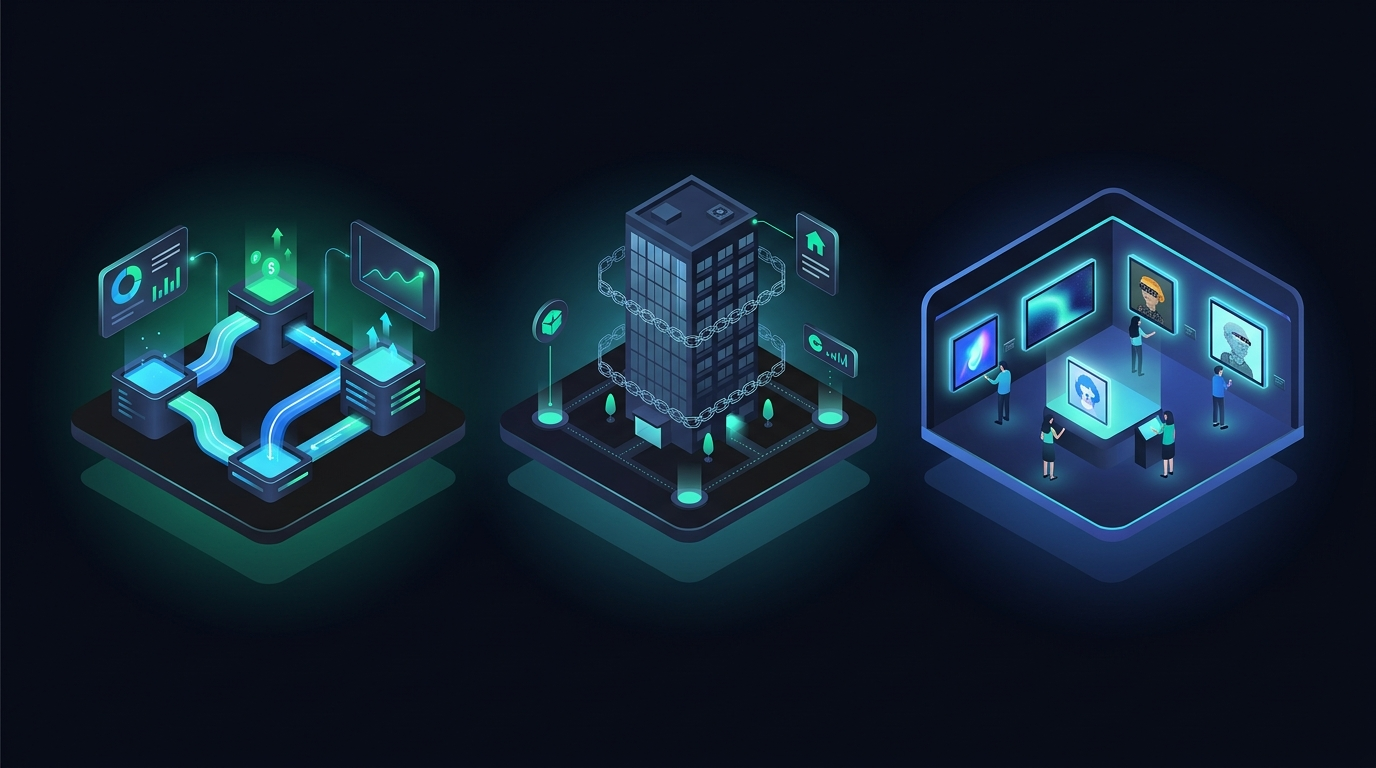
Singapore's NFT Regulatory Landscape - What MAS Rules Mean for Collectors and Creators
This section provides general informational context. It is not legal advice - consult a qualified Singapore legal professional for guidance specific to your situation.
Singapore's regulatory framework for NFTs is best understood through what it isn't: it's not a ban, not a blanket licence requirement, and not a restrictive overlay on creative activity. What it is - pragmatic and activity-based.
The core principle: MAS evaluates the substance of a digital asset, not just its label. An NFT that functions purely as digital art or a digital collectible (a "vanilla" NFT) is largely unregulated. An NFT that carries the economic characteristics of a security - profit-sharing rights, investment scheme characteristics, or governance rights over a collective fund - falls under the Securities and Futures Act (SFA) and requires appropriate licensing.
Key facts for collectors: NFT purchases are treated as acquiring property - Singapore courts will enforce ownership rights. If you're an individual selling NFTs, GST may apply to the sale. IRAS has materially increased audits on crypto transaction reporting - keeping records of NFT purchase prices and sale proceeds is strongly recommended. Singapore has no capital gains tax, but income-classified NFT profits may be subject to income tax depending on trading frequency and intent.
Key facts for creators: If your NFT includes profit-sharing rights, fractional ownership structures, or investment return characteristics, it likely requires SFA analysis. Vanilla art NFTs - no investment characteristics, no DAO fund management - operate under general contract and copyright law. The FSMA DTSP regime (effective June 30, 2026) targets digital token service providers operating out of Singapore for overseas customers; individual collectors and creators are not directly impacted by this regime.
Singapore's enabling approach stands in clear contrast to jurisdictions that have imposed outright prohibitions or blanket restrictions on digital asset activity.
Conclusion - The Future of Singaporean NFT Projects in 2026 and Beyond
Singapore's NFT journey traces a clear arc: explosive entry in 2021, market correction and consolidation through 2022-2024, and a more deliberate, utility-focused revival in 2026. The projects that survived the contraction - Imaginary Ones, the Mintable infrastructure layer, Another-1's phygital model - did so because they built something with genuine function beyond speculative trading.
🟢 BEGINNER COLLECTOR
- Start with established Singapore collections (Imaginary Ones, Dark Zodiac) on secondary markets rather than new drops
- Use free tools (OpenSea analytics, Rarity.tools, Etherscan) before considering paid subscriptions
- Join NFT Asia and the Singapore FinTech Festival community to build knowledge before capital commitment
🔵 INTERMEDIATE COLLECTOR
- Apply the 10-point evaluation checklist to every project before purchase
- Diversify across categories: one art collection, one GameFi position, one phygital exposure
- Track on-chain metrics weekly - floor trend and holder distribution are the two most predictive signals
🟡 CREATOR / PROJECT BUILDER
- Phygital and utility-first are the models attracting collector capital in 2026 - pure art collections face a harder market
- Leverage Singapore's legal clarity: doxxed founding teams, audited contracts, and clear utility definitions reduce friction
- Consider collaborations with established Singapore brands - the Hugo Boss . Imaginary Ones precedent set a template
Where does the Singapore NFT ecosystem go from here? Three forces shape the trajectory. Phygital NFTs - led by Another-1's NFC model - are likely to define Singapore's next major creative export as luxury and streetwear brands seek verifiable digital twin infrastructure. Institutional engagement is deepening: Padimai Art & Tech Studio's opening signals that Singapore's post-hype digital art scene is entering a more considered, preservation-focused phase. And Southeast Asia's expanding digital middle class provides the organic demand base that the region's GameFi and metaverse projects are building toward.
The self-custody principle that underpins blockchain - users controlling their own assets without relying on intermediaries - is what makes Singapore's NFT projects, at their best, genuinely different from traditional digital asset classes. Verifiable ownership, transparent on-chain mechanics, and assets that can't be arbitrarily seized or altered by a centralised operator: these properties matter more, not less, as digital assets become a larger share of how people store and express value.
The cycle will continue. Singapore will keep building.
Crypto and NFT activity involves substantial risk of loss. On-chain assets can decline in value, become illiquid, or lose value entirely. This article is for informational purposes only and does not constitute financial advice. Always conduct your own research before making any purchase decisions.
Last updated: April 2026.
Frequently Asked Questions
What are Singaporean NFT projects?
Singaporean NFT projects are non-fungible token collections, platforms, and companies founded or headquartered in Singapore. They span generative art collections like Imaginary Ones, phygital fashion brands like Another-1, GameFi platforms like Degame and League of Kingdoms, and marketplace infrastructure like Mintable and Oxalus. Singapore became a significant NFT hub due to its crypto-progressive regulatory environment, the MAS-administered legal framework that recognises NFTs as legal assets, access to Southeast Asian capital markets, and a culturally diverse creator community. As of 2026, Singapore has 20+ active NFT companies documented across multiple industry directories.
Which are the most famous NFT projects from Singapore?
The most widely recognised Singapore NFT projects include Imaginary Ones (8,888 3D art NFTs that sold out in 4 minutes and partnered with Hugo Boss), IreneDAO (influencer Irene Zhao's DAO-governed collection that generated over $5M in first-week trading volume), Mintable (one of Singapore's longest-running Ethereum NFT marketplaces), Another-1 (phygital fashion platform linking physical garments to digital twins via NFC), and League of Kingdoms (an internationally recognised MMO blockchain strategy game). Each represents a different category within Singapore's NFT ecosystem - art, infrastructure, fashion, and gaming respectively.
What blockchain do most Singaporean NFT projects use?
The majority of Singapore-based NFT projects run on the Ethereum blockchain using the ERC-721 or ERC-1155 standards. Ethereum's liquidity depth, institutional recognition, and smart contract tooling make it the default choice for projects targeting a global collector base. Solana has been used by some newer Singapore projects seeking lower gas fees and faster confirmation times. Crypto.com's chain has also been used for specific drops - SPACEBARS by Shigga Shay was among the first major Singapore music NFT drops on Crypto.com.
Is it legal to buy and sell NFTs in Singapore?
Buying and selling NFTs in Singapore is legal. Singapore courts have formally recognised NFTs as legal assets subject to property law protections - the landmark ruling in Janesh v CHEFPIERRE (2022) established that NFTs can be the subject of injunctions, including against pseudonymous defendants. "Vanilla" NFTs - digital art and collectibles without investment product characteristics - operate under general contract and copyright law with no specific regulatory licensing required. However, NFT sales may be subject to GST in Singapore, as IRAS treats NFT sales as taxable supply of services.
Does MAS regulate NFTs in Singapore?
The Monetary Authority of Singapore (MAS) does not have specific NFT legislation. Instead, MAS evaluates the substance and characteristics of each digital asset. A standard collectible NFT (no profit-sharing, no investment return characteristics) is largely unregulated. If an NFT has the characteristics of a capital markets product - such as profit-sharing rights or collective investment scheme characteristics - it falls under the Securities and Futures Act (SFA) and requires appropriate regulatory compliance. NFT marketplace operators may also fall under the Payment Services Act (PSA) depending on the specific services they provide.
Are NFT profits taxable in Singapore?
NFT-related tax treatment in Singapore involves two considerations. Singapore has no capital gains tax - occasional collectors are generally not subject to income tax on NFT gains. However, if you trade NFTs frequently or in a business-like manner, IRAS may classify the activity as income-generating, making profits subject to income tax. Additionally, NFT sales are treated as a taxable supply of services, meaning GST may apply. IRAS has materially increased its auditing of crypto transaction activity - maintaining clear records of purchase prices and sale proceeds is strongly recommended.
What is a phygital NFT and which Singapore projects use it?
A phygital NFT is a digital token cryptographically linked to a physical object - typically through an NFC chip embedded in the physical item. Owning the NFT verifies ownership of both the digital asset and the associated physical product. When the NFT transfers, all associated assets - digital twin, PFP avatar, 3D model, metaverse wearable, and physical item claim - transfer with it. Another-1 is Singapore's leading phygital NFT company, building exactly this model for fashion. Goka takes a related approach for brand promotion applications. Phygital NFTs directly address the criticism of digital-only collections by creating an inseparable physical-digital ownership structure. See Zipmex's guide on top NFT projects for broader context on global NFT project categories.