Ocean Protocol is a decentralized, blockchain-based infrastructure that lets anyone buy, sell, and monetize data without a central intermediary. Built on Ethereum, it replaces traditional data brokers with a trustless, on-chain exchange - where access is governed by smart contracts, not corporate gatekeepers.
⚡ Key Takeaways
- Ocean Protocol is a decentralized data exchange built on Ethereum where providers and consumers transact directly via blockchain - no corporate gatekeeper in between
- Datatokens (ERC-20) function as cryptographic access keys to specific datasets - buying one grants you access, the data itself never touches the chain
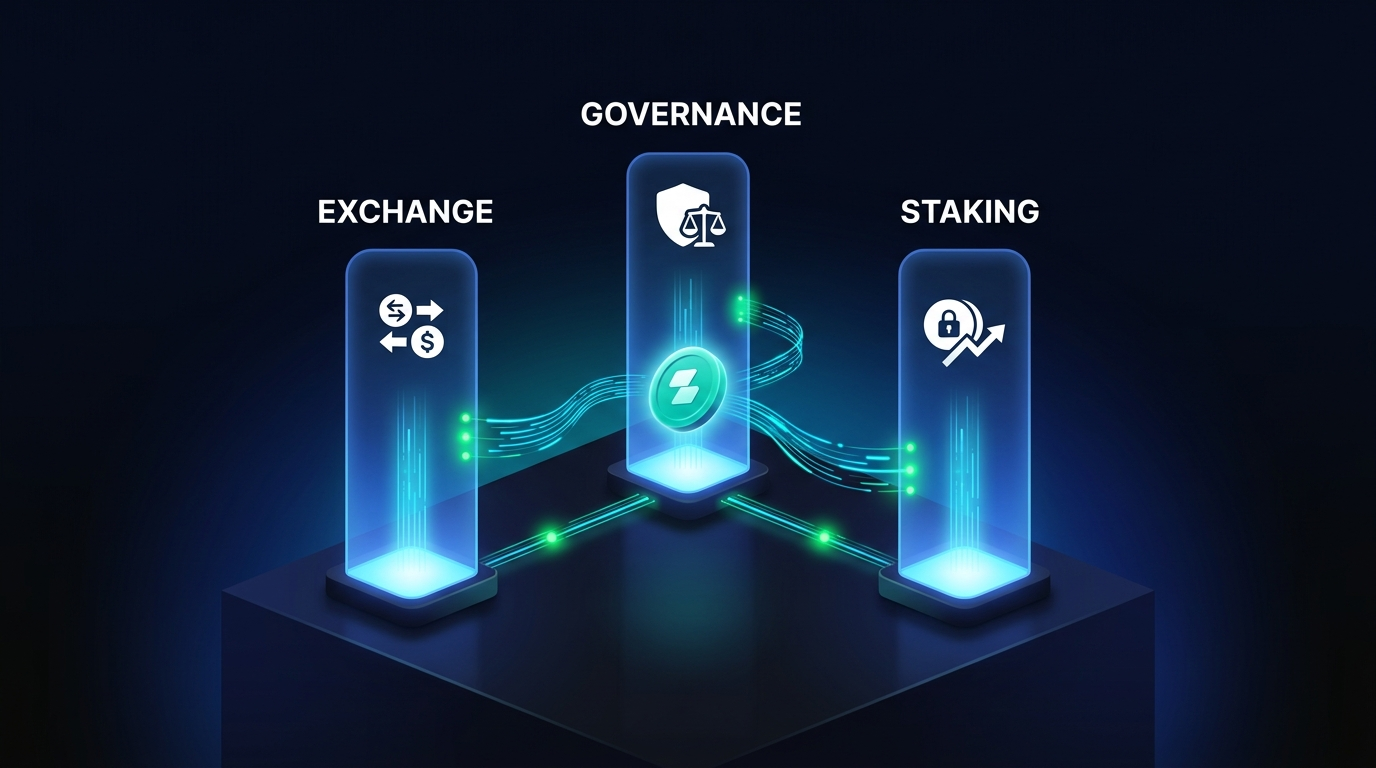
- OCEAN token serves three roles: medium of exchange for datatokens, governance voting in OceanDAO, and staking in dataset liquidity pools
- Compute-to-Data allows AI researchers to train models on private datasets without the data ever leaving the provider's server - full utility, zero exposure
What Is Ocean Protocol? Foundational Concepts and the Problem It Solves
Data is the most valuable resource in the AI economy - and right now, almost all of it is locked behind a handful of corporate walls.
Google, Meta, and a few other platform giants control the overwhelming majority of high-quality behavioral and consumer data. AI startups that need diverse, real-world datasets to train competitive models can't access this data at any price. Meanwhile, enterprises sitting on valuable proprietary data have no efficient, privacy-preserving way to monetize it. The supply is massive; the market for it barely exists.
Founded in 2017 by Bruce Pon and AI researcher Trent McConaghy - who previously built BigChainDB, a blockchain database infrastructure company - Ocean Protocol was designed specifically to fix this structural problem. The project is governed by the Ocean Protocol Foundation, a non-profit headquartered in Singapore, and by OceanDAO, a decentralized autonomous organization through which the community directs development funding.
The core insight is straightforward: treat data like any other financial asset. Tokenize it, give it a market, and let supply and demand - not corporate gatekeeping - determine who gets access and at what price.
Datatokens - How Data Becomes Tradable on the Blockchain
Every dataset published on Ocean Protocol gets its own datatoken - a standard ERC-20 token that functions as a cryptographic access key. Send one datatoken to the relevant provider contract, and you gain access to that specific dataset. Don't have the datatoken? You don't get in. It's access control encoded directly into blockchain logic.
One critical distinction worth internalizing: the data itself doesn't live on-chain. Only the access control does. A dataset could be stored on AWS, a private server, or any off-chain location - Ocean's smart contracts simply govern who is authorized to retrieve it. This keeps storage costs manageable while maintaining the trustless access verification that blockchain enables.
Ocean v4 introduced a second token type alongside datatokens: Data NFTs (ERC-721). Where a datatoken represents access rights to a dataset, a Data NFT represents ownership of the underlying data asset itself. Think of it like real estate: the NFT is the title deed; the datatoken is a lease. Both are stored in standard Ethereum wallets - MetaMask works natively with both token standards.
Compute-to-Data - Running AI on Private Datasets Without Exposing Them
Here's the tension that kills most data marketplace ideas: a data owner who shares their dataset has effectively given it away. Once you've downloaded the data, the provider loses control. For sensitive datasets - patient records, financial transaction histories, proprietary sensor data - this isn't a reasonable trade-off, no matter what the price.
Ocean Protocol's Compute-to-Data (C2D) feature resolves this directly. Instead of sending the data to the algorithm, C2D sends the algorithm to the data. A consumer submits a compute job - say, training a classification model - and Ocean's infrastructure runs that job on the provider's server. The consumer receives the results, never the raw records.
A concrete example: a hospital system holds ten years of anonymized patient diagnostic data. A medical AI startup wants to train an early-detection model on that data. Under a traditional arrangement, sharing the data creates massive compliance liability. With C2D, the startup submits their model training script, it runs inside the hospital's secure environment, and the trained model weights come back - the patient records never move. This is exactly the use case driving Ocean Protocol's relevance in 2026, as healthcare, genomics, and financial institutions explore on-chain data monetization without sacrificing regulatory compliance.
Ocean Market - The Protocol's Decentralized Data Marketplace
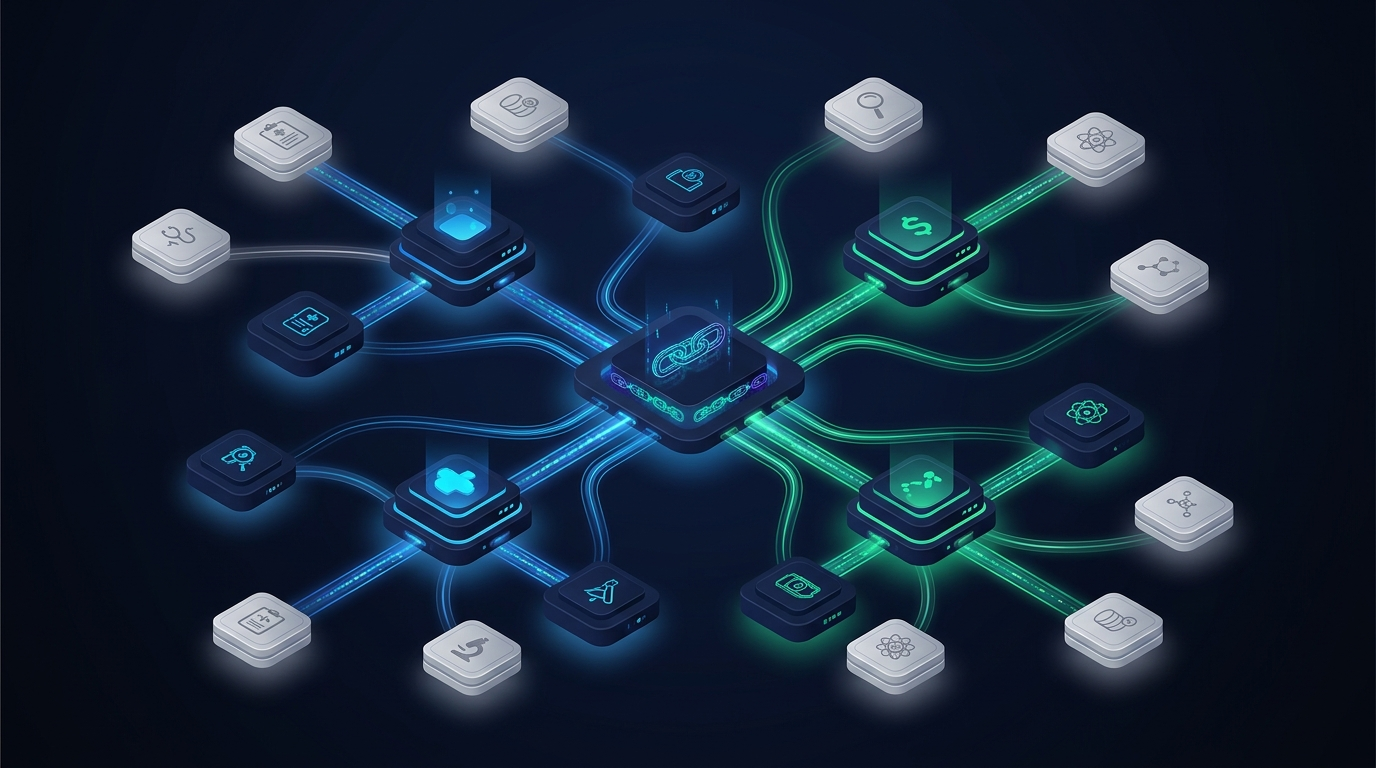
Ocean Market is the flagship implementation of the protocol stack - think of it as Uniswap, but for datasets instead of tokens.
It operates as an automated market maker (AMM), the same mechanism popularized in DeFi. Instead of matching individual buyers and sellers via an order book, AMM-based markets use liquidity pools. A provider publishes a dataset, sets a price (fixed or AMM-discovered), and the pool handles all exchange mechanics automatically via smart contracts.
Publishing a dataset is straightforward: a provider specifies a title, description, price, and an encrypted URL pointing to the off-chain data location. That metadata gets stored on Ethereum. When a consumer purchases the datatoken and redeems it, the URL decrypts directly to their connected wallet - no intermediary, no manual approval. Every transaction on Ocean Market generates a fee distributed transparently across three parties:
Ocean doesn't just run its own marketplace - it provides the full protocol stack as open infrastructure. Third parties can fork Ocean Market or build on Ocean's code libraries to create specialized data marketplaces for specific verticals. One of the highest-profile examples: Acentrik, an enterprise-grade data marketplace built by Mercedes-Benz Singapore on top of the Ocean stack. That kind of institutional adoption signals something more durable than speculative infrastructure.
What Is the OCEAN Token and Why Does It Have Value?
OCEAN's value comes from three distinct utility pillars - not from speculation on future adoption:
The supply side is fixed: there is a hard cap of 1.41 billion OCEAN tokens, making it structurally deflationary relative to fee-generating demand growth. OceanDAO, launched in November 2020, is the governance mechanism where this plays out in practice. OCEAN holders submit and vote on grant proposals - funding development teams, community outreach initiatives, technical integrations, and ecosystem partnerships. Every proposal lives on-chain; votes and disbursements are publicly auditable.
The ERC-20 standard means OCEAN is composable across the broader DeFi ecosystem. Holders can move between OCEAN, ETH, DAI, UNI, and hundreds of other tokens without any centralized exchange acting as intermediary - a property that matters for a protocol built around the principle of decentralized ownership.
How to Get Started with Ocean Protocol - A Step-by-Step Guide
None of Ocean Protocol's mechanics require technical expertise to use. The onboarding process follows a predictable path regardless of whether you're buying data or selling it.
- Set up an Ethereum-compatible wallet - MetaMask is the standard. It supports both ERC-20 (OCEAN, datatokens) and ERC-721 (Data NFTs) out of the box. Download the browser extension or mobile app, create a wallet, and secure your seed phrase offline.
- Acquire OCEAN tokens - OCEAN is listed on major centralized exchanges. Purchase OCEAN with fiat or another crypto asset, then withdraw to your MetaMask wallet. Once tokens are in a self-custodial wallet, you control the keys. There's no account recovery if you lose your seed phrase - write it down, store it offline.
- Connect your wallet to Ocean Market - Navigate to oceanmarket.com and connect MetaMask. The interface reads your wallet address and token balances automatically.
- Browse and purchase datasets (Consumer role) - Search available datasets by category, price, or compute compatibility. Select a dataset, review the provider's metadata and description, then purchase the associated datatoken using OCEAN. Redemption is near-instant - the dataset URL decrypts directly to your connected wallet.
- Publish and monetize your own data (Provider role) - Have a dataset worth selling? Tokenize it through Ocean Market's publish interface. Set a title, description, pricing model (fixed or AMM), and an encrypted link to your off-chain data. Ocean mints your datatoken automatically. From that point, your data is available to a global market of researchers, AI developers, and enterprises - without you ever losing custody of the underlying asset.
⚠ Self-Custody Risk
- Losing your seed phrase → permanent loss of access to all tokens in that wallet - no recovery option exists
- Keeping tokens on an exchange → the exchange holds the keys, not you - defeats the purpose of a self-custodial protocol
- Storing seed phrase digitally → screenshots, cloud storage, and messaging apps are all vulnerable - always store offline on paper
How to Evaluate Ocean Protocol - Use Cases, Strengths, and Risks
No protocol deserves uncritical enthusiasm. Here's an honest breakdown of where Ocean Protocol genuinely delivers - and where real risks exist.
Web3 Data Economy vs. Centralized Alternatives - Where Ocean Protocol Fits
The honest comparison against centralized data marketplace alternatives looks like this:
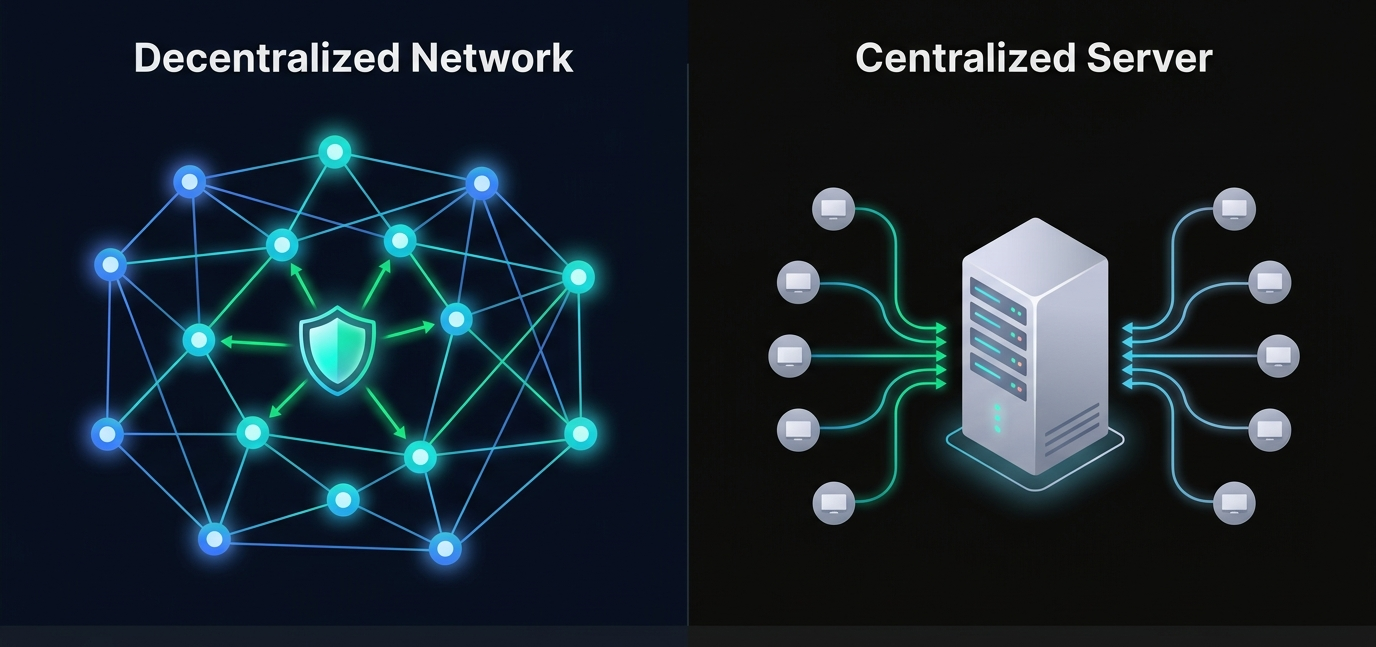
The framework for decision is clear: Ocean Protocol wins on privacy control, DeFi composability, and censorship resistance. Centralized alternatives win on enterprise integration depth and ease of first use. Ocean is the stronger option when data privacy is non-negotiable or when the use case demands on-chain programmability - not universally superior, but genuinely superior for the right problem set.
How to Get Started with Ocean Protocol - A Step-by-Step Guide
None of Ocean Protocol's mechanics require technical expertise to use. The onboarding process follows a predictable path regardless of whether you're buying data or selling it.
- Set up an Ethereum-compatible wallet - MetaMask is the standard. It supports both ERC-20 (OCEAN, datatokens) and ERC-721 (Data NFTs) out of the box. Download the browser extension or mobile app, create a wallet, and secure your seed phrase offline.
- Acquire OCEAN tokens - OCEAN is listed on major centralized exchanges. Purchase OCEAN with fiat or another crypto asset, then withdraw to your MetaMask wallet. Once tokens are in a self-custodial wallet, you control the keys. There's no account recovery if you lose your seed phrase - write it down, store it offline.
- Connect your wallet to Ocean Market - Navigate to oceanmarket.com and connect MetaMask. The interface reads your wallet address and token balances automatically.
- Browse and purchase datasets (Consumer role) - Search available datasets by category, price, or compute compatibility. Select a dataset, review the provider's metadata and description, then purchase the associated datatoken using OCEAN. Redemption is near-instant - the dataset URL decrypts directly to your connected wallet.
- Publish and monetize your own data (Provider role) - Have a dataset worth selling? Tokenize it through Ocean Market's publish interface. Set a title, description, pricing model (fixed or AMM), and an encrypted link to your off-chain data. Ocean mints your datatoken automatically. From that point, your data is available to a global market of researchers, AI developers, and enterprises - without you ever losing custody of the underlying asset.
⚠ Self-Custody Risk
- Losing your seed phrase → permanent loss of access to all tokens in that wallet - no recovery option exists
- Keeping tokens on an exchange → the exchange holds the keys, not you - defeats the purpose of a self-custodial protocol
- Storing seed phrase digitally → screenshots, cloud storage, and messaging apps are all vulnerable - always store offline on paper
How to Evaluate Ocean Protocol - Use Cases, Strengths, and Risks
No protocol deserves uncritical enthusiasm. Here's an honest breakdown of where Ocean Protocol genuinely delivers - and where real risks exist.
Web3 Data Economy vs. Centralized Alternatives - Where Ocean Protocol Fits
The honest comparison against centralized data marketplace alternatives looks like this:
The framework for decision is clear: Ocean Protocol wins on privacy control, DeFi composability, and censorship resistance. Centralized alternatives win on enterprise integration depth and ease of first use. Ocean is the stronger option when data privacy is non-negotiable or when the use case demands on-chain programmability - not universally superior, but genuinely superior for the right problem set.
Ocean Protocol Ecosystem, Roadmap, and the Future of Decentralized Data
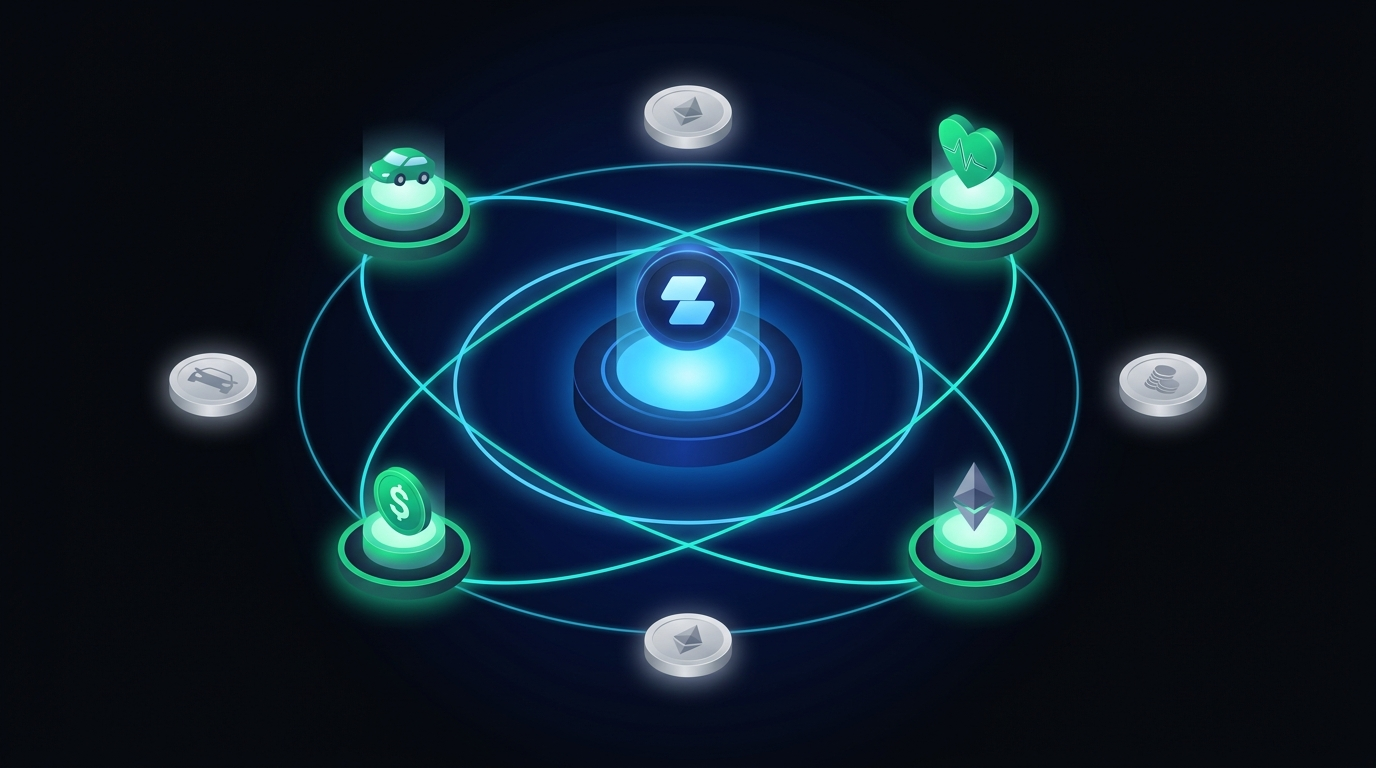
The strength of any protocol infrastructure is ultimately measured by what gets built on top of it.
OceanDAO serves as Ocean Protocol's community investment engine. OCEAN holders submit grant proposals - funding development teams, technical integrations, marketing initiatives, and research projects - and vote on which receive funding. Since its November 2020 launch, OceanDAO has directed meaningful capital toward ecosystem growth while maintaining transparent, on-chain accounting for every disbursement.
Ocean Predictoor, launched in partnership with Oasis Network and Celer on Oasis Sapphire mainnet, is the protocol's most significant recent product extension. It functions as an accuracy-incentivized prediction feed: participants stake OCEAN tokens on predicted price movements of digital assets. Correct predictions earn additional OCEAN; incorrect ones result in a partial stake loss. The economic design matters - by requiring stakers to put capital at risk, Predictoor filters out noise and surfaces only high-conviction signals.
Mercedes-Benz building enterprise data infrastructure on Ocean Protocol is not a trivial signal. Enterprise adoption of blockchain infrastructure has historically been slow and cautious - a Tier 1 automotive manufacturer deploying production infrastructure on Ocean carries a credibility weight that whitepapers alone can't manufacture.
The macro trajectory compounds this. Global AI investment is accelerating, and the bottleneck isn't compute anymore - it's data. Every foundation model requires vast quantities of high-quality training data; the market for that data is structurally underserved. Ocean Protocol's entire infrastructure is built precisely for this problem, at exactly the moment the problem is becoming most acute.
Conclusion — Is Ocean Protocol Worth Your Attention in 2026?
Data is the infrastructure of the AI era — and Ocean Protocol is a serious bet that this infrastructure should be decentralized, verifiable, and accessible to anyone, not just the companies that happened to collect the most of it first.
Whether it warrants your attention depends on who you are:
Platforms built on on-chain verifiability, self-custodial control, and transparent fee structures — properties Ocean Protocol was designed around from day one — reflect where decentralized infrastructure is heading as users demand more accountability from the systems they trust with their data and capital.
That said, Ocean Protocol carries real execution risk. Marketplace liquidity is still building. Regulatory clarity around tokenized data markets hasn't materialized in most jurisdictions. And token price remains correlated with broader crypto market sentiment, not just protocol fundamentals. Eyes open on all three.
⚠️ Risk Disclaimer
- Crypto trading involves substantial risk of loss → leveraged trading, staking, and participation in prediction markets can result in the loss of your entire capital
- This article is for informational purposes only → it does not constitute financial or investment advice
- Conduct your own due diligence → verify all figures against current platform specifications before making any financial decisions
Last updated: April 2026.
Frequently Asked Questions
What is Ocean Protocol in simple terms?
Ocean Protocol is a decentralized marketplace where data providers and consumers transact directly using blockchain technology. Instead of going through a centralized data broker, anyone can publish a dataset, tokenize it as an ERC-20 datatoken, and sell access to researchers, AI developers, or enterprises worldwide. The protocol runs on Ethereum, so all access control and transactions are publicly auditable on-chain. In practical terms, it turns data — something previously difficult and risky to monetize — into a tradable financial asset with full on-chain transparency and no intermediary taking a controlling cut.
What problem does Ocean Protocol solve?
The global data economy has a structural access problem: high-quality data is concentrated in the hands of a few large corporations, while AI startups that need diverse datasets can't access it at any price. On the supply side, enterprises with valuable proprietary data have no privacy-preserving way to monetize it — sharing the data means losing control of it permanently. Ocean Protocol solves both sides simultaneously. Data consumers get a permissionless marketplace with global reach. Providers can monetize data without ever surrendering custody, thanks to the Compute-to-Data feature that runs algorithms on the provider's own server.
What is the OCEAN token used for?
OCEAN serves three primary functions. First, it's the medium of exchange for purchasing datatokens on Ocean Market — data consumers spend OCEAN to access datasets. Second, OCEAN holders participate in protocol governance through OceanDAO, voting on which community proposals receive grant funding and which protocol upgrades move forward. Third, OCEAN can be staked in dataset liquidity pools, earning holders a share of the exchange fees generated by that pool's trading volume. The token has a hard cap of 1.41 billion — enforced at the protocol level, no additional supply can ever be minted.
How does Compute-to-Data work on Ocean Protocol?
Compute-to-Data (C2D) inverts the traditional data-sharing model. Instead of sending data to the algorithm — which requires transferring custody — C2D sends the algorithm to the data. A consumer submits a compute job, and Ocean's infrastructure executes it on the provider's own server. The consumer receives only the output: model weights, aggregated statistics, or analysis results. The raw dataset never leaves the provider's environment. This makes it possible to monetize genuinely sensitive data — medical records, financial transaction histories, proprietary sensor streams — without the compliance risk that comes with transferring data to a third party.
What is Ocean Market and how does it work?
Ocean Market is the primary data marketplace built on top of Ocean Protocol, operating as an automated market maker (AMM) — similar in structure to Uniswap but applied to data access rather than token swaps. Providers publish datasets by specifying a title, description, pricing model, and an encrypted URL pointing to the off-chain data. Consumers browse the catalog, purchase datatokens with OCEAN, and redeem them for data access. Every transaction generates a roughly 0.3% fee split equally among stakers, the marketplace, and the Ocean community treasury. All mechanics run through smart contracts — no intermediary approval required at any step.
Can I stake OCEAN tokens and earn rewards?
Yes. OCEAN staking on Ocean Market works by providing liquidity to dataset-specific pools — you stake OCEAN alongside a particular datatoken, becoming a liquidity provider for that dataset's trading pair. In return, you earn a share of the exchange fees generated by that pool. The default fee allocated to stakers is approximately 0.1% of pool trading volume, though individual data providers can adjust this when configuring their datasets. Stakers who curate high-quality, high-volume datasets earn proportionally more — the mechanism incentivizes genuine curation of the marketplace rather than passive yield farming on low-activity pools.
What are the main risks of using Ocean Protocol?
Ocean Protocol carries several distinct risk categories. Token volatility: OCEAN price correlates with broader crypto market sentiment and can move sharply regardless of protocol fundamentals. Regulatory uncertainty: tokenized data markets occupy an unclear legal space in most jurisdictions, and this could change rapidly. Adoption risk: Ocean Market's usefulness scales with participant density — a thin marketplace limits both dataset availability and datatoken liquidity. Technical complexity: Compute-to-Data requires provider-side infrastructure setup; it's not plug-and-play for every organization. Smart contract risk: as with all on-chain protocols, vulnerabilities in contract code represent a potential attack surface. Crypto participation involves substantial risk of loss.