Search any crypto forum or Telegram channel long enough and you will stumble across a bold claim: a secret "Quantum Financial System" is about to replace every bank on Earth. The idea has attracted millions of believers - and cost unsuspecting investors real money through documented scams. So what is QFS, and does it have any basis in reality?
⚡ Quick Answer
QFS (Quantum Financial System) is not a real, operational system. No central bank, government, or major financial institution has ever confirmed its existence. The concept blends legitimate quantum computing terminology with unverified conspiracy theories about a global financial reset. While real quantum computing research in finance is happening - at JPMorgan, Goldman Sachs, and HSBC - it has nothing to do with QFS claims. Worse, the QFS narrative has been used to promote crypto scams that have cost victims millions of dollars.
Quantum Financial System Explained - What People Claim QFS Is
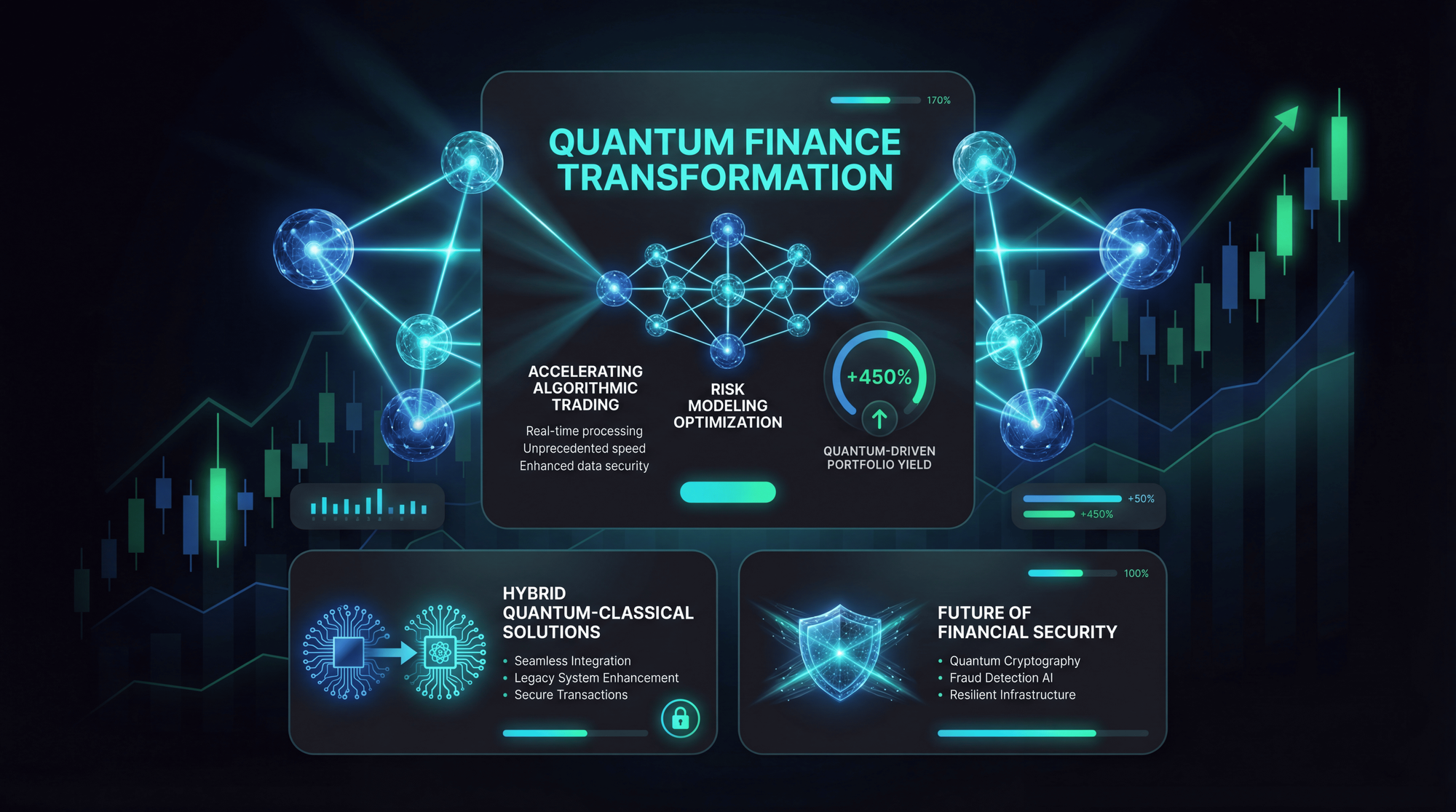
To understand the QFS debate, you first need to know what its proponents actually claim. The quantum financial system, as described across forums, Telegram channels, and conspiracy-oriented websites, is supposedly a satellite-based financial network powered by quantum computing that will replace every existing banking system - including SWIFT, the global messaging network banks use for cross-border transactions.
Believers say QFS will assign a unique digital signature to every unit of currency on the planet, making counterfeiting impossible and corruption traceable in real time. According to these narratives, the system already exists, developed in secret by military "white hats" or allied governments, and is simply waiting for activation.
These are extraordinary claims. And as we will demonstrate throughout this article, none of them are supported by verifiable evidence from any credible institution.
QFS Meaning and Where the Idea Came From
The term "QFS" began appearing in online communities between 2017 and 2020, roughly overlapping with the rise of the QAnon movement. Its origins are murky - there is no single whitepaper, no founding organization, and no peer-reviewed research behind the concept.
The QFS meaning, as commonly understood in these circles, combines three ideas: quantum computing (a real technology), a global financial reset (an unverified prediction), and satellite-based infrastructure (technically implausible at the scale described). The term gained traction because it sounds advanced and plausible to people unfamiliar with how quantum computing actually works.
What makes the narrative sticky is that it borrows real terminology. Quantum computing is a genuine field of research. Financial systems do need modernization. And cross-border payments are genuinely slow and expensive. QFS proponents take these real problems and claim that a secret solution already exists - you just need to believe.
The NESARA/GESARA Connection
The QFS narrative does not exist in isolation. It is deeply intertwined with NESARA and GESARA - two related conspiracy theories that have circulated since the late 1990s.
NESARA stands for the National Economic Security and Reformation Act. A real proposal by that name was drafted by Harvey Francis Barnard in the 1990s and suggested reforms to the U.S. tax system. The bill was never introduced in Congress, let alone passed into law. However, starting around 2000, a figure named Shaini Goodwin - who went by "Dove of Oneness" - began claiming that NESARA was secretly signed into law and would trigger a massive debt jubilee, gold-backed currency, and the end of income tax.
GESARA is the supposed global equivalent - a worldwide economic reset. The Anti-Defamation League (ADL) has classified NESARA/GESARA as an extremist conspiracy theory. Researchers at Bellingcat have described it as a "grandfather" of QAnon-adjacent beliefs.
QFS is framed as the technological infrastructure that will make NESARA/GESARA happen. In the narrative, QFS replaces the traditional banking ledger with a quantum-secured system, and NESARA/GESARA provides the political framework for the reset. Neither has any verified institutional backing.
Is QFS Real? Separating Fact from Fiction
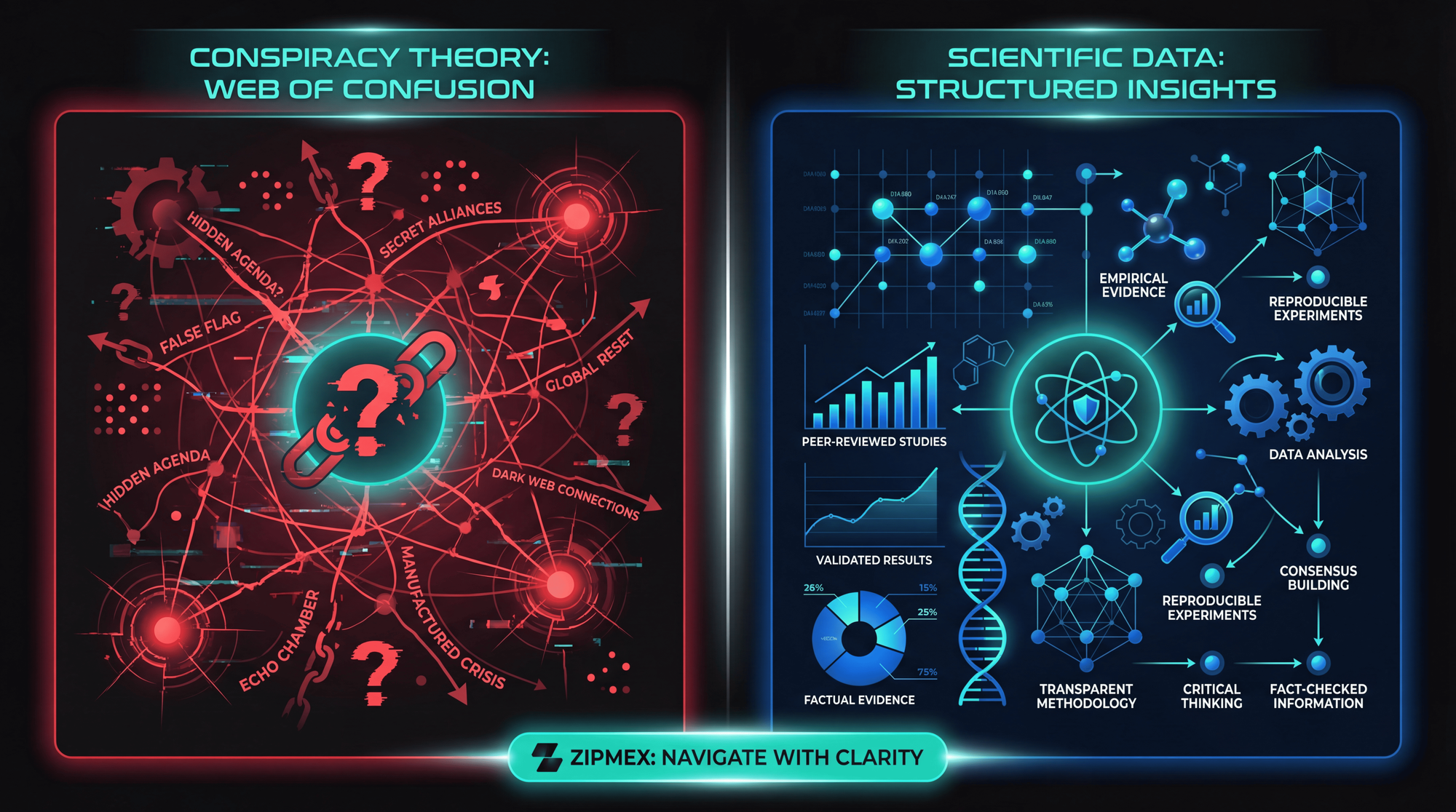
This is the central question, and the answer is straightforward: no major financial institution, central bank, government, or credible technology company has confirmed that QFS exists as a functioning system.
Let us examine the specific claims and hold them against verifiable reality.
The pattern is consistent: QFS claims take something real (quantum computing, ISO 20022, satellite communication) and attach it to an unverifiable narrative. No peer-reviewed paper describes QFS. No central bank acknowledges it. No technology company is building it.
What does exist is ISO 20022, a legitimate global messaging standard for financial transactions that SWIFT and many banks are gradually adopting. Some QFS proponents claim ISO 20022 is "proof" that QFS is coming, but this is a fundamental misunderstanding - or deliberate misrepresentation - of what ISO 20022 actually does.
🎯 Key Takeaways
- No institution confirms QFS - not the Federal Reserve, the ECB, the IMF, or any central bank
- Zero peer-reviewed research exists describing QFS as a real system
- ISO 20022 ≠ QFS - it is a standard messaging format, not a quantum system
- Every "activation date" predicted for QFS has passed without any event occurring
QFS and Cryptocurrency - Scams You Need to Know
Perhaps the most damaging aspect of the QFS narrative is how it has been exploited to steal money from real people. The intersection of QFS and cryptocurrency has become a fertile ground for fraud, and investors need to understand the documented cases.
The FBI reported in 2023 that investment scams accounted for 71% of all crypto-related fraud losses. QFS-branded scams are a growing subset of this problem.
QFS Crypto Tokens and Documented Fraud Cases
Several specific QFS crypto schemes have been documented and prosecuted:
Vietnam QFS Coin Scam (December 2024): Vietnamese police dismantled a fraud ring that had collected over $1 million from victims by selling a fake "QFS Coin." The scammers claimed their token was backed by "ancient national treasures" and connected to the quantum financial system. Police arrested the organizers and seized assets.
WhipLash347/PatriotQakes Telegram Network: Investigative journalists at Cointelegraph and New Lines Magazine documented a large-scale scam operation on Telegram that used QFS narratives to promote fake Stellar network tokens, sell "quantum phone" devices, and send phishing emails promising payouts of 1.5 million XRP per person. Victims lost millions of dollars.
Fraudulent QFS Tokens on Stellar: The blockchain analytics platform Stellar.expert flagged an asset named "QFS" on the Stellar network for "illicit or fraudulent activity." This is notable because many QFS proponents specifically claim that XRP and Stellar's XLM will be the currencies used by QFS - a claim that has no basis in reality but has driven pump-and-dump schemes.
⚠ Scam Warning
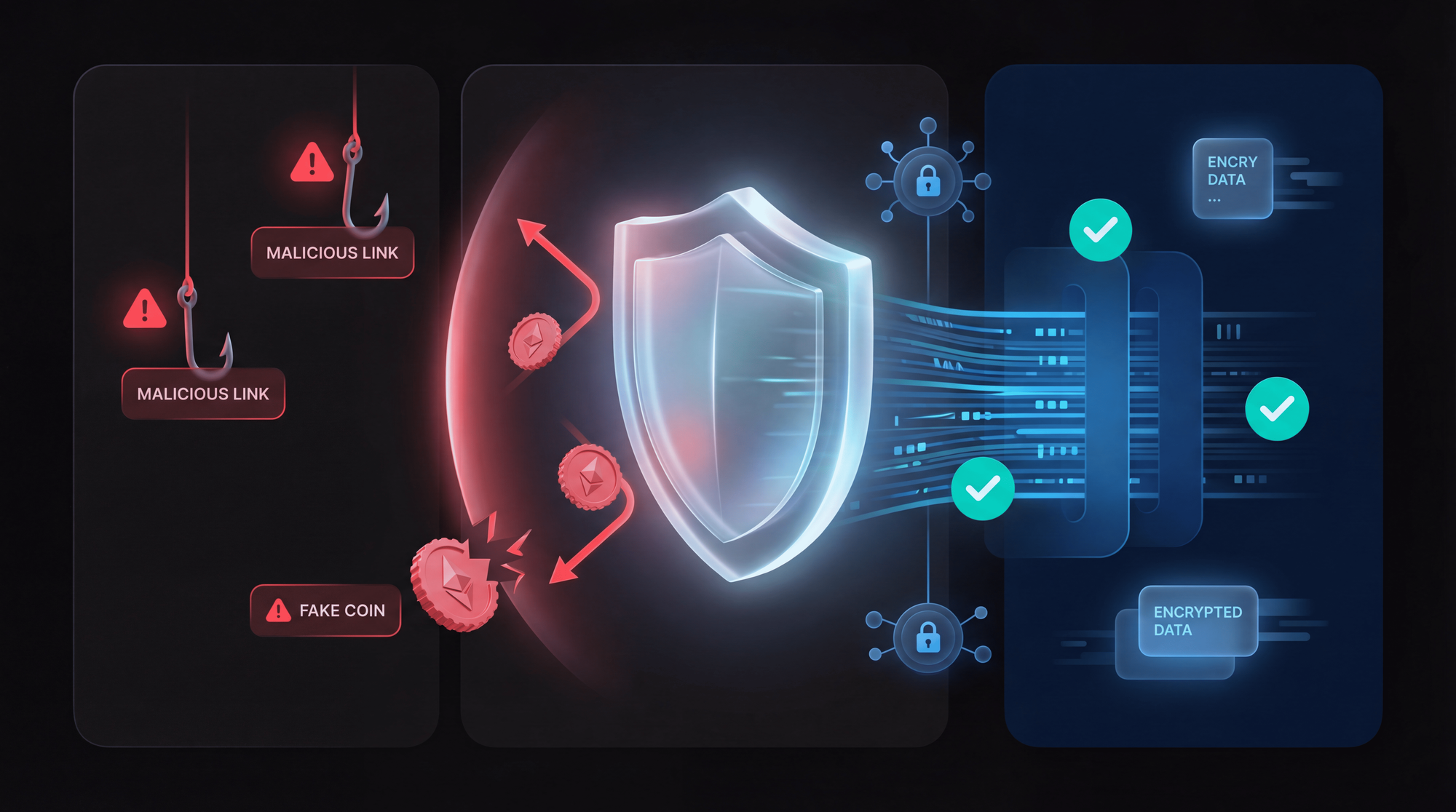
If anyone tells you to buy a specific cryptocurrency because "QFS is coming" or "QFS will make this coin worth thousands," they are likely running a scam. No legitimate cryptocurrency project has any verified connection to QFS. Always verify claims through official project documentation, and never invest based on Telegram rumors or conspiracy-linked predictions. Read our guide to cryptocurrency predictions to learn how to evaluate market claims critically.
What Is QFS vs Real Quantum Computing in Finance
Here is where the conversation gets genuinely interesting - because while QFS itself is a conspiracy theory, quantum computing in finance is very real. The gap between the two is enormous, and understanding it is essential for any crypto investor.
Real quantum computing research in finance focuses on specific, practical applications: faster risk calculations, improved portfolio optimization, better fraud detection, and more efficient derivatives pricing. None of these applications involve replacing the global banking system with a satellite network.
The quantum computing market in financial services was valued at approximately $3.52 billion in 2025 and is projected to reach $20.2 billion by 2030, growing at a 41.8% compound annual growth rate. These are real numbers, backed by real investment from real companies.
Here is what the major players are actually doing:
JPMorgan Chase has invested heavily in quantum computing, with reports indicating up to $10 billion committed to quantum technology research. Their work focuses on portfolio optimization, risk analysis, and Monte Carlo simulations. In pilot programs, quantum algorithms have demonstrated a 90% reduction in processing time for complex financial calculations compared to classical methods.
Goldman Sachs has partnered with quantum computing firms to run derivatives pricing models. Their research has shown quantum algorithms performing up to 25 times faster than classical computing methods for certain risk analysis tasks.
HSBC is exploring quantum-resistant cryptography and quantum key distribution (QKD) to future-proof its security infrastructure. This is about protecting against the threat quantum computers might pose to current encryption - the opposite of the QFS narrative, which assumes quantum technology is a tool for liberation rather than a potential security challenge.
QFS Blockchain Claims vs Actual Quantum Research
QFS proponents frequently claim that QFS uses "quantum blockchain" - a blockchain secured by quantum computing that cannot be hacked. This sounds impressive but misrepresents both technologies.
In reality, quantum computing and blockchain have a complicated relationship. Current blockchain security relies on cryptographic algorithms that sufficiently powerful quantum computers could theoretically break. This is why researchers are developing "post-quantum cryptography" - new encryption methods resistant to quantum attacks.
The actual quantum computing research happening in finance is useful, important, and entirely distinct from QFS claims. No one at JPMorgan or Goldman Sachs is building a satellite-based currency replacement. They are solving specific computational problems that classical computers handle too slowly.

The Verdict - QFS Conspiracy or Reality?
After examining the evidence, the conclusion is clear: QFS as described by its proponents is a conspiracy theory, not a real technology.
The narrative follows a pattern researchers have documented extensively. A New Lines Magazine investigation (July 2025) revealed how QFS narratives are specifically designed to drive cryptocurrency pump-and-dump schemes, with some promoters targeting elderly victims and communities with limited financial literacy. Even some U.S. lawmakers have been drawn into promoting related conspiracy content.
📅 QFS Conspiracy Timeline
Late 1990s
Harvey Barnard drafts the original NESARA proposal - a legitimate tax reform bill that was never introduced in Congress.
2000-2005
Shaini Goodwin ("Dove of Oneness") hijacks NESARA, claims it was secretly signed into law and will trigger a global financial reset.
2017-2020
QFS terminology emerges, blending quantum computing buzzwords with NESARA/GESARA conspiracy. Overlaps with QAnon growth.
2021-2024
QFS-linked crypto scams proliferate - fake tokens, phishing schemes, and pump-and-dumps target believers. Multiple arrests worldwide.
2025-2026
Predicted "activation dates" pass without incident. Real quantum computing in finance continues to advance through legitimate research.
This does not mean quantum technology is irrelevant to finance - far from it. But the real story is about incremental improvement, not revolution. Quantum computers will likely make staking protocols more efficient, risk models more accurate, and fraud detection more robust. These are meaningful advances worth tracking.
The QFS narrative, by contrast, promises everything and delivers nothing except opportunities for scammers.
🎯 Key Takeaways
- QFS is a conspiracy theory - no verifiable evidence supports its existence as an operational system
- Real quantum computing in finance is a $3.5B+ industry led by JPMorgan, Goldman Sachs, and HSBC
- QFS crypto scams are documented - including arrests, seized assets, and flagged tokens
- NESARA/GESARA was never enacted - it remains an extremist conspiracy theory classified by the ADL
- Always verify investment claims through official sources, not anonymous channels
Frequently Asked Questions
What does QFS stand for?
QFS stands for "Quantum Financial System." It is a term used primarily in online conspiracy communities to describe a hypothetical satellite-based financial network powered by quantum computing. No government or financial institution has confirmed QFS as a real system.
Is QFS a real technology?
No. QFS as described by its proponents - a global, satellite-based quantum system ready to replace all banks - does not exist. Real quantum computing research in finance is happening at companies like JPMorgan and Goldman Sachs, but it focuses on specific calculations like risk analysis and portfolio optimization, not replacing the banking system.
What is the connection between QFS and NESARA/GESARA?
QFS is presented as the technological infrastructure for the NESARA/GESARA financial reset. NESARA was a real bill drafted in the 1990s that was never introduced in Congress. Conspiracy theorists claim it was secretly signed and will trigger debt forgiveness and gold-backed currency. The ADL classifies NESARA/GESARA as an extremist conspiracy theory.
Are QFS crypto tokens legitimate?
No known QFS-branded cryptocurrency token has legitimate backing. Vietnamese police dismantled a QFS coin scam worth over $1 million in December 2024. The Stellar network has flagged a QFS token for illicit activity. Any token marketed as "QFS-backed" should be treated as extremely high risk.
Will quantum computing affect cryptocurrency?
Yes, but not in the way QFS proponents claim. Quantum computing could eventually threaten the cryptographic security of current blockchains, which is why researchers are developing post-quantum cryptography. Quantum technology may also improve financial modeling and fraud detection. These are gradual, research-driven advances - not a sudden replacement of the financial system.
Is XRP connected to QFS?
No. Despite persistent claims in conspiracy communities, neither Ripple (the company behind XRP) nor the XRP Ledger Foundation has confirmed any connection to QFS. These claims have been used to promote pump-and-dump schemes, as documented by investigative journalists.
How can I protect myself from QFS scams?
Never invest based on claims from anonymous Telegram channels or social media accounts. Verify all investment information through official project documentation and reputable financial news sources. Be especially skeptical of anyone promising guaranteed returns tied to a "financial reset" or QFS activation date.
Conclusion - What Is QFS and Why It Matters
Understanding what QFS is - and what it is not - matters for every crypto investor. The quantum financial system, as promoted in conspiracy communities, is a fabricated concept built on real terminology but without any institutional backing, peer-reviewed research, or verifiable evidence.
Real quantum computing in finance is a different story entirely. It is a legitimate, well-funded field that will likely bring meaningful improvements to risk analysis, fraud detection, and computational efficiency over the coming decade. As an investor, following the real developments - through published research and official corporate announcements - is far more valuable than chasing conspiracy-driven hype.
The single most important takeaway: if someone tells you to buy a specific crypto asset because QFS is about to activate, they are either misinformed or trying to take your money. Protect yourself by demanding evidence, consulting multiple sources, and treating extraordinary claims with appropriate skepticism.
Ready to Invest Based on Facts, Not Fiction?
Explore verified crypto assets on Zipmex - a trusted platform built on transparency and real market data.
Start Trading Now →⚠ Disclaimer: The information provided in this article is not intended to provide investment or financial advice. Investment decisions should be based on the individual's financial needs, objectives, and risk profile. We encourage readers to understand the assets and risks before making any investment entirely. Cryptocurrency investments are subject to high market risk. Past performance does not guarantee future results.