With Bitcoin trading at ~$91,700 in January 2026 and institutional adoption reaching unprecedented levels, one question continues to dominate crypto forums: how much Bitcoin do you actually need to be considered among the elite holders?
The answer might surprise you - it's far less than you think.
⚡ Quick Answer
There are two ways to measure "top 2%": Among current Bitcoin holders, only 2.3% own 1+ BTC - so you need at least 1 BTC (~$91,700) to be in the top 2-3%. However, if we consider global population and future mass adoption, owning just 0.28 BTC (~$25,700) statistically places you in the top 1% of the world. A staggering 74% of Bitcoin addresses hold less than 0.01 BTC (~$917).
How Much Bitcoin Do You Need To Be In The Top 2% of Holders in 2026?
Bitcoin (BTC) remains the world's leading cryptocurrency with a market capitalization exceeding $1.8 trillion. As adoption accelerates through spot ETFs, corporate treasuries, and sovereign reserves, the distribution of Bitcoin ownership has become increasingly concentrated - and increasingly important to understand.
The concept of being in the "top percentage" of BTC holders has evolved significantly since analyst Jake Levison first calculated in 2018 that owning 0.28 BTC would statistically place you among the richest 1% of the world in Bitcoin terms. His reasoning was straightforward: divide Bitcoin's 21 million hard cap by 1% of the global population.
Today, with institutional giants like BlackRock's iShares Bitcoin Trust holding over 770,000 BTC and Strategy (formerly MicroStrategy) accumulating 672,497 BTC, understanding where you stand among holders is more relevant than ever.
Bitcoin Distribution Statistics 2026
Understanding BTC distribution requires examining on-chain data. According to Grayscale Research, Bitcoin's transparent blockchain allows anyone to analyze wallet balances in real-time. Their comprehensive analysis reveals that Bitcoin ownership is far more widely distributed than commonly believed.
🔢 Bitcoin Ownership Statistics 2026
Current Price
~$91,700
All-Time High
$126,210
Circulating Supply
19.97M BTC
Market Cap
$1.83 Trillion
The Real Distribution: Most Holders Are Small Investors
Contrary to popular belief that Bitcoin is held by a small elite, Grayscale's research shows the opposite. Approximately 74% of all Bitcoin addresses hold less than 0.01 BTC (worth ~$917 at current prices). This reflects Bitcoin's decentralized, open-source nature - unlike private equity or venture capital restricted to accredited investors, Bitcoin is accessible to anyone with internet access.
The distribution breaks down as follows:
Only 2.3% of Bitcoin addresses hold 1 BTC or more. This means if you own 1 full Bitcoin, you're already in an extremely exclusive club among actual Bitcoin holders.
Identifiable Supply Categories
According to Grayscale's analysis, approximately 40% of total Bitcoin supply falls into identifiable ownership categories:
Exchanges (~12-14%): Binance, Coinbase, and other exchanges hold Bitcoin on behalf of millions of users. A single Binance cold wallet may hold 248,000+ BTC, but this represents millions of individual accounts.
Dormant Supply (~15-16%): Bitcoin that hasn't moved in 10+ years. This includes Satoshi's estimated 968,000 BTC, lost coins, and decade-long holders. This percentage has been growing and is at an all-time high.
Miners (~9%): Mining companies accumulate BTC as rewards, typically only selling to cover operating costs. This represents relatively "sticky" supply.
ETFs & Funds (~7-8%): Following spot ETF approvals in 2024, this category has grown substantially. BlackRock's IBIT alone holds 770,000+ BTC.
Governments (~1.5%): US, China, and other nations hold approximately 305,000 BTC combined from seizures.
Public Companies (~3%): Strategy (MicroStrategy), Tesla, and others hold Bitcoin on their balance sheets.
The Two Ways to Calculate "Top 2%" — And Why It Matters
There's significant confusion around what it means to be in the "top 2%" of Bitcoin holders. This is because there are two completely different ways to calculate this figure.
Method 1: Among Current Bitcoin Holders (Grayscale Data)
Based on Grayscale Research's comprehensive on-chain analysis:
Only 2.3% of Bitcoin addresses hold 1 BTC or more. This means to be in the top 2-3% of actual Bitcoin holders, you need approximately 1 BTC (~$91,700).
The distribution among current holders:
- 74% hold less than 0.01 BTC (~$917)
- ~24% hold between 0.01 and 1 BTC ($917 - $91,700)
- Only 2.3% hold 1+ BTC
⚠️ Important Distinction
When measuring against current Bitcoin holders, the bar is high: you need ~1 BTC ($91,700) to be in the top 2-3%. But when measuring against global population and potential future adoption, the threshold is much lower.
Method 2: Among Global Population (Levison Calculation)
The famous 0.28 BTC figure comes from a different calculation, first proposed by Jake Levison in 2018:
With Bitcoin's maximum supply capped at 21 million coins and a global population of approximately 8 billion people, if we assume mass adoption reaches 1 billion users (12.5% of global population), and we want to be in the top 1% of those users, the math works out to approximately 0.28 BTC.
This calculation says: "If you own 0.28 BTC, only 1% of the world will ever be able to own more than you."
Which Calculation Should You Use?
| Metric | Among Current Holders | Among Global Population |
|---|---|---|
| Top 1% | ~1.5+ BTC | 0.28 BTC |
| Top 2% | ~1 BTC | ~0.2 BTC |
| Top 5% | ~0.5 BTC | ~0.1 BTC |
| Cost (Jan 2026) | $91,700+ | $18,000-$25,700 |
The "Sticky Supply" Factor
Grayscale's research highlights an important concept: sticky supply. Much of Bitcoin's supply is held by owners who are unlikely to sell in the short term:
~15-16% hasn't moved in 10+ years — This includes Satoshi's coins, lost Bitcoin, and diamond-hand holders. This percentage is at an all-time high and growing.
Miners (~9%) and Exchanges (~12-14%) have historically remained relatively price inelastic, only selling what's needed for operations.
This "low float" dynamic means that active, tradeable Bitcoin is far less than the 19.97 million in circulation — potentially amplifying the impact of new demand from ETFs and institutional adoption.
Who Holds the Most Bitcoin in 2026?
Before setting your accumulation goals, it's worth understanding the landscape of major Bitcoin holders.
Individual Holders
Satoshi Nakamoto, Bitcoin's pseudonymous creator, remains the largest individual holder with an estimated 968,452 BTC (~$89 billion). These coins have never moved since being mined in 2009-2010. The Winklevoss twins reportedly hold approximately 70,000 BTC. Tim Draper holds around 30,000 BTC. Michael Saylor personally owns 17,732 BTC, separate from Strategy's corporate holdings.
Institutional Holders
The institutional landscape has transformed dramatically since spot Bitcoin ETFs launched in January 2024:
BlackRock's iShares Bitcoin Trust (IBIT) holds over 770,000 BTC - making it the largest single holder after Satoshi. Strategy (MicroStrategy) has accumulated 672,497 BTC, representing over 3% of total supply. ETFs and funds collectively own approximately 1.5 million BTC (7% of total supply).
Government Holdings
Governments have emerged as significant holders. The United States holds approximately 207,189 BTC from various seizures including Silk Road and the Bitfinex hack. China reportedly holds 190,000-194,000 BTC from the PlusToken scheme takedown. El Salvador continues accumulating, now holding over 6,274 BTC. The Kingdom of Bhutan holds 9,969 BTC from mining operations.
🎯 Key Takeaways
- 1 BTC = Top 2.3% of current Bitcoin holders (~$91,700)
- 0.28 BTC = Top 1% of global population (mass adoption scenario) (~$25,700)
- 74% of all Bitcoin addresses hold less than 0.01 BTC (~$917)
- ~40% of Bitcoin supply is in identifiable categories (exchanges, miners, funds, governments)
- ~15-16% of supply hasn't moved in 10+ years (sticky supply)
How Much BTC Should You Own?
There's no universal answer, but several frameworks can help:
BlackRock's Recommendation
BlackRock, the world's largest asset manager, suggests that a 1-2% portfolio allocation to Bitcoin can produce a similar share of portfolio risk as the "Magnificent Seven" tech stocks in a standard 60/40 portfolio.
The "Whole Coiner" Goal
Many Bitcoin enthusiasts aim to own at least 1 full BTC. At current prices (~$91,700), this is a significant investment, but the psychological and mathematical significance is clear: only 21 million Bitcoin will ever exist, and with lost coins, the actual circulating supply is likely closer to 18 million.
Practical Accumulation
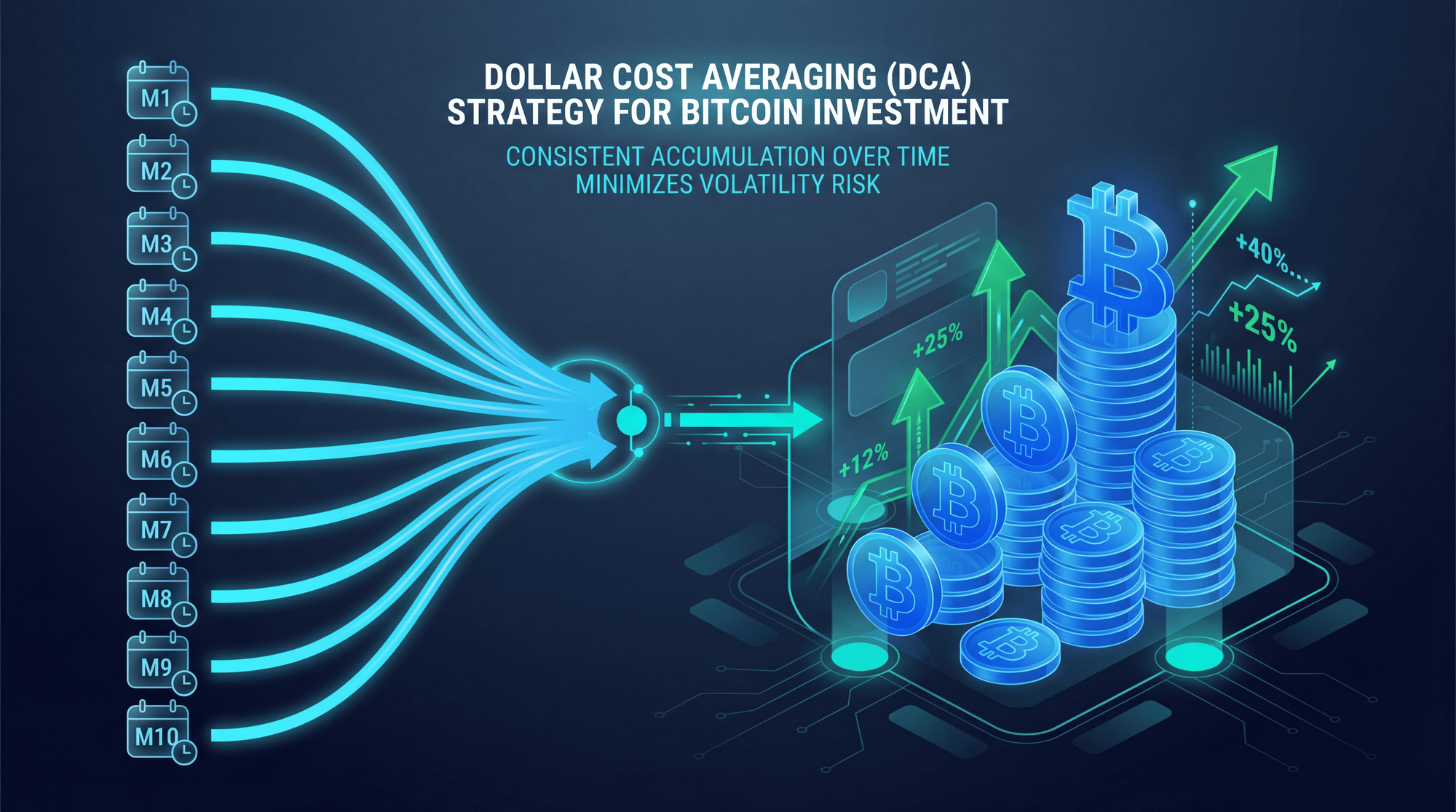
For most investors, the Dollar-Cost Averaging (DCA) strategy remains the most practical approach. Setting regular purchases - weekly or monthly - reduces the impact of volatility and builds holdings over time.
⚠ Risk Warning
Bitcoin remains highly volatile. The price dropped 28% from its October 2025 all-time high of $126,210. Only invest what you can afford to lose, and never make investment decisions based solely on the desire to reach a specific "holder tier."
What Is The Best Time to Buy Bitcoin?
The age-old question in cryptocurrency remains: when should you buy?
Historical Halving Patterns
Bitcoin's halving events - which reduce mining rewards by 50% every ~4 years - have historically preceded significant price increases. The most recent halving occurred in April 2024, reducing the block reward to 3.125 BTC. Following this halving, Bitcoin reached new all-time highs above $126,000 in 2025.
Current Market Conditions (January 2026)
Bitcoin is currently trading in the $90,000-$95,000 range, approximately 28% below its October 2025 all-time high. Analysts suggest this represents a consolidation phase, with support established around the $89,000-$91,000 level.
📈 Bullish Factors
- Institutional Adoption: ETFs continue to accumulate; corporate treasuries expanding
- Supply Dynamics: Post-halving scarcity with reduced new issuance (3.125 BTC/block)
- Regulatory Clarity: Pro-crypto policies gaining traction globally
- Sovereign Adoption: Countries adding BTC to reserves alongside gold
📉 Bearish Factors
- Macro Headwinds: Interest rate uncertainty and economic concerns
- Volatility Risk: 20%+ price swings remain common
- Concentration: Large holders can move markets significantly
- Regulatory Risks: Potential adverse policy changes in major markets
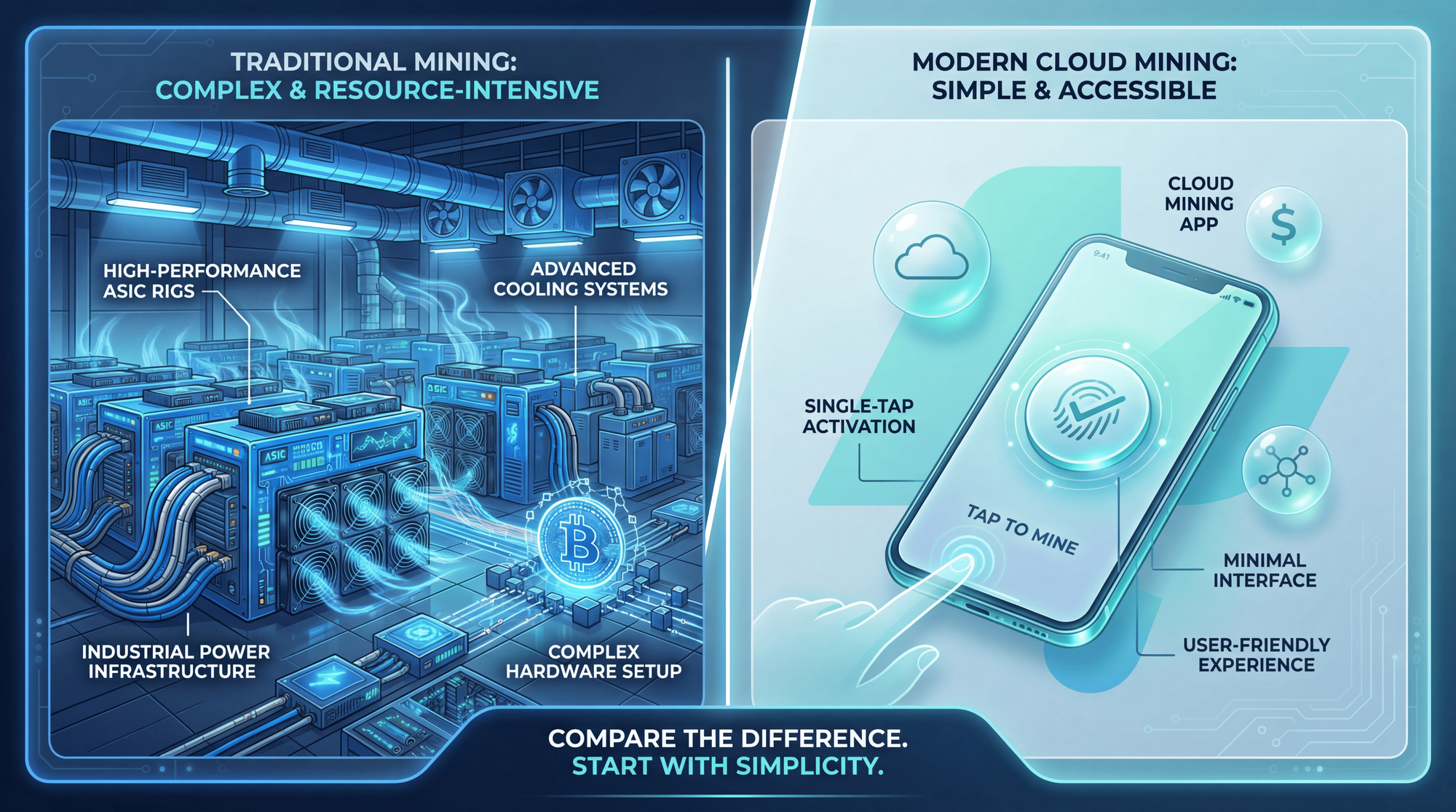
Is Bitcoin Mining Still Economical?
While buying Bitcoin is the most straightforward path to accumulation, some consider mining. The economics have changed significantly:
Mining costs approximately $74,600 per BTC as of late 2025, according to industry data. With Bitcoin trading around $91,700, mining remains marginally profitable for operations with access to cheap electricity. However, for individual investors, buying BTC directly is typically more cost-effective than investing in mining hardware.
Large mining companies like Marathon Digital and Riot Platforms dominate the industry, with Marathon holding over 53,000 BTC in treasury reserves.
How to Check Bitcoin Wallet Distribution
Bitcoin's transparent blockchain makes it possible to analyze ownership distribution in real-time.
Popular Tools for Analysis
Blockchain Explorers: Blockchain.com Explorer allows you to view any wallet's balance and transaction history. Bitinfocharts: Provides wallet rankings, rich lists, and distribution charts. Glassnode: Offers professional-grade on-chain analytics (subscription required for full features). Arkham Intelligence: Tracks major institutional and whale wallets with entity labels.
These tools make it easy to verify claims about Bitcoin distribution and track movements by major holders.
Frequently Asked Questions
How much Bitcoin do I need to be in the top 2% of current holders?
According to Grayscale Research, only 2.3% of Bitcoin addresses hold 1 BTC or more. This means to be in the top 2-3% of current Bitcoin holders, you need approximately 1 BTC (~$91,700). This is a higher bar than the popular "0.28 BTC" figure, which measures against potential global population adoption, not current holders.
What does the "0.28 BTC for top 1%" calculation actually mean?
The 0.28 BTC figure, popularized by analyst Jake Levison, calculates against potential global adoption. The logic: if 1 billion people eventually use Bitcoin (12.5% of 8 billion), and you want more BTC than 99% of them could ever own, you need 21 million ÷ 10 million = ~0.21-0.28 BTC. This is a forward-looking metric, not a measure against current holders.
How are Bitcoin holdings actually distributed?
Grayscale's research shows: 74% of addresses hold less than 0.01 BTC (~$917). About 24% hold between 0.01 and 1 BTC. Only 2.3% hold 1 BTC or more. The majority of Bitcoin holders are small investors, contrary to the myth that Bitcoin is owned by a small elite.
What percentage of Bitcoin is considered "sticky supply"?
Approximately 40% of Bitcoin supply is in identifiable categories that tend not to sell frequently. This includes: ~15-16% that hasn't moved in 10+ years (at an all-time high), ~9% held by miners, ~12-14% on exchanges, and ~7-8% in ETFs and funds. This low "float" could amplify price movements as demand grows.
Who actually owns the largest Bitcoin wallets?
The top 5 wallet addresses by BTC holdings are all either crypto exchanges (Binance, Robinhood) or government entities (US Government seizure wallets) - not individual "whales." A single Binance cold wallet with 248,000+ BTC represents millions of individual user accounts, not one wealthy person.
Is it still possible to join the top percentage of Bitcoin holders?
Yes. To reach the top 2.3% of current holders, you need ~1 BTC ($91,700). For the global population metric, 0.28 BTC ($25,700) is sufficient for the top 1%. Both thresholds are accessible compared to equivalent positions in traditional wealth - but require significant investment. Start with consistent DCA (dollar-cost averaging) to build your position over time.
How has institutional adoption affected Bitcoin distribution?
Following spot ETF approvals in 2024, institutions now control a larger share. BlackRock's IBIT alone holds 770,000+ BTC. ETFs and funds collectively hold ~7-8% of supply. Strategy (MicroStrategy) holds 672,000+ BTC. Governments hold ~305,000 BTC. This institutional presence has added more "sticky supply" that's unlikely to be sold quickly.
Conclusion: Understanding Your Place in Bitcoin Ownership
The data paints a clear picture: Bitcoin ownership is more widely distributed than many believe, with 74% of addresses holding less than 0.01 BTC. However, the threshold for "elite" status depends on how you measure it.
To be in the top 2-3% of current Bitcoin holders: You need approximately 1 BTC (~$91,700). Only 2.3% of addresses hold this much.
To be in the top 1% of potential global adoption: You need 0.28 BTC (~$25,700). This forward-looking metric assumes Bitcoin reaches 1 billion users.
What's particularly relevant for investors is the concept of sticky supply. With ~40% of Bitcoin in identifiable categories that rarely sell - including 15-16% that hasn't moved in over a decade - the actually tradeable supply is far less than 19.97 million. This dynamic could amplify the impact of continued ETF inflows and institutional adoption.
Whether you're aiming for the 0.28 BTC global milestone or the 1 BTC current-holder threshold, consistent accumulation through market cycles has historically rewarded patient holders. Bitcoin's fixed supply of 21 million means scarcity will only increase as adoption grows.
Start Your Bitcoin Journey Today
Join millions of investors building their Bitcoin position. Buy, sell, and hold BTC securely on Zipmex.
Create Free Account →⚠ Disclaimer: The information provided in this article is for educational and informational purposes only and should not be construed as investment or financial advice. Investment decisions should be based on your individual financial needs, objectives, and risk profile. Cryptocurrency investments, including Bitcoin, are subject to high market risk and volatility. Past performance does not guarantee future results. You could lose some or all of your investment. Always conduct your own research and consider consulting with a qualified financial advisor before making investment decisions.