Looking to dive into the NFT space but unsure where to start? With over 80 NFT marketplaces available, choosing the right platform can feel overwhelming. The good news: you don't need to explore them all.
⚡ Quick Answer
The best NFT marketplaces in 2026 are OpenSea for beginners and variety, Blur for professional traders (zero fees), Magic Eden for Solana NFTs, and Rarible for multi-chain support. Your choice depends on your goals: trading volume, gas fees, blockchain preference, and whether you're a creator or collector.
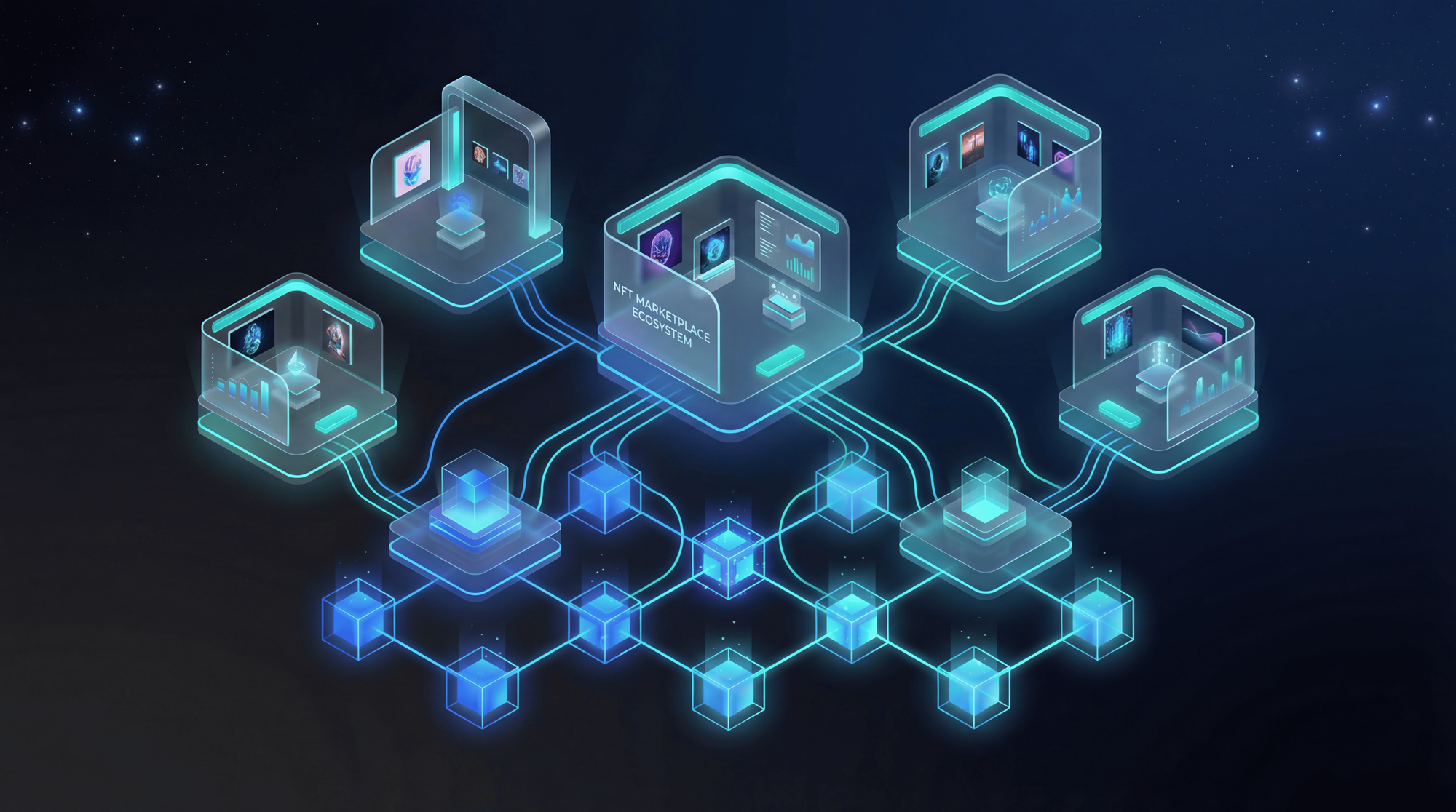
NFT marketplaces are digital platforms where users create (mint), buy, sell, and trade non-fungible tokens. These platforms connect artists, collectors, gamers, and investors in a decentralized ecosystem powered by blockchain technology. Understanding what NFTs are is essential before choosing your marketplace.
What You Need Before Trading NFTs
Before you start buying or selling NFTs, you'll need three essential components:
Crypto Wallet
You must select a wallet compatible with the NFT-enabled blockchain network on your marketplace of choice. For Ethereum-based platforms, use an Ethereum-compatible wallet like MetaMask or Coinbase Wallet. Understanding how cryptocurrency wallets work is crucial for securing your digital assets.
Cryptocurrency Holdings
Deposit your wallet with the appropriate crypto before buying or minting NFTs. Different marketplaces support different cryptocurrencies - Ethereum (ETH) for most platforms, SOL for Solana marketplaces, and BNB for Binance NFT.
User Account
Create an account on your chosen marketplace. Most NFT platforms require a blockchain network fee for registration and listing. These fees vary depending on network congestion and the specific blockchain used.
Quick Comparison: Top NFT Marketplaces 2026
Complete List of NFT Marketplaces 2026
1. Blur - Best for Professional Traders
Blur has revolutionized NFT trading since its October 2022 launch, quickly becoming the largest NFT marketplace by trading volume with over $7.4 billion in total GMV. What sets Blur apart is its zero marketplace fees - you only pay blockchain gas fees.
Key Features:
- Zero trading fees (only gas)
- Sweeping: bulk-buy multiple NFTs in one click
- Sniping: grab NFTs before they appear on other platforms
- Real-time analytics and portfolio management
- NFT lending through Blend protocol
- Operates on Ethereum and Blast L2
Who It's For: Experienced traders who value speed, analytics, and cost-efficiency. Not ideal for beginners due to its professional-oriented interface.
⚠ Risk Warning
While Blur offers zero marketplace fees, Ethereum gas fees can still be significant during high network activity. Always check current gas prices before executing large trades.
2. OpenSea - Best for Beginners and Variety
OpenSea remains the world's first and largest peer-to-peer NFT marketplace, supporting over 80 million NFTs across 20+ blockchains. It's the most beginner-friendly platform with comprehensive tools for creating, buying, and selling NFTs.
Key Features:
- Supports 20+ blockchains (Ethereum, Polygon, Solana, Arbitrum, and more)
- Easy-to-use minting tools for creators
- Lazy minting option (pay gas only when sold)
- ERC-1155 and ERC-721 token support
- 1% marketplace commission
- Creator royalties up to 10%
Gas Fee Structure:
- One-time account setup fee for first-time sellers
- Buyers pay gas when purchasing fixed-price items
- Sellers pay gas when accepting offers
- Auction listing gas fees covered by OpenSea
Who It's For: Beginners, casual collectors, and creators seeking the widest audience reach. Learn more about NFT art and how to create your own digital collectibles.
3. Magic Eden - Best for Solana NFTs
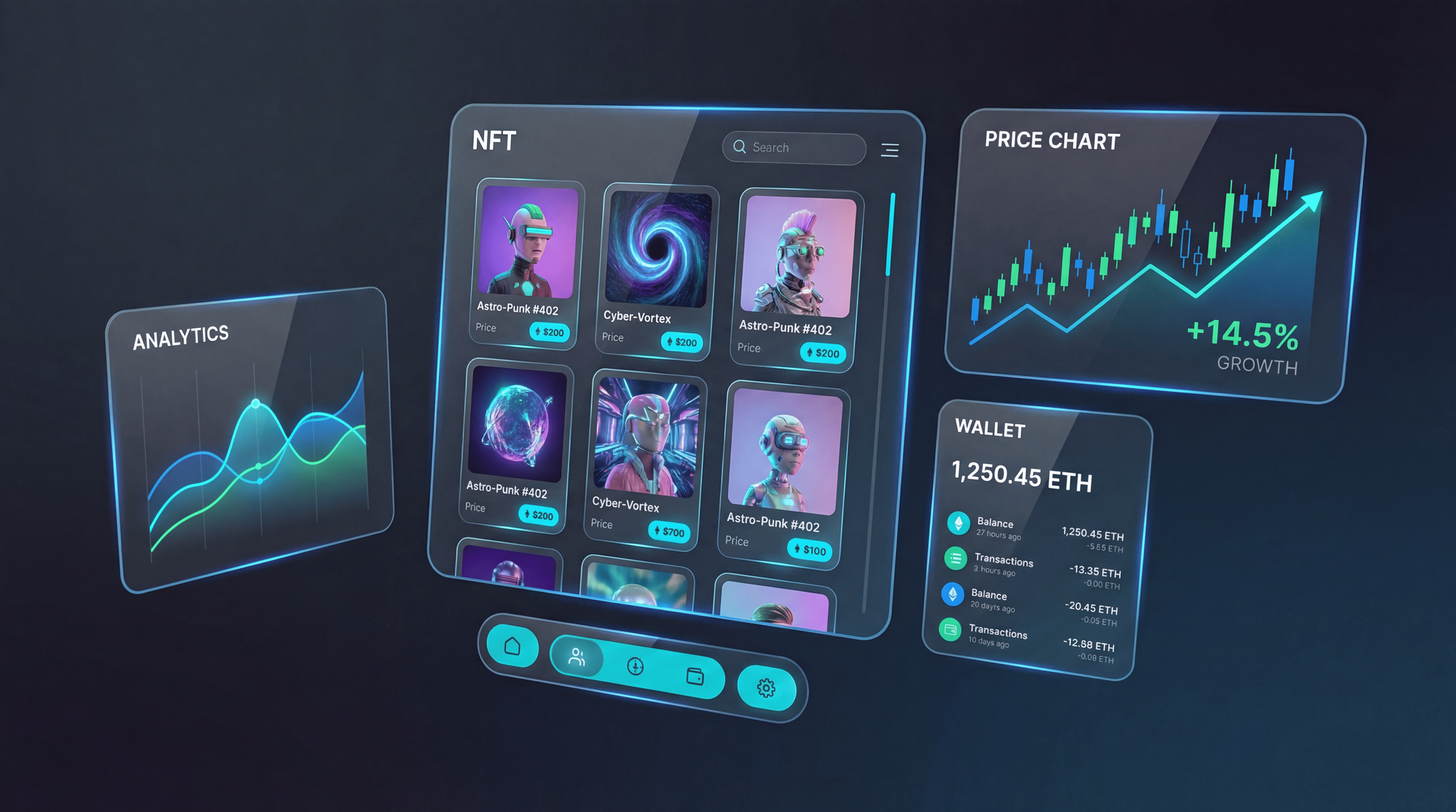
Magic Eden dominates the Solana NFT ecosystem and has expanded to support multiple blockchains. With near-zero gas fees on Solana and a user-friendly interface, it's the go-to platform for Solana-native projects and gaming NFTs.
Key Features:
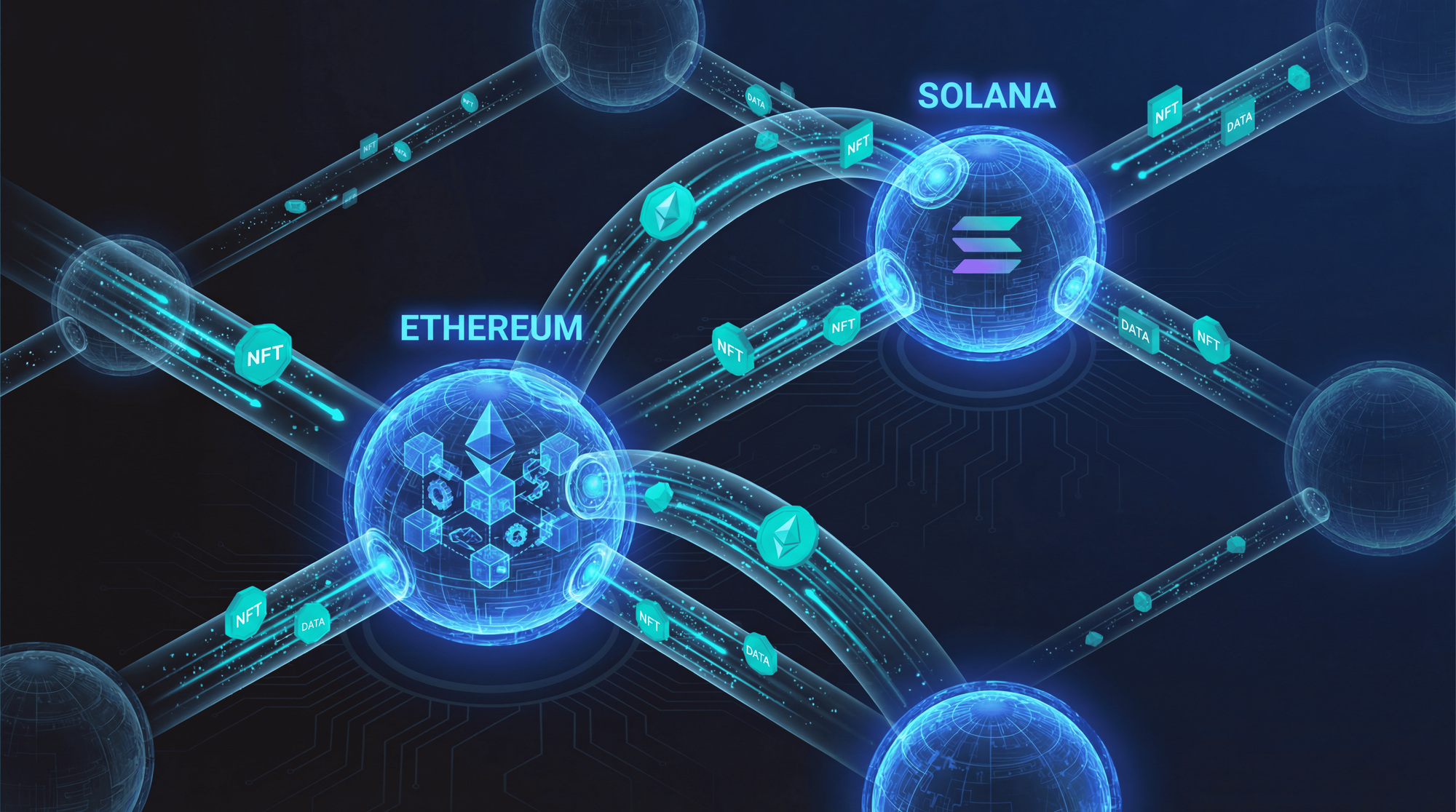
- Multi-chain support (Solana, Ethereum, Polygon, Bitcoin Ordinals)
- Magic Eden Launchpad for creators
- 2% marketplace fee
- Ultra-low transaction costs on Solana
- Strong gaming and collectibles focus
Who It's For: Users seeking low-cost NFT trading, gaming enthusiasts, and those interested in the Solana ecosystem.
4. Rarible - Best for Multi-Chain Creators
Rarible is a community-owned platform supporting Ethereum, Flow, and Tezos blockchains. Its governance token ($RARI) gives users voting rights on platform decisions, making it truly decentralized.
Key Features:
- Multi-chain flexibility (Ethereum, Flow, Tezos, Polygon)
- 2.5% commission on all transactions
- Creator royalties of 5-10%
- Easy minting without coding knowledge
- Community governance through $RARI token
- Credit card payment option
Who It's For: Creators wanting control over their NFTs and users who prefer decentralized governance. The interface is beginner-friendly but customer support can be slow.
5. Binance NFT - Best for Crypto Exchange Users
Integrated into the Binance ecosystem, this marketplace offers seamless trading for existing Binance users with low fees and high liquidity.
Key Features:
- 1% trading fee (lowest among major platforms)
- Supports Ethereum and Binance Smart Chain
- NFT loans using NFTs as collateral
- Exclusive drops from major brands
- Integration with Binance Wallet
- High security and liquidity
Who It's For: Existing Binance users and traders seeking low fees. Note: Not available to users in the United States.
6. OKX NFT - Best for Cross-Chain Trading
Backed by the global OKX exchange, this marketplace supports multiple blockchains including Ethereum, Solana, Bitcoin Ordinals, and Polygon, offering a unified experience for cross-chain NFT trading.
Key Features:
- Multi-blockchain support including Bitcoin Ordinals
- Zero platform fees on some chains
- Aggregator pulling listings from other platforms
- Integrated with OKX crypto wallet
- User-friendly interface
Who It's For: Traders wanting access to NFTs across multiple blockchains from a single platform.
7. Nifty Gateway - Best for Premium Art Drops
Nifty Gateway specializes in high-end digital art and exclusive drops from top artists and brands. Unlike most marketplaces, it's a custodial platform - your NFTs are stored on their servers, not your wallet.
Key Features:
- Curated drops from celebrity artists
- Fiat currency support (credit/debit cards)
- No crypto wallet required
- 15% total commission (5% service + 10% artist)
- Secondary market for reselling
Who It's For: Art collectors seeking premium, curated content and those who prefer paying with traditional currency. The 15% fee is high, but you're paying for exclusivity.
8. SuperRare - Best for Fine Art Collectors
SuperRare positions itself as a social network for digital art, with strict curation ensuring only high-quality pieces make it to the marketplace. Artists must apply and be approved before listing.
Key Features:
- Strict artist vetting process
- 3% buyer commission (primary and secondary)
- 10% artist royalty on secondary sales
- $RARE token for governance
- Over 32,000 curated art-based NFTs
- Social features for networking
Who It's For: Serious art collectors and established artists. The curation means higher quality, but also higher prices and limited selection.

9. Foundation - Best for Emerging Artists
Foundation has become famous for hosting viral NFT sales, including the Nyan Cat meme. The platform uses an invite-only system that creates exclusivity while maintaining quality.
Key Features:
- 5% commission on all transactions
- Invite-only for creators
- Focus on digital art and collectibles
- Ethereum-based
- Smooth auction process
- Easy browsing and discovery
Who It's For: Artists with strong networks (invites required) and collectors seeking trending digital art. Gas and minting costs can exceed $40.
10. Axie Marketplace - Best for Gaming NFTs
The official marketplace for Axie Infinity, one of the pioneering play-to-earn games. Here you can trade Axies (digital creatures), land, and in-game items.
Key Features:
- 4.25-5.25% trading commission
- Dedicated to Axie Infinity ecosystem
- Requires Ronin wallet setup
- Active gaming community
- Breeding and battling mechanics
Who It's For: Axie Infinity players and those interested in gaming NFTs. Requires investment in at least three Axies to start playing. Check out more about NFT games to explore this space.
11. KnownOrigin - Best for Art Connoisseurs
KnownOrigin focuses exclusively on digital art, attracting serious collectors with curated, high-quality pieces. The vetting process is rigorous, ensuring only exceptional work appears.
Key Features:
- 15% commission fee for the first sale, 3% for every after sale
- 10% artist royalty on secondary sales
- Ethereum-based
- Strict curation process
- Focus on fine digital art only
Who It's For: Art enthusiasts seeking curated collections. Not suitable for general NFTs like gaming items or avatars.
12. Mintable - Best for Gasless Minting
Backed by billionaire Mark Cuban, Mintable offers one of the most accessible entry points for NFT creators with its gasless minting option.
Key Features:
- Gasless minting option (pay only when sold)
- Commission: 2.5% standard, 5% gasless, 10% printable
- Integration with Immutable X
- Customizable royalties
- Wide variety of NFT categories
Who It's For: Budget-conscious creators who want to mint without upfront costs.
13. Decentraland Marketplace - Best for Virtual Real Estate
Decentraland is a VR metaverse where users can buy, sell, and develop virtual land and assets using the MANA and LAND tokens.
Key Features:
- 2.5% commission fee
- Ethereum smart contract-secured assets
- Virtual real estate trading
- Builder tool for creating experiences
- Community governance
Who It's For: Metaverse enthusiasts and virtual real estate investors. Learn more about blockchain tokens to understand how LAND and MANA work.
14. Enjin Marketplace - Best for Gaming Items
Designed specifically for Enjin-based NFTs, this marketplace caters to gamers and game developers using the ENJ token ecosystem.
Key Features:
- 2.5% standard commission
- Requires Enjin wallet
- Gaming-focused assets
- Detailed asset information display
- Limited to ENJ coin payments
Who It's For: Gamers in the Enjin ecosystem and developers building blockchain games.
🎯 Key Takeaways
- Blur offers zero fees but requires experience - best for pro traders
- OpenSea is the safest choice for beginners with the largest selection
- Magic Eden dominates Solana with minimal gas fees
- Binance NFT offers the lowest fees (1%) for exchange users
- Curated platforms (SuperRare, Foundation) charge more but offer quality
NFT Market Outlook 2026
📈 Bullish Factors
- Institutional adoption: Major brands and companies continue entering the NFT space
- Gaming integration: Play-to-earn and gaming NFTs show sustainable growth
- Layer 2 scaling: Lower fees through solutions like Polygon, Arbitrum, and Blast
- Real-world utility: NFTs expanding beyond art into tickets, memberships, and credentials
📉 Bearish Factors
- Market volatility: NFT prices remain highly speculative
- Regulatory uncertainty: Evolving regulations could impact trading
- Liquidity concerns: Many NFTs struggle to find buyers on resale
- Scam risks: Plagiarism and fraud remain issues on open platforms
How to Create and Mint an NFT
Creating your first NFT is simpler than you might think. Here's a step-by-step guide:
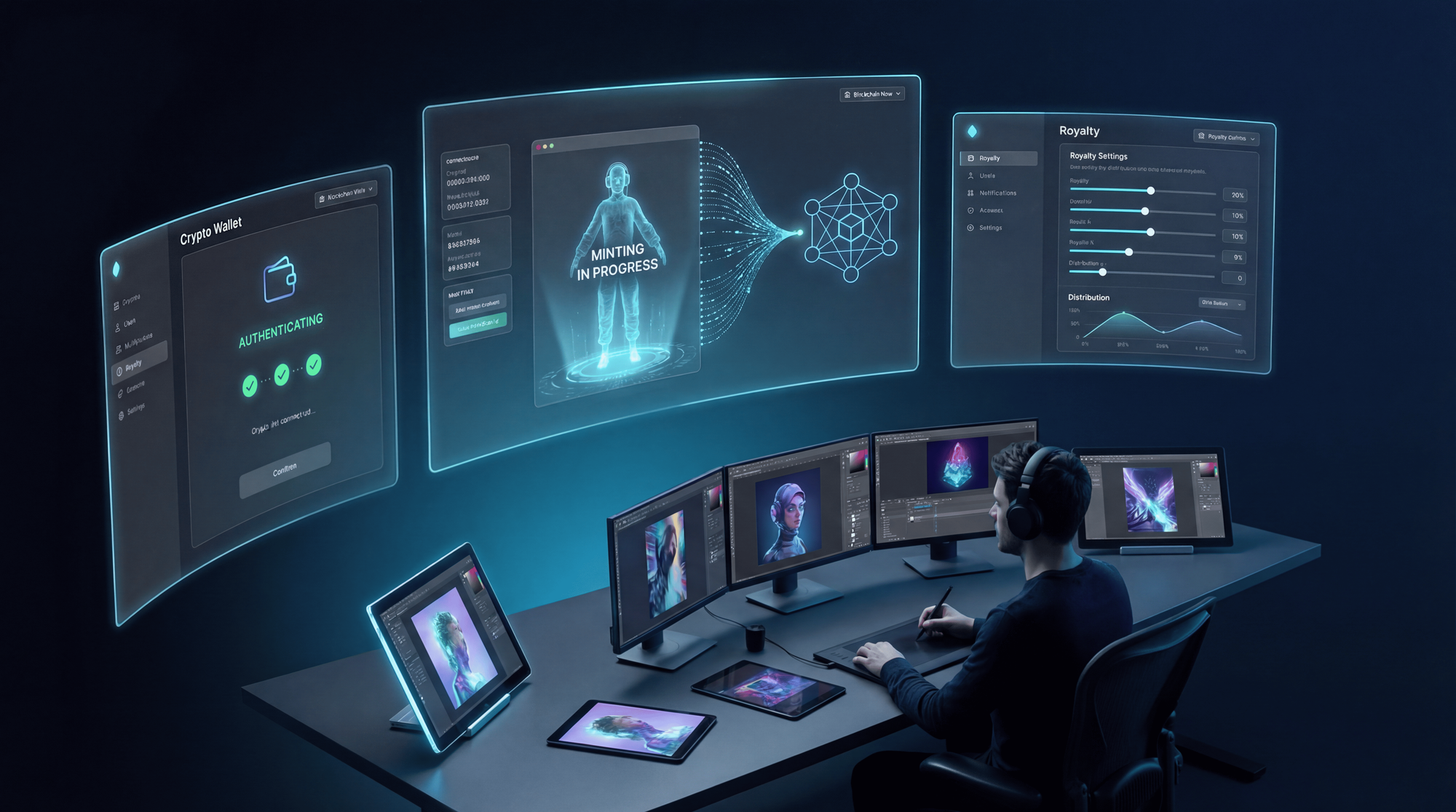
Create Your Digital Asset
Design your artwork, music, video, or other digital content. Supported formats vary by platform but typically include JPG, PNG, GIF, MP3, and MP4.
Set Up a Crypto Wallet
Install MetaMask, Coinbase Wallet, or another compatible wallet. Fund it with the required cryptocurrency (usually ETH).
Choose Your Marketplace
Select a platform based on your goals. OpenSea and Mintable are best for beginners; Blur and Rarible for experienced traders.
Mint and List Your NFT
Upload your file, add metadata (title, description, properties), set your price, and pay any required gas fees. Consider lazy minting to defer costs until sale.
Choosing the Best NFT Marketplace for You
There's no single "best" marketplace - the right choice depends on your specific needs:
For Beginners: Start with OpenSea. It has the largest selection, easiest interface, and supports multiple blockchains with reasonable 2.5% fees.
For Professional Traders: Use Blur for zero fees, advanced analytics, and bulk trading features. The learning curve is steeper but the cost savings are significant.
For Artists/Creators: Consider Rarible for governance participation, Foundation for prestige (if you can get invited), or Mintable for gasless minting.
For Gamers: Axie Marketplace for Axie Infinity, Enjin for gaming items, or Magic Eden for broader gaming NFTs.
For Art Collectors: SuperRare and KnownOrigin offer curated, high-quality pieces worth the premium.
For Low-Cost Trading: Magic Eden (Solana) or Binance NFT (1% fees) minimize your trading costs.
Frequently Asked Questions
Which NFT marketplace has the lowest fees?
Blur offers zero marketplace fees - you only pay blockchain gas fees. For platforms with trading fees, Binance NFT charges just 1%, followed by Magic Eden at 2%, and OpenSea at 2.5%.
Is OpenSea safe for NFTs?
Yes, OpenSea is considered one of the most trusted NFT marketplaces. They actively work to patch security vulnerabilities and protect users from scams. However, always verify you're on the official site and never share your private keys.
Which is better: Blur or OpenSea?
It depends on your experience level. OpenSea is better for beginners with its user-friendly interface and variety. Blur is better for experienced traders who want zero fees, advanced tools, and bulk trading features.
Can I sell NFTs without paying gas fees?
Yes, several platforms offer gasless minting options. OpenSea supports lazy minting on Polygon, Mintable offers gasless minting, and Magic Eden has minimal fees on Solana. With lazy minting, gas fees transfer to the buyer upon purchase.
What's the best NFT marketplace for beginners?
OpenSea is the best starting point for beginners. It offers the widest selection, supports multiple blockchains, has intuitive tools, and extensive educational resources. The 2.5% fee is reasonable for the ease of use provided.
How do NFT royalties work?
When you create an NFT, you can set a royalty percentage (typically 5-10%). Every time your NFT is resold on secondary markets, you receive that percentage automatically through smart contracts. Not all marketplaces honor creator royalties, so check each platform's policy.
What blockchain should I use for NFTs?
Ethereum remains the standard for high-value NFTs but has higher gas fees. Solana offers near-instant, low-cost transactions. Polygon provides Ethereum compatibility with lower fees. Your choice depends on your target audience and budget.
Ready to Start Your NFT Journey?
Begin trading crypto on Zipmex and get ready to explore the NFT ecosystem
Start Trading Now →⚠ Disclaimer: The information provided in this article is not intended to provide investment or financial advice. Investment decisions should be based on the individual's financial needs, objectives, and risk profile. We encourage readers to understand the assets and risks before making any investment entirely. Cryptocurrency and NFT investments are subject to high market risk. Past performance does not guarantee future results. NFT values can fluctuate significantly, and you may lose some or all of your investment.