The digital landscape is shifting beneath our feet, moving away from the era of "Big Tech" silos toward a user-centric ecosystem. To have web 3 explained simply, we must view it as the "read-write-own" phase of the internet, where users finally reclaim sovereignty over their data and assets through decentralized protocols. In my years navigating on-chain finance and derivatives, I've seen this transition evolve from a niche experiment into a robust infrastructure that challenges how we trade, play, and govern.
⚡ Key Takeaways
- Ownership: Users own their data and digital assets via private keys, ensuring true self-custody where users always control their own funds.
- Decentralization: Services run on peer-to-peer blockchains rather than centralized servers.
- Trustless Logic: Transactions and agreements are enforced by code (smart contracts), not intermediaries, with outcomes verifiable on-chain.
- Real Yield: Modern Web3 platforms prioritize sustainable earnings from activity over inflationary token prints, relying instead on trading fees and prediction market activity.
What is Web3? Understanding the Foundational Technology
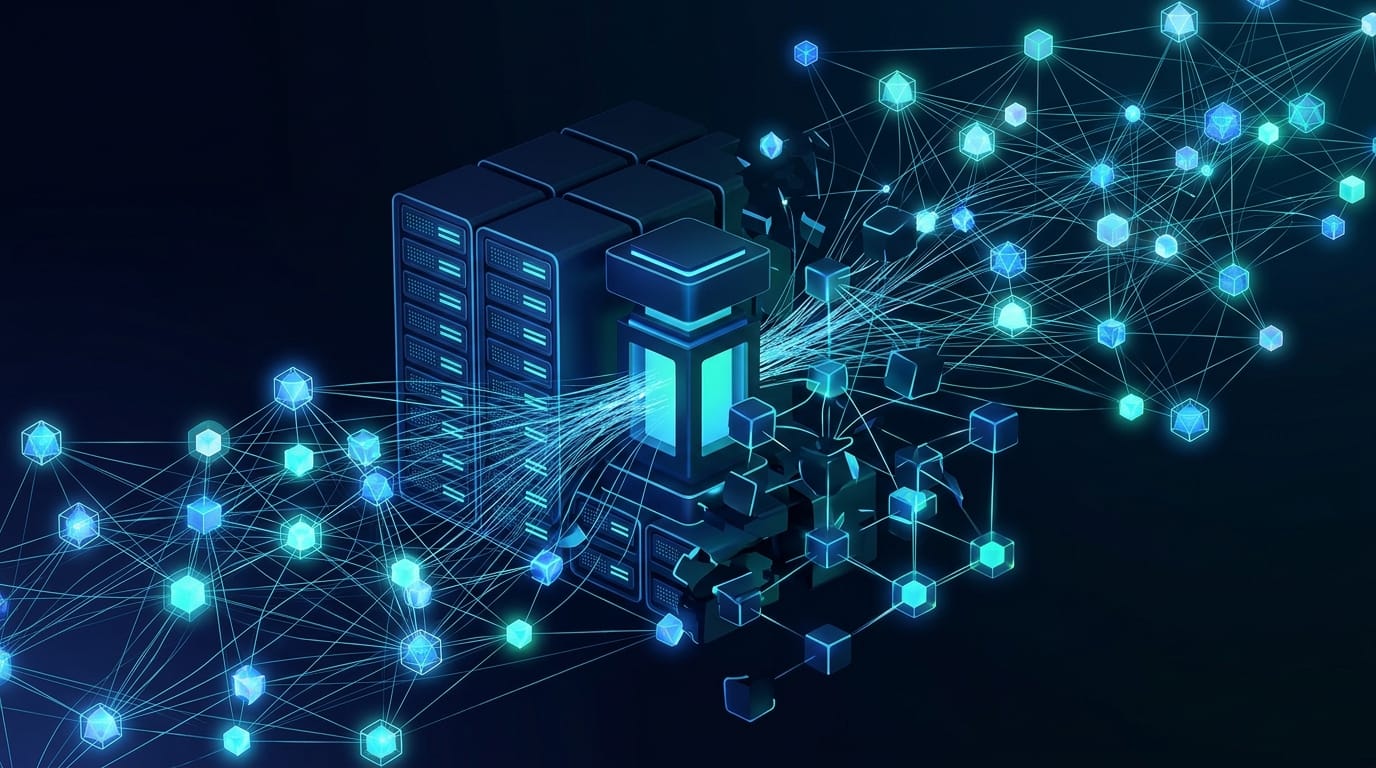
At its core, Web3 represents a structural overhaul of how information and value move across the globe. Unlike the "read-only" Web 1.0 or the "read-write" Web 2.0 dominated by social media giants, Web3 introduces a "read-write-own" dynamic. This shift is powered by blockchain technology-a distributed ledger that ensures transparency and trustlessness.
In my experience, the most profound change is the move toward a trustless environment. You no longer need to trust a bank to verify your balance or a tech company to protect your privacy; instead, you trust the mathematical certainty of the code. To evaluate these ecosystems effectively, intermediate users often apply technical analysis tools like the Relative Strength Index (RSI) or Moving Averages to gauge the health of underlying protocol tokens, treating the network's native asset as a direct proxy for its utility and adoption. For a deeper dive into technical metrics, check out our guide on crypto trading indicators.
Web3 Mechanics & Core Architecture
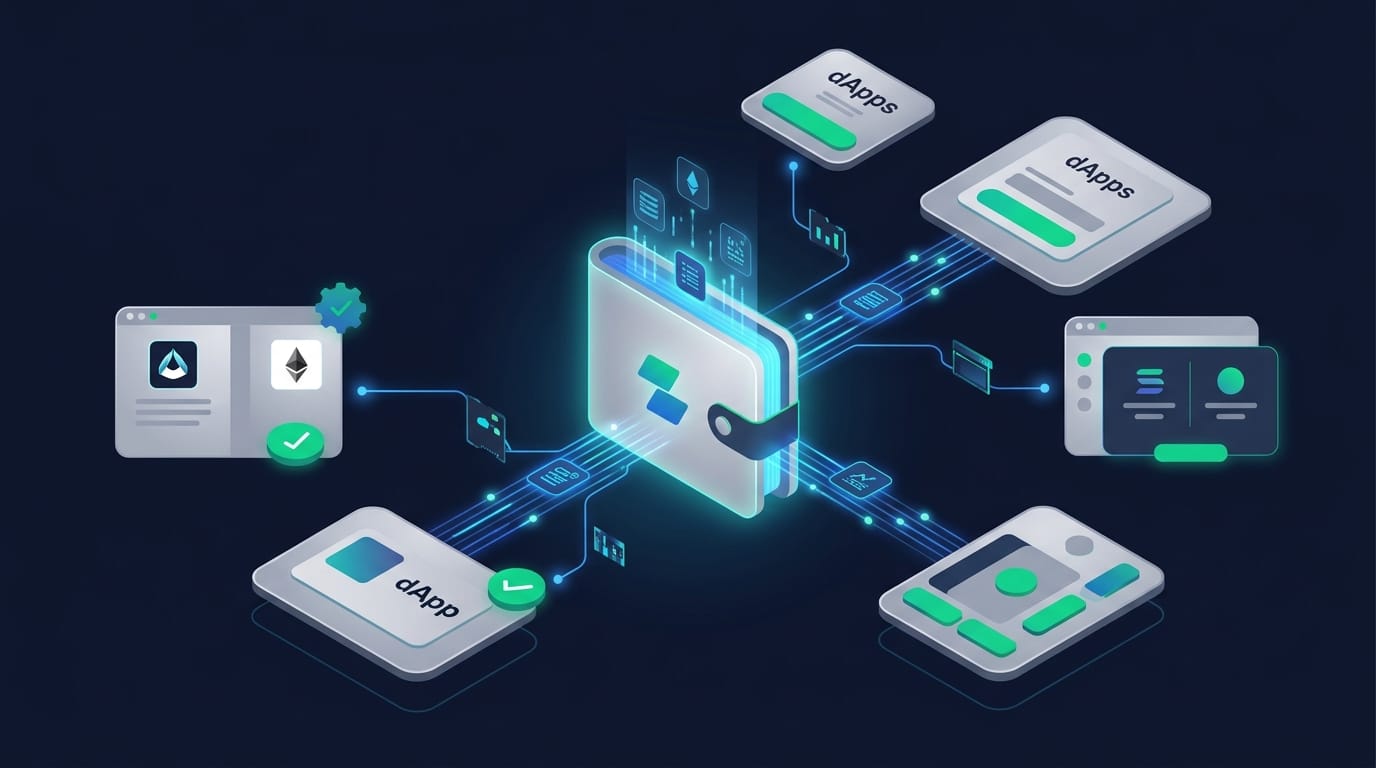
The "engine room" of Web3 consists of dApps (decentralized applications) and smart contracts. Most of the innovation we see today, from prediction markets to perpetual futures, is built on networks like Ethereum or high-speed Layer 2 solutions. Unlike traditional apps, dApps are hosted on decentralized nodes rather than a single corporate server. This ensures that as long as the network exists, the application remains accessible and resistant to censorship.
Core Web3 Ecosystems & Platforms Ranked
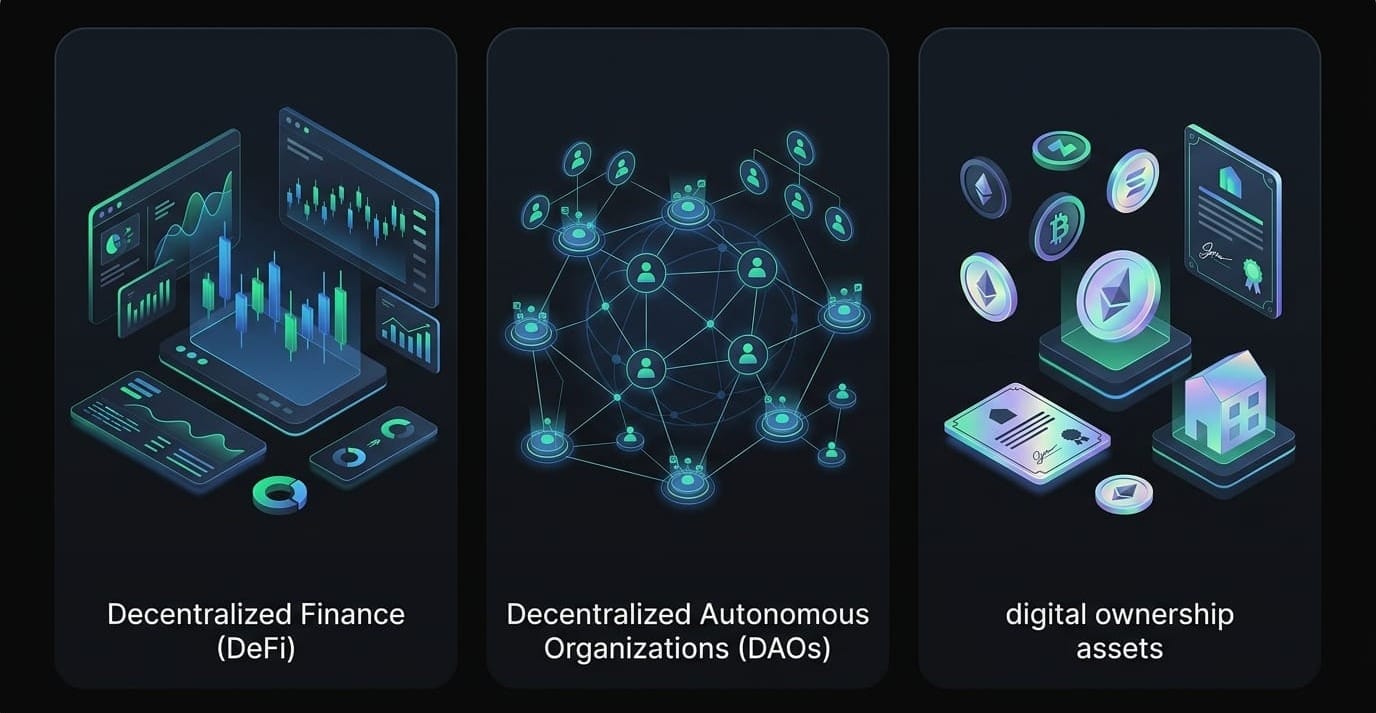
The Web3 space has matured into several distinct sectors, each serving a specific utility for the modern trader and participant. From my perspective, the three pillars of this economy are DeFi (Decentralized Finance), DAOs (Decentralized Autonomous Organizations), and NFTs (Non-Fungible Tokens). In 2026, we've seen a shift toward "Real Yield"-where platforms generate earnings from actual usage fees rather than just printing more tokens which has brought a new level of professional rigor to the space.
Top Web3 Categories (DeFi, DAOs, NFTs)
- DeFi: Platforms that offer up to 100x leverage on perpetual futures [cite: 10] and liquidity pools that allow users to act as the "house" and earn fees.
- DAOs: Organizations governed by token holders rather than a CEO. I've found that the best DAOs use governance tokens to give users a real say in protocol upgrades and treasury management. Learn more in our breakdown of decentralized autonomous organizations.
- NFTs: Beyond digital art, utility-driven NFTs now represent digital identity, membership, and even property rights within the decentralized web.
How to Join and Access Web3 (Getting Started)
Entering the decentralized world requires a shift in how you think about security. Because you are your own bank, true self-custody is the primary requirement.
- Choose a Non-Custodial Wallet: Download a wallet like MetaMask or a hardware solution. Unlike a CEX login, you control the keys. Check our complete non-custodial wallet setup guide.
- Secure Your Seed Phrase: This 12-to-24-word phrase is the only way to recover your funds. Never share this or store it digitally.
- Fund Your Wallet: Transfer assets from a bridge or exchange to your on-chain address.
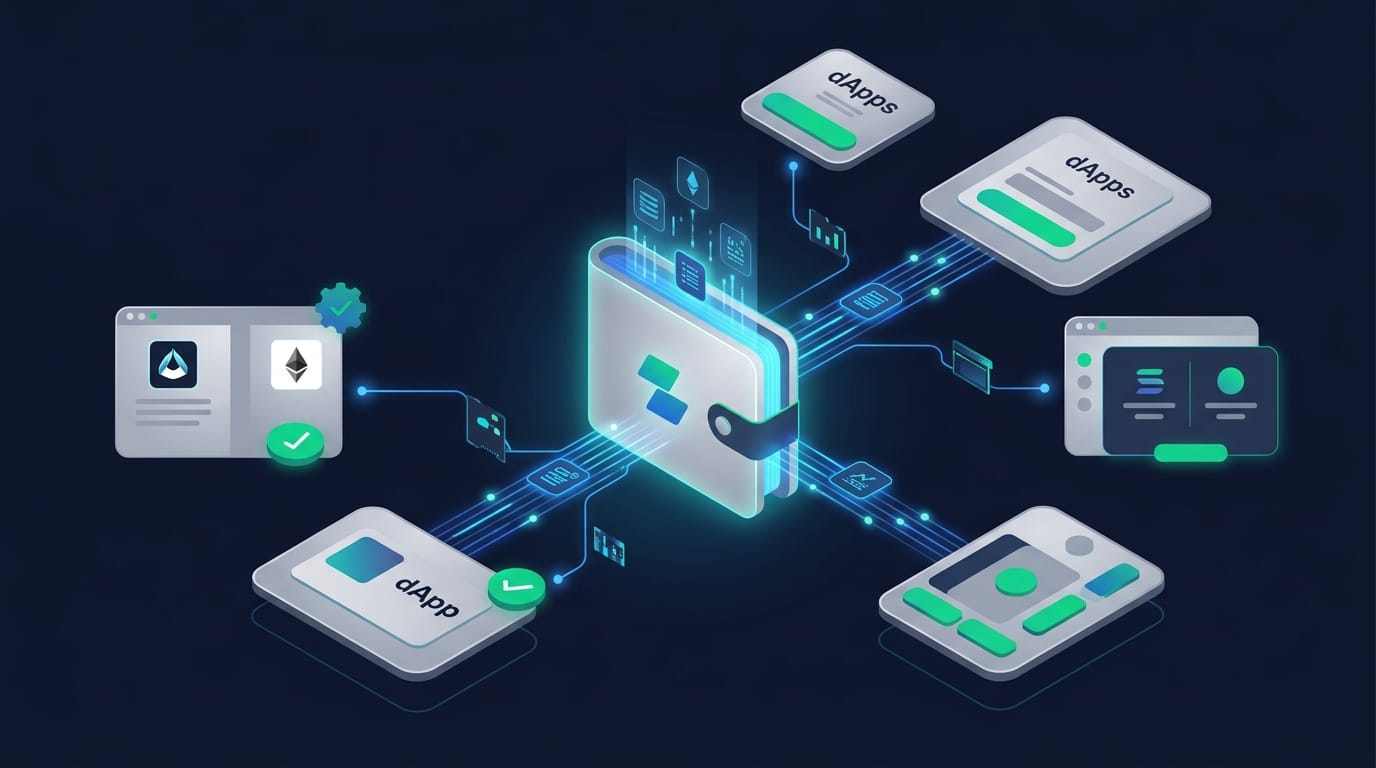
- Connect to a dApp: Use a Web3-compatible browser to connect to a platform-whether you're looking for a decentralized exchange or on-chain games like Crash or Dice.
How to Evaluate Web3 Projects & Providers
In a permissionless world, the burden of due diligence falls on you. I always recommend looking past the marketing hype to the on-chain logic.
Accuracy Verification & Community Quality
Don't just join a Discord; look at the GitHub commits and on-chain metrics. A project might claim high activity, but verified transaction volume and liquidity depth on block explorers like Etherscan provide the true story. Transparent platforms will always offer provably fair mechanics that are verifiable by any user with a block explorer.
Red Flags & Web3 Scam Warnings
With no central authority to reverse a transaction, you must stay vigilant against malicious actors. Crypto trading involves substantial risk of loss, and the decentralized nature of Web3 means scammers often target the unwary.
⚠ Deceptive Tactics Breakdown
- Rug Pulls → Developers drain liquidity pools, leaving token holders with worthless assets.
- Phishing Links → Malicious dApps request "Unlimited Spend" permissions to drain your wallet.
- Honeypots → Tokens that appear to be mooning but contain code that prevents anyone but the creator from selling.
Strategic Implementation & Maximizing Web3 Value
To succeed in Web3, you need more than just a wallet; you need a strategy. I've found that the most successful participants combine technical analysis with an understanding of protocol mechanics.
Popular Trading Strategies
- Day Trading: Utilizing high leverage (up to 100x) to capture small price movements in perpetual futures. I often use Bollinger Bands to identify volatility "squeezes" before a breakout.
- Swing Trading: Using MACD (Moving Average Convergence Divergence) to identify momentum shifts over several days.
- HODL: Long-term conviction in foundational protocols, often combined with staking to earn a portion of network fees. For more on maximizing yields, see our guide to DeFi liquidity pools.
Risk Management Basics
The most important rule I follow is position sizing. Never put more than 1-2% of your total portfolio into a single high-leverage trade. In the volatile Web3 market, a sudden 5% dip can liquidate a 20x position if you aren't disciplined with your stop-loss orders.
Advanced Risk Techniques
Sophisticated users must account for Impermanent Loss when providing liquidity to DEXs. If the price of one asset in a pool changes significantly compared to the other, you might have been better off just holding the assets. Hedging using prediction markets or futures can help offset these risks.
Web 2.5: The Bridge and Alternative to Pure Web3
Not everyone is ready for 100% self-custody on day one. Web 2.5 platforms act as a bridge, offering the benefits of crypto assets (like 24/7 trading and global access) through more familiar, often custodial, interfaces. While these are easier to use, they lack the "trustless" verification that defines pure Web3.
Conclusion: The Future of the Decentralized Web
Web3 is no longer a futuristic concept; it is an active, multi-billion dollar economy. While challenges like regulatory clarity and UI friction remain, the shift toward transparency and user control is irreversible. Platforms like Zipmex that prioritize true self-custody and provably fair on-chain outcomes represent the gold standard for where this industry is headed.
As you move forward, remember that in Web3, your keys are your power. Use them wisely, trade with discipline, and always verify the logic behind the protocol.
Disclaimer: Crypto trading and on-chain gaming involve substantial risk of loss. This guide is for informational purposes and does not constitute financial advice. Platform is decentralized and self-custodial - do not imply any custodial guarantees.
Last updated: March 24, 2026.
Frequently Asked Questions
What exactly is Web3 in simple terms?
Web3 is the next version of the internet where users, rather than large corporations, own their data and digital assets. Think of it as a move from a "rented" internet, where you use platforms like Facebook or Google in exchange for your data, to an "owned" internet. In this new ecosystem, you use a digital wallet to interact with decentralized applications (dApps) that run on a blockchain. This ensures that your identity and assets remain under your control, protected by cryptographic keys rather than a corporate password.
Who owns Web 3.0?
Unlike Web 2.0, which is owned by centralized tech giants, Web 3.0 is owned by its users and builders. Ownership is distributed through tokens that represent a stake in a protocol or network. For example, in a Decentralized Autonomous Organization (DAO), token holders vote on key decisions, effectively acting as shareholders and board members. This decentralized ownership structure ensures that no single entity can shut down the network or unilaterally change the rules, making the internet a more equitable and resilient space for everyone involved.
What is the difference between Web2 and Web3?
The primary difference lies in architecture and data control. Web2 is built on centralized servers where platforms like Amazon or Twitter act as intermediaries that "allow" you to participate but own your data. Web3 replaces these intermediaries with decentralized blockchains and smart contracts. In Web2, your digital identity is tied to an email address; in Web3, it's tied to your wallet address. Web3 also introduces "Real Yield" and tokenized economies, allowing users to earn value directly from the platforms they use rather than just being the product.
Is Web3 just cryptocurrency?
While cryptocurrency is the financial layer that powers Web3, the ecosystem is much broader. Cryptocurrency acts as the "gas" to pay for transactions or the "incentive" to secure the network, but Web3 also encompasses decentralized storage, social media, and on-chain gaming. For instance, you can use Web3 technology to play provably fair games or participate in prediction markets without ever "investing" in the traditional sense. Crypto is the tool, but the goal of Web3 is a more open, transparent, and user-owned internet across all sectors.
What is a dApp in Web3?
A dApp, or decentralized application, is a piece of software that runs on a decentralized network rather than a single computer or a centralized server. These applications look and feel like standard apps or websites, but their backend logic is governed by smart contracts-immutable code that executes automatically when certain conditions are met. Because they are decentralized, dApps are resistant to censorship and single points of failure. Whether it's a decentralized exchange for trading perpetual futures or a prediction market, dApps provide the interface for users to interact with the blockchain.
Do I need to buy crypto to use Web3?
Technically, yes, you usually need a small amount of a network's native cryptocurrency (like ETH or SOL) to pay for "gas fees," which are the costs of processing transactions on the blockchain. However, many modern Web3 platforms are making it easier to start by integrating with "Web 2.5" on-ramps where you can use traditional payment methods. Once you have a small amount of crypto in a self-custodial wallet, you can access an entire world of decentralized finance and gaming, often earning "Real Yield" paid out in stablecoins or other assets.
What is a Web3 wallet?
A Web3 wallet is a digital tool that allows you to store your assets and interact with decentralized applications. Unlike a traditional bank account, a Web3 wallet is "non-custodial," meaning you hold the private keys and have absolute control over your funds. Your wallet doesn't actually "store" your crypto; it stores the keys that allow you to access your assets on the blockchain. Popular wallets like MetaMask or Trust Wallet act as your passport to the decentralized web, allowing you to sign transactions and verify your identity without needing a central authority.