NFTs are not dead - but the market you remember from 2021 is. Trading volumes have fallen roughly 95% below their peak, approximately 96% of collections show zero trading activity, and platforms that once processed billions monthly are reinventing themselves as general crypto exchanges. That's the honest answer to "are NFTs dead," and most articles don't give it to you this directly.
What's actually happening is more interesting than a simple death. NFTs are going through structural consolidation - shedding pure speculation, retaining genuine utility, and attracting institutional capital through real-world asset tokenisation. If you're trying to understand what survived, what failed, and where the real activity is in 2026, this guide covers all of it without the hype in either direction.
⚡ Key Takeaways
- Annual NFT trade volume hit approximately $5.5 billion in 2025 - down 37% from 2024 and roughly 95% below the 2021 peak
- The market is now "K-shaped": a small top tier of blue-chip collections and utility projects retains liquidity; the long tail of 2021-era collections is functionally dead
- Gaming NFTs represent 38% of total transaction volume in 2026 - the clearest sign of where functional demand lives
- Real-world asset tokenisation emerged as the institutional use case, attracting compliance-focused capital with no interest in speculative art
- Ethereum holds ~45% of remaining NFT volume; Blur captures ~38% of Ethereum-specific NFT trading
What Are NFTs? Key Concepts and How They Work in 2026
A non-fungible token is a unique identifier on a blockchain that proves ownership of a specific digital or physical item. Unlike ETH or BTC - where one unit is interchangeable with another - each NFT is distinct. That non-fungibility is the core property: it's what makes an NFT suitable for representing digital art, a gaming weapon, an event ticket, or a real estate deed, rather than just a currency.
In 2026, understanding NFTs means separating the concept from the 2021 hype cycle. The technology itself - verifiable, on-chain provenance for unique digital items - hasn't changed. What changed is how people use it. Ethereum still dominates with approximately 62% of all NFT contracts, while Solana handles around 18% of transactions thanks to low fees and fast finality. Layer-2 networks on Ethereum have made minting accessible to anyone, which - as you'll see - created both opportunity and a supply problem.
How NFTs Are Created and Traded
Minting an NFT means deploying a smart contract on a blockchain that permanently records a token's existence, ownership, and provenance. A creator mints the NFT, lists it on a marketplace, and a buyer purchases it with cryptocurrency - at which point the blockchain updates ownership. The whole process is transparent and auditable by anyone.
The marketplace landscape in 2026 has consolidated. Blur now captures approximately 38% of Ethereum NFT volume, having overtaken OpenSea through incentive-driven trading mechanics. OpenSea itself has pivoted toward becoming a broader crypto trading platform rather than a dedicated NFT marketplace. Magic Eden leads on Solana and Bitcoin Ordinals. The irony worth noting: over 1.34 billion NFTs were minted in 2026 - a record high - while annual sales revenue continued declining. Supply exploded precisely as demand collapsed. That dynamic is central to understanding why most NFTs are worth nothing.
- Creator sets up a self-custody wallet (MetaMask for Ethereum, Phantom for Solana)
- Creator deploys a smart contract to mint the NFT on-chain
- NFT is listed on a marketplace with a floor price or auction
- Buyer purchases using cryptocurrency - ownership transfers on-chain
- On-chain record permanently reflects new owner, fully auditable
NFT Standards in 2026 - ERC-721, ERC-1155, and ERC-8004
Most people know ERC-721 - the original NFT standard, defining one-of-one unique tokens. ERC-1155 is the workhorse for gaming and multi-edition collections: it allows a single smart contract to manage both fungible and non-fungible items simultaneously, which cuts gas costs dramatically for high-volume gaming applications.
ERC-8004 is newer and worth flagging. It introduces NFT-based AI agent identities on Ethereum - each AI agent gets a unique on-chain identity token that can hold assets, sign transactions, and carry a provenance record. Still experimental, but it signals a direction: NFTs as persistent identity infrastructure for autonomous on-chain agents, not just as collectibles.
The Current State of the NFT Market in 2026
Let's start with the number that frames everything: total NFT trade volume in 2025 was approximately $5.5 billion annually. That sounds significant until you compare it to Q1 2022, when OpenSea alone processed over $4.87 billion in a single month. The market didn't just cool - it structurally contracted.
The Block's 2026 Digital Assets Outlook describes this contraction using what they call a "K-shaped" market. At the top of the K: a small set of collections with cultural weight, institutional backing, or genuine utility. These attract most of the remaining liquidity. At the bottom: the vast majority of 2021-era projects, where volumes are near zero, floors are collapsing, and communities have moved on. The gap between the two tiers isn't narrowing - it's widening.
Blockchain-level data reinforces this split. Ethereum solidified its position as the primary venue, capturing approximately 45% of NFT volume in 2025. Bitcoin Ordinals, which briefly captured attention during the 2023-24 cycle, saw their share fall to around 16%. Solana dropped to single digits. Liquidity is concentrating, not spreading.
Early 2026 showed a brief uptick - market cap increased by over $220 million in one week, some project floors bounced. But analysis of the underlying data shows why this should be read cautiously: among more than 1,700 active NFT projects, only 6 reached weekly trading volumes in the millions of dollars, 14 reached the hundreds of thousands, and 72 reached the tens of thousands. For the remaining 1,600+, trading volume was either in single digits or zero. That's not a recovery - that's illiquid capital sloshing between a tiny set of surviving projects.
What Crashed - Why 96% of Collections Are Considered Dead
The NFT bubble didn't burst from a single event. It collapsed under the weight of structural problems that were present from the beginning, just hidden by liquidity.
The core failure: most NFTs had no utility. They were images with a blockchain receipt attached. When speculative demand dried up, there was nothing underneath to support price. Add market oversaturation - thousands of near-identical profile-picture collections launched weekly throughout 2021-2022 - and you had a race to the bottom. Quality projects drowned in noise.
Approximately 96% of NFT collections now show no trading activity or community engagement. That figure reflects a market that was always bifurcated between a few genuine projects and a massive volume of cash-grab launches. The bear market simply made that reality visible. Understanding what drove those crypto rug pulls is essential before approaching any NFT purchase today.
⚠ 5 Structural Reasons the 2021 NFT Boom Collapsed
- No utility - most NFTs offered nothing beyond potential resale profit; when buyers stopped, value evaporated
- Market oversaturation - supply exploded as barriers to minting fell; scarcity became artificial
- Speculation-driven pricing - floor prices reflected sentiment, not fundamental value
- Celebrity-endorsed exits - high-profile launches that faded post-mint eroded trust across the market
- Widespread rug pulls and scams - teams that disappeared after minting created lasting reputational damage
What Survived - The K-Shaped Market's Top Tier
Some projects held. CryptoPunks and Bored Ape Yacht Club retained community and cultural cache despite significant price declines from peak. Pudgy Penguins stands out as the clearest strategic success story: the project extended its IP into physical toys through a retail partnership, effectively building a phygital brand with distribution in major retail chains. That off-chain product line gave holders something beyond speculative hope - a brand they could actually point to in the real world.
Active wallet data from January 2026 shows that 42% of 2022 peak wallets remain active. That's a durable base, not a ghost town. The surviving community is smaller, more experienced, and significantly less speculative in its orientation.
Where NFTs Are Actually Being Used in 2026
The speculative era rewarded holding images and hoping. The utility era rewards holding tokens that do something. That shift is the defining story of the 2026 NFT market, and three use cases are driving almost all the real activity.
Gaming NFTs - Play-to-Own in Practice
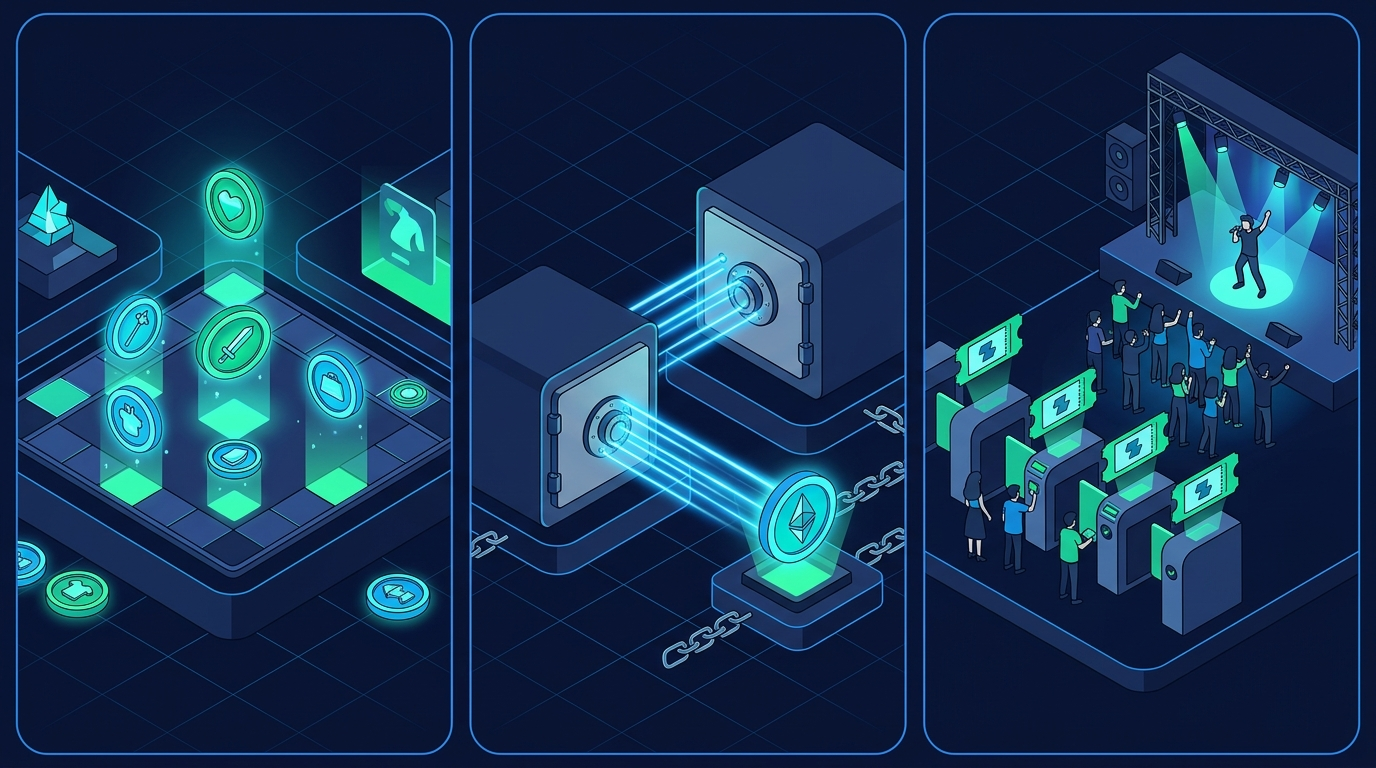
Gaming NFTs represent approximately 38% of total NFT transaction volume in 2026 - and that figure is earned, not inflated. Games like Illuvium (an open-world RPG with a functioning in-game economy) and Gods Unchained (a competitive card game where deck cards are tradeable NFTs) generate ongoing secondary market activity because the items actually get used. Players want them for gameplay reasons first. Resale value is a secondary consideration.
Active user counts in gaming NFT projects grew approximately 80% year-over-year heading into 2026 - the one category in the NFT space showing genuine organic growth.
Axie Infinity's collapse taught the market a hard lesson: if in-game earnings depend on token price staying elevated, the economy is circular and fragile. Successful gaming NFTs in 2026 are built on traditional game mechanics - cosmetic skins, equipment upgrades, card pack equivalents - where blockchain is the settlement layer, not the value proposition.
Real-World Asset Tokenisation - The Institutional Use Case
RWA tokenisation emerged as the surprise survivor category, attracting fundamentally different capital than 2021's speculative art market did.
Platforms like Collector Crypt and Courtyard tokenise physical collectibles - Pokémon cards being the headline example. The physical item sits in a custody vault; the on-chain NFT represents verifiable ownership and can be traded without shipping the physical card. For collectors, this is genuinely useful: instant settlement, fractional exposure, provenance tracking.
The institutional version goes further. Real estate NFTs grew approximately 32% year-over-year, reaching an estimated $1.4 billion market. Real estate funds and trade finance firms are adopting NFT-based ownership records because they offer compliance-friendly, legally enforceable provenance at lower administrative cost than traditional paper trails. Understanding the mechanics of NFT lending - using NFTs as collateral - is increasingly relevant for institutional participants in this space.
What makes this category structurally different from speculative NFTs: value comes from the underlying asset, not from community narrative or floor price momentum. An NFT representing fractional ownership in a commercial property has a fundamental value floor tied to the property itself. The token is an instrument, not a bet.
NFT Ticketing, Memberships, and Loyalty Programs
Event ticketing is one of the cleanest NFT use cases because the problem it solves - ticket fraud, scalper manipulation, and lack of resale transparency - is universally understood. GET Protocol has implemented NFT ticketing at scale, embedding programmable resale rules directly into the token. An artist can specify that resale price can't exceed face value by more than 20%, and that rule is enforced by the smart contract, not by a platform policy that can be worked around.
Brand memberships follow a similar logic. An NFT membership pass that grants holders access to exclusive product drops, events, or content creates a verifiable, tradeable access credential. Starbucks Odyssey built a loyalty ecosystem on this model, allowing members to earn "Journey Stamps" (NFTs) tied to coffee education activities - redeemable for real-world rewards.
Phygital NFTs - tokens linked to physical goods - saw approximately 60% transaction volume growth heading into 2026. Luxury goods authentication is a natural fit: an NFT attached to a physical item provides a permanent, tamper-proof provenance record that travels with the asset through every resale. Polygon hosts substantial phygital NFT minting activity, including major brand deployments in this space.
How to Get Started With NFTs in 2026 - A Beginner's Step-by-Step Guide
The barrier to entry for NFTs is lower than it's ever been. That's partly because of better tooling, and partly because the market clearing out speculative noise means platforms have had to compete on usability. Here's the practical path from zero to your first NFT purchase.
Step-by-Step: Buying Your First NFT
- Choose and set up a wallet - MetaMask for Ethereum-based NFTs (browser extension or mobile app), Phantom for Solana. Setup takes under 10 minutes. Write your seed phrase on paper, not in a notes app. For a full comparison of wallet options across chains, see this guide to crypto wallets and self-custody.
- Fund your wallet - Buy ETH or SOL through a centralised exchange, then transfer to your self-custody wallet. Make sure you hold slightly more than you plan to spend - gas fees eat into transactions.
- Choose a marketplace - Blur for active Ethereum NFT trading (better suited to experienced users); OpenSea for broader selection and easier interface; Magic Eden for Solana and Bitcoin Ordinals.
- Research before you buy - Check floor price history (is it rising or declining?), 30-day trading volume, number of unique buyers, and whether the project has a functioning product beyond the NFT itself.
- Complete the purchase - Connect your wallet to the marketplace, browse, select the NFT, and confirm the transaction. Ownership transfers on-chain within seconds to minutes depending on network congestion.
⚡ Pre-Purchase Checklist
- Wallet funded with more than the purchase price (to cover gas fees)
- Floor price trend reviewed over 30 and 90 days
- Project website and roadmap checked for delivered milestones
- Discord or community activity reviewed for genuine engagement (not just bots)
- Smart contract address verified against official project channels
One practical note on gas fees: Ethereum mainnet transactions can cost $5-$50+ during high-demand periods. Layer-2 networks like Arbitrum or Polygon reduce this to cents. If you're exploring lower-value NFTs, transacting on L2 is the cost-rational choice.
Start small. The NFT market remains significantly illiquid for most collections, and prices can move fast in both directions. Before evaluating which NFTs might deserve larger allocations, understand the evaluation framework first.
How to Evaluate an NFT - What Separates Value From Hype
With 96% of collections effectively dead, due diligence isn't optional - it's the entire game. The projects that survive the K-shaped market's top tier have specific, measurable qualities. Here's how to identify them.
On-Chain Data and Trading Activity Analysis
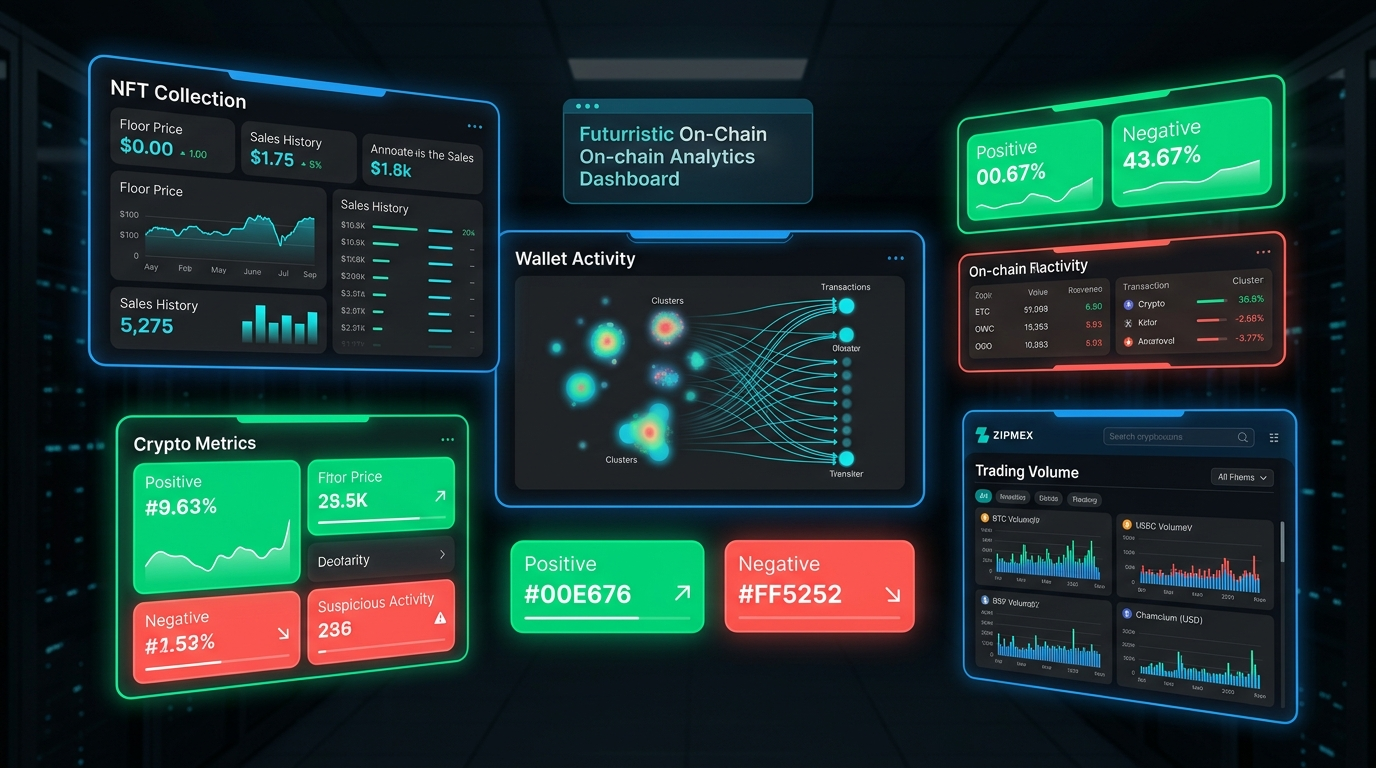
On-chain analytics are the NFT market's version of reading a company's financial statements. The data is public, immutable, and can't be spun. Two tools worth knowing: NFTGo and DappRadar both aggregate cross-marketplace on-chain data into readable dashboards.
1. 7-day and 30-day trading volume trend - is volume growing, stable, or contracting? A project with declining volume over three consecutive months is not recovering.
2. Unique buyer count - a collection where 80% of recent purchases trace to 3 wallets is a wash trading signal, not genuine demand. Look for broad buyer distribution.
3. Active-trading NFTs as a percentage of total supply - if fewer than 5% of a collection's total supply has traded in the last 30 days, that collection has a liquidity problem. Most buyers will struggle to exit at fair prices.
4. Wallet concentration - if the top 5 wallets own more than 40% of a collection, price action can be manipulated by a small number of coordinated sellers.
Community, Roadmap, and Utility - The Long-Term Value Triad
On-chain data tells you what's happening now. Community, roadmap, and utility tell you what's likely to happen next.
Community quality isn't measured by Discord member count - it's measured by what people actually talk about. A healthy NFT community discusses the project's product, upcoming events, and holder experiences. A dying community discusses floor prices and when the "next pump" is coming. The distinction is usually obvious within 10 minutes of scrolling.
Roadmaps earned deep scepticism during the 2021-22 cycle, and for good reason. "Phase 2: Metaverse integration" was the era's most commonly unfulfilled promise. In 2026, a credible roadmap has specific delivered milestones you can verify - a launched game, a functioning marketplace, a signed retail partnership.
Collectible vs. Utility vs. RWA - Which Type Fits Your Goals?
Not all NFT types carry the same risk profile or suit the same objectives. Matching NFT type to your actual goals is the starting point for any rational approach.
Collectibles require the longest time horizon and the highest tolerance for illiquidity. Utility NFTs are more accessible to new entrants because value derives from use, not from narrative. RWA tokens represent the most professionally structured category - but they come with compliance requirements that more casual participants may find unfamiliar.
NFT Red Flags and Scam Warning Signs in 2026
Wallet-draining approvals remain one of the most active threat vectors in the NFT space - noted across major marketplace security reporting as an ongoing concern that hasn't diminished despite the market's contraction. Scams didn't leave when the liquidity did. They adapted.
⚠ 8 Warning Signs of an NFT Scam
- Anonymous team with no track record or accountability
- Roadmap consists entirely of future promises with no delivered milestones
- Mint sold out instantly with no public secondary market activity afterward
- Trading volume traceable to a small number of wallets (wash trading signal)
- Discord or X account recently compromised or posting uncharacteristic announcements
- Contract asks for "approve all" permissions on wallet connection
- Visual design closely mirrors an established project with minor name variation
- Celebrity promotion without disclosed commercial relationship
The 8 Most Common NFT Scam Tactics
One point on wallet security worth emphasising: the "approve all" permission request is the most dangerous interaction in the NFT ecosystem. When a marketplace or contract asks to approve all tokens in your wallet - not just the one you're purchasing - that's a signal to stop and verify. Legitimate NFT purchases require specific approvals, not blanket access. Revoke approvals you don't recognise using a tool like Revoke.cash.
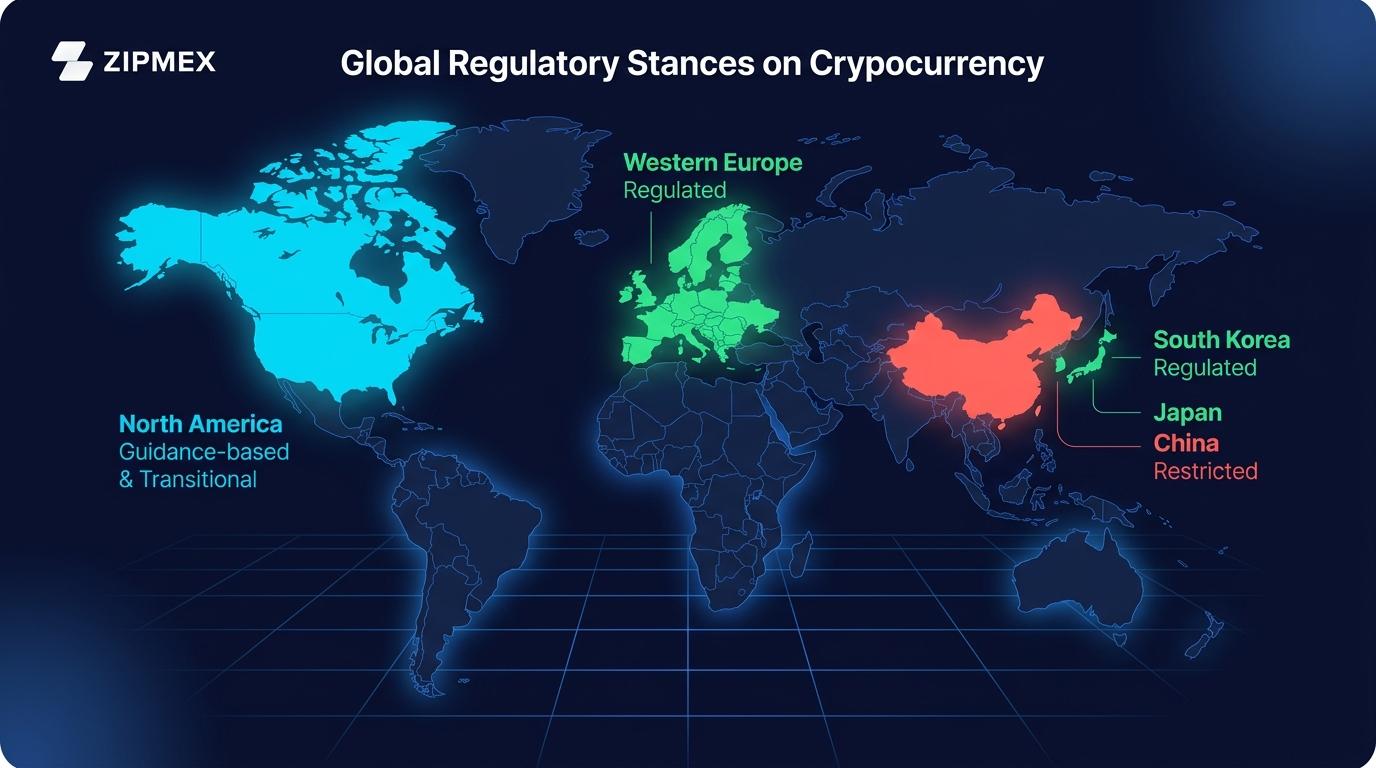
The Regulatory Landscape - How MiCA, SEC, and Global Policy Are Shaping NFTs
Regulation is the clearest maturation signal in the NFT market. The unregulated environment of 2021 enabled massive fraud and consumer losses. The compliance frameworks that emerged through 2025-2026 have made the space less exciting and significantly more viable for serious capital.
Compliance isn't the enemy of the NFT market - it's what makes the market sustainable. NFTs that meet disclosure and legal standards attract institutional capital that has no interest in unregulated speculation.
The Future of NFTs - What to Expect Beyond 2026
The conversation has shifted from whether NFTs exist to what they're actually useful for - which is the right question. Three credible growth vectors are worth tracking.
The long-term framing that resonates most: NFTs are becoming infrastructure. Not flashy, not the subject of Twitter discourse about floor prices - infrastructure. The same way no one talks about the HTTP protocol when they browse the web, nobody will talk about the token standard when they scan their concert ticket or sell their tokenised sports card. The technology becomes invisible because it works.
AI-Powered NFTs and Dynamic On-Chain Assets
Dynamic NFTs are tokens whose metadata changes based on on-chain or real-world data. A footballer's NFT that updates performance stats in real time. A game character that visually evolves based on battles won. An AI agent with an on-chain identity (via ERC-8004) that accumulates a transaction history and reputation score over time.
AI-powered NFTs represent approximately 30% of new NFT project development in 2026. The integration pattern: AI generates or modifies visual output, blockchain provides the provenance and ownership layer. Neither technology alone achieves what they achieve together - the AI provides evolving content, the NFT provides verifiable, transferable ownership of that specific evolving asset.
📊 What Dynamic NFTs Enable
- Real-time sports performance tracking in collectibles
- Evolving game character art tied to gameplay milestones
- AI agent identity tokens (ERC-8004) with persistent on-chain history
- Dynamic real estate tokens reflecting current property valuations
ERC-8004 is still experimental, but its trajectory is clear: as AI agents become capable of holding assets, executing transactions, and maintaining persistent identities on-chain, they'll need tokens to represent those identities. NFTs are the natural instrument.
Alternatives to Speculative NFT Investing - What Else to Consider
If you've read this far and concluded that the utility NFT categories don't match your current goals, that's a valid position. Each alternative below solves a problem that speculative NFTs failed to solve.
DeFi protocols that generate yield from real fee activity - trading fees, liquidity provision, protocol revenue - provide verifiable, on-chain returns without the illiquidity problem that plagues most NFT collections. The principle that applies across all these categories: verify the mechanism. Where does the yield come from? Where does the value come from? If the honest answer involves "other buyers buying in after you," the risk profile resembles speculation regardless of what the asset is called. For a detailed look at how on-chain yield generation works, the Yearn Finance guide covers the mechanics of DeFi vaults built on transparent fee structures.
Conclusion - Are NFTs Dead or Just Different?
The short answer to "are NFTs dead" is no - but the speculative era of 2021 is definitively over and isn't coming back. What remains is a leaner, more functional, and more institutionally integrated market structured around the K-shape: a small top tier with genuine activity, and a long tail of abandoned projects.
The NFTs that survived the correction have something in common: they do something. Gaming assets that players actually want. Tickets that prevent fraud. Membership passes that deliver real benefits. RWA tokens backed by physical assets. These aren't speculative bets on community narrative - they're tools with functional value propositions.
⚡ Who Should Do What in 2026
NEW TO NFTs?
Start with utility categories - gaming NFTs or event tickets - where value derives from use, not speculation. Use the on-chain analytics framework before any purchase. Start small; liquidity is thin across most collections.
FORMER NFT HOLDER?
Run your existing holdings through the evaluation criteria: on-chain activity, community quality, delivered roadmap milestones. Projects that fail on 2 or more dimensions are unlikely to recover meaningful floor prices.
BUILDERS AND CREATORS?
The infrastructure is more robust now than it was in 2021. Layer-2 networks make minting economically viable at scale. Platforms built on self-custody, on-chain verifiability, and transparent mechanics are positioned to attract the serious users who stayed through the bear market. The market demands genuine utility - but for projects that deliver it, a durable user base exists.
The NFTs that matter in five years won't be famous for their floor price. They'll be the tokens you use to prove you own something, access something, or are someone in a digital context - invisible infrastructure doing exactly what it was designed to do.
Crypto trading and NFT activity involve substantial risk of loss. Nothing in this article constitutes financial advice. Past market performance is not indicative of future results. Always conduct your own due diligence.
Last updated: April 2026.
Frequently Asked Questions
Are NFTs dead in 2026?
NFTs are not dead in 2026, but the market looks fundamentally different from its 2021 peak. Annual trade volume dropped to approximately $5.5 billion in 2025 - down 37% from 2024 and roughly 95% below the peak quarter when OpenSea alone processed nearly $5 billion monthly. Approximately 96% of collections show no meaningful trading activity. What remains is a K-shaped market: a small set of blue-chip collections and utility-driven projects retains genuine liquidity and community engagement, while the long tail of speculative 2021-era projects has effectively ceased trading.
What caused the NFT bubble to burst?
Multiple factors converged. Speculative pricing had become detached from any fundamental value - floor prices reflected sentiment and social momentum rather than utility. The broader crypto bear market that began in 2022 removed the excess liquidity driving NFT demand. Market saturation meant buyers faced thousands of nearly identical options with no clear quality signal. Celebrity-endorsed projects that delivered no lasting value eroded credibility. Widespread rug pulls - teams that collected mint proceeds and disappeared - created lasting trust damage. The bubble burst not from a single event but from the gradual removal of each pillar that had been supporting artificial prices.
What are gaming NFTs and do they still have value?
Gaming NFTs are tokens representing in-game assets - characters, weapons, cosmetic items, land, or tradeable cards - where ownership is recorded on-chain and players can trade freely outside the game's native marketplace. They represent approximately 38% of total NFT transaction volume in 2026, making them the largest functional category. Value derives from gameplay utility: players want the items for in-game advantages or aesthetics, not just as financial instruments. Collections tied to games with active player bases - Illuvium, Gods Unchained, Big Time - maintain secondary market activity because the items get used.
How do I check if an NFT project is legitimate?
Start with on-chain verification: look up the smart contract on Etherscan and verify it matches the address listed on the project's official website. Check total supply and transaction history - inconsistencies between claimed and on-chain supply are a major red flag. Research the founding team: doxxed teams with verifiable backgrounds carry meaningfully lower risk than anonymous teams. Review delivered milestones against the roadmap - not what they promise, but what they've shipped. Check NFTGo for wallet concentration in the buyer base; a small number of wallets driving most volume suggests wash trading.
What is real-world asset (RWA) tokenisation?
RWA tokenisation converts ownership rights in physical assets into blockchain tokens. The physical asset - a property, a Pokémon card, a luxury watch - sits in custody or is legally registered; the on-chain token represents ownership and can be traded without moving the physical item. Platforms like Collector Crypt and Courtyard do this for physical collectibles. Institutional versions tokenise real estate and trade finance instruments. Real estate NFTs grew approximately 32% year-over-year, reaching an estimated $1.4 billion market. The key advantage: on-chain settlement, fractional ownership, and verifiable provenance - with the underlying asset providing a fundamental value floor.
How can I spot a wallet-draining NFT scam?
Wallet drainers are malicious smart contracts disguised as legitimate NFT mints or marketplace interactions. When you connect your wallet and approve the contract interaction, it requests permission to transfer all assets - not just the specific NFT you intended to buy. Key red flags: any prompt asking for "Approve All" or unlimited token access; NFT mint links sent via direct message on Discord or X (legitimate projects don't conduct mints through DMs); URLs that closely resemble but don't exactly match a project's official domain. Before approving any contract: check the exact contract address on Etherscan, review what permissions you're granting, and use Revoke.cash to audit and remove unnecessary approvals.
What are the best alternatives to speculative NFT investing?
Several on-chain categories offer digital asset exposure with different risk profiles than speculative NFTs. DeFi yield protocols that generate returns from real fee activity provide verifiable, on-chain yield without the illiquidity problem that plagues most NFT collections. Standard cryptocurrencies like ETH and BTC offer significantly deeper liquidity - you can enter and exit positions more efficiently. Tokenised fund structures and RWA protocols provide institutional-grade exposure with underlying asset value floors. The common thread: verifiable yield mechanisms and better liquidity. For any digital asset exposure, understanding where the value comes from - and how easily you can exit - should be the first analysis, not the last.