Spend five minutes on crypto Twitter and you'll see it: "to the moon" - the most recognizable piece of crypto slang on the internet. It signals a dramatic upward price movement in a cryptocurrency, either one that's already happening or one believers think is coming. Understanding what it actually means, where it came from, and how to tell genuine momentum from manufactured hype is essential knowledge for anyone navigating crypto markets.
In this guide, I'll break down the full picture: the definition, the history, real moon events with data, the technical signals to watch, and the red flags that separate real rallies from pump-and-dump schemes.
⚡ Key Takeaways
- "Moon" (or "to the moon") describes a sustained, dramatic cryptocurrency price increase - or confident expectation of one. Not a 10% dip recovery. Multi-hundred-percent moves.
- The phrase became mainstream during the 2017 Bitcoin bull run, when BTC crossed $20,000 for the first time, though community roots go back further.
- Moon talk can be organic sentiment or coordinated manipulation - knowing the difference is what protects your portfolio.
What Does "Moon" Mean in Crypto Slang?
"Moon" in crypto refers to a dramatic, sustained upward price surge in a cryptocurrency - the kind of movement that turns a modest position into a life-changing gain. When someone says a coin is "going to the moon," they mean one of two things: the price is already exploding, or they believe it's about to.
That's the important distinction. "Moon" operates in two modes:
📊 Two Ways "To the Moon" Is Used
DESCRIPTIVE
"Ethereum mooned in 2021, going from under $1,000 to nearly $5,000."
PREDICTIVE
"I think this altcoin is about to go to the moon - here's why."
The first is historical fact. The second is analysis, hope, or sometimes pure promotion dressed up as insight. Both uses are common on Crypto Twitter, Discord servers, and Telegram groups - usually paired with rocket ship emojis as shorthand for bullish enthusiasm. The key word in both contexts is dramatic. A 10% bounce doesn't qualify. We're talking multi-hundred-percent appreciation over days, weeks, or months.
"Mooning" - The Verb Form and Grammar of Crypto Hype
"Moon" became more than a noun or destination - it became a verb. Saying a coin is "mooning" means it's actively in the process of a major price surge right now. That linguistic flexibility is part of why the phrase stuck.
The present tense signals active participation opportunity; the past tense signals a reference event used to calibrate expectations. Understanding which mode you're reading matters - one is news, the other is history.
Now that we know what mooning means, it's worth understanding where the phrase came from - and why it spread so quickly.
Moon vs. HODL, Lambo, WAGMI - Where It Fits in Crypto Slang
"Moon" doesn't exist in isolation - it's part of a whole ecosystem of bullish crypto slang that emerged from forum culture and grew into market-moving shorthand.
Each term carries a different flavor. HODL is about patience and conviction through the chaos. WAGMI is communal - a rallying cry for the whole tribe. Lambo is the punchline that assumes moon-level returns have already happened or will happen. "Moon" is the event itself. Together, they form the vocabulary of bullish market psychology - and recognizing them in context tells you a lot about community sentiment.

The Origin and History of "To the Moon" in Cryptocurrency
"To the moon" didn't originate in crypto - it appeared in stock market and gambling communities long before Bitcoin existed. But it was crystallized as crypto slang during the 2017 bull run, when Bitcoin broke $20,000 for the first time and the mainstream media caught up to what early adopters had been watching for years.
That moment felt genuinely historic. Millions of people entered the market for the first time. Social media exploded with moon calls. The phrase became the unofficial anthem of crypto optimism.
Compare it to HODL - another pillar of crypto slang, born from a famously misspelled post on a Bitcoin forum in December 2013. Both terms emerged organically from community moments rather than marketing campaigns. That authenticity is exactly why they endured.
The 2020-2021 DeFi and NFT boom gave "moon" a second surge in prominence. Pandemic-era stimulus, near-zero interest rates, and an influx of new retail investors created the conditions for one of the most intense crypto bull cycles on record. Bitcoin hit approximately $69,000 in late 2021. Ethereum touched $4,800. New coins launched daily. Moon became the dominant mode of community communication.
KEY DATES IN "TO THE MOON" PHRASE HISTORY
2013
HODL coined in a Bitcoin forum; early "moon" references begin appearing in BTC community discussions.
2017 - KEY TURNING POINT
Bitcoin crosses $20,000 for the first time. "To the moon" enters mainstream vocabulary. Phrase spreads across social media globally alongside rocket ship emojis.
2020-2021
DeFi/NFT boom. Pandemic stimulus and near-zero interest rates drive retail crypto adoption. Moon calls peak across all major social platforms. BTC ~$69K, ETH ~$4,800 recorded.
2024-2026
Bitcoin halving cycle reignites moon discourse. Institutional adoption layers new credibility onto the concept - but core community language remains unchanged.
Famous Examples of Cryptos That Went "To the Moon"
History provides the clearest evidence that moon events are real - not just aspirational noise. Both established assets and speculative meme coins have delivered moves that justified the label.
What's interesting is that the cause of a moon event matters as much as the magnitude. BTC's 2020-2021 run was partially driven by institutional adoption and the halving supply shock. ETH's moon was tied to real DeFi utility. DOGE's 2021 explosion was celebrity-driven social media momentum. SHIB followed DOGE's playbook almost exactly.
Those different drivers predict very different outcomes after the moon event peaks. Utility-backed surges tend to retrace partially and consolidate. Pure hype-driven surges tend to crash faster and harder.
Comparison Table - Notable Moon Events in Crypto History
Historical price data sourced from CoinGecko historical data. Past performance does not guarantee future results. Crypto trading involves substantial risk of loss.
How to Spot If a Crypto Is Genuinely "Going to the Moon"
Knowing that moon events have happened is useful background. Being able to identify one in real time - versus a coordinated hype campaign - is where the real edge sits. The question I ask isn't "is this coin going to the moon?" It's "what is actually driving this price movement, and is it sustainable?"
That requires looking at two things in parallel: technical signals and tool-based analysis. Neither alone is enough.
Technical Indicators That Signal a Real Moon Rally (RSI, MACD, Volume)
Technical indicators don't predict moon events - nothing does with certainty. But they confirm whether the price action has the structural characteristics of a genuine rally versus a manipulated spike. Per Investopedia's RSI guide, a reading climbing steadily through the 50-75 range typically reflects sustained momentum rather than a short-term pump.
Four signals I watch during a potential moon move:
- RSI (Relative Strength Index): A sustained rally typically shows RSI climbing steadily through the 50-75 range. RSI spiking instantly to 85-90 on day one signals a short-term pump. Healthy moon events have RSI that builds momentum over days or weeks, not hours.
- MACD (Moving Average Convergence Divergence): A bullish MACD crossover on the daily or weekly chart is one of the more reliable momentum confirmation signals. When MACD crosses above the signal line while price makes new highs, the trend has structural support.
- Volume: Sustained volume increase across multiple sessions is the clearest signal. A single day of massive volume followed by immediate decline is a dump signal. Genuine moon events show volume trending upward with the price - each new high accompanied by equal or greater buying pressure.
- Moving Averages: Price holding above the 50-day and 200-day moving average while both MAs slope upward indicates the rally has longer-term momentum behind it, not just short-term speculation.
Technical indicators are tools, not oracles. Use them together - no single signal is definitive.
Free vs. Paid vs. AI-Based Crypto Analysis Tools for Moon Detection
The toolset available for identifying moon events has expanded significantly. Whether you're checking crypto price predictions or running on-chain analysis, the tier you use should match your trading seriousness.
Free tools get you 80% of the way there for most market conditions. Paid on-chain analytics becomes genuinely valuable during high-volatility periods - tracking whether large wallets are accumulating or distributing before a price move is information the chart alone doesn't show.
Recognizing the signals is one side of the equation - spotting when "moon" talk is being weaponized against you is the other.
Red Flags - When "To the Moon" Is Market Manipulation
Not every moon call is a discovery. Some are traps.
Pump-and-dump schemes are a structural feature of low-liquidity crypto markets. A small group of actors coordinates to buy a low-cap token, generates hype through social media, attracts retail buyers who push the price higher, then sells their entire position into that retail demand. The "moon" narrative is the bait. Chainalysis on-chain research found that 24% of new tokens launched in 2022 showed price collapse patterns consistent with pump-and-dump activity, with buyers losing an estimated $4.6 billion to suspected schemes. The vulnerability is heavily concentrated at the low end of the market: academic research analyzing over 1,400 historical pump events found that 95.7% of targeted tokens had market caps under $60 million, with a median market cap of just $2.7 million - where even a modest coordinated buy is enough to move prices dramatically.
Influencers, anonymous Telegram channels, and coordinated Twitter accounts are the primary vectors. The phrase "to the moon" appears early and often in these campaigns - it's aspirational, emotional, and designed to bypass analytical skepticism.
⚠ Red Flags Checklist - Potential Pump-and-Dump
- Anonymous or recently-created accounts → driving the moon narrative with no verifiable history
- Single volume spike → massive volume in one session with no build-up beforehand
- Very low market cap → tokens under $50M are far easier to move with coordinated buying
- Paid promotional posts → sponsored influencer content with undisclosed partnerships
- No fundamental catalyst → no product news, no on-chain activity, no exchange listing
- Price collapses within hours of peak → cliff-edge reversal with no consolidation
Spot three or more of these together and proceed with extreme caution.
Pump-and-Dump vs. Organic Moon Event - How to Tell the Difference
The distinction often comes down to three factors: what drove the move, how volume behaved, and what happened after the peak.
Dogecoin's 2021 move is an instructive gray area. It was celebrity-driven, not backed by fundamental utility - but also not a coordinated rug pull. The community was real. The enthusiasm was genuine. The price still crashed 75%+ from the peak. Even authentic moon events require exit discipline.
Crypto trading involves substantial risk of loss. This content is educational and does not constitute financial advice.
Using Moon Sentiment in Your Crypto Trading Strategy
Once you can distinguish hype from genuine momentum, moon phases become a tool, not a trap.
Market sentiment during a moon event is itself a signal. Rising community enthusiasm, increasing social volume, and growing retail interest all feed into price in real ways - not because sentiment is irrational, but because markets are driven by human behavior. Whether you hold through a moon phase using a long-term staking strategy or trade it actively, the key is incorporating moon sentiment within a risk-managed framework, not as a standalone buy trigger.
Popular Crypto Trading Strategies for Moon Rallies
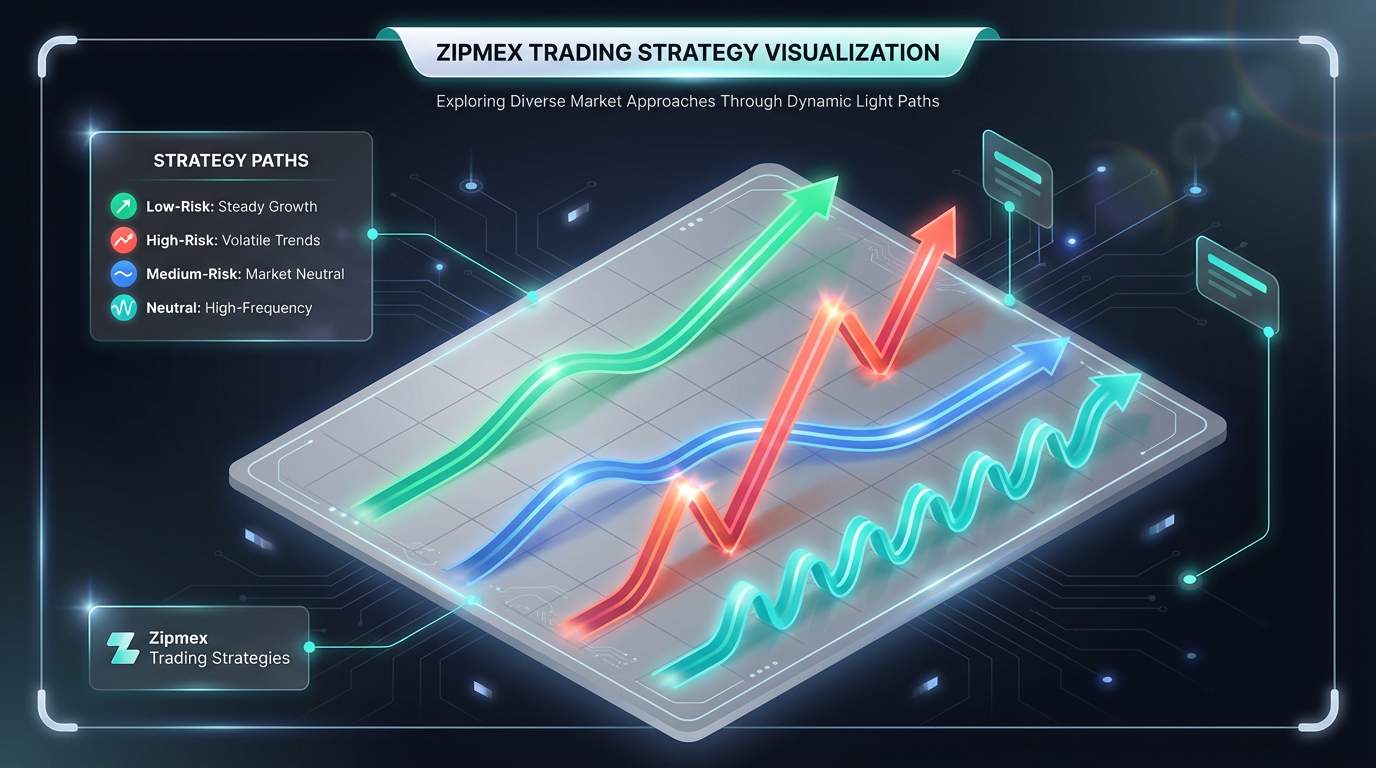
Swing Trading: Enter on a confirmed breakout above a key resistance level, target 20-50% gain, and set a stop-loss 8-12% below entry. Moon events are exactly when swing opportunities appear - the key is waiting for confirmation rather than chasing the first spike.
Momentum Trading: Follow the RSI and MACD signals covered above. When both indicators align bullishly and volume confirms, momentum traders ride the trend with a trailing stop to lock in gains as the move extends.
HODL: Doesn't require timing a moon event at all. Conviction holders in high-quality assets like Bitcoin and Ethereum simply hold through volatility and capture the full bull cycle, including multiple smaller moon events within it.
Scalping: High frequency, small gains per trade, requires extreme precision. Moon events create the volatility scalpers need - but also carry the highest reversal risk. This strategy suits experienced traders only.
No strategy eliminates risk during moon events - every moon ends with a retracement. Position sizing and stop-loss discipline are the common denominator across all four approaches.
Other Bullish Crypto Slang Terms Every Investor Should Know
Moon doesn't travel alone. Here's the quick reference for the terms that co-occur most frequently in community discussions during bull markets:
- ATH (All-Time High): A new price record for a cryptocurrency - moon events often culminate at or near ATH levels before a correction.
- FOMO (Fear Of Missing Out): The anxiety of watching a coin moon while you're on the sidelines - often what pushes retail buyers in at the peak.
- FUD (Fear, Uncertainty, Doubt): The opposite of moon sentiment - negative information (real or manufactured) designed to suppress price or shake out holders.
- WAGMI (We're All Gonna Make It): Collective bullish optimism - the community version of "to the moon," expressing confidence in the broader ecosystem.
- Rekt: Getting "wrecked" - suffering heavy losses, often from buying into a moon narrative too late or getting caught in a pump-and-dump.
These terms often appear together in a single post during high-conviction market moments. Reading the room means knowing which mode the community is in - and whether that mood has fundamental backing or not.
Conclusion - What "To the Moon" Really Means for Crypto Investors
"To the moon" is part cultural artifact, part market signal, and part psychological test. For newcomers, understanding it means you now speak the language - and more importantly, you know how to read the room when everyone around you is either panicking or euphoric.
For active traders, moon sentiment is genuinely useful data, but only when filtered through technical confirmation and a clear-eyed view of what's actually driving the move. The biggest mistakes in crypto happen when people skip that filtering step.
Markets built on transparency and verifiable on-chain data make that kind of filtering possible - which is why the shift toward trustless, self-custodial infrastructure matters more than any single moon event. Platforms that prioritize on-chain verifiability and user sovereignty reflect the direction the entire industry is heading, regardless of where prices move on any given day.
Still have questions? I've answered the most common ones below.
Crypto trading involves substantial risk of loss. The content in this article is educational and does not constitute financial or investment advice. Always conduct your own research before making any trading decisions.
Last updated: March 2026.
Frequently Asked Questions
What does "to the moon" mean in cryptocurrency?
"To the moon" is crypto slang for a dramatic, sustained upward price movement in a cryptocurrency - or strong expectation that one is coming. The phrase describes moves of hundreds or thousands of percent, not routine market fluctuations. When someone says a coin is "going to the moon," they're expressing either real-time price observation or bullish conviction about near-term performance. It's one of the most widely recognized pieces of crypto slang, appearing across social media platforms whenever market sentiment turns strongly positive.
Where did the phrase "to the moon" come from in crypto?
The phrase predates cryptocurrency - it appeared in stock market communities before Bitcoin existed. Within crypto, it gained mainstream traction during the 2017 Bitcoin bull run when BTC crossed $20,000 for the first time. That milestone felt historic to the crypto community, and the phrase became the unofficial rallying cry for the era. The 2020-2021 DeFi and NFT boom gave it a second wave of cultural dominance, cementing it as permanent crypto vocabulary.
What causes a cryptocurrency to go "to the moon"?
Multiple factors can trigger a moon event. Fundamental catalysts include real adoption milestones, protocol upgrades, institutional purchases, or Bitcoin halving events that reduce supply. Market catalysts include increased retail demand, exchange listings, or positive regulatory developments. Social catalysts include celebrity endorsements or viral community momentum. The most durable moon events are driven by a combination of fundamentals and market demand - pure social-media-driven moves tend to be shorter and more volatile.
How do I know if a crypto moon rally is real or hype?
Look at three things simultaneously: the fundamental catalyst (is there real news, adoption, or on-chain activity driving the move?), the volume pattern (is volume building progressively, or did it spike once and immediately decline?), and wallet concentration (are thousands of wallets participating, or is a handful responsible?). Real moon events typically have identifiable catalysts, sustained volume, and broad participation. Manufactured moves tend to show the opposite - no clear catalyst, a single volume spike, and very few wallets controlling the price action.
How do I avoid falling for pump-and-dump moon schemes?
Six practical filters: check whether accounts promoting the coin were recently created; look for a fundamental catalyst - if there isn't one, the move is likely manufactured; check the market cap - very low-cap tokens are far easier to manipulate; look at the volume pattern - a single massive spike with no build-up is a warning sign; check wallet concentration on on-chain analytics platforms; and ask whether the project has a working product or verifiable on-chain activity. If multiple checks fail, the moon call is likely a trap.
What is the difference between a bull run and a moon event?
A bull run is a broad, sustained upward trend across the entire crypto market - typically measured in months and characterized by multiple assets rising together. A moon event is asset-specific and typically faster and more dramatic. Multiple moon events can occur within a single bull run. During the 2021 bull run, Bitcoin, Ethereum, Solana, and Dogecoin each had separate moon events at different times. Think of the bull run as the season and moon events as individual peaks within it - each with its own catalyst, duration, and post-peak behavior.
What happens after a cryptocurrency moons - does it crash?
Retracement is universal - every moon event is followed by a correction. The magnitude varies. Strong fundamental assets like Bitcoin and Ethereum typically retrace 30-60% from peak and then establish a higher base. Meme coins and low-quality assets often retrace 80-95%+ and never recover. The post-moon crash is where most retail investors lose money: they buy near the peak during maximum FOMO, hold through the retracement hoping for a return to highs, and eventually sell at a loss. Recognizing that retracement is the expected outcome - not a surprise - helps structure exits during the moon phase rather than after.