PayPal crypto has gone from a curiosity to a legitimate on-ramp for hundreds of millions of users worldwide. With Pay with Crypto now supporting 100+ assets for US merchants and a full re-launch of services in the UK, the question isn't whether PayPal is serious about digital assets - it's whether it's the right tool for you. This guide breaks down everything: supported coins, how fees actually work, which exchanges let you fund with PayPal, the custody tradeoffs you need to understand, and who should use PayPal for crypto vs. a dedicated platform.
⚡ Key Takeaways
- PayPal supports 100+ cryptocurrencies (US) and 7 tokens (UK), including BTC, ETH, SOL, and PYUSD
- Merchant transaction fee via Pay with Crypto: 0.99% - up to 90% cheaper than international card processing
- PYUSD (PayPal's stablecoin) earns approximately 4% yield when held on the platform
- UK users can now buy PYUSD directly from PayPal - the first region outside the US with this access
- PayPal is custodial: you don't hold your private keys, and crypto-to-external-wallet transfers are restricted in most regions
What Is PayPal Crypto? How It Works in 2026
Most people think of PayPal as a fiat payment layer. That's changing fast. PayPal crypto refers to the suite of digital asset services embedded directly into the PayPal platform - buy, sell, hold, and now spend or receive crypto as a merchant - all without leaving the PayPal ecosystem.
The mechanics rely on a custody and issuance partnership with Paxos Trust Company, the New York-regulated firm that issues and holds reserves for PayPal USD (PYUSD). When you buy Bitcoin on PayPal, Paxos handles the underlying custody. When you pay a merchant using crypto, PayPal converts your digital asset to stablecoin or fiat instantly, meaning the merchant never carries crypto volatility risk.
This architecture has a real-world implication worth understanding upfront: PayPal holds your crypto, not you. That's a deliberate design choice for accessibility, and it works well for casual users. But it's a fundamentally different proposition from self-custodial platforms - and the distinction matters. If you want to understand why PayPal's custodial model differs from a real crypto platform, Zipmex covered this dynamic in depth.
Supported Cryptocurrencies on PayPal
Asset availability varies significantly by region:
UK users also have a notable distinction: they're the first region outside the US to be able to purchase PYUSD directly through PayPal, giving them access to a regulated stablecoin pegged 1:1 to the US dollar.
One critical limitation regardless of region: in most cases, you cannot transfer crypto from your PayPal wallet to an external address. The assets sit in PayPal's custodial environment. This is fine for holding or spending within the ecosystem, but it rules out moving crypto to a hardware wallet or a DeFi protocol.
How PayPal Converts and Settles Crypto Payments
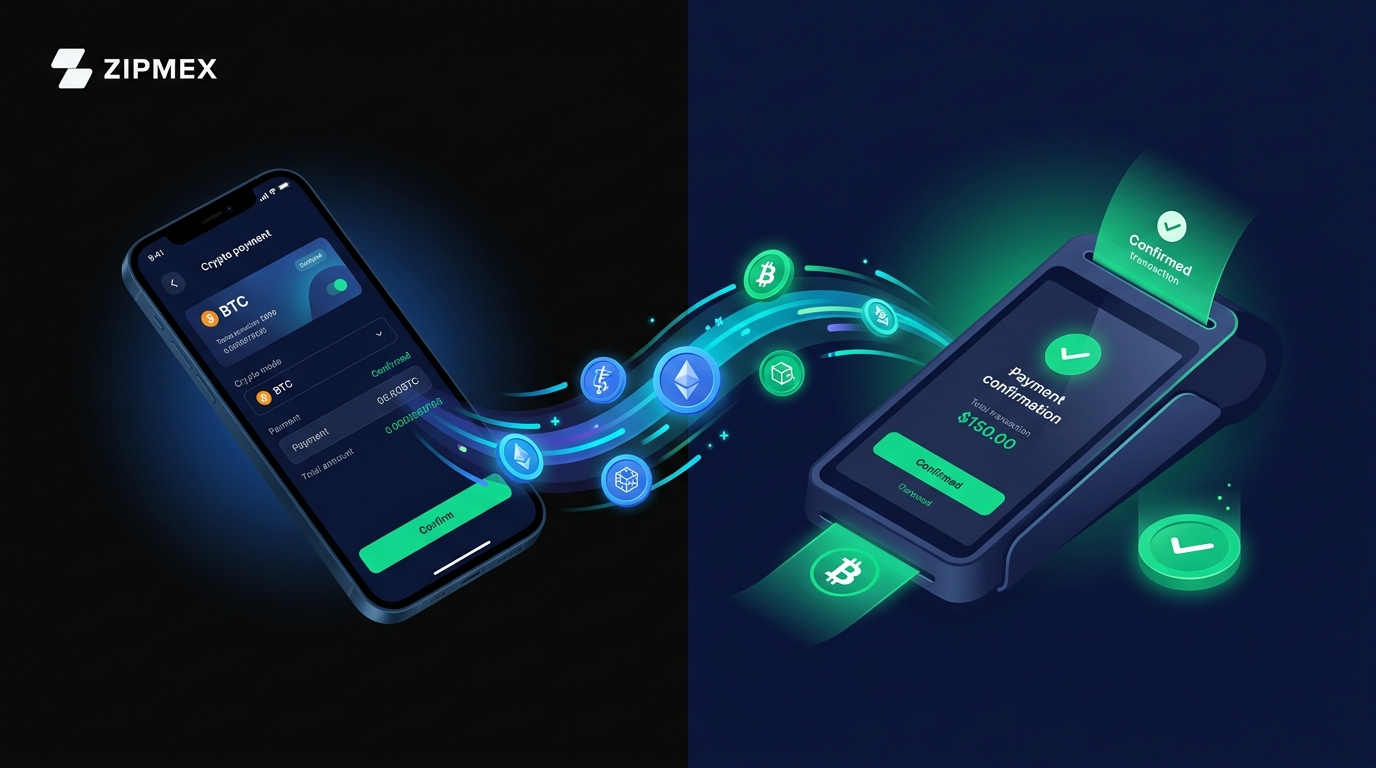
Here's how a Pay with Crypto transaction flows from a merchant's perspective:
- Shopper selects crypto at checkout via a PayPal-integrated merchant
- PayPal converts instantly - crypto converts to PYUSD or local fiat at the point of sale
- Merchant receives payment in stablecoin or fiat, with no exposure to crypto price movement
The result: near-instant settlement, no volatility risk, and dramatically lower fees compared to traditional cross-border card processing.
The 0.99% merchant rate is particularly compelling for merchants processing high volumes of international orders. A business doing $100,000/month in cross-border sales could save roughly $2,000-$3,000 monthly by routing payments through Pay with Crypto vs. traditional card processing.
Best Crypto Exchanges That Accept PayPal (2026 Rankings)
Buying crypto directly within PayPal is straightforward but limited. If you want lower fees, a broader asset selection, or advanced trading features, funding a dedicated exchange via PayPal is the better path. After evaluating 50+ platforms end-to-end - depositing via PayPal, purchasing assets, and withdrawing - here are the six best options.
Data accurate as of Q1 2026. PayPal integration status changes frequently - verify before depositing.
Crypto.com - Best Overall for PayPal Users
Crypto.com supports PayPal deposits and withdrawals for USD and EUR, with native PayPal integration in its mobile app. Deposit processing is typically instant to 1 business day. The asset selection covers 250+ cryptocurrencies, and the platform holds comprehensive asset insurance - a meaningful trust signal.
Pros:
- Native PayPal integration (not a third-party workaround)
- USD and EUR deposits both supported
- Strong security track record and proof of reserves
Cons:
- Fees for smaller purchases run 2.5%+ via PayPal
- Advanced features (Earn, DeFi wallet) require separate setup
Verdict: Best overall balance of accessibility, security, and asset selection for PayPal-first crypto buyers.
Coinbase - Best for Easy Cash-Out via PayPal
Coinbase's strongest selling point for PayPal users isn't the deposit side - it's the sell-and-withdraw flow. After selling crypto, you can transfer proceeds directly to your PayPal account with near-instant processing (Coinbase Instant Cashout). This removes the 3-5 day bank transfer wait that frustrates many users.
Pros:
- Instant PayPal cash-out for sold crypto
- Publicly listed, SEC-regulated - strong trust baseline
- Clean, beginner-friendly interface
Cons:
- PayPal integration primarily available to US users
- Fees are higher than exchanges like Kraken for active traders
Verdict: The cleanest path from crypto back to PayPal for US users who want to realize gains quickly.
Paybis - Best for EU/EEA PayPal Crypto Purchases
EU-regulated and built specifically for quick, high-limit crypto purchases with PayPal as a funding method. Paybis supports 80+ assets and a broad range of EEA currencies. The purchase flow is fast - typically under 5 minutes from PayPal authorization to crypto in your wallet.
Pros:
- Regulated under EU frameworks
- High purchase limits vs. competitors for PayPal
- Broad EEA currency support
Cons:
- Withdrawing proceeds back to PayPal is limited - primarily designed for purchasing
- Higher fees than exchange-based alternatives for active traders
Verdict: The strongest option for European users who want to use PayPal as their entry point into crypto with minimal friction. To understand how cryptocurrency exchanges work before choosing one, Zipmex has a concise explainer covering the key differences between centralized and decentralized platforms.
How to Buy Crypto with PayPal - Step-by-Step Guide
Two distinct paths exist here. The first is buying directly within PayPal. The second is using PayPal to fund a dedicated exchange. Which is right for you depends on what you're buying and why.
Buying Crypto Directly Within the PayPal App
PayPal's in-app crypto purchase flow is genuinely one of the simplest in the industry. No new account, no KYC from scratch - you're already verified.
- Open the PayPal app (or go to paypal.com on desktop) and log into your account
- Navigate to Crypto - tap "Finances" then "Crypto" from the main dashboard
- Select your asset - browse the available tokens; tap one to see the real-time price chart and educational overview
- Enter your purchase amount - either in fiat (e.g., $50) or in crypto units; PayPal displays the fee breakdown before you confirm
- Choose your funding source - PayPal balance, linked bank account, or debit card
- Confirm the purchase - review the exchange rate and fee, then tap "Buy Now"
Your crypto appears in your PayPal wallet immediately. Note: it's held in PayPal's custodial environment - you won't see a wallet address or receive private keys, and you cannot transfer to external wallets in most regions. Android support for UK users was in rollout as of the November 2026 relaunch announcement - verify current availability in the app store.
Using PayPal to Fund a Crypto Exchange Account
For users who want access to a broader asset selection, lower fees, or the ability to withdraw Bitcoin to a personal wallet:
- Create and verify an account on a PayPal-compatible exchange (Crypto.com, Coinbase, or Paybis are the strongest options)
- Complete KYC verification - identity verification typically takes 24-72 hours for full limits; some platforms approve basic tiers in minutes
- Navigate to Deposit in the exchange and select PayPal as your payment method
- Enter your deposit amount and authorize via PayPal's secure redirect
- Wait for funds to appear - typically instant to 1 business day depending on the platform
Once funded, you can trade, stake, or transfer crypto freely - without the restrictions of PayPal's custodial model.
PayPal Crypto Fees, Limits, and Costs - Full Breakdown
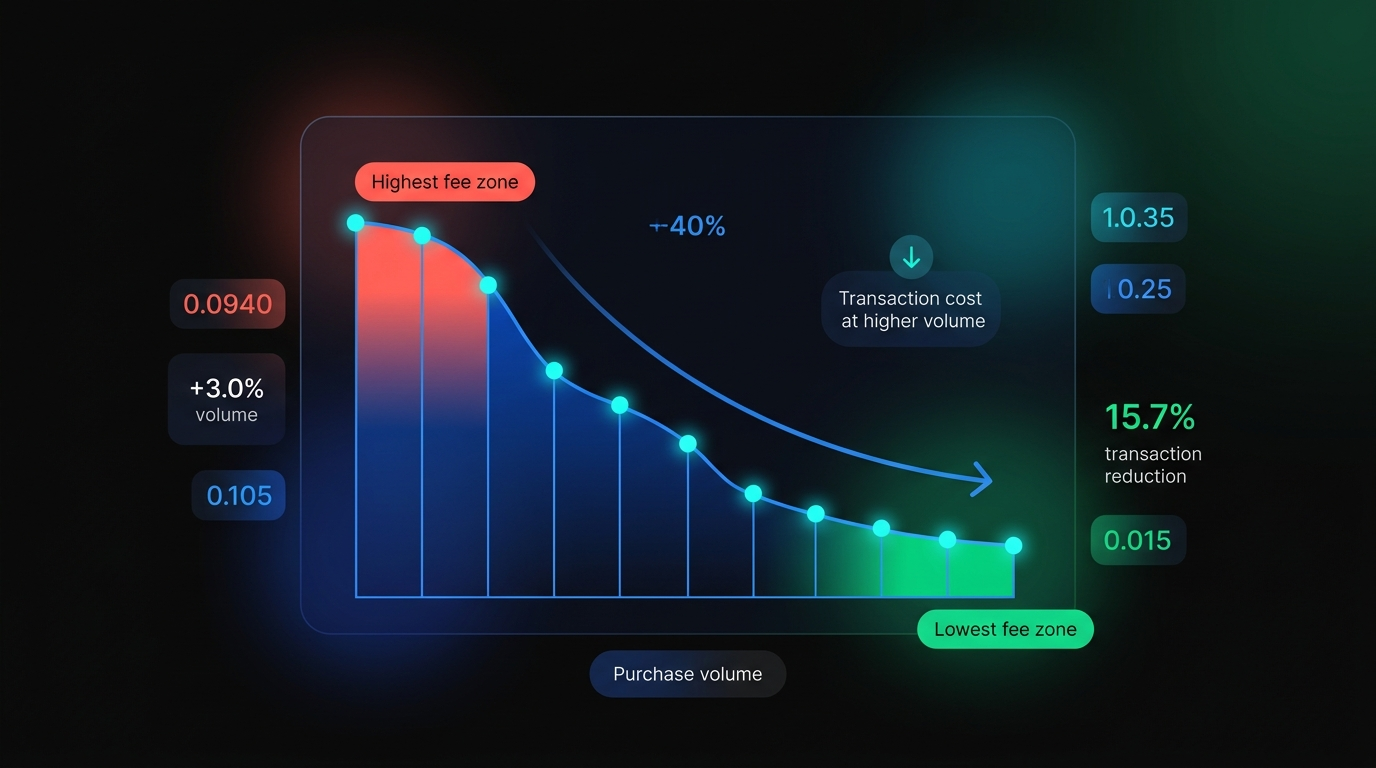
PayPal's fee model for crypto is spread-based, not flat. The fee is baked into the exchange rate you're shown, rather than listed as a separate line item. Here's what that looks like in practice:
A practical example: if you buy $500 worth of Bitcoin on PayPal, you're paying roughly $9 in spread fees. On Coinbase Advanced Trade, the same trade costs approximately $1.30 in maker fees. PayPal's convenience carries a real cost for regular buyers.
The PYUSD yield (~4% annually) partially offsets this for stablecoin holders. Worth understanding: PYUSD held on PayPal is not FDIC or SIPC insured - unlike bank deposits, there's no federal protection if PayPal encounters financial difficulties. For more on how PYUSD differs from stablecoins like USDT, Zipmex's Tether explainer covers the reserve transparency distinction in detail.
Transaction limits vary by account verification level. Fully verified accounts access higher weekly and annual limits. Check PayPal's current fee and limit schedule directly - these figures change periodically.
How to Evaluate PayPal Crypto vs. Dedicated Exchanges
The right tool depends on what you're actually trying to accomplish. Here's how PayPal stacks up against dedicated exchanges across five dimensions:
PayPal vs. Dedicated Crypto Exchanges - Custodial Model Compared
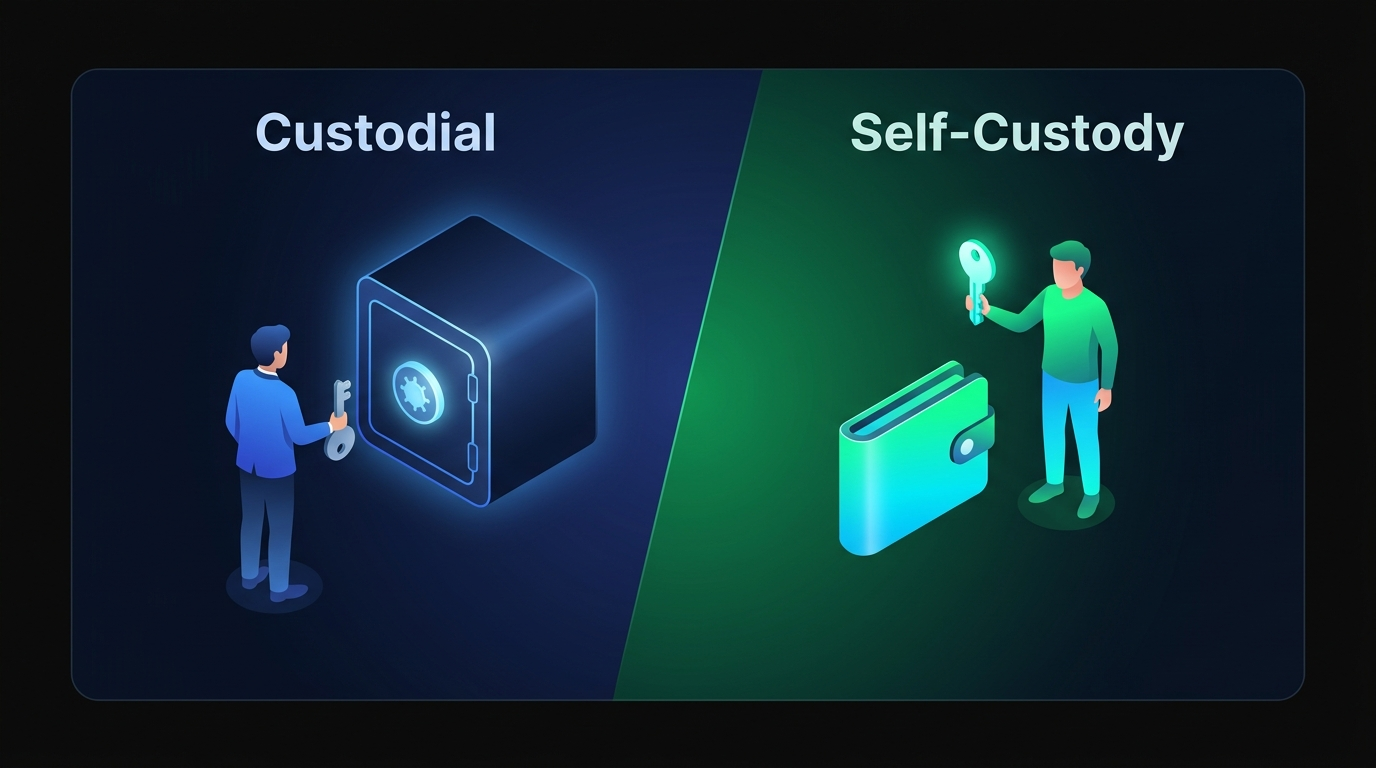
This is the most consequential technical difference between PayPal and a dedicated exchange or self-custodial wallet.
⚠ PAYPAL CUSTODIAL MODEL
- PayPal controls private keys
- External transfers restricted/unavailable
- Counterparty risk: yes - platform risk
- No FDIC/SIPC protection
- Best for: casual holding, everyday payments
✓ SELF-CUSTODY WALLET
- You control private keys
- Full freedom to transfer anywhere
- No counterparty risk
- No FDIC/SIPC protection (same)
- Best for: active trading, DeFi, long-term storage
PayPal's model trades control for convenience. For someone who wants to dabble with crypto without learning wallet management, that's a reasonable tradeoff. For anyone holding a meaningful amount, or who wants access to DeFi protocols via AMMs, the custodial model is a hard constraint. You don't own the crypto in the cryptographic sense - you own a claim on PayPal's custody.
Free vs. Paid vs. Exchange-Based Crypto Access - Which Model Fits You?
PayPal Crypto Risks and Red Flags to Watch Out For
Transparency requires acknowledging the full picture. Here are the risks that matter most for PayPal crypto users - many drawn directly from PayPal's official disclosures.
⚠ Key Risks at a Glance
- Price volatility → crypto values can drop to zero; past performance means nothing
- No FDIC/SIPC protection → holdings aren't insured by federal programs
- Regulatory uncertainty → services can be restricted or suspended without notice
- Tax obligations → crypto transactions may be taxable events; you're responsible
- NYDFS gap → as of publication, Pay with Crypto is not approved for New York State residents
The regulatory point deserves more than a bullet. PayPal explicitly states that availability or legality of digital asset services may change without notice, and services may be restricted or terminated in certain jurisdictions. This isn't theoretical - UK crypto services were previously paused and only re-launched in November 2026. Crypto trading involves substantial risk of loss. Never allocate more than you can afford to lose entirely.
Common PayPal Crypto Scams and How to Avoid Them
PayPal's massive user base makes it a prime target for social engineering. The most common attack vectors:
5 Red Flags That Signal a PayPal Crypto Scam:
- An email asking you to "verify" your PayPal crypto account via a link - PayPal will never request credentials via email
- Unsolicited DMs offering "PayPal crypto investment" opportunities with high return promises
- Fake "PayPal Support" accounts on social platforms asking you to send crypto to resolve an account issue
- Checkout pages that look like PayPal but use a slightly different URL (e.g., "paypa1.com")
- Phone calls claiming your PayPal account has been flagged and asking you to transfer crypto for safekeeping
One rule applies across all of these: crypto transactions are irreversible. Once sent, funds cannot be recalled. Access PayPal only through paypal.com or the official app - never via links in emails or messages. Enable two-factor authentication (2FA) immediately if you haven't already.
How to Use PayPal Crypto Effectively - Strategies for Different Users
Knowing what PayPal crypto is matters less than knowing whether it serves your specific goals. Here's how three distinct user profiles can extract genuine value.
PayPal Crypto for Merchants - Accepting Payments and Reducing Fees
For merchants, Pay with Crypto is one of the more compelling developments in payments infrastructure in recent years. The economics are hard to ignore.
Merchant benefits of Pay with Crypto:
- Fee reduction - 0.99% transaction rate vs. 3-4% for international credit card processing
- Settlement speed - near-instant vs. 2-5 business days for wire transfers
- Market reach - access to 650M+ crypto holders globally, connected to $3+ trillion in crypto market cap
- Volatility protection - crypto auto-converts to PYUSD or fiat; merchants never carry price risk
PayPal is expanding stablecoin use globally via a partnership with Fiserv. For a merchant doing significant cross-border volume, integrating Pay with Crypto is worth a direct cost-benefit analysis - the savings on a $500K annual international revenue stream could exceed $15,000.
Dollar-Cost Averaging and Long-Term Holding via PayPal
Dollar-cost averaging (DCA) is the practice of buying a fixed fiat amount of an asset at regular intervals - weekly, bi-weekly, or monthly - regardless of price. It reduces timing risk by averaging your entry cost rather than committing a lump sum at a single point.
The math is straightforward. The risk is the same as any crypto holding: the underlying asset value may decline. PYUSD held on PayPal at ~4% yield is a lower-risk alternative for users who want ecosystem exposure without crypto price volatility.
Popular Approaches: HODL, Spend-to-Earn, and Merchant Integration
- HODL - buy Bitcoin or Ethereum and hold long-term within PayPal's custodial wallet. Convenient, but you don't control keys and can't move funds to DeFi. Suitable for casual long-term exposure.
- PYUSD yield - hold PYUSD in PayPal to earn approximately 4% annually. Lower risk than volatile crypto, while keeping funds ready for quick conversion. For context on how PYUSD compares to algorithmic stablecoins, the design philosophy is fundamentally different - PYUSD is fully reserve-backed, not algorithm-dependent.
- Merchant integration - accept crypto payments via Pay with Crypto, auto-converting to fiat or PYUSD. The value driver is fee reduction, not speculation.
Alternatives to PayPal Crypto - What Else Should You Consider?
PayPal is an excellent tool for specific use cases. It isn't the right tool for all of them.
For anyone serious about building a crypto portfolio, the custody question becomes increasingly important as value grows. Keeping meaningful holdings on any centralized platform introduces counterparty risk that on-chain, self-custodial solutions eliminate entirely. On-chain verifiability - where your balance exists on the chain itself, not on a company's internal ledger - is the only way to confirm asset sovereignty independent of any organization's solvency.
Zipmex is built around this principle: self-custodial by design, with on-chain verifiable outcomes across trading, gaming, and yield generation. It represents a different philosophy about where trust should live - in cryptographic code, not company promises.
Conclusion - Is PayPal the Right Crypto Platform for You?
The answer depends entirely on what you're trying to do.
PayPal's crypto trajectory is clear: PYUSD expansion via Fiserv, PayPal World connecting the five largest digital wallets globally, Pay with Crypto reaching 100+ assets for US merchants. The platform is building serious infrastructure, not running a pilot program.
For casual users and merchants, that infrastructure is genuinely useful today. For anyone who wants full sovereignty over their digital assets - the ability to verify their balance on-chain, move funds freely, or access DeFi - PayPal's custodial model is a starting point, not a destination.
Your existing PayPal account is the easiest place to start. The comparison table above is the fastest path to finding the right exchange if you're ready to go further.
Crypto trading and digital asset investing involve substantial risk of loss. The value of crypto assets can increase or decrease rapidly, and you may lose all of your investment. Nothing in this guide constitutes financial advice. Always conduct your own research and consider your risk tolerance before investing.
Last updated: April 2026.
Frequently Asked Questions
What cryptocurrencies can I buy on PayPal?
It depends on your region. US users have access to 100+ cryptocurrencies through Pay with Crypto, including Bitcoin, Ethereum, Solana, XRP, BNB, USDT, USDC, and PYUSD. UK users have access to 7 tokens: Bitcoin (BTC), Ethereum (ETH), Litecoin (LTC), Bitcoin Cash (BCH), Solana (SOL), Chainlink (LINK), and PayPal USD (PYUSD). Availability is subject to change and regional regulatory approval. Always check PayPal's current asset list in the app or on paypal.com before assuming a specific asset is available in your country.
How do I buy Bitcoin on PayPal?
Buying Bitcoin on PayPal takes about 60 seconds if your account is already verified. Open the PayPal app, tap "Finances," then "Crypto," and select Bitcoin from the asset list. Enter the amount you want to spend in fiat, choose your funding source (PayPal balance, linked bank, or debit card), review the exchange rate and fee, then confirm. Your Bitcoin appears in your PayPal wallet immediately. One key point: the Bitcoin is held in PayPal's custodial environment. You won't receive a private key or wallet address, and you can't transfer it to an external wallet in most regions.
What is PYUSD and how is it different from other stablecoins?
PYUSD (PayPal USD) is a regulated stablecoin issued by Paxos Trust Company, LLC under oversight from the New York State Department of Financial Services. It maintains a 1:1 peg to the US dollar, backed by dollar deposits, US Treasuries, and cash equivalents. Unlike USDT (Tether), PYUSD's reserves are fully disclosed and audited under NYDFS requirements - a meaningful transparency advantage. Uniquely, PYUSD held on PayPal earns approximately 4% yield annually, making it one of the few stablecoins offering passive returns directly within a mainstream payments app.
Can I withdraw crypto from PayPal to an external wallet?
In most regions, no. PayPal operates a custodial model where your crypto is held by PayPal/Paxos and cannot be transferred to an external wallet address or hardware wallet. This is one of the most important limitations to understand before buying crypto on PayPal. If self-custody - where you control your private keys and can move funds freely - matters to you, a dedicated exchange that allows wallet withdrawals (Coinbase, Crypto.com, Kraken) is a better starting point. PayPal's model prioritizes convenience over asset sovereignty.
Does PayPal charge fees for buying crypto?
Yes. PayPal uses a spread-based fee model - the fee is embedded in the exchange rate rather than shown as a separate charge. For purchases under $25, the effective fee runs approximately 2.3%. For purchases over $1,000, it drops to around 1.5%. These rates are higher than dedicated exchanges - Kraken charges 0.26% or less for maker trades, for comparison. The 0.99% Pay with Crypto merchant fee is a separate, flat rate that applies to merchant payment acceptance, not retail purchases.
Is PayPal crypto safe to use?
PayPal is a regulated financial institution with significant security infrastructure. Crypto held via PayPal is protected by Paxos's custody framework under NYDFS oversight, with two-factor authentication and fraud monitoring on your account. That said, "safe" has limits: your crypto isn't FDIC or SIPC insured, federal deposit insurance doesn't apply, and crypto values can decline to zero regardless of platform safety. Custodial platforms also carry counterparty risk. For maximum security, self-custody via hardware wallets eliminates platform risk but requires you to manage your own keys.
What are the risks of buying crypto through PayPal?
The primary risks are identical to crypto broadly - price volatility, regulatory uncertainty, and the possibility of losing your entire investment. PayPal-specific risks include: the custodial model (PayPal holds your keys, not you), no FDIC/SIPC insurance, potential service restrictions by regulators without notice, and spread-based fees higher than dedicated exchanges. Tax obligations also apply: buying and selling crypto on PayPal may generate taxable events in your jurisdiction. Crypto trading involves substantial risk of loss.