The Sorare game sits at an intersection that didn't exist five years ago: the proven engagement mechanics of fantasy sports combined with genuine digital ownership of your assets via blockchain. No other experience has quite nailed this combination - and the numbers back it up. Licensed partnerships with the Premier League, NBA, MLB, and over 200 football clubs. Notable investors including Lionel Messi, Kylian Mbappé, and Serena Williams. A $4.3 billion valuation built on real trading volume.
This guide covers everything you need to know to start playing Sorare - what it is, how the scoring and card system works, how to build lineups that actually compete, and what risks to understand before spending a single dollar on NFT cards.
⚡ Key Takeaways
- Sorare is free to start - new players receive up to 12 free Common cards on signup
- Player cards are NFTs you truly own: buy, sell, and trade them on open markets
- Compete in weekly leagues using 5-card lineups scored by real-world player performance
- Licensed content from 200+ clubs across football, NBA, and MLB
- Available on web browsers, iOS, and Android
- The 2026 blockchain infrastructure runs on Solana (NFTs) and Base L2 (ETH balances) - faster and cheaper than ever
What Is the Sorare Game? Definition and Core Concept
Sorare is a blockchain-based fantasy sports game where players collect digital player cards - each one a Non-Fungible Token (NFT) - and use them to build teams that compete in weekly leagues. Points in those leagues are determined by how the real-world athletes actually perform on the pitch, court, or diamond. Your Erling Haaland card scores when Haaland scores. Your Joel Embiid card racks up points when Embiid puts up 30 and 12.
The platform was founded in 2018 by Nicolas Julia and Adrien Montfort in Paris, with the flagship game launching in 2019. It now runs on web browsers, iOS, and Android - no specialized hardware required.
What separates Sorare from every other fantasy sports game is ownership. In traditional fantasy football, you draft a player's name and that's it - you have no claim to any asset. On Sorare, your Ethereum-tokenized NFT card is yours to keep, sell, or trade. The card has real market value independent of any game season. To understand how NFT gaming works at a foundational level, it helps to know how blockchain establishes verifiable digital ownership.
Three sports are currently live on the platform: football (soccer), basketball, and baseball. Football is the flagship mode with the deepest card catalog and most active competition structure. Basketball via the NBA partnership and baseball via MLB were both added in 2022, expanding the game's reach significantly beyond its European football roots.
How Sorare Works - Mechanics and Gameplay Loop
The core loop is straightforward, which is part of why it has attracted millions of users. Here's how it works in sequence:
- Acquire cards - buy or earn player cards representing real athletes
- Build a lineup - assemble 5 cards: goalkeeper, defender, midfielder, forward, and a wildcard slot (any position)
- Enter a competition - choose from available leagues based on your card tier and sport
- Score points - your players' real-world match statistics translate into in-game points
- Win rewards - top-ranked managers win ETH, rare cards, or other platform prizes
Every card can only be assigned to one competition per game week. That single constraint drives most of the strategic depth: the larger your collection, the more competitions you can enter simultaneously.
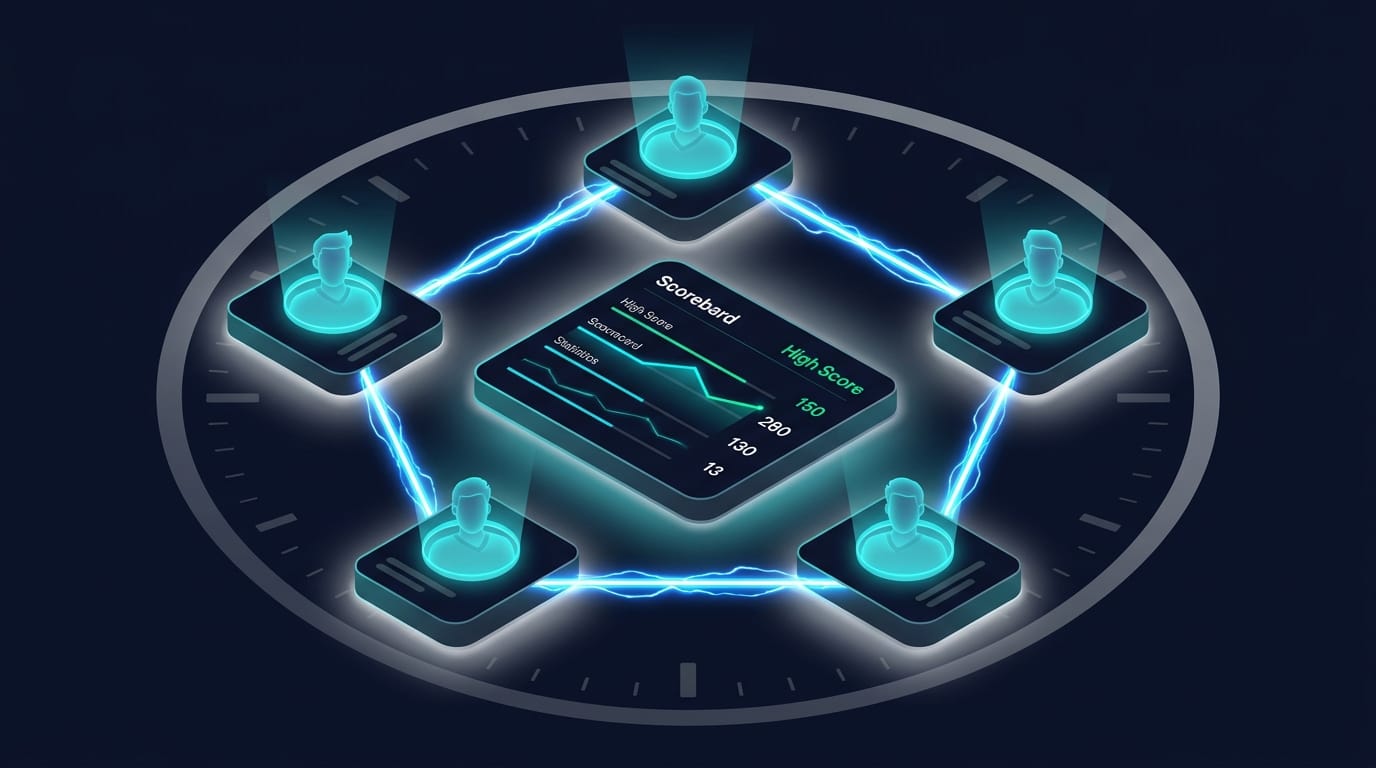
Scoring is powered by Opta Sports, one of the most trusted third-party sports data providers in the world. Each player can score up to 100 base points per game week, calculated across metrics including goals, assists, clean sheets, key passes, saves, and defensive actions. Opta's data feeds are the same sources used by broadcasters and professional analysts - meaning the scoring is transparent and verifiable, not a black box.
One additional mechanic worth knowing early: you designate one card as captain each game week. The captain earns a 20% score multiplier on their base points. Picking the right captain - a high-form player with a favorable fixture against weak opposition - is often the difference between winning and finishing mid-table.
Sorare Card Types and Rarity Tiers Explained
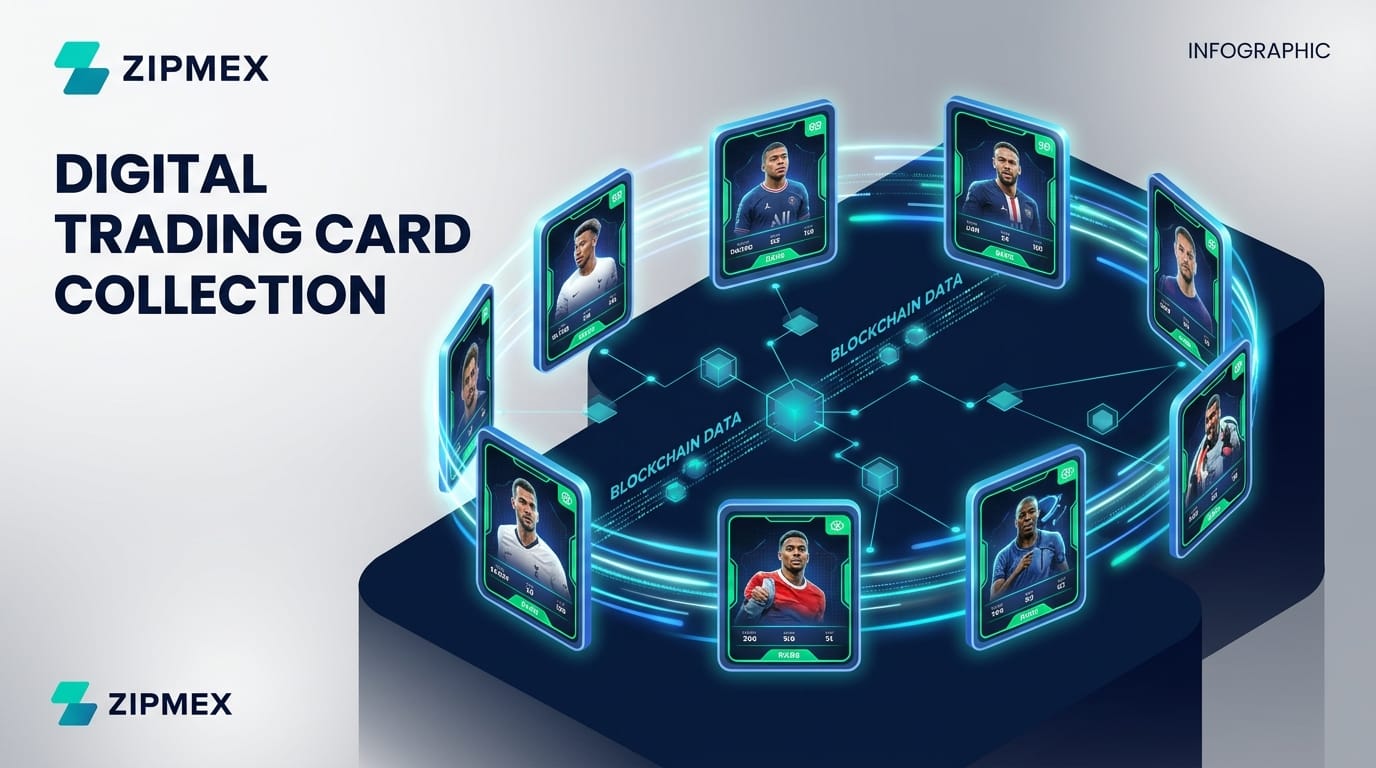
Not all Sorare cards are created equal, and understanding the rarity system is fundamental before spending anything. There are five tiers:
Common cards are what new players receive for free during onboarding. They're not NFTs - they can't be traded, and they only earn 50% of standard points in competitions. They're excellent for learning the game mechanics without financial commitment, but they won't get you far in competitive leagues.
Once you move into Limited, Rare, Super Rare, and Unique tiers, you're working with genuine NFTs on the blockchain. These earn full points and can be freely bought, sold, or traded on the Sorare marketplace and external platforms.
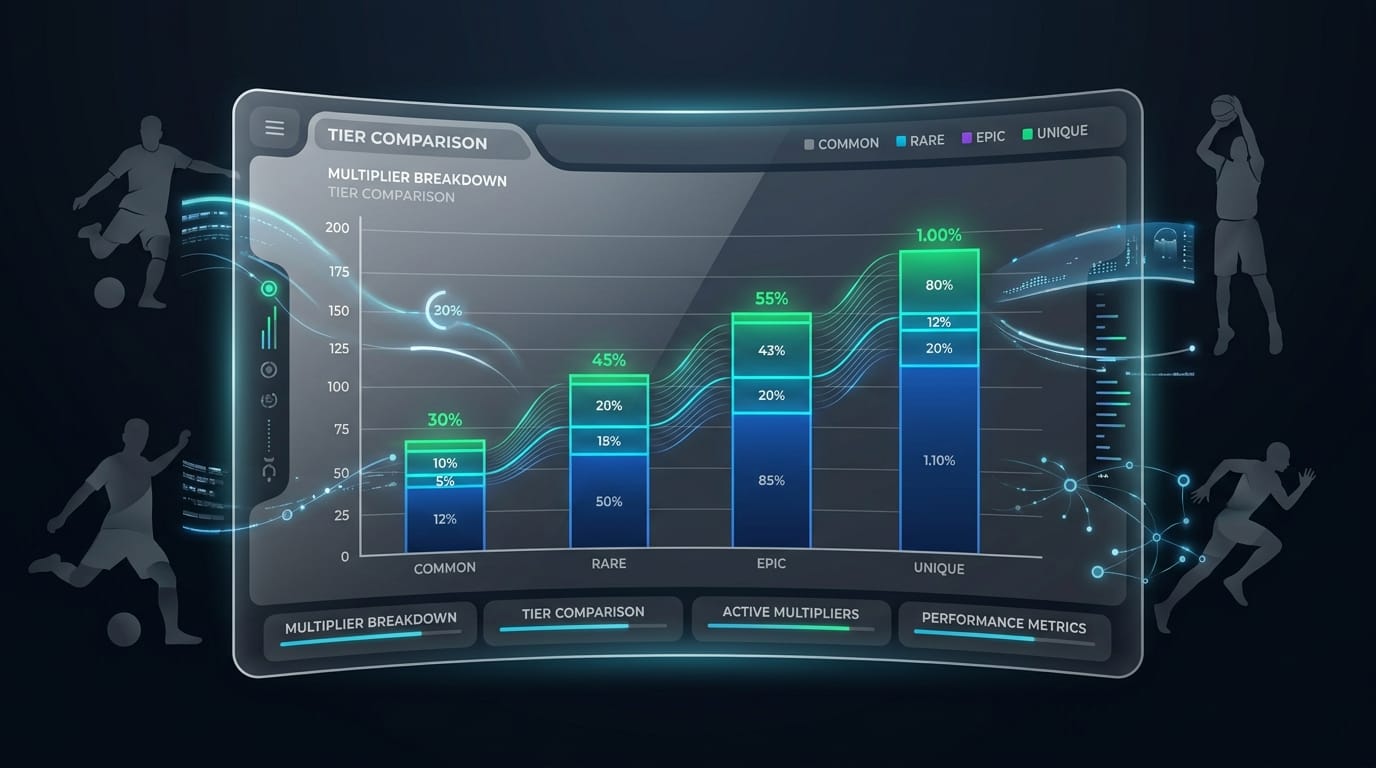
The Experience Points (XP) system adds another layer. Every time you use an NFT card in a competition, it earns XP and levels up. Higher levels translate into score bonuses:
- Common, Limited, Rare: max Level 20, up to +10% bonus
- Super Rare: max Level 60, up to +30% bonus
- Unique: max Level 100, up to +50% bonus
A Level 60 Super Rare card performing at its maximum bonus earns 30% more points than the identical card at Level 1. Over a competitive season, that compounding effect on scoring is substantial.
Sorare Leagues, Competitions, and Sports Coverage
The competition structure in Sorare is tiered - accessible to beginners, but with meaningful depth for players who invest in their collections.
For football (the flagship sport), the hierarchy looks roughly like this: the Rookie League is fully free-to-enter using Common cards, making it the natural starting point. As you build an NFT card collection, you unlock access to Under-23 Leagues, Regional Leagues, and eventually the more prestigious Global Leagues and Champions League-equivalent competitions. The higher the tier, the more competitive the field - and the more valuable the rewards.
Each competition has card requirements that function as entry gates. Some leagues require a minimum number of Rare cards; others require cards from specific countries or leagues. This is intentional: it creates distinct competitive tiers and ensures that heavily-invested players compete against each other rather than stomping beginners who are just starting out.
The NBA partnership was signed in September 2022 with both the NBA and the National Basketball Players Association (NBPA). The MLB partnership launched in May 2022, with the full baseball game going live in July of that year. The Premier League deal, finalized in January 2023, formalized access to official EPL-licensed content - meaning authentic player photos, names, and club branding on every card.
Card values and liquidity vary significantly by sport. Football cards remain the most liquid and most actively traded. Basketball and baseball have smaller but growing secondary markets, particularly for top stars from marquee franchises.
How to Get Started with Sorare - Step-by-Step Setup Guide
Starting on Sorare costs nothing. Here's the exact onboarding flow:
- Sign up - head to sorare.com and register with your email and mobile phone number
- Choose your clubs - select favorite teams from 44+ leagues around the world
- Receive your free Common cards - Sorare automatically assigns 5 starting Common cards from your chosen clubs, and you can unlock up to 12 total
- Complete the tutorial - a brief guided round explains lineup building, competition entry, and scoring basics
- Connect a wallet (when ready) - link a crypto wallet to buy, sell, or trade NFT cards; this step is only required when you're ready to transact
The wallet question is one of the most common stumbling blocks for newcomers. The direct answer: you do not need a crypto wallet to start playing. Common cards work without one. You only need wallet connectivity when you're ready to purchase NFT cards on the marketplace or collect ETH rewards. Until that point, focus on the game mechanics.
When you are ready to trade, Sorare operates its own non-custodial wallet system - your assets remain under your control, not the platform's. You can also use external wallets like Phantom, which became compatible following the blockchain migration. If you're new to NFT marketplaces and want to understand where to trade your cards externally, the top NFT marketplace guide covers the leading platforms in 2026.
Once your account is live, two marketplaces await:
- Primary Market - Sorare mints new player cards daily through timed auctions. You bid ETH, and winning bids typically represent the most competitive prices for newly-released cards
- Transfer Market - peer-to-peer sales where existing managers list cards at fixed prices. Selection is broader here, but prices often run higher than primary auctions for in-demand players
Sorare Blockchain Infrastructure - Ethereum, Solana, and Layer 2
For the technically curious, Sorare's infrastructure has evolved considerably since launch. Understanding the current architecture matters because it directly affects wallet compatibility, transaction costs, and which external platforms you can use for trading.
SORARE BLOCKCHAIN JOURNEY
2019
Ethereum Mainnet - original architecture, full on-chain transactions
2021
StarkEx Layer 2 (StarkWare) - zero-knowledge rollup migration → reduced environmental impact, lower fees, faster settlement
October 2025 - Current Architecture
Multichain: Solana + Base - NFT cards on Solana (cNFT standard, up to 65,000 TPS, sub-second finality, Phantom compatible); ETH balances on Base (Coinbase L2, low-cost settlements)
In October 2025, Sorare completed a significant multichain migration. All digital player cards were bridged from StarkEx to Solana using the compressed NFT (cNFT) standard. Meanwhile, users' Ethereum balances moved to Base - Coinbase's Ethereum Layer 2. Understanding why Solana was chosen is straightforward: Solana processes up to 65,000 transactions per second at a fraction of Ethereum's historical gas costs, making it one of the most practical blockchains for high-volume NFT applications.
The practical upside for players: faster transactions, lower fees, and the ability to use cards within the broader Solana ecosystem including third-party wallets and marketplaces. For most players, this means a noticeably smoother experience compared to Sorare's earlier Ethereum mainnet days.
How to Buy, Sell, and Trade Sorare Cards
Three routes exist for acquiring NFT cards beyond the free Common cards you receive at signup.
Primary Market Auctions - The most direct route to newly-released cards. Sorare mints new player cards daily across all supported leagues. Auctions run for a set period; you place ETH bids, and the highest bidder wins. Primary market prices tend to be lower for regular players but can spike sharply for newly licensed clubs or high-profile athletes.
Transfer Market - The peer-to-peer marketplace where managers sell cards from their own collections at fixed prices. The selection is dramatically larger than the primary market at any given moment. Prices reflect current demand: a midfielder who just scored a hat-trick will see their card price spike within hours. Conversely, an injured player's card will often list well below its prior value.
Third-Party Marketplaces - Because Sorare cards are NFTs, they're not confined to the Sorare platform. Post-migration, cards on the Solana blockchain are compatible with the broader Solana NFT ecosystem, including external marketplaces. This is a genuine advantage over walled-garden game platforms - your assets have liquidity beyond a single platform's marketplace. The best Solana NFT marketplaces offer near-zero gas fees, making external trading genuinely cost-effective.
Selling your cards follows a simple process: list the card from your gallery, set your price in ETH, and wait up to 48 hours. Unsold cards return to your gallery automatically. When a sale completes, you receive an in-game notification and the ETH posts to your Sorare wallet.
Card values are not static. A few factors consistently drive prices up or down:
- Player real-world performance - strong form pushes card prices up; injury or poor form suppresses them
- Rarity tier - Unique and Super Rare cards hold value better than Limited and Rare equivalents
- Card XP level - a leveled-up card with accumulated bonuses commands a premium over a fresh copy
- Market demand - newly licensed clubs, popular national teams, or viral moments in sport all shift prices
Profits from card trading are possible but not guaranteed. Card values fluctuate with player careers, market sentiment, and broader crypto market conditions. Treat card purchases as you would any speculative asset: only commit what you can afford to have tied up or depreciate in value.
How to Win at Sorare - Strategy, Scoring, and Squad Building
Sorare rewards knowledge, not just spending power. The scoring system is complex enough that a well-built collection with strategic lineup decisions can consistently outperform a more expensive squad managed passively.
The core scoring metric is the Decisive Score - a weighted calculation based on Opta Sports data. Players are scored on actual match statistics: goals, assists, clean sheets, key passes, completed dribbles, aerial duels won, saves, and defensive actions. The maximum base score per player per game week is 100 points.
Three multipliers stack on top of base scores:
That stacking effect is significant. A single well-chosen captain with a leveled Super Rare card can generate nearly 60% more points than the same player's base score. Managing your captain pick week-to-week is one of the highest-leverage decisions in the game.
Squad depth is the other major strategic axis. Since each card can only enter one competition per game week, managers who want to compete across multiple leagues simultaneously need the card volume to support it. A team with 12-15 quality NFT cards can typically run 2-3 parallel competition entries. Fewer cards means forced prioritization.
Sorare Lineup Strategy - Position Rules and Fixture Planning
Every lineup follows the same structure: one goalkeeper, one defender, one midfielder, one forward, and one wildcard (which can play any position). Each position has distinct scoring weights - a goalkeeper earns points primarily through saves and clean sheets, while a forward scores primarily on goals, assists, and shot-creating actions.
5-PLAYER LINEUP STRUCTURE
Goalkeeper - clean sheets, saves, distribution
Defender - clean sheets, tackles, interceptions
Midfielder - assists, key passes, press stats
Forward - goals, assists, shot accuracy
Wildcard - any position; use for highest expected scorer
Fixture planning is where intermediate players separate themselves from beginners. Two variables matter most:
- Form - how has the player been scoring over the last 3-5 game weeks?
- Fixture difficulty - who is their real-world team playing, and how strong is that opposition defensively?
A high-form striker facing the league's worst defense is a much stronger pick than a similar-quality striker facing a defensively solid top-four side. Most serious Sorare managers track fixture schedules the same way Fantasy Premier League players do - it's the same underlying logic applied to a blockchain-native environment.
Watch out for blank game weeks - real-world match weeks where some clubs have no fixture due to cup competitions, international breaks, or rescheduling. A blank game week means a zero score for that card. Building a deep squad with players from multiple leagues reduces your exposure to any single blank week wiping out your lineup.
Sorare Risks, Criticism, and What to Watch Out For
Sorare is genuinely innovative. It's also a product with real financial exposure, and understanding the downside before committing money is essential.
⚠ Risk Warning - Read Before You Invest
- Pay-to-win dynamics → Advanced leagues require NFT cards that cost real money; Common cards have limited competitive scope
- NFT market volatility → Card values fluctuate with player performance, market sentiment, and broader crypto conditions
- No guaranteed returns → Card trading can generate profits, but values can also decline significantly
- Regulatory uncertainty → Sorare has faced scrutiny in some jurisdictions regarding whether certain mechanics constitute gambling
- Crypto prerequisites → Meaningful participation requires some understanding of ETH, wallets, and blockchain transactions
The pay-to-win dynamic is the most consistent criticism leveled at Sorare, and it's not unfair. The free Rookie League provides a genuine no-cost experience, but the most rewarding competitions - the ones offering significant ETH prizes and exclusive card drops - require collections of Rare or above cards. Those cards cost money. A Super Rare card for a top Premier League player can trade in the hundreds or even thousands of dollars.
NFT market volatility is the other major concern. Unlike a traditional game where in-game items have no external value, Sorare cards are priced by the market in real time. A player who sustains a long-term injury mid-season can see their card value drop 60-70% in the space of days. If you're building a Sorare collection, treat it with the same risk discipline you'd apply to any crypto portfolio. The same principles that apply to understanding NFT assets and their market dynamics apply directly here.
On the regulatory side, Sorare has faced questions in France and the UK about whether certain elements of the platform - particularly the random distribution of cards in pack-like mechanics - constitute gambling under local law. The company has engaged with regulators on these questions. The status varies by jurisdiction, and players should check their local laws around NFT gaming and fantasy sports with financial stakes.
Crypto trading and NFT gaming involve substantial risk of loss. None of what's described in this guide constitutes financial or investment advice - any investment in Sorare cards carries risk proportional to the amount committed.
Sorare Alternatives - How It Compares to Similar Games
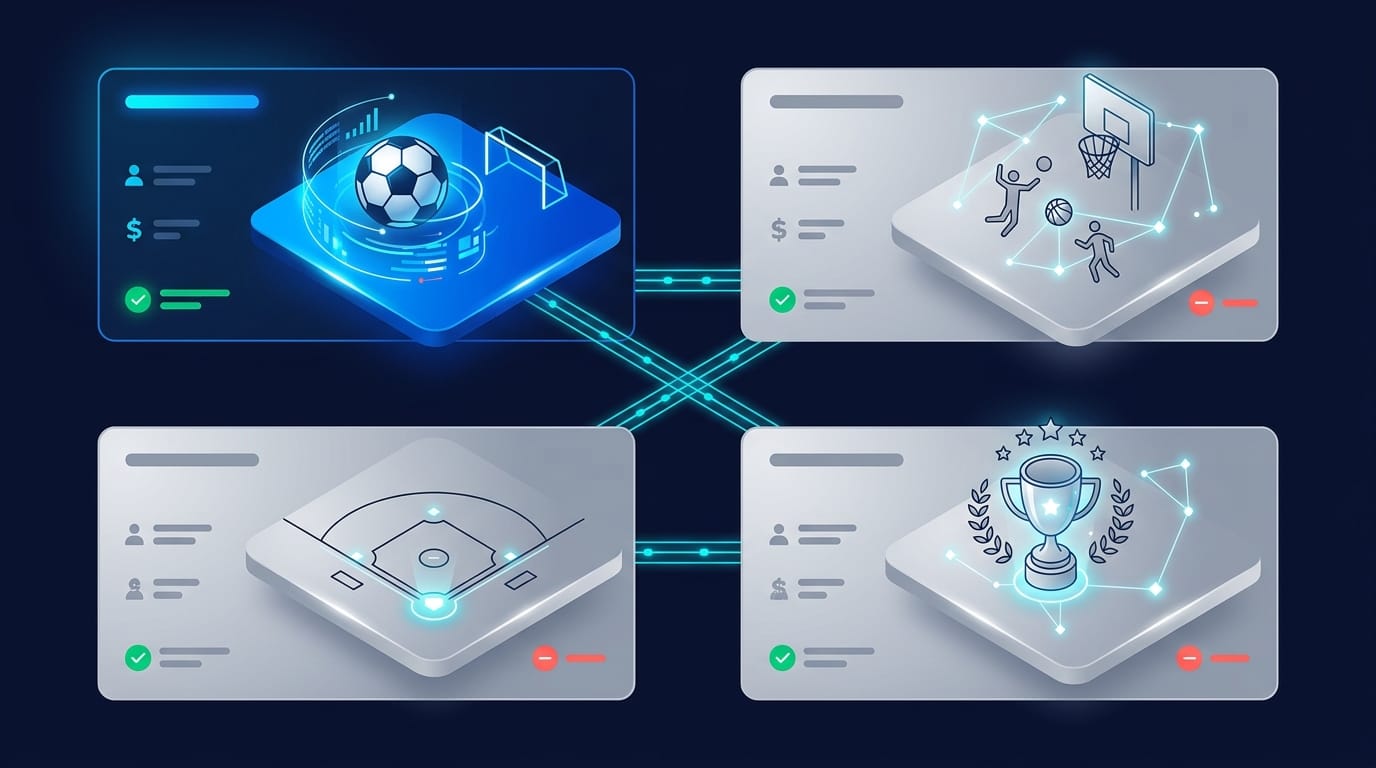
No platform does exactly what Sorare does, which is part of why it's maintained its position since 2019. But the right choice depends on what you're actually looking for.
NBA Top Shot is the closest analog in the NFT sports collectibles space. The core difference: Top Shot is a collecting and challenge experience, not a fantasy competition. You acquire "Moments" (video clip NFTs of notable plays), complete challenges, and participate in the marketplace. There's no weekly lineup strategy, no fantasy points scored by real athletes. For those interested in how blockchain games compare more broadly, Axie Infinity's model offers a useful contrast - creature-based P2E versus sports-based fantasy ownership.
Fantasy Premier League is the world's most popular free fantasy football game. It's excellent - no financial risk, enormous community, extremely polished experience. But there's no card ownership, no trading market, and no financial upside beyond bragging rights. For pure casual play without any crypto involvement, FPL is the cleaner choice.
DraftKings and similar daily fantasy sports platforms offer real-money prizes on sports lineups, but you're competing within their closed ecosystem. No card ownership, no secondary market, no persistent asset value. The prizes can be significant, but you're paying entry fees that don't translate into any owned asset.
Sorare occupies a distinct position: it's the only major platform that combines genuine digital asset ownership, active weekly fantasy competition, and licensed content from the world's biggest sports leagues - all on a self-custodial blockchain infrastructure where your cards remain under your control.
Is Sorare Worth Playing in 2026? Conclusion
The Sorare game has done something genuinely difficult: it built a functional bridge between two audiences - fantasy sports players and crypto-native asset owners - and kept both engaged for the better part of a decade.
The strengths are real. True digital ownership via NFTs. A free entry path that doesn't gatekeep the experience. Licensed content spanning 200+ clubs, the Premier League, NBA, and MLB. An October 2025 blockchain migration to Solana and Base that meaningfully improved transaction speeds and costs. Investor backing that signals institutional confidence in the platform's long-term trajectory.
The limitations are equally real. Competitive leagues require financial commitment. NFT values are volatile and tied to real-world athlete careers that can change without warning. Regulatory clarity is still evolving in some markets. And the crypto learning curve - wallets, ETH, blockchain transactions - can be a barrier for users who want fantasy football without the technical overhead.
Here's how to think about fit by player type:
The platform's move to Solana's ecosystem signals where the roadmap heads: deeper interoperability, broader marketplace access, and lower friction for both casual and serious participants. Platforms built on self-custody and on-chain verifiability - where outcomes are transparent and assets are genuinely owned - reflect the direction the crypto gaming space as a whole is moving. Zipmex's own commitment to on-chain transparency and self-custodial finance puts it firmly in the same philosophical current.
Whether Sorare is worth playing depends entirely on why you want to play it. As a free fantasy sports experience? Absolutely - the Common card leagues cost nothing and the game mechanics are genuinely engaging. As an NFT investment platform? Approach it with the same measured risk discipline you'd apply to any volatile asset class. As both simultaneously? That's exactly what it was designed to be - and for the right type of player, that combination is hard to replicate anywhere else.
Last updated: March 2026.
Crypto trading and NFT investments involve substantial risk of loss. Card values are not guaranteed and may depreciate significantly. This article does not constitute financial or investment advice. Assess your risk tolerance before purchasing any Sorare NFT cards.
Frequently Asked Questions
What is the Sorare game?
Sorare is a blockchain-based fantasy sports game where players collect NFT player cards representing real athletes and use them to compete in weekly leagues. Points are awarded based on actual match performance data from Opta Sports. Unlike traditional fantasy games, your player cards are Non-Fungible Tokens you genuinely own - they can be bought, sold, or traded on the Sorare marketplace and compatible external platforms. The game covers three sports: football (soccer), basketball (NBA), and baseball (MLB), with over 200 licensed clubs and leagues available.
Is Sorare free to play?
Yes - Sorare is genuinely free to start. New players receive up to 12 free Common cards during the onboarding process, and the Rookie League allows full participation with Common cards only, no ETH or wallet required. The free experience has real limitations: Common cards aren't NFTs, earn only 50% of standard points, and can't be traded. Advancing to competitive leagues that offer ETH rewards and exclusive card drops requires purchasing NFT cards (Limited tier and above), which cost real money. Think of the free tier as a fully functional demo rather than a restricted preview.
How does the card rarity system work in Sorare?
Sorare has five card rarity tiers. Common cards are unlimited in supply, not NFTs, and given free to new players - they earn only 50% of standard points. Limited cards cap at 1,000 copies per player per season. Rare cards are limited to 100 copies. Super Rare cards have just 10 copies per player. Unique cards exist as a single copy per player, making them the rarest and most valuable tier. From Limited upward, all cards are fully tradeable NFTs. Rarity also determines maximum card level and bonus ceiling: Unique cards can reach Level 100 and earn up to a 50% point bonus.
How do I earn points in Sorare?
Points in Sorare are awarded based on the real-world match performance of the athletes on your lineup, sourced from Opta Sports data. Each player can score up to 100 base points per game week, calculated across position-specific statistics: goals, assists, clean sheets, key passes, saves, tackles, aerial duels, and other tracked actions. Your captain earns a 20% multiplier on their score. NFT card XP levels also add bonuses ranging from 0% (new card) up to 50% (Unique card at Level 100). At the end of each game week, all active lineups are ranked by total points, and rewards go to the highest-scoring managers.
Which blockchain does Sorare use in 2026?
As of late 2025, Sorare operates on a multichain architecture. NFT player cards are stored on the Solana blockchain using the compressed NFT (cNFT) standard - chosen for its high throughput (up to 65,000 transactions per second), sub-second finality, and compatibility with the Solana ecosystem including Phantom and other external wallets. Users' ETH balances are held on Base, an Ethereum Layer 2 network incubated by Coinbase, which maintains efficient low-cost settlements for ETH-denominated transactions. This multichain approach replaced the previous StarkEx Layer 2 infrastructure that Sorare used from 2021 through the migration.
Is Sorare pay-to-win?
Partially, and honestly - yes, at the competitive level. Managers with larger collections of Rare, Super Rare, and Unique cards have a structural advantage in high-tier leagues, because those cards earn more points (through XP bonuses and full scoring multipliers) and provide more lineup flexibility. The free Rookie League is genuinely balanced around Common cards - paying more doesn't help you there. But as competition tiers rise, so does the correlation between card investment and competitive performance. This is a consistent criticism of Sorare and one the platform hasn't fully resolved. For casual players and collectors, this matters less than for those motivated primarily by winning the most competitive leagues.
What are the risks of investing in Sorare cards?
The primary risks fall into four categories. First, market volatility: card values fluctuate with player performance, rarity, and broader crypto market sentiment - a major injury can drop a card's value significantly overnight. Second, pay-to-win dynamics: high-tier competitions favor managers with deeper, more expensive collections. Third, regulatory risk: the legal status of NFT gaming with financial stakes is still evolving in some jurisdictions. Fourth, crypto complexity: meaningful participation requires understanding wallets, ETH, and blockchain transactions. Cards should be treated as speculative assets. Only commit capital you can afford to lose entirely.