Spend five minutes on crypto Twitter and you'll see it everywhere. WAGMI. Posted under a green candle, blasted in Discord after a project mint, or dropped ironically after a rug pull that nobody saw coming. Crypto slang moves fast, and WAGMI is one of the terms that's stuck around long enough to become part of the culture's DNA.
This guide covers everything you need to know about WAGMI - what it actually means, where it came from, how it's used across crypto and NFT communities, and why you should understand its dark side before you trust it. I've also included a full crypto slang dictionary covering the terms you'll encounter right alongside WAGMI in any active trading community.
⚡ Key Takeaways
- WAGMI stands for "We're All Gonna Make It" - a collective expression of optimism in crypto and Web3 communities
- It originated in fitness culture, popularized by Aziz "Zyzz" Shavershian, before crossing into WallStreetBets and then crypto in 2021
- NGMI ("Not Gonna Make It") is its direct counterpart - used to call out bad decisions, failed projects, or bearish attitudes
- WAGMI can be weaponized by bad actors in pump-and-dump schemes to suppress critical thinking
- The broader crypto slang vocabulary (HODL, FUD, DYOR, LFG) forms a shorthand communication layer essential for navigating crypto communities
What Does WAGMI Mean in Crypto?
WAGMI is an acronym that stands for "We're All Gonna Make It."
On the surface, it's a simple expression of collective optimism. In practice, it functions as a cultural identity marker - a signal that you're aligned with a community, believe in a project's long-term thesis, and aren't planning to sell at the first sign of volatility.
The emphasis on "all" matters. WAGMI isn't about individual gains - it's a statement of group conviction. When someone posts WAGMI under a token chart, they're saying: this community, collectively, is headed somewhere good. It's used sincerely when sentiment is genuinely high, and ironically when things are clearly going sideways. Both uses are common.
What WAGMI is not: a financial guarantee, a signal to buy, or evidence that any project has fundamentals worth backing. It's cultural language - closer to a team chant than an analysis. The moment you treat WAGMI as a substitute for research, you're in trouble.
⚡ WAGMI = We're All Gonna Make It
A collective expression of optimism - not a financial prediction or investment signal.
Origins of WAGMI - From the Gym to Crypto Twitter
WAGMI didn't start in crypto. It started in a gym.
The phrase traces back to Aziz "Zyzz" Shavershian, a Russian-Australian bodybuilder and YouTube personality who built a cult following in the late 2000s and early 2010s with motivational fitness content. His message to his community - "we're all gonna make it, brah" - was directed at gym beginners, not token holders. It became a motivational mantra within bodybuilding culture and persisted there for nearly a decade.
The phrase crossed into financial communities through WallStreetBets, the Reddit forum that became globally notorious during the GameStop short squeeze of early 2021. Retail traders rallied around WAGMI as a collective war cry - holding AMC and GME against institutional short sellers, refusing to fold. The tribal energy was identical to what Zyzz had been channeling, just applied to stock positions instead of squat racks.
From WallStreetBets, the jump into crypto was inevitable. The overlap between meme stock traders and crypto enthusiasts was enormous, and by mid-2021 - as Bitcoin hit all-time highs near $69,000 and NFT projects exploded in value - WAGMI was everywhere on Crypto Twitter and in Discord servers.
WAGMI Variants - GMI, WGMI, YGMI and More
As WAGMI spread, the community spun off several related expressions. You'll encounter all of them regularly:
The nuances are subtle. GMI tends to feel slightly more serious - a straight statement of conviction. WAGMI carries more community energy. YGMI functions more like a compliment, acknowledging someone's smart call or good strategy. In most contexts they're interchangeable, but knowing the difference helps you read community mood more accurately.
How WAGMI Is Used in Crypto, NFTs, and DeFi
WAGMI isn't a single-use expression. Where you see it and who's posting it changes its meaning considerably. Here's how it functions across the three main environments where crypto culture plays out.
WAGMI in Crypto Trading and Market Sentiment
In trading contexts, WAGMI shows up as a mood signal. During bull runs - Bitcoin rallying to new highs, altcoins catching momentum, portfolio values climbing - WAGMI becomes the ambient soundtrack of crypto Twitter. It's posted under green candle charts, shared after major protocol upgrades, and used to celebrate long-term holders who didn't sell during the bear.
Experienced traders sometimes read WAGMI frequency as a rough sentiment gauge. When WAGMI is everywhere and nobody's posting risk warnings, that's often a sign the market is getting overheated - euphoria rarely precedes sustainable rallies. Conversely, seeing WAGMI used ironically in a down market sometimes signals that the community is close to capitulation and starting to self-mock.
📊 WAGMI in Context - Same Phrase, Different Meanings
BULL MARKET
"ETH just broke $4,000. WAGMI 🚀"
BEAR MARKET IRONY
"Down another 15% this week. Totally WAGMI lol."
Neither is financial analysis. Both are cultural temperature readings - and they're more useful as sentiment indicators than most people give them credit for. Some actors use WAGMI deliberately to inflate price sentiment and pump their own positions - a risk I'll cover in detail in the Red Flags section.
WAGMI in NFT Communities and Project Launches
NFT communities run heavily on WAGMI energy. The phrase functions as community glue during high-stakes moments: mint day, floor price milestones, partnership announcements, and art reveals. Project teams use it to keep holders aligned with the roadmap when short-term price action doesn't cooperate. Some projects have embedded WAGMI directly into their branding, using it in project names or Discord server banners.
Common NFT contexts where you'll see WAGMI:
- Mint day countdown - building pre-launch excitement and reducing cold feet
- Floor price increase - celebrating community wins and holder conviction
- Partnership announcement - reinforcing that the project is building toward something real
- Community milestone (e.g., 10,000 Discord members) - celebrating growth as a positive signal
There's a dark side here, though. Some scam NFT projects have weaponized WAGMI deliberately - using it to prevent critical thinking and suppress sell pressure before executing a rug pull. Understanding this is covered in detail later, but know going in that genuine WAGMI energy and manufactured WAGMI energy can look nearly identical from the outside.
WAGMI on Social Media - X (Twitter), Reddit, and Telegram
Different platforms, different WAGMI textures:
X is where WAGMI lives loudest. The public, searchable nature of tweets makes it ideal for viral spread, and the algorithm rewards emotional, short content - which WAGMI posts typically are. Discord is where it has the most social weight: posting WAGMI in a tight community server carries more meaning than shouting it into the Twitter void.
Telegram WAGMI tends to be more coordinated - which is exactly why it can be a manipulation signal when the same phrase gets blasted to multiple groups simultaneously by wallets with no history.
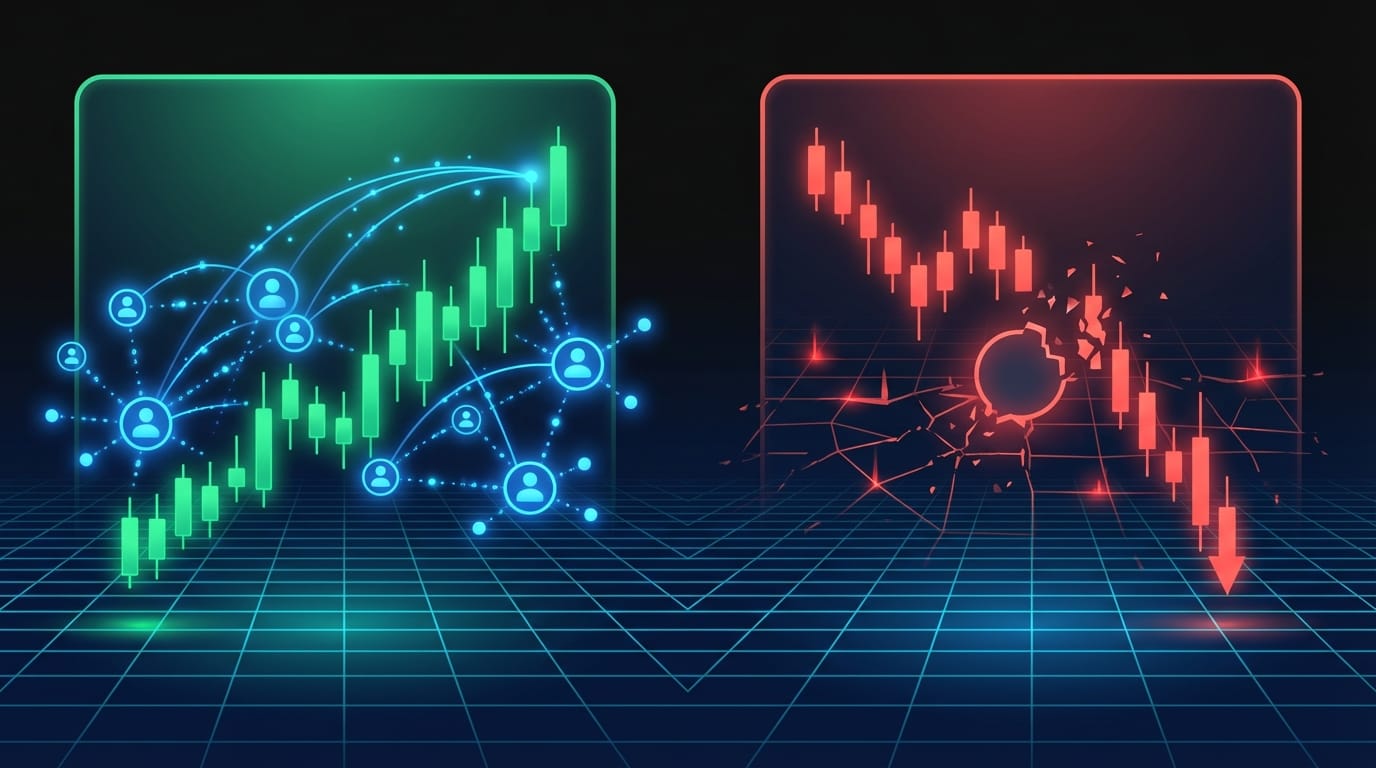
WAGMI vs. NGMI - Understanding the Full Picture
WAGMI doesn't exist in isolation. It's one half of a binary emotional vocabulary that crypto culture uses to evaluate decisions, behaviors, and projects. The other half is NGMI - and understanding both terms together gives you a more complete read on community psychology than either one alone.
What Does NGMI Mean? Definition and Real Examples
NGMI stands for "Not Gonna Make It" - and it's used to label individuals, projects, or decisions expected to fail due to poor judgment, insufficient research, or reckless behavior.
The most common NGMI behaviors in crypto circles include:
- Panic selling at the bottom - holding through months of decline, then selling the day before the recovery
- Buying into a token with 100x leverage without a stop-loss, because "it's definitely going up"
- Ignoring on-chain signals and investing based on influencer Twitter hype alone (DYOR exists for a reason)
- Selling an early NFT mint for a 1.5x gain the day before the project's floor price goes 20x
- Investing rent money in a memecoin because a celebrity mentioned it once
NGMI also gets self-applied - often with dark humor. After a particularly bad trade, you'll see experienced traders post "I'm NGMI" as a self-deprecating acknowledgment of a mistake. Used this way, it's actually healthy: the community uses NGMI as a post-mortem tool, identifying patterns to avoid.
There's also a $NGMI meme token on Avalanche - created by developers who leaned into the irony. It's a cultural artifact, not a serious investment vehicle.
WAGMI vs. NGMI - When to Apply Each Term
The line between appropriate and inappropriate use matters - and most crypto veterans develop a feel for it quickly.
Use WAGMI when:
- A community has achieved something genuine (successful protocol launch, sustained price growth, real milestone)
- You're offering encouragement to someone making a disciplined, informed decision
- The mood is celebratory and the situation genuinely warrants optimism
Use NGMI when:
- Offering constructive criticism with reasoning attached ("that's NGMI because leverage with no stop-loss in this volatility is how you get liquidated")
- Warning others about a project showing credible red flags
- Self-reflecting on a mistake to extract a lesson
Misuse to avoid:
- WAGMI as a response to legitimate risk concerns ("that's just FUD, WAGMI!") - this shuts down critical thinking
- NGMI as a personal attack with no reasoning behind it
- Either term deployed by new accounts to influence price sentiment
When WAGMI silences legitimate questions, it stops being community spirit and starts being manipulation - a pattern covered in detail below.
Getting Started With Crypto Slang - A Newcomer's Guide
Crypto has built its own linguistic layer, and fluency in that layer signals genuine participation. When you understand what WAGMI, NGMI, HODL, and FUD actually mean, you can read community sentiment faster, identify when you're being played, and communicate with other participants without broadcasting that you're new.
Understanding how DeFi works provides the broader context for where much of this slang lives and circulates. Here's a practical 4-step starting point:
- Follow signal accounts on X (Twitter) - Not hype accounts. Look for traders who post analysis, acknowledge losses, and use slang in natural context rather than as pure marketing. Observe how WAGMI and NGMI show up organically.
- Lurk in Discord servers before posting - Most active crypto and NFT projects have Discord communities. Spend time reading before contributing. You'll absorb slang usage patterns faster by observation than by any glossary.
- Practice DYOR before engaging - Every project you're considering, every token someone posts WAGMI about, run your own check first. On-chain data, team backgrounds, tokenomics, trading volume. Then form a view.
- Bookmark a slang reference - The glossary section below covers the 15+ terms you'll encounter most frequently. Use it when something unfamiliar shows up in a chat.
Do's and Don'ts of Using WAGMI and NGMI
✅ DO
- Use WAGMI during genuine community wins
- Attach reasoning when you use NGMI as criticism
- Apply NGMI to your own bad calls as a learning tool
- Read context before posting either term
❌ DON'T
- Use WAGMI to dismiss legitimate risk concerns
- Use NGMI as a personal attack with no basis
- WAGMI someone into a project you haven't researched
- Post either term on projects you're invested in without disclosure
Red Flags - When WAGMI Becomes a Warning Sign
WAGMI's power is also its vulnerability. The same community energy that helps genuine holders stay convicted through volatility can be manufactured by bad actors to suppress sell pressure and prevent rational due diligence.
Pump-and-dump schemes and rug pulls don't work through fear - they work through manufactured optimism. A coordinated WAGMI campaign is one of the most effective ways to keep retail buyers holding while insiders exit.
⚠ Not Every WAGMI Is Sincere
- Criticism silenced as FUD → every concern dismissed without engagement is a coordinated behavior red flag
- New anonymous accounts flooding WAGMI → accounts with no history outside this project are almost certainly shills
- WAGMI during price spikes with no news → someone is selling into your retail buying pressure
- Team deflects transparency with WAGMI energy → accountable projects provide specifics, not vibes
4 Signs WAGMI Is Being Used to Manipulate You
1. Every criticism gets labeled FUD
Healthy communities can engage with critical questions. When any concern - tokenomics, team anonymity, vague roadmap, low liquidity - gets immediately dismissed as "FUD" by multiple accounts posting WAGMI in response, that's coordinated behavior, not community confidence. Legitimate projects tolerate scrutiny.
2. Anonymous or brand-new accounts flooding the WAGMI
Check who's posting. If the accounts blasting WAGMI for a specific token were created within the past few weeks, have minimal history, and show no organic engagement outside this project, they're almost certainly part of a shill campaign. Real communities have real histories.
3. WAGMI during rapid price rises with no fundamental catalyst
Token up 300% in 48 hours with no protocol update, no partnership, no meaningful news - and the community is just posting WAGMI endlessly? That price action is almost always liquidity-driven. Someone is selling into the retail buying pressure, and the WAGMI is keeping buyers in position.
4. Project leaders using WAGMI to delay transparency
When you ask about roadmap updates, audit results, or liquidity lock status and the response is some variation of "trust the team, WAGMI" - that's a red flag. Accountable on-chain projects provide verifiable specifics. Scam projects deflect with energy and optimism.
The FUD/WAGMI binary gets weaponized deliberately: bad actors frame all legitimate questions as FUD so that WAGMI becomes the "responsible" response. Recognizing this pattern is one of the most practically valuable things you can take from this guide.
Crypto trading and DeFi participation involve substantial risk of loss. No slang term, community mantra, or market sentiment signal is a substitute for independent research and risk management.
The Complete Crypto Slang Dictionary - WAGMI and Beyond
Core Crypto Slang - HODL, FUD, LFG, GM, DYOR, FOMO
NFT and Market Behavior Slang - Diamond Hands, Whale, REKT, Moon, Rug Pull
Conclusion
WAGMI has proven more durable than most crypto slang because it captures something real about how Web3 communities function. Decentralized projects don't have press releases and investor relations teams. They have communities - and community conviction is a genuine variable in how protocols grow, how NFT projects sustain floor prices, and how ecosystems attract builders and users over time.
That said, the gap between authentic community belief and manufactured optimism is invisible from the outside. The same phrase, posted in the same format, can mean either. That's why fluency in WAGMI isn't just about knowing what the acronym stands for - it's about reading context, checking who's posting, and applying DYOR before the collective energy of a chatroom overrides your judgment.
For newcomers: learn the language, but treat slang as cultural context, not investment signal. For active traders: WAGMI frequency is a sentiment gauge worth tracking, not acting on alone. For NFT participants: appreciate the community-building function of WAGMI while staying alert to how it can be deployed against your interests.
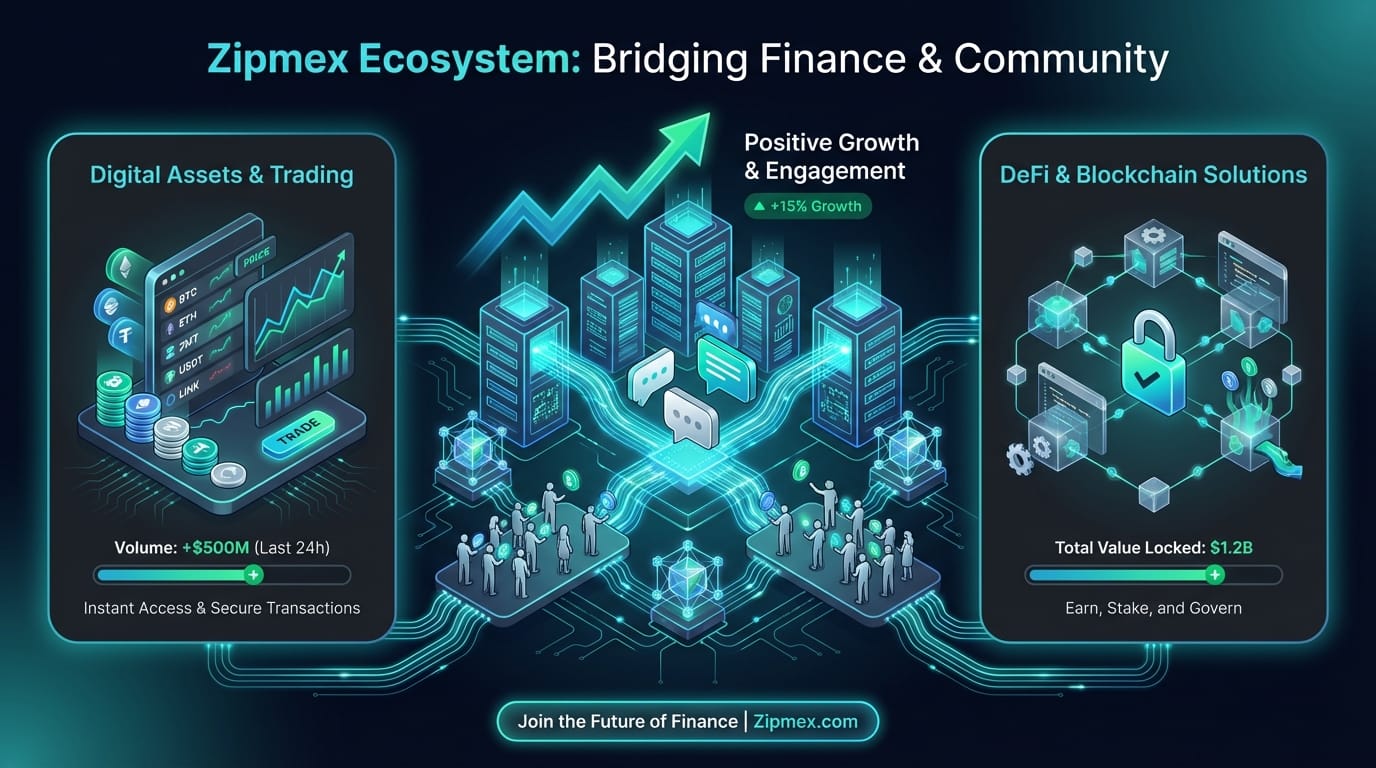
Platforms built on on-chain verifiability and self-custody reflect the direction crypto culture is moving - toward systems where outcomes are provable and you don't have to take anyone's word for it. That's the underlying value that makes "WAGMI" worth anything at all: genuine collective success built on transparent mechanics, not manufactured optimism. Zipmex operates on exactly this principle - all outcomes on-chain, all yields derived from real platform activity, no hidden levers.
The community that actually makes it is the one that combines conviction with critical thinking. Use both.
Crypto trading involves substantial risk of loss. The information in this article is educational and does not constitute financial advice. Always conduct your own research before making any investment decisions.
Last updated: March 2026.
Frequently Asked Questions
What does WAGMI mean in crypto?
WAGMI stands for "We're All Gonna Make It." It's an acronym used across crypto, NFT, and DeFi communities to express collective optimism - the shared belief that a community, project, or asset class will succeed over the long term. The phrase functions as both a motivational signal and a cultural identity marker. WAGMI is not a financial guarantee or a trading signal - it's cultural language that reflects sentiment, not analysis. Understanding that distinction is essential for anyone navigating crypto social spaces or evaluating project communities.
What does NGMI stand for in crypto?
NGMI stands for "Not Gonna Make It" - the direct counterpart to WAGMI. It's used to describe individuals, projects, or decisions the community believes are heading toward failure due to poor judgment, lack of research, or reckless behavior. Common NGMI triggers include panic selling at the bottom, entering leveraged positions without stop-losses, or backing obvious scam projects. NGMI is also self-applied as dark humor after bad trades - a community-acknowledged post-mortem that signals awareness of what went wrong.
Where did WAGMI originally come from?
WAGMI originated in fitness culture, popularized by Aziz "Zyzz" Shavershian, a Russian-Australian YouTube personality known for motivational bodybuilding content in the late 2000s. His catchphrase "we're all gonna make it, brah" became a mantra in gym communities. The phrase crossed into retail investing through WallStreetBets during the GameStop short squeeze of early 2021, and from there spread rapidly into crypto and NFT communities as Bitcoin hit all-time highs and the NFT market exploded in activity.
What is a rug pull in crypto, and how does WAGMI relate to it?
A rug pull is a scam where project developers drain liquidity and exit with community funds after building just enough credibility to attract capital. WAGMI is one of the primary social tools used to enable rug pulls - coordinated WAGMI posting suppresses sell pressure, dismisses critical questions as FUD, and keeps retail holders confident while insiders prepare their exit. The connection between manufactured WAGMI energy and rug pull mechanics is direct enough that unusual WAGMI intensity from new accounts should immediately trigger additional due diligence before taking any position.
What does HODL mean and how is it different from WAGMI?
HODL originated as a typo of "HOLD" in a 2013 Bitcoin forum post and evolved to mean "Hold On for Dear Life" - a strategy of refusing to sell regardless of market conditions. WAGMI is a sentiment expression; HODL is a behavioral strategy. The two often appear together - WAGMI provides the emotional conviction, HODL describes the action that conviction produces. You can HODL without posting WAGMI, and you can post WAGMI without holding a single position.
What does FUD mean in crypto?
FUD stands for "Fear, Uncertainty, Doubt" - used to describe either genuine skepticism about a project's viability or deliberately manufactured negative sentiment. "That's FUD" is a common response to any criticism - which is exactly why bad actors use it to dismiss legitimate concerns. Treat "that's just FUD" as a prompt to research more carefully, not as a reason to stop questioning. Legitimate projects engage with FUD by providing verifiable data; scam projects deploy WAGMI to silence it.
What does DYOR stand for?
DYOR stands for "Do Your Own Research" - the most practically valuable piece of advice that gets repeated across all of crypto. Before committing capital to any token, NFT project, or DeFi protocol, verify the fundamentals yourself: read the whitepaper, check smart contract audit status, analyze on-chain data, verify team identity, and assess tokenomics. DYOR exists because the crypto space has a high density of coordinated shilling, influencer-paid promotions, and manufactured community sentiment - all designed to make you skip this step.