JP Morgan entering crypto payroll infrastructure? That's exactly what happened when Zebec Network partnered with JP Morgan's Kinexys platform. With over $21 million in funding and a working product for continuous streaming payments, Zebec Network (ZBCN) has positioned itself as a serious player in the blockchain payroll space.
⚡ Quick Answer
Zebec Network is a blockchain infrastructure protocol for continuous streaming payments, crypto payroll, and DeFi services. The ZBCN token powers the ecosystem with staking rewards up to 30% APY. The JP Morgan Kinexys partnership is a real B2B technology integration - not a retail investment endorsement.
What is Zebec Network?
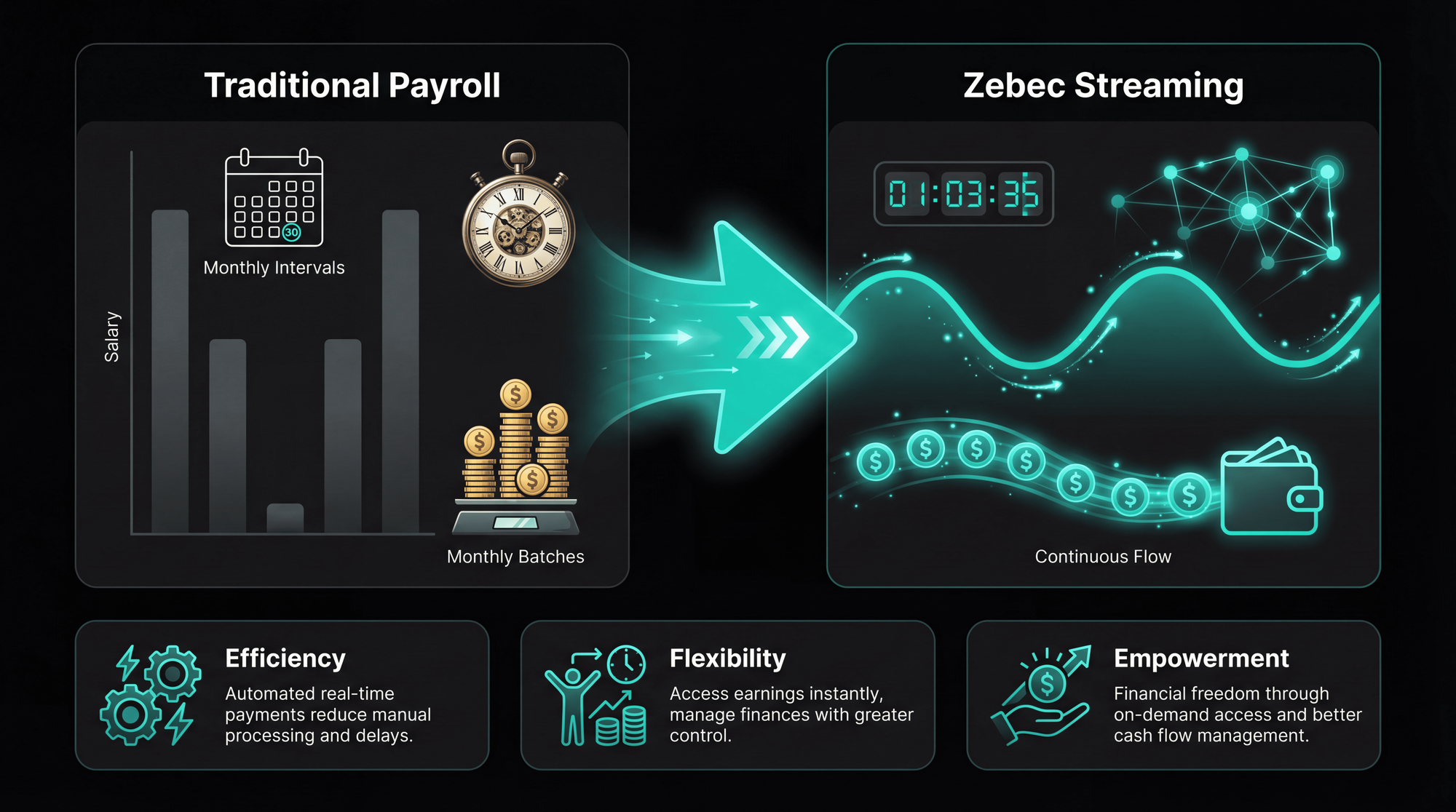
Zebec Network is a blockchain infrastructure protocol that enables continuous streaming payments. Instead of receiving a monthly salary on a fixed date, employees can receive their wages every second as they work. This concept, known as programmable money streaming, transforms how businesses handle payroll, subscriptions, and recurring payments.
Founded by Sam Thapaliya, Zebec launched on Solana in 2021 and has since expanded to BNB Chain, Near Protocol, Arbitrum, and its own layer-3 solution called Nautilus Chain. The protocol has secured over $21 million in funding from notable investors including Solana Ventures, Coinbase Ventures, Circle Ventures, and Lightspeed Venture Partners.
The Core Products
Zebec Network offers several interconnected products that form a complete financial infrastructure:
Zebec Payroll enables companies to pay employees in cryptocurrency with real-time streaming. Workers literally watch their balance increase every second rather than waiting for bi-weekly or monthly payments. This is particularly useful for remote workers, contractors, and DAOs.
Zebec Safe provides multi-signature treasury management for organizations. Teams can set spending limits, require multiple approvals, and automate payments while maintaining full control over their funds.
Zebec Card bridges crypto and traditional finance by offering Visa and Mastercard-compatible debit cards. Users can spend their streaming income directly at millions of merchants worldwide without manual conversions.
Nautilus Chain is Zebec's own EVM-compatible layer-3 blockchain built for high-speed, low-cost transactions. This dedicated infrastructure ensures the payment streaming protocol operates without congestion from other applications.
The JP Morgan Partnership - What's Really Happening?
The Zebec Network partnership with JP Morgan has generated significant attention, but understanding the actual scope is crucial for making informed decisions.
JP Morgan operates Kinexys (formerly known as Onyx), their institutional blockchain platform for enterprise payments. Zebec's integration with Kinexys focuses on cross-border payment streaming infrastructure - not retail cryptocurrency investments.
⚠ Important Clarification
JP Morgan has NOT invested in ZBCN tokens. JP Morgan is NOT promoting ZBCN as an investment. This is a B2B technology partnership where Kinexys uses Zebec's streaming payment infrastructure. Token price movements based solely on "JP Morgan partnership" hype may not reflect the actual business impact.
What the Partnership Actually Means
The Kinexys integration allows institutional clients to access continuous payment streaming for cross-border transactions. This represents enterprise adoption of Zebec's core technology - a validation of the product's utility but not necessarily a direct driver of ZBCN token price.
For investors, this partnership matters because it demonstrates that Zebec's technology meets the standards of traditional financial institutions. However, enterprise B2B adoption typically takes years to translate into significant protocol revenue.
Understanding blockchain technology fundamentals helps evaluate the technical merit of partnerships like this.
ZBCN Token Explained
ZBCN is the native utility token of the Zebec Network ecosystem. After migrating from the original ZBC token on Solana, ZBCN now operates across multiple chains including BNB Chain and Nautilus Chain.
🔢 ZBCN Tokenomics
Total Supply
10 Billion ZBCN
Token Type
Utility + Governance
Primary Networks
BNB, Nautilus
Staking Available
Yes (Up to 30% APY)
ZBCN Token Use Cases
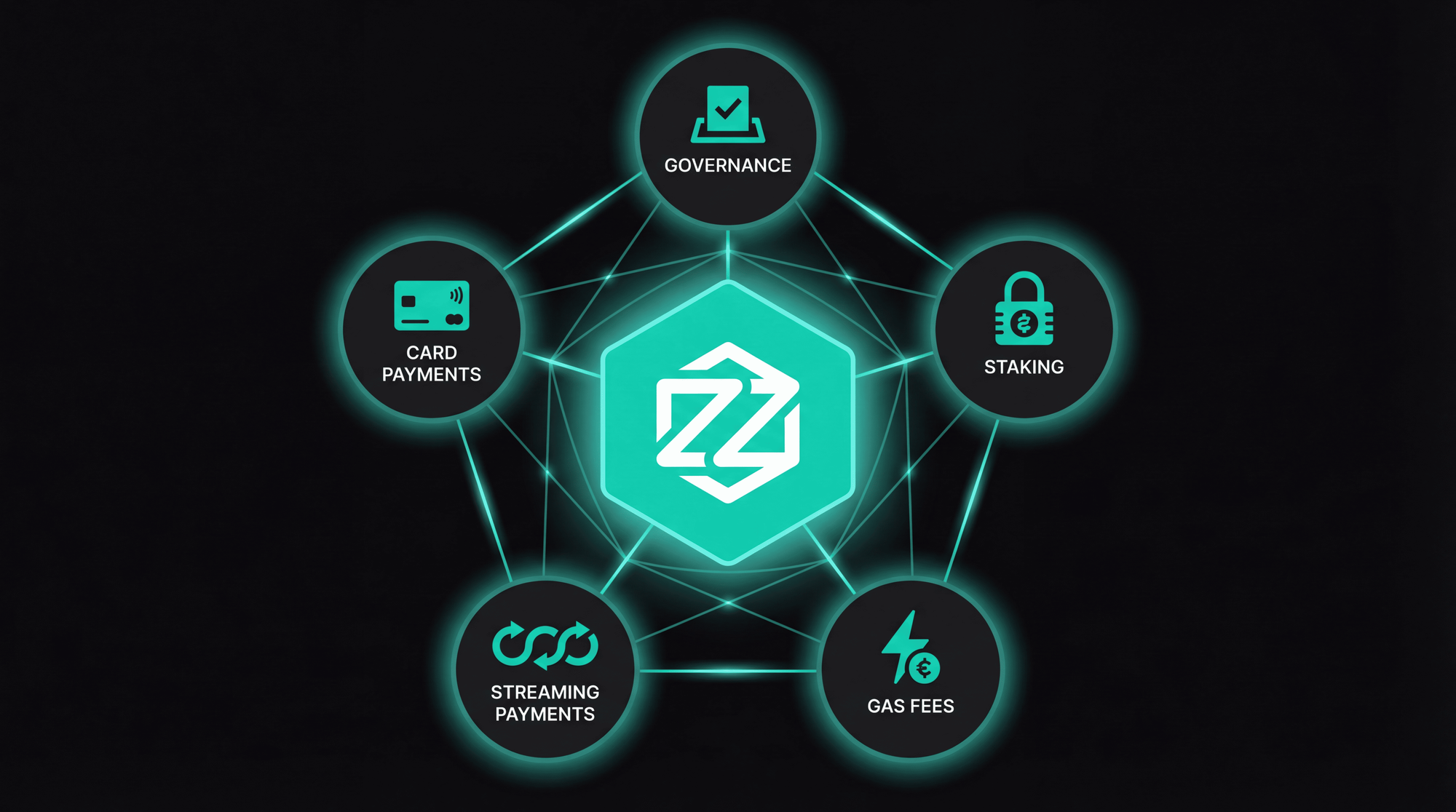
The ZBCN token serves multiple functions within the ecosystem. Governance allows token holders to vote on protocol proposals and development decisions. Staking rewards users who lock their tokens to secure the network. Transaction fees on Nautilus Chain require ZBCN for gas payments. Payment streaming uses ZBCN as a medium for continuous salary and subscription payments.
Learning about cryptocurrency staking can help you understand the passive income potential of ZBCN.
How to Stake ZBCN - Complete Guide
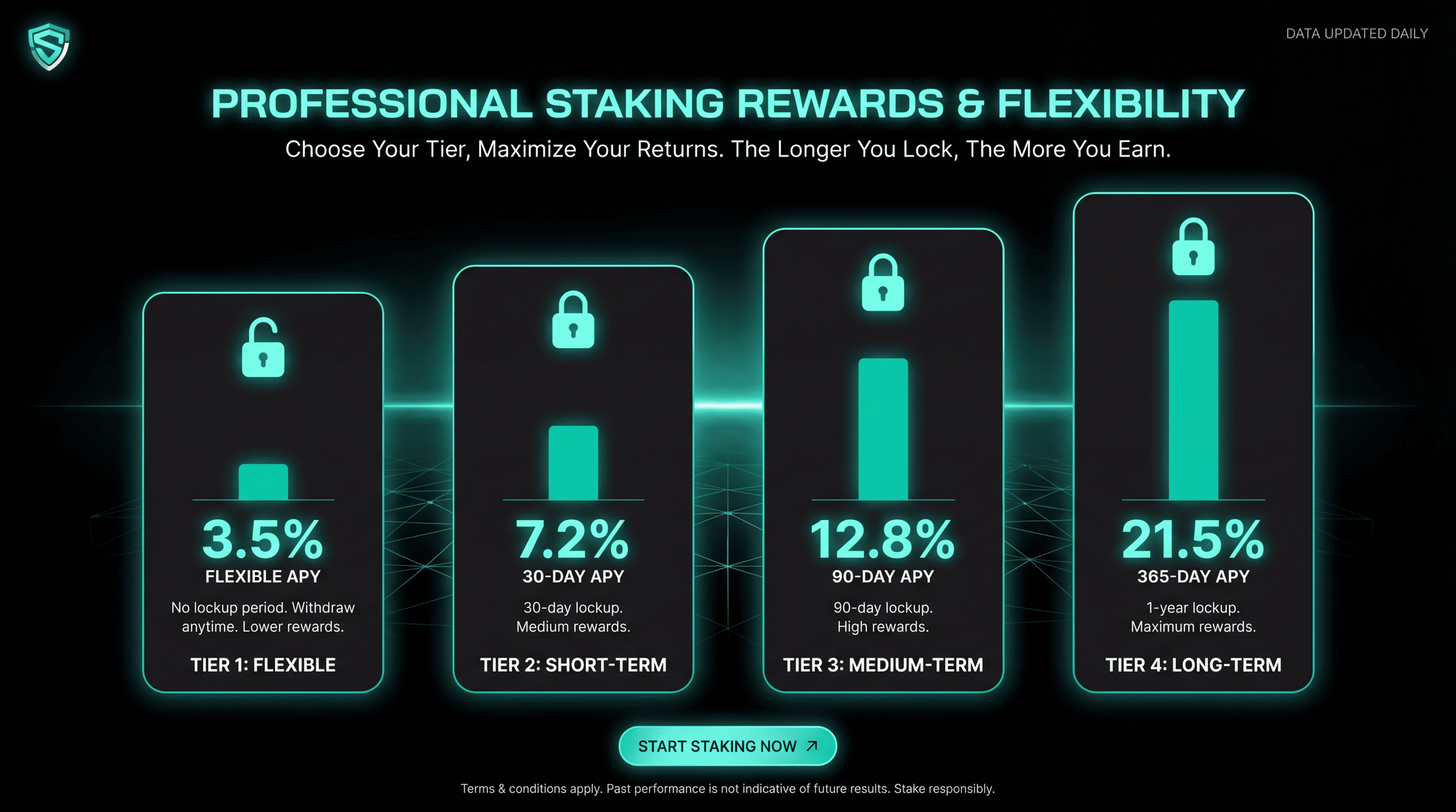
Staking ZBCN offers one of the more attractive yields in the altcoin space, with APY ranging from 10% to 30% depending on the lock period. Here's how to get started.
Acquire ZBCN Tokens
Purchase ZBCN from supported exchanges like Uphold, Gate.io, or decentralized exchanges. Transfer tokens to a compatible wallet such as MetaMask or Trust Wallet configured for BNB Chain.
Connect to Zebec Platform
Visit the official Zebec staking portal at zebec.io. Connect your wallet and ensure you have a small amount of BNB for transaction fees. Verify you're on the legitimate website to avoid phishing.
Choose Your Staking Pool
Select a staking pool based on your preferred lock period. Flexible staking offers lower APY but instant withdrawal. Longer lock periods (30, 60, 90+ days) provide higher yields but restrict access to your tokens.
Stake and Monitor
Enter your stake amount and confirm the transaction. Rewards typically accrue continuously and can be claimed or compounded depending on the pool. Monitor your position regularly and consider market conditions before unstaking.
Staking APY Breakdown
| Lock Period | Estimated APY | Withdrawal |
|---|---|---|
| Flexible | 10-15% | Instant |
| 30 Days | 15-20% | After lock |
| 60 Days | 20-25% | After lock |
| 90+ Days | 25-30% | After lock |
Understanding how DeFi protocols work provides context for evaluating staking opportunities and their associated risks.
ZBCN Airdrop - Uphold and Beyond
The ZBCN airdrop program, particularly through Uphold exchange, has attracted significant attention from crypto investors seeking free token distribution.
Uphold ZBCN Airdrop Details
Uphold listed ZBCN and offered airdrop rewards to users who held the token on their platform. The eligibility typically required maintaining a minimum ZBCN balance during snapshot periods. Specific airdrop amounts varied based on holdings and participation level.
🎯 Airdrop Eligibility Checklist
- Complete KYC verification on Uphold
- Hold minimum required ZBCN during snapshot
- Meet regional eligibility requirements
- Maintain balance until distribution date
Future Airdrop Opportunities
Zebec Network periodically conducts airdrops for ecosystem participants. Active users of Zebec Payroll, Zebec Card holders, and Nautilus Chain early adopters may qualify for future distributions. Following official channels and maintaining protocol activity typically improves eligibility for upcoming rewards.
Understanding how crypto airdrops work helps you evaluate opportunities and avoid common scams targeting airdrop hunters.
Bullish vs Bearish Case for ZBCN
Making an informed investment decision requires examining both the positive catalysts and potential risks facing Zebec Network.
📈 Bullish Factors
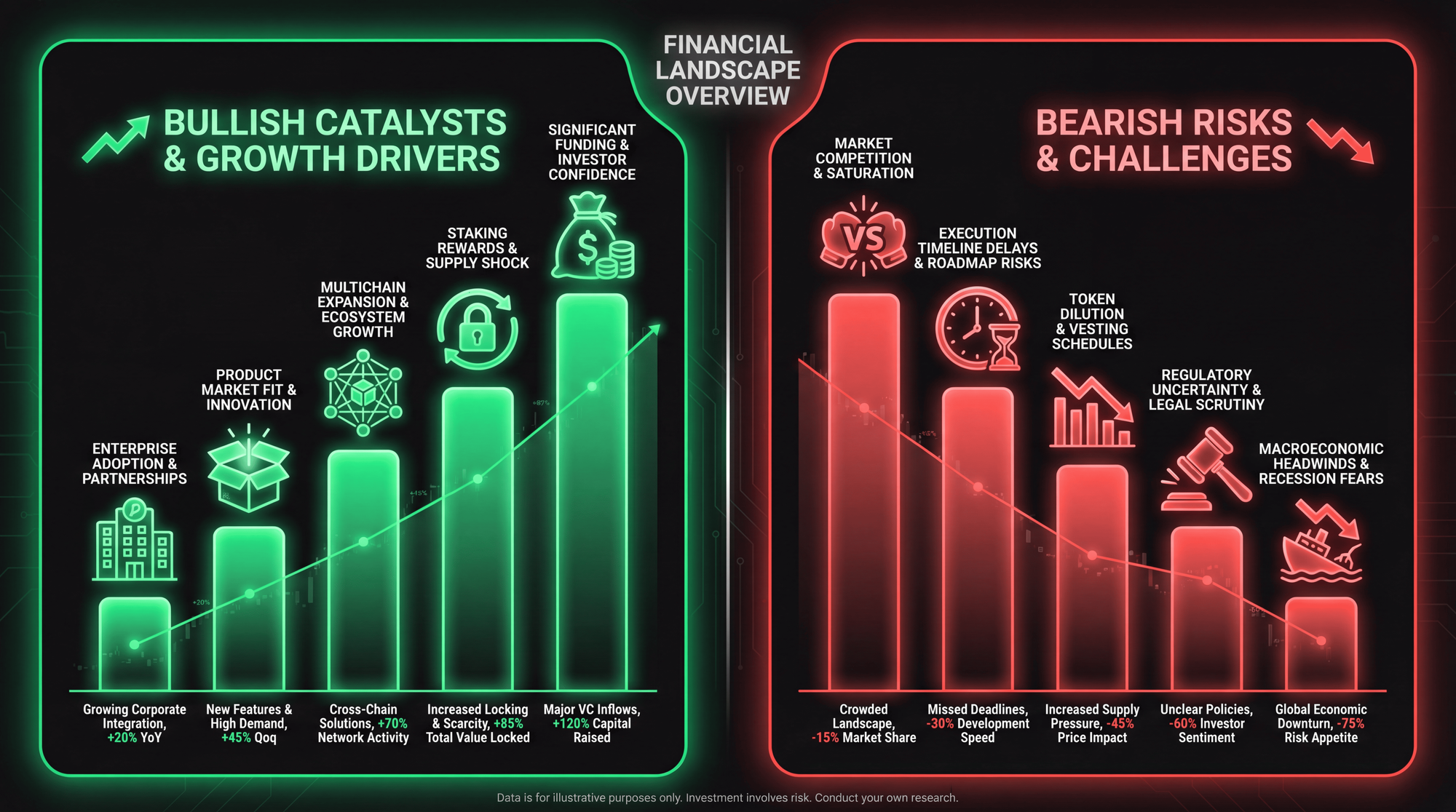
- Enterprise Validation: JP Morgan Kinexys partnership demonstrates institutional-grade technology
- Working Product: Unlike many crypto projects, Zebec has functional payroll and card services
- Multi-Chain Expansion: Presence across Solana, BNB, Near, and Arbitrum reduces single-chain dependency
- Attractive Staking Yields: 10-30% APY incentivizes holding and reduces selling pressure
- Strong Backing: $21M+ funding from tier-1 investors validates the team and vision
📉 Bearish Factors
- Competition: Superfluid, Sablier, and other protocols offer similar streaming payment solutions
- B2B Adoption Timeline: Enterprise customers take years to onboard - slow revenue growth
- Token Dilution Risk: High staking rewards require token inflation, potentially suppressing price
- Regulatory Uncertainty: Payroll on blockchain faces unclear regulatory frameworks globally
- Market Dependency: Altcoin performance heavily correlates with Bitcoin cycles
Zebec Network vs Competitors
Understanding how Zebec compares to other streaming payment protocols helps evaluate its market position.
Zebec's key differentiation lies in its vertical integration — from blockchain infrastructure (Nautilus) to end-user products (Card). This creates a more complete ecosystem compared to protocol-only competitors.
Frequently Asked Questions
What is Zebec Network used for?
Zebec Network enables continuous streaming payments for payroll, subscriptions, and DeFi applications. Companies use it to pay employees in real-time cryptocurrency rather than traditional monthly payments. The protocol also offers treasury management tools and a debit card for spending crypto.
Is the JP Morgan partnership with Zebec real?
Yes, Zebec has integrated with JP Morgan's Kinexys (formerly Onyx) blockchain platform. However, this is a B2B technology partnership, not an investment or endorsement. JP Morgan has not purchased ZBCN tokens or recommended them as investments.
How much can I earn staking ZBCN?
ZBCN staking yields range from approximately 10% to 30% APY depending on the lock period. Flexible staking offers lower returns with instant withdrawal, while longer lock periods (60-90+ days) provide higher yields but restrict access to your tokens during the staking period.
What happened to ZBC token?
ZBC was the original Zebec token on Solana. The project migrated to ZBCN as the new native token when expanding to multiple chains including BNB Chain and Nautilus. Holders of old ZBC tokens can convert them through the official migration portal.
Is ZBCN a good investment?
ZBCN has legitimate use cases and enterprise partnerships, but like all cryptocurrencies, it carries significant risk. The token's value depends on protocol adoption, market conditions, and competition. Only invest what you can afford to lose and conduct thorough research before making decisions.
How do I get the ZBCN airdrop?
ZBCN airdrops are typically distributed through platforms like Uphold or for ecosystem participation. Eligibility usually requires holding tokens during snapshot periods, completing KYC verification, and meeting regional requirements. Always verify airdrop announcements through official Zebec channels to avoid scams.
What makes Zebec different from other streaming payment protocols?
Zebec differentiates through vertical integration — it operates its own blockchain (Nautilus Chain), offers consumer products (Zebec Card), and focuses on enterprise payroll solutions. Competitors like Superfluid and Sablier primarily provide protocol-level infrastructure without end-user products.
Conclusion
Zebec Network represents a serious attempt at bringing continuous streaming payments to both enterprises and individual users. The JP Morgan Kinexys partnership validates the technology's institutional readiness, while products like Zebec Card demonstrate practical utility beyond speculation.
For investors, ZBCN offers attractive staking yields and exposure to the programmable payments sector. However, realistic expectations matter — enterprise B2B adoption takes years, competition exists, and altcoin markets remain volatile regardless of fundamentals.
🎯 Key Takeaways
- Zebec Network enables real-time streaming payments for payroll and subscriptions
- JP Morgan partnership is real but limited to B2B infrastructure — not an investment endorsement
- ZBCN staking offers 10-30% APY depending on lock period
- Working products (Payroll, Card, Nautilus Chain) differentiate from vapor projects
- Investment requires patience — enterprise adoption is measured in years, not months
Start Your Crypto Journey Today
Explore cryptocurrencies, learn trading fundamentals, and build your portfolio with Zipmex
Get Started →⚠️ Disclaimer: The information provided in this article is for educational purposes only and is not intended to provide investment or financial advice. Investment decisions should be based on individual financial needs, objectives, and risk profile. Cryptocurrency investments are subject to high market risk and price volatility. Past performance does not guarantee future results. Always conduct your own research before making any investment decisions.