The BAYC Otherside metaverse isn't just another blockchain gaming project - it's one of the most ambitious attempts to merge NFT ownership, MMORPG gameplay, and decentralized finance into a single persistent virtual world. Built by Yuga Labs, the team behind the Bored Ape Yacht Club, Otherside officially launched on November 12, 2025, after three years of development and a $450 million funding round. Whether you hold BAYC NFTs, you're a DeFi-native curious about on-chain gaming, or you're just tracking where crypto culture is heading, this guide covers everything you need to know.
⚡ Key Takeaways
- Otherside officially launched on November 12, 2026 - you can enter today with or without an NFT
- Land parcels (Otherdeeds) are tradeable NFTs; 200,000 were minted at launch
- ApeCoin (APE) functions as both the in-game currency and governance token via the ApeCoin DAO
- Non-NFT users can enter using Voyager avatars, created with just an email address
- Voyager 2.0 and the Resources crafting system are planned for 2026, deepening the on-chain economy
- ApeChain powers on-chain interactions beyond Ethereum mainnet
What Is the BAYC Otherside Metaverse?
BAYC Otherside is a gamified, interoperable metaverse that blends the social depth of MMORPGs like World of Warcraft with blockchain-based ownership and the cultural weight of the Bored Ape Yacht Club universe. Unlike The Sandbox or Decentraland - which lean more toward simple voxel-based experiences - Otherside aims for a higher-fidelity, narrative-driven virtual world where land ownership, character progression, and economic activity all happen on-chain and are verifiable by anyone.
To analyze how algorithmic art collections mutated into elite digital status symbols, investors can examine the pioneering profile-picture sets that originally established the blueprint for community-driven token scarcity. These historic pixel collections proved that early ledger records could command massive capital premiums before contemporary high-fidelity virtual worlds were even conceived. To discover the roots of the digital art boom and evaluate why legacy digital deeds hold exceptional value, check our case study on what is CryptoPunk and why they are so expensive.
At its core, the platform gives users actual digital property rights. When you own an Otherdeed, that's not a license or a subscription - it's an NFT on the blockchain that you control entirely. The same principle applies to avatars, items, and ultimately the resources you'll harvest and craft in the 2026 economy update.
The world itself is divided into five distinct regions, each with its own history, lore, and resource profile:
The platform officially launched after milestones including 4,500 concurrent users in the "First Trip" (August 2022), 7,000 in the "Second Trip" (March 2023), and a Guinness World Record for most concurrent players in an online first-person shooter (2,197 players). By November 2026, the Koda Nexus became the platform's permanent social and gameplay hub.
Compared to Decentraland and The Sandbox, Otherside plays in a different league on multiplayer scale. Improbable's MSquared technology enables over 10,000 simultaneous voice interactions - a technical achievement neither competitor matches. Where Horizon Worlds (Meta) struggled with empty spaces and thin engagement, Otherside is betting on actual gameplay loops, a native economy, and cultural cachet from the BAYC brand to drive retention.
How the Otherside Metaverse Works - Core Mechanics
Participation in Otherside runs on two primary assets: Otherdeeds and avatars. Understanding how these interact is essential before you spend anything.
An Otherdeed is an NFT representing a specific plot of virtual land. Each of the 200,000 Otherdeeds is unique - defined by its environment type, sediment layer, artifact rarity, harvestable resources, and whether it contains a Koda (one of only 10,000 rare creatures distributed across the total land supply). Owning an Otherdeed means you can build on that plot, harvest resources, host events, and eventually participate in the crafting economy launching in 2026.
The four harvestable resources currently tied to Otherdeeds are:
- Anima - life-force energy used in biological crafting recipes
- Ore - heavy material for structural and mechanical items
- Shard - crystalline resource for high-value crafting components
- Root - organic material for foundational crafting
Beyond Otherdeeds, the Koda is a separate NFT character - 10,000 exist across the 200,000 land plots, making them scarce by design. Kodas function as playable characters and can be used as avatars across compatible games and platforms via the Open Data Kit.
For users who don't own a Bored Ape, Mutant Ape, or Otherdeed, there's the Voyager avatar - a character created directly within Otherside using nothing more than an email address. Voyager access was specifically designed to lower the entry barrier, allowing anyone to explore the Koda Nexus, participate in events, and earn Voyager XP without buying an NFT. ApeChain handles on-chain asset management for those who do hold NFTs or $APE tokens.
NFT Avatars and Interoperability - BAYC, MAYC, CryptoPunks, and Beyond
Otherside was built from the start to be an interoperable ecosystem, not a walled garden for Yuga Labs holders only.
The following NFT collections integrate as playable 3D characters:
The 2026 strategic pivot matters here: Yuga Labs sold Meebits in early 2026 and transferred CryptoPunks' IP to a nonprofit digital art preservation foundation. These weren't fire sales - they were a deliberate concentration of resources onto BAYC and Otherside. Moonbirds, Mythics, and Oddities were also sold to Orange Cap Games. The signal is clear: everything Yuga Labs is building now is designed to compound the value of BAYC and Otherside.
For collectors and DeFi traders tracking on-chain value, this consolidation is worth noting. Yuga isn't spreading bets - it's doubling down on one ecosystem.
ApeCoin (APE) - The Currency and Governance Token of Otherside
ApeCoin is the economic spine of the Otherside ecosystem, and it serves two distinct functions that are worth understanding separately.
As a currency, APE facilitates in-game transactions: purchasing Otherdeeds, trading NFTs within the metaverse, accessing premium content, and (starting 2026) participating in the crafting economy. The original Otherdeed mint used APE as payment for 55,000 of the 200,000 plots - that event pushed significant transaction volume through the token and demonstrated the real-world demand that backs it.
As a governance token, APE gives holders voting rights in the ApeCoin DAO, the decentralized body that influences Otherside's development trajectory. Token holders can propose and vote on changes to platform features, allocation of the DAO treasury, and new ecosystem partnerships. This isn't ceremonial governance - the DAO has real influence over how the platform evolves.
ApeChain is the dedicated blockchain layer built on top of Ethereum that handles Otherside's on-chain economy. Think of it as a custom execution environment: transactions run faster, gas costs stay lower, and Otherside-specific mechanics - crafting, resource harvesting, land production - have a native home. ApeChain allows Otherside to scale beyond what Ethereum mainnet could support, while still inheriting Ethereum's security model. All assets remain verifiable and self-custodied - no platform can freeze your Otherdeed or revoke your APE holdings.
The 2026 Resources system will deepen APE's utility further. Land-based production, item crafting, and a more complex virtual economy are all designed to run through ApeChain with APE as the primary medium of exchange. For a deeper look at how ApeCoin and the BAYC ecosystem interact, the Zipmex blog covers the token's full governance mechanics.
Distinguishing between unique, non-fungible virtual real estate deeds and the interchangeable liquid currencies that power on-chain settlement layers is crucial for any market participant assessing project long-term viability. These interchangeable utility currencies serve as essential processing fuel, enabling autonomous staking registries and community governance parameters to run seamlessly mid-execution. For a deep structural breakdown of how these transactional assets maintain network economies, reference our handbook on NFT coins explained and how utility assets drive project growth.
Who Built Otherside - Yuga Labs and Key Partnerships
Yuga Labs was founded by Wylie Aronow and Greg Solano, who launched BAYC in April 2021. Within 18 months, BAYC had become the most culturally significant NFT collection in existence, attracting celebrity owners and generating secondary market volumes in the billions. The $450 million Series A in March 2022 - backed by a16z - funded the Otherside build-out.
Three critical partners are making the platform technically possible:
Improbable - The British metaverse technology firm built the MSquared (M²) infrastructure that powers Otherside's multiplayer scale. M² isn't just a game engine - it's a distributed computing architecture designed to run interconnected virtual spaces simultaneously. That's how Otherside can support 10,000+ concurrent voice interactions in a single shared space, something no competitor currently matches.
Animoca Brands - The Hong Kong-based blockchain gaming giant brings platform infrastructure, ecosystem connections, and Web3 gaming distribution networks. Animoca's involvement gives Otherside credibility in the broader GameFi ecosystem and accelerates interoperability with other Web3 games.
Amazon Gaming - In late 2026, Yuga Labs announced a co-branded NFT avatar called Boximus exclusively available through Amazon Gaming's storefront. This was Yuga's first major retail partnership, giving Otherside placement on Amazon's platform in front of millions of users who may never have engaged with NFTs before. Chief Creative Officer Michael Figge described the goal as bringing digital ownership to audiences unfamiliar with Web3.
Yuga is also collaborating with artist Daniel Arsham on a 300-piece Voyager collection - avatars that blend fine art aesthetics with interactive metaverse characters. That's a deliberate bridge between the traditional art world and on-chain culture.
From First Trip to Koda Nexus - Otherside's Development Timeline
Otherside didn't just appear - it was built through a series of increasingly complex stress tests, each one proving new technical capabilities.
OTHERSIDE DEVELOPMENT TIMELINE
April 2022
The Otherdeed mint. 55,000 land plots sold via ApeCoin, causing significant Ethereum network congestion. Yuga issued over 90 ETH in gas refunds. 145,000 plots distributed to BAYC/MAYC holders, developers, and contributor rewards.
August 2022
First Trip. 4,500 concurrent users entered a 3D version of the Biogenic Swamp region. Improbable's M² technology proved it could handle real-time multiplayer at scale.
March 2023
Second Trip. 7,000 users, expanded multiplayer interactions, and more complex social dynamics. The demo built anticipation for a full launch that was still years away.
Mid-2026
Bathroom Blitz (an 8v8 shooter built by studio Command Line using the ODK), Meet Me at the Clubhouse (social space expanded to 500 concurrent users), and Otherside Outbreak (a large-scale stress test contributing to Voyager XP).
November 12, 2026 - OFFICIAL LAUNCH
Official Koda Nexus launch. After three years and $450 million, Otherside became publicly accessible. The Koda Nexus serves as the central hub for social interaction, game portals, and NFT exploration.
How to Join the Otherside Metaverse - Step-by-Step for Beginners
Here's what almost no other guide makes explicit: you don't need an NFT to enter Otherside. That changes the access equation significantly.
There are two distinct entry paths:
Path 1: NFT Holder Route
Step 1 - Set up a self-custodial wallet. MetaMask, Coinbase Wallet, or any Ethereum-compatible wallet works. You control your private keys - no custodial platform holds your assets.
Step 2 - Acquire ApeCoin (APE) or ETH. You'll need funds to purchase an Otherdeed on the secondary market. Most trades happen in ETH; APE is used for in-platform transactions.
Step 3 - Buy an Otherdeed on OpenSea or Blur. These are the two primary NFT marketplaces where Otherdeeds trade. Floor prices fluctuate with broader NFT market conditions - check current listings rather than relying on any static figure in this guide.
Step 4 - Connect to Otherside via the official platform. Connect your wallet to otherside.xyz. Your Otherdeed and any BAYC/MAYC avatars will appear automatically.
Step 5 - Enter the Koda Nexus. This is the starting hub - explore the social spaces, access game portals, and begin building Voyager XP.
Path 2: Non-NFT Voyager Route
Step 1 - Create a Voyager account at otherside.xyz. Email-only sign-up, similar to registering for Fortnite or Roblox. No wallet required to get started.
Step 2 - Create your Voyager avatar. Customize your character using the in-platform tools. Voyager avatars are Yuga Labs' original characters - not tied to external NFT collections.
Step 3 - Enter the Koda Nexus and start exploring. Community-built games like Bathroom Blitz and events like Otherside Outbreak are accessible to Voyager holders. Your Voyager XP accumulates across all participation - this XP will be used for future rewards.
Which path is right for you?
- Own a BAYC/MAYC? Use your NFT as a 3D avatar - it's the highest-status participation tier and benefits directly from Otherdeed utility expanding in 2026.
- Want to speculate on land? Buy an Otherdeed on OpenSea or Blur, but understand you're buying a speculative asset in a still-developing ecosystem.
- Just curious? Start with a free Voyager account. Experience the platform before committing capital.
One note on wallet security: when purchasing Otherdeeds or APE tokens, only use the official otherside.xyz domain and verified contract addresses. Self-custody means you carry full responsibility for key security - there's no customer support to reverse a phishing transaction. For a full overview of the NFT marketplace landscape including OpenSea and Blur, the Zipmex blog covers each platform's fee structure and trader profile in detail.
What Makes Otherside Unique - Key Features and Differentiators
Comparing Otherside to Decentraland or The Sandbox is a bit like comparing World of Warcraft to a flash browser game from 2010. The ambition and technical scope are different categories.
Where Otherside genuinely leads: multiplayer infrastructure and AI creation tooling. Where it still lags: content depth. Early hands-on reviews of the November 2026 launch noted limited interactivity in some areas of The Swamp - elements marked "out of order," sparse NPC interactions. Those are early-days rough edges, not fundamental design failures, but they're honest limitations to acknowledge.
The Open Data Kit (ODK) - Tools for Creators and Developers
The ODK is what separates Otherside from a closed gaming platform. It's a developer toolkit that lets external studios, indie creators, and community builders access Otherside's asset library, physics engine, and data layer to build games, experiences, and applications that live inside or connect to the metaverse.
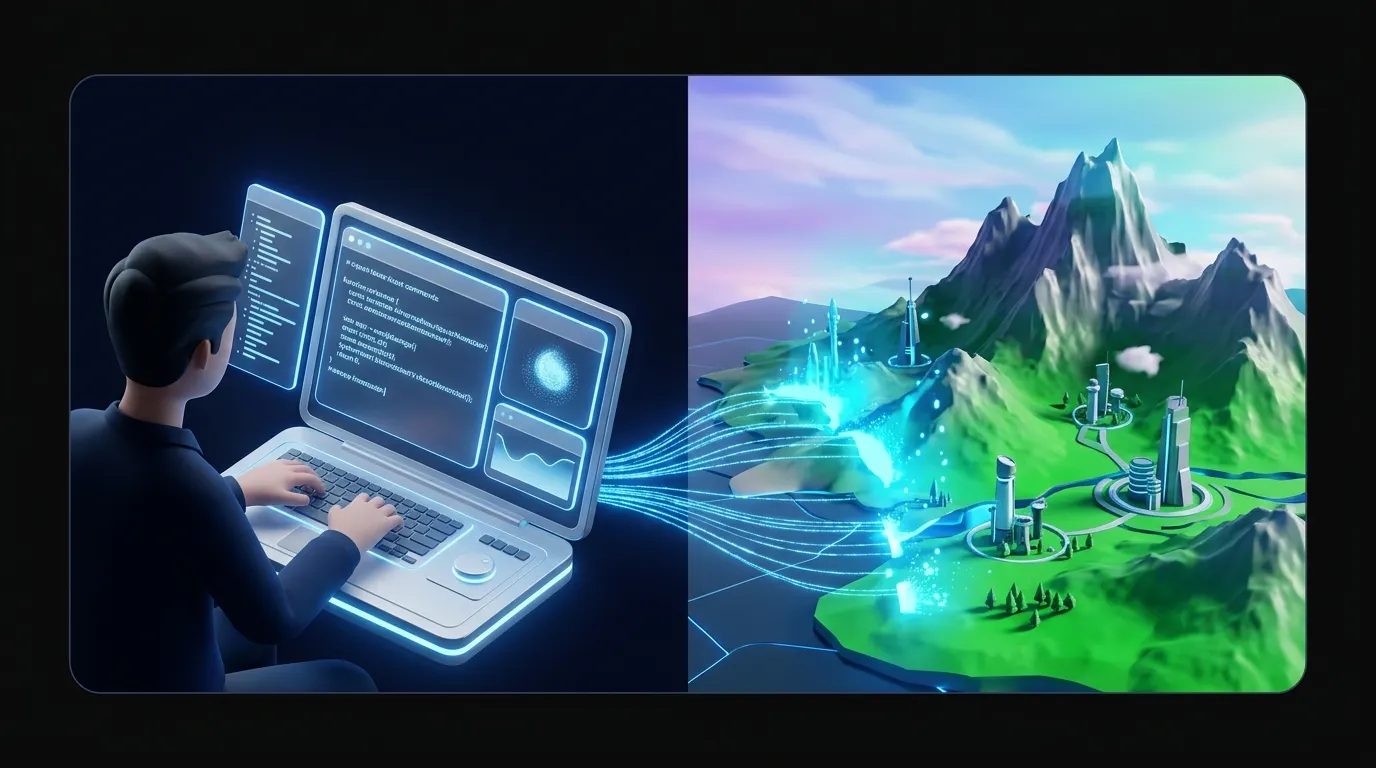
In mid-2026, Yuga Labs introduced the Koda Agent - an AI-powered creation tool integrated directly into the ODK. You type natural language commands: "add volcanic mountains to the northern edge," "change sky to deep purple," "spawn a merchant NPC near the checkpoint." The Koda Agent executes those changes in 3D space in real time. No game development background required.
The current ODK asset library includes:
- Nearly 1,000 assets spanning all 29 Otherdeed Biomes
- Full access for professional developers using the complete ODK
- Simplified creation tools (graffiti, emotes, Voyager 2.0 platform builds) for all Otherdeed holders
The proof of concept already exists: Bathroom Blitz, the 8v8 competitive shooter, was built by external studio Command Line entirely using the ODK. It's not a Yuga Labs game - it's a community-built experience that runs inside Otherside's infrastructure. That's the model: Yuga builds the platform, the ODK lets others build the content. It mirrors what made platforms like Roblox and Fortnite successful - and what's made blockchain gaming in general increasingly viable.
Social Infrastructure - Bubbles, Clubhouse, and Large-Scale Events
The social layer of Otherside is more sophisticated than most coverage suggests.
Bubbles are audio-based communication rooms similar to X Spaces or the original Clubhouse app. Users can create public or private Bubble sessions directly inside the metaverse - no external app needed. For community leaders, streamers, and DAO participants, this is a built-in tool for holding town halls, strategy sessions, or casual hangouts without leaving the platform.
The Meet Me at the Clubhouse space now supports 500 simultaneous users - expanded from the previous limit of 100. Direct shareable invite links let streamers send a single URL to fill the room, removing the friction of coordinating Discord meetups. For brands, DAOs, and communities with active membership, this is a genuine collaboration tool.
The Koda Nexus itself functions as the permanent central hub - a living social space where players interact, explore NFT galleries, access game portals, and connect with other community members. Think of it as the town square of Otherside's persistent world.
Otherside Roadmap 2026 - Voyager 2.0, Resources, and What's Next
Yuga Labs has structured Otherside's development in three distinct phases, each building on the previous layer:
Voyager 2.0 upgrades the avatar system with expanded customization, Otherdeed-specific creation tools, and the ability to build within your land parcel. Every Otherdeed holder gains access - not just premium-tier NFT owners.
The Resources System is where the on-chain economy gets serious. Otherdeed holders will be able to actively produce the four land resources (Anima, Ore, Shard, Root) and use them in crafting recipes to create in-game items. The entire crafting loop will run on ApeChain, with $APE as the settlement currency. This is the mechanism that transforms Otherside from a social/gaming platform into a functioning virtual economy - where productive land generates economic output that has real on-chain value.
Yuga Labs achieved a Guinness World Record for hosting the most concurrent players in an online first-person shooter (2,197 players). Otherside Outbreak demonstrated that the M² infrastructure can handle genuine stress at scale. That's not a marketing claim - it's a verified technical milestone that makes the 2026 economic layer more credible.
Risks, Criticisms, and Honest Limitations of BAYC Otherside
No serious analysis of Otherside skips the risks. There are genuine ones.
Early-Stage Gameplay. The November 2026 launch was a beginning, not a finished product. Early hands-on reviews noted sparse interactivity in The Swamp - famous BAYC locations like the clubhouse were non-enterable, and several interactive elements were marked "out of order." Horizon Worlds launched with similar gaps and struggled to retain users. Otherside has cultural advantages Meta doesn't, but gameplay loops need to deepen quickly to hold attention beyond the initial curiosity phase.
NFT Market Risk. Otherdeed floor prices don't exist in isolation - they correlate directly with broader NFT market sentiment, BAYC collection valuations, and APE token performance. All three have experienced significant volatility since 2022. Buying an Otherdeed is a speculative asset purchase, not a software subscription.
Ethereum Congestion History. The April 2022 mint caused serious network congestion, forcing Yuga to refund over 90 ETH in gas costs. ApeChain was built partly in response to this - but any large-scale on-chain event still carries infrastructure risk.
Platform Dependency Risk. The entire ecosystem depends on Yuga Labs' continued execution, ApeChain's stability, and ApeCoin's market health. Decentralized in many ways, yes - but Yuga Labs is still the central development driver. If development stalls, so does value.
Learning Curve for New Users. Despite Voyager's email-only sign-up, the full experience - self-custodial wallets, ApeChain bridging, Otherdeed ownership - still requires crypto literacy. That friction limits mainstream adoption speed.
⚠ Quick Risk Checklist Before Entering Otherside
- Otherdeed prices → speculative and volatile; do not invest more than you can afford to lose
- Contract addresses → verify from official Yuga Labs/Otherside sources only before any transaction
- Wallet security → use a hardware wallet or secure seed phrase backup before holding valuable NFTs
- Roadmap claims → rely on official Yuga Labs announcements, not third-party speculation
- Unsolicited offers → whitelist spots via DMs are always scams
Red Flags - Warning Signs of Otherside-Related Scams
High-value NFT ecosystems attract bad actors. The BAYC universe has been a prime target for phishing since 2021, and Otherside inherits that risk.
Watch for these specific tactics:
- Fake Otherdeed drop announcements - scammers post urgent "limited whitelist" opportunities on X and Discord mimicking official Yuga accounts. Yuga Labs announces all drops through verified official channels only.
- Phishing links impersonating otherside.xyz - slight URL variations (othersidexyz.io, otherside-xyz.com) redirect to wallet drainers. Always bookmark the official URL directly.
- Unsolicited DMs offering whitelist spots - no legitimate Yuga Labs event distributes access through cold DMs. If someone contacts you first, assume it's a scam.
- Fake APE airdrop schemes - "connect your wallet to claim your APE rewards" is a classic drain vector. ApeCoin distributions happen exclusively through official DAO-announced mechanisms.
- Impersonation accounts - fake "Yuga Labs Support" accounts on Discord and Telegram are common. Official support never asks for your seed phrase or private key under any circumstances.
The self-custodial nature of Otherside is a feature, not a liability - but it means you carry full responsibility for transaction security. No platform can reverse a drain. Verify twice, sign once.
Otherside vs. Other Metaverses - How It Compares
Honest comparison means acknowledging where Otherside leads and where it still needs to prove itself.
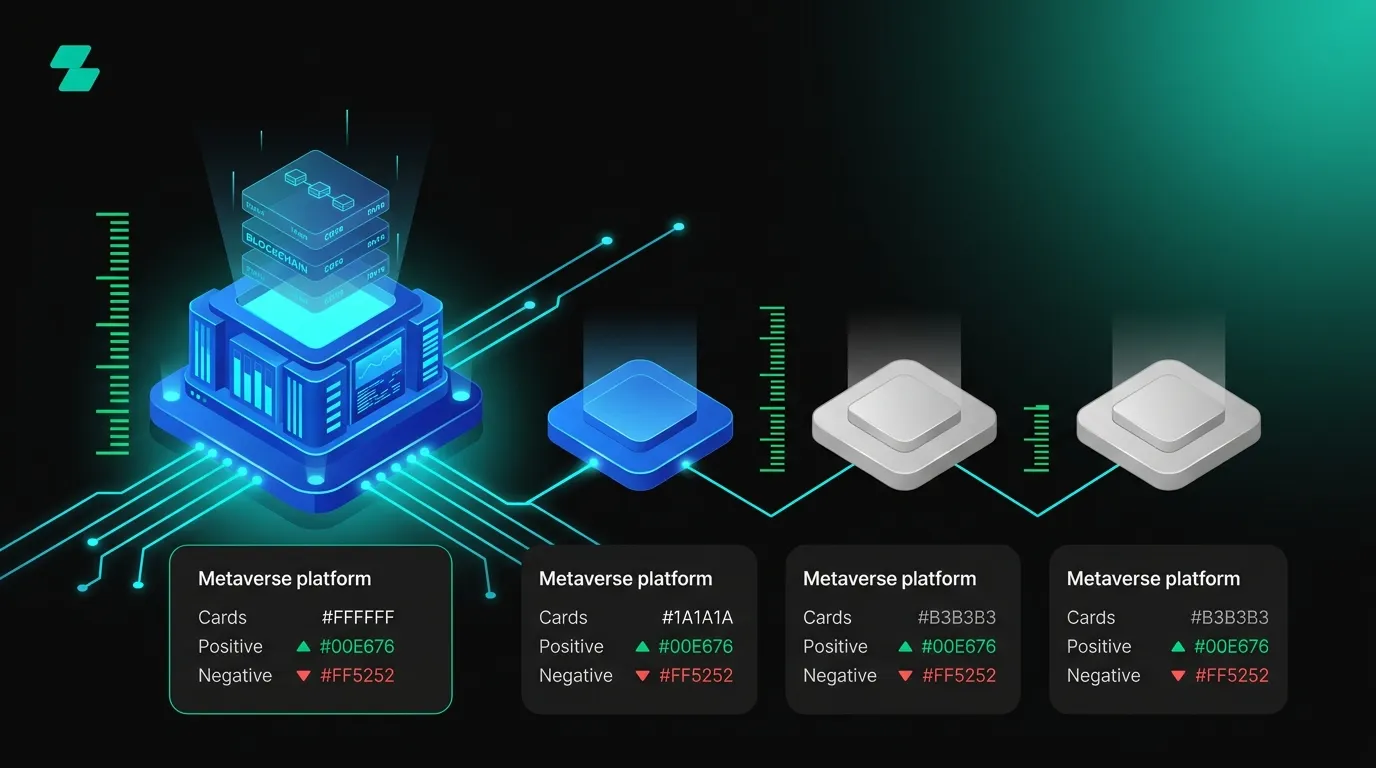
Where Otherside clearly wins: multiplayer infrastructure (no other metaverse comes close at 10,000+ voice concurrent), AI creation tools (the Koda Agent has no equivalent), and cultural cachet (BAYC is the most recognized NFT brand in existence).
Where Otherside is still catching up: content maturity. Decentraland has five years of user-generated content. The Sandbox has an established creator economy with branded land parcels from major IPs. Otherside's ODK ecosystem is early - Bathroom Blitz and the Clubhouse are promising, but the full content library that makes a world feel alive takes years to build.
Horizon Worlds is the clearest cautionary tale. Meta invested billions, launched with excitement, and struggled to retain users because the social spaces felt empty without compelling reasons to return. Otherside is addressing this through gameplay loops, the Voyager XP system, and the upcoming economic layer - but empty-world syndrome is a real risk for any platform in this space.
For crypto-native DeFi users specifically: Otherside's on-chain architecture - verifiable outcomes, self-custody, ApeChain's transparent transaction history - aligns with the trustless principles that serious Web3 participants care about. That's not the case with centralized competitors like Horizon Worlds.
Conclusion - Is BAYC Otherside Right for You?
BAYC Otherside is at a genuine inflection point. The platform is live, the infrastructure has been stress-tested, and the 2026 Resources System will add the economic depth that transforms it from a social gaming platform into a functioning on-chain economy. Whether it belongs in your portfolio - of time, money, or attention - depends entirely on your profile.
NFT Collectors & BAYC Holders: Your existing assets already have deepening utility here. BAYC and MAYC integrate as native 3D avatars, Otherdeed utility expands with Voyager 2.0, and the Resources System will generate on-chain economic activity directly tied to your land parcels. The 2026 strategic pivot - Yuga selling Meebits, transferring CryptoPunks - signals that all future development resources concentrate on exactly the assets you already hold.
DeFi Traders & On-Chain Enthusiasts: The ApeCoin DAO governance model, ApeChain's transparent transaction layer, and the self-custodial architecture make Otherside technically aligned with DeFi principles. APE's dual utility (currency + governance) creates an interesting token mechanic worth tracking as the Resources economy launches. The same trustless, verifiable model that serious DeFi participants apply to liquidity pools and on-chain protocols applies here - all activity is auditable on ApeChain.
Gamers & Metaverse Explorers: Start free with a Voyager account. Explore the Koda Nexus, play Bathroom Blitz, earn Voyager XP - all without buying an NFT. If the experience holds your attention, you'll have a much clearer sense of whether upgrading to Otherdeed ownership makes sense before committing capital.
Web3 Developers & Creators: The ODK's 1,000-asset library, Koda Agent AI tools, and growing platform user base represent a real creator opportunity. Bathroom Blitz proved external studios can build viable games on Otherside's infrastructure. The same category of NFT gaming opportunity that drove early adoption in Axie Infinity and The Sandbox is now opening up inside Otherside's ecosystem.
The platforms driving the next phase of Web3 - whether in trading, gaming, or social - share a common trait: transparent, verifiable mechanics where users control their assets. Otherside's architecture reflects that direction. How far it delivers on the promise is something 2026 will answer.
Crypto trading and NFT investments involve substantial risk of loss. Otherdeed NFTs and APE tokens are speculative assets subject to significant price volatility. Nothing in this article constitutes financial advice or an investment recommendation. Always conduct your own research and never commit capital you cannot afford to lose.
Last updated: April 2026.
Frequently Asked Questions
What is BAYC Otherside?
BAYC Otherside is a blockchain-powered metaverse developed by Yuga Labs - the company behind the Bored Ape Yacht Club NFT collection. It blends MMORPG-style gameplay with on-chain ownership, allowing users to own virtual land (Otherdeeds), play as NFT avatars (BAYC, MAYC, and others), and participate in a decentralized economy powered by ApeCoin. The platform officially launched on November 12, 2026, following three years of development and a $450 million funding round. It's currently live and accessible with or without NFT ownership via Voyager avatars.
What is an Otherdeed NFT?
An Otherdeed is an NFT representing a unique plot of virtual land inside the Otherside metaverse. Each Otherdeed is distinct - defined by its environment type, sediment layer, artifact rarity, harvestable resources (Anima, Ore, Shard, Root), and whether it contains one of the 10,000 rare Koda creatures. Owning an Otherdeed grants build rights, resource harvesting access, and Voyager 2.0 creation tools. When the Resources System launches through 2026, Otherdeed holders will be able to produce and trade crafted items using their land's output. Secondary market trading happens primarily on OpenSea and Blur.
Can I join Otherside without an NFT?
Yes - and this is one of the most underreported aspects of the platform. Yuga Labs introduced Voyager avatars specifically to lower the entry barrier. Any user can create a Voyager account at otherside.xyz using just an email address, customize a character, and enter the Koda Nexus without purchasing any NFT or APE. Community events like Bathroom Blitz and Otherside Outbreak are accessible to Voyager holders, and Voyager XP accumulates across all participation. This free entry path lets you experience the platform before deciding whether to invest in an Otherdeed or NFT avatar.
What is ApeCoin (APE) used for in Otherside?
ApeCoin serves two functions in Otherside: as an in-game currency and as a governance token. As currency, APE is used to purchase Otherdeeds, trade in-platform items, and engage in the crafting economy through 2026 via ApeChain. As a governance token, APE gives holders voting rights in the ApeCoin DAO, the decentralized body that influences Otherside's development direction, treasury allocation, and new feature approvals. The original Otherdeed mint used APE as payment for 55,000 plots, establishing APE's role as the primary economic instrument within the ecosystem from day one.
What is the Resources System planned for 2026?
The Resources System is Otherside's 2026 economic layer - a crafting and land-production system where Otherdeed holders actively produce their four native resources (Anima, Ore, Shard, Root) and use them in recipes to craft in-game items. The entire system runs on ApeChain with $APE as the primary settlement currency. This transforms Otherside from a social gaming platform into a functioning virtual economy where productive land generates real on-chain economic output. Item crafting, land-based production mechanics, and a market for crafted items are all planned components, making Otherdeed ownership economically active rather than purely speculative.
How does Otherside compare to Decentraland and The Sandbox?
Otherside leads on multiplayer scale (10,000+ voice concurrent vs. ~1,000 for both competitors) and AI creation tools - the Koda Agent has no equivalent in either platform. It also has larger land supply (200,000 Otherdeeds) and stronger cultural backing through BAYC. Where Decentraland and The Sandbox have an advantage: content maturity. Both have years of user-generated content and established creator economies. Otherside's ODK and 2026 economic layer are designed to close that gap, but building a deep content library takes time. For metaverse investors, the infrastructure advantage is clear; the content gap is the open question.
While alternative voxel environments rely heavily on open-source building tools and casual user-generated mini-games to capture traditional sandbox players, high-end entertainment networks aim for cinematic multiplayer scalability. Cross-referencing how separate land registries distribute structural asset utility provides critical insights for establishing a diversified virtual portfolio. You can inspect this voxel design framework further by reading our comprehensive walkthrough on The Sandbox as a Minecraft alternative for Web3 gamers.
What are the biggest risks of investing in Otherside?
Several material risks apply to Otherside participation. Otherdeed NFTs and APE tokens are speculative assets - prices correlate with broader NFT market sentiment and can drop significantly. The platform is still early-stage: early reviews noted limited content depth at launch, and full economic utility through the Resources System is still rolling out. There's also platform dependency risk - Yuga Labs' continued execution is the primary driver of all development. The self-custodial model means you carry full responsibility for wallet security; phishing and wallet-draining scams targeting BAYC holders are active and sophisticated. Crypto trading and NFT investment involve substantial risk of loss - never commit capital you cannot afford to lose.
ZIPMEX promotes trading on trade.zipmex.com. Promotions are labelled and kept separate from news coverage, which is selected and checked without regard to them. Perpetual futures are leveraged derivatives. Prices can move fast and you can lose all of your margin. Not available in every jurisdiction. Not investment advice.