⚡ QUICK ANSWER
Airdrop farming in 2026 means strategically interacting with crypto projects before they launch tokens. Top opportunities include Polymarket (confirmed token), MegaETH ($107M funding), Monad ($244M), and MetaMask. Successful farmers earned $600-$35,000+ per project in 2024-2025, but 88% of airdropped tokens lose value within 3 months. The game has evolved: projects now use AI-powered Sybil detection and reward genuine users with strong "wallet narratives" over volume manipulators. Start with $50-$500, expect 6-12 months of consistent activity, and never invest more than you can afford to lose.
Imagine waking up to find $5,000 worth of tokens sitting in your wallet - not from trading, not from investing, but simply for using apps you would have tried anyway. This isn't fantasy. In 2024, Hyperliquid distributed one of the largest airdrops in crypto history, rewarding early users with tokens worth thousands of dollars each. Some farmers who started with under $500 walked away with life-changing money.
But here's what most guides won't tell you: the easy airdrop money era is over. The days of clicking a few buttons and becoming rich overnight have vanished. Projects have gotten smarter. They've deployed AI-powered detection systems, implemented anti-Sybil measures, and shifted toward rewarding genuine ecosystem participants over professional farmers running thousands of wallets.
The good news? Massive opportunities still exist. Polymarket has confirmed both a token and airdrop launching in early 2026. Combined with MegaETH, MetaMask, and dozens of ecosystem projects, patient farmers could capture significant allocations without gambling-level risk.
The bad news? According to Hacken's 2025 security report, users lost $3.1 billion to crypto scams in the first half of 2025 alone. Airdrop phishing remains one of the most common attack vectors. You need strategy, patience, and the discipline to avoid countless scams that specifically target farmers.
This guide gives you everything: the projects worth farming, the exact steps to qualify, realistic earning expectations, and the hard lessons from farmers who've been through multiple cycles. Whether you're starting with $50 or $5,000, you'll know exactly what to do after reading this.
What Is Airdrop Farming and Why 2026 Is Different
Airdrop farming is the strategic process of interacting with crypto projects before they launch tokens, positioning yourself to receive free allocations when distributions occur. Think of it as earning equity in startups by being an early power user rather than an investor.
Projects distribute airdrops for several reasons: they need to decentralize governance token ownership to avoid regulatory scrutiny, reward early adopters who took risks on unproven protocols, and create buzz through token distributions as marketing tools. Understanding these motivations helps you predict which projects will actually launch tokens and how they'll distribute them.
But 2026 brings a fundamental shift. According to CoinLaw's 2025 token airdrop statistics:
- 88% of airdropped tokens lose value within 3 months
- 64% of recipients sold immediately at TGE (Token Generation Event)
- Sybil attacks captured nearly 48% of tokens in some major airdrops
- 85% of new airdrops now include anti-Sybil mechanisms
The strongest farmers today are not the loudest - they are the most consistent. This is why fewer wallets, better strategies, and smarter capital deployment are outperforming brute-force farming.
💡 THE NEW RULE: BUILD A WALLET NARRATIVE
Your wallet is no longer just a tool - it's your reputation. Projects now analyze: how often you interact, how diverse your actions are, whether you return over time, whether you use features as intended, and if you're a multichain user. One swap does not tell a story. Six months of consistent activity does. This single mindset shift puts you ahead of most farmers.
Real Earnings: What Airdrop Farmers Actually Made in 2024-2025
Before diving into strategies, let's examine verified earnings from recent cycles. These numbers come from farmer interviews, on-chain data, and industry reports - not marketing promises.
High-Tier Results (Professional Farmers):
- ARB, STRK: $30,000-$35,000 per project with optimized wallets
- MOVE, VANA: Some farmers reported seven-figure profits across multiple accounts
- Hyperliquid: Initial costs under $500, returns in thousands
- Lowb (meme coin): One farmer earned approximately $110,000 from community airdrops
Mid-Tier Results (Active Individuals):
- Jito, Wormhole, Ethena, Manta Pacific: $600-$1,000 per account
- Pirate S1: Around $1,000 per account for consistent participants
- Hyperliquid Season 1: 274.15 million HYPE tokens distributed to 94,028 recipients (average 2,915 HYPE)
Realistic Expectations for New Farmers:
- Most projects: $0-$300 (many airdrops disappoint)
- Quality projects with genuine usage: $500-$2,000
- Exceptional timing and strategy: $5,000+
Top Airdrop Opportunities for 2026
Based on funding, team credibility, community activity, confirmed announcements, and likelihood of token launch, here are the most promising projects to farm. All data verified with official sources.
Tier 1: Confirmed or Highly Likely Tokens (Immediate Priority)
🔥 HIGHEST PRIORITY PROJECTS - Q1-Q2 2026
| Project | Funding/Value | Status |
|---|---|---|
| 1. Polymarket | $9B valuation, $2.3B raised | Token + Airdrop Confirmed |
| 2. MegaETH | $107M raised, $450M public sale | TGE January 2026 |
| 3. Monad | $244M (Paradigm, DragonFly) | Testnet Live, Mainnet Nov 2025 |
| 4. MetaMask | Consensys-backed, 30M+ users | "Sooner than expected" - Lubin |
| 5. Infinex | Synthetix founders | 99% token probability by June 2026 |
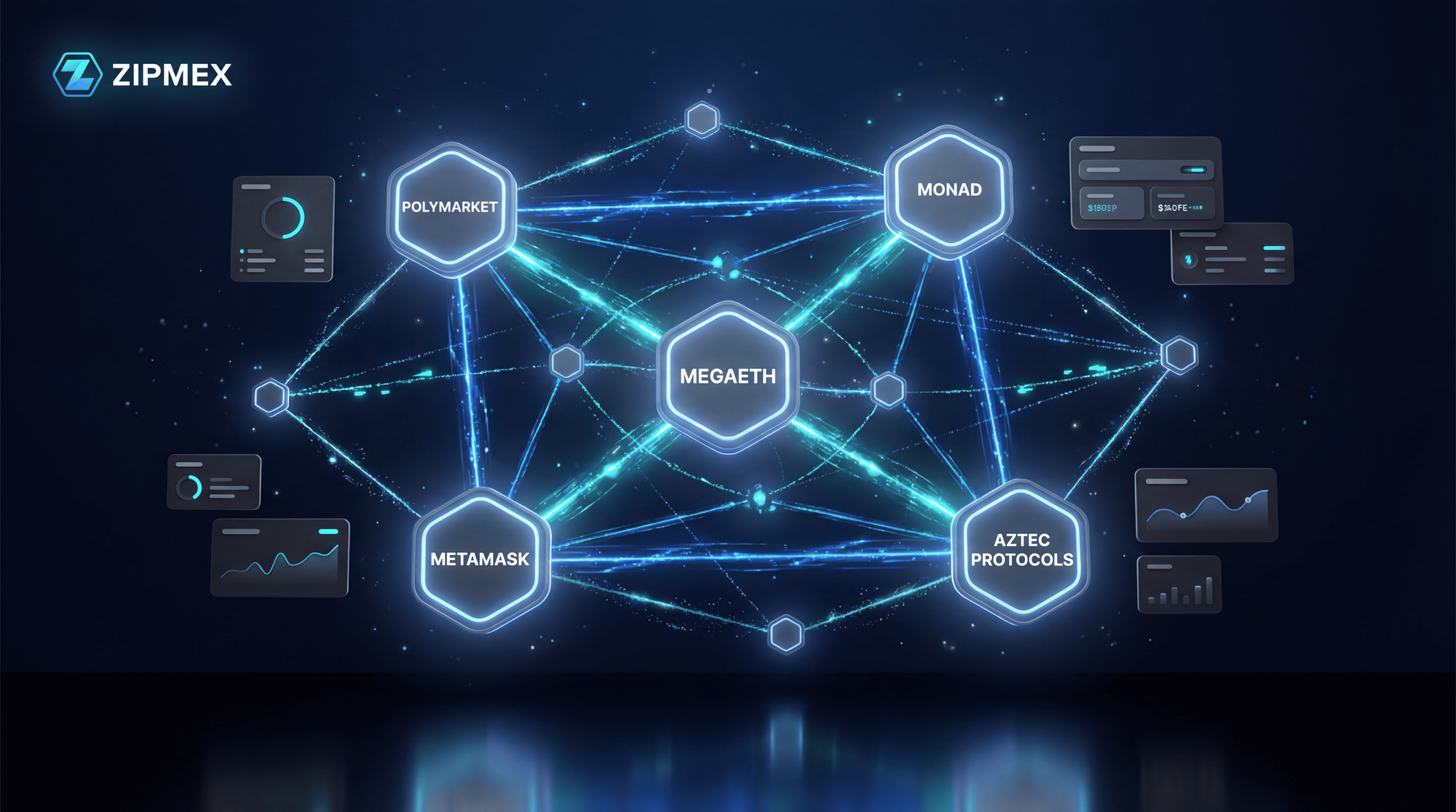
1. Polymarket ($POLY) - The prediction market giant raised $2.3 billion in October 2025, pushing its valuation to $9 billion. CMO Matthew Modabber confirmed both a token and airdrop on the Degenz Live podcast. According to Dune data, over 90% of users bet less than $100. Betting more than $500 could place you in the top 10% of users. Focus on trading volume, profitability, liquidity provision, and number of markets traded.
2. MegaETH ($MEGA) - This Ethereum Layer-2 network raised $107 million and conducted a $450 million oversubscribed public sale with $1.39B in total bids. TGE scheduled for January 2026. "The Fluffle" NFT holders confirmed to receive minimum 5% of supply. Interact with testnet, use dApps, and engage with the community.
3. Monad - EVM-compatible L1 promising 10,000 TPS with near-instant finality. With $244M raised from Paradigm and DragonFly Capital, it's one of the most anticipated launches. The testnet went live February 19, 2025, mainnet launched November 2025. Interact with ecosystem apps, engage in Discord (the "Nad" role matters).
4. MetaMask ($MASK) - ConsenSys CEO Joseph Lubin confirmed the token is coming "sooner than you would expect". With 30+ million monthly active users, this could become one of the largest airdrops in crypto history. Their Rewards program tracks activity through a points system. Use MetaMask for your regular transactions to build history.
Tier 2: Strong Potential (Active Farming Recommended)
DEX & Trading Platforms:
- Hyperliquid Season 2 - Building on massive S1 success (274M HYPE distributed)
- EdgeX ($EDGE) - DEX with points program
- Aster, Paradex - Points programs active
Wallets & Infrastructure:
- Rainbow Wallet - TGE expected soon, points program active
- Rabby Wallet - Points program, strong community
- Phantom - Trading features suggest potential token
- Linea - Consensys' zkEVM L2, LXP points active
- Abstract Chain - Pudgy Penguins team, consumer-focused L2
Tier 3: Emerging Opportunities
- Unichain - Uniswap's own L2
- LayerZero Season 2 - Cross-chain protocol
- Farcaster - Decentralized social, strong builder community
- Symbiotic - Restaking protocol
- Sahara AI - AI infrastructure
- Cysic Network - ZK hardware acceleration
Airdrop Farming Categories: Where to Focus in 2026
Not all farming is equal. Different categories offer different risk/reward profiles. Here's how to think about the landscape:
A. Infrastructure & Core Protocols (High Value, Long Timeline)
These are the backbone of crypto — wallets, bridges, oracles, developer tooling. They create massive value and often reward early users generously.
Key Targets:
- MetaMask, Rainbow, Rabby, Phantom (wallets)
- LayerZero (cross-chain messaging)
- Wormhole (bridge infrastructure)
- Espresso (sequencer)
Why It Matters: Even if a token isn't confirmed, usage builds history. Infrastructure projects with deep VC backing (Paradigm, a16z, Sequoia) tend to launch tokens eventually.
B. DEX & Trading Airdrops (HOTTEST TREND 2026)
DEX farming is currently the most dominant trend in DeFi airdrop farming. Point systems are everywhere. Neutral trading strategies are the norm. And volume matters more than ever.
Platforms like Hyperliquid have already distributed hundreds of millions to billions of dollars to users based on:
- Trading volume (often logarithmically weighted)
- Number of trades
- Consistency over time
- Liquidity provision
Top DEX Targets:
- Hyperliquid Season 2 — Building on massive S1 success
- EdgeX, Aster, Paradex — All running points programs
C. Prediction Markets (Capital Efficient)
Prediction markets combine real usage with verifiable on-chain behavior. You're not just clicking buttons — you're taking positions, expressing opinions, contributing to market discovery.
Why Prediction Markets Are Gold for Farming:
- Capital efficient (don't need large size to be valuable)
- Demonstrate genuine engagement
- Historical precedent of generous airdrops
- Multiple platforms = multiple opportunities
Targets: Polymarket (confirmed airdrop!), Kalshi (U.S. regulated), Limitless
D. DeFi Participation (Classic, Still Valuable)
Lending, borrowing, staking, LPing, and governance all signal real economic activity. Projects still value this highly, especially when repeated and intentional.
Key Activities:
- Lending/borrowing on Aave, Compound, Morpho
- Liquidity provision on Curve, Uniswap, Aerodrome
- Governance voting via Snapshot
E. Wallet Farming (Underrated Category)
Wallets are quietly becoming one of the strongest farming categories. With MetaMask token "coming sooner than expected" and Rainbow TGE imminent, actively using these wallets is a passive farming strategy.
Confirmed/Expected Wallet Tokens:
- MetaMask ($MASK) — Confirmed
- Rainbow Wallet — TGE expected soon
- Rabby Wallet — Points program active
- Phantom — Trading features, potential token
Strategy: Use these wallets for your daily on-chain activity instead of random web interfaces.
🎯 DEEP FARMING BEATS WIDE FARMING
Instead of touching 50 protocols once, pick 2-3 ecosystems and: use most major apps inside them, participate across DeFi/NFTs/governance/tooling, and return consistently over months. This creates a dense on-chain footprint that projects notice and reward.
Step-by-Step: How to Start Airdrop Farming
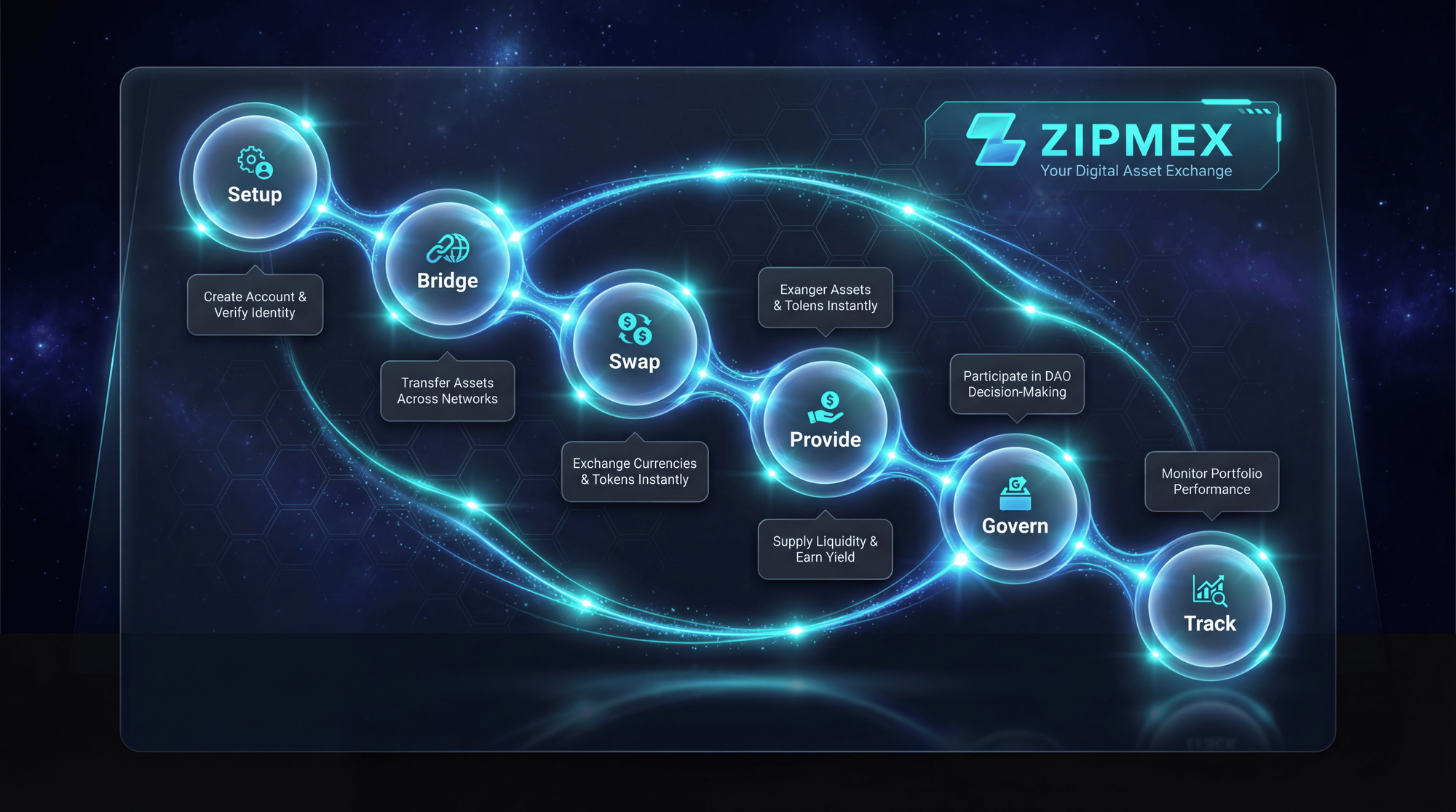
Step 1: Set Up Your Infrastructure
Before interacting with any protocols, establish your foundation:
Wallets (Pick 2-3, use consistently):
- MetaMask - Essential for Ethereum, Arbitrum, Base, and most EVMs. Potential airdrop.
- Rabby Wallet - Excellent security features. Points program active.
- Phantom - Required for Solana ecosystem. Potential airdrop.
- Rainbow - User-friendly with referral points. TGE expected soon.
Funding:
- Start with $100-$500 in ETH/SOL across your wallets
- Keep reserves for gas fees (they add up quickly)
- Never use funds you can't afford to lose
Organization:
- Create dedicated email addresses for farming activities
- Use a password manager for wallet seed phrases (OFFLINE backup critical)
- Track your interactions in a spreadsheet (date, chain, protocol, action)
🔒 CRITICAL: BURNER WALLET STRATEGY
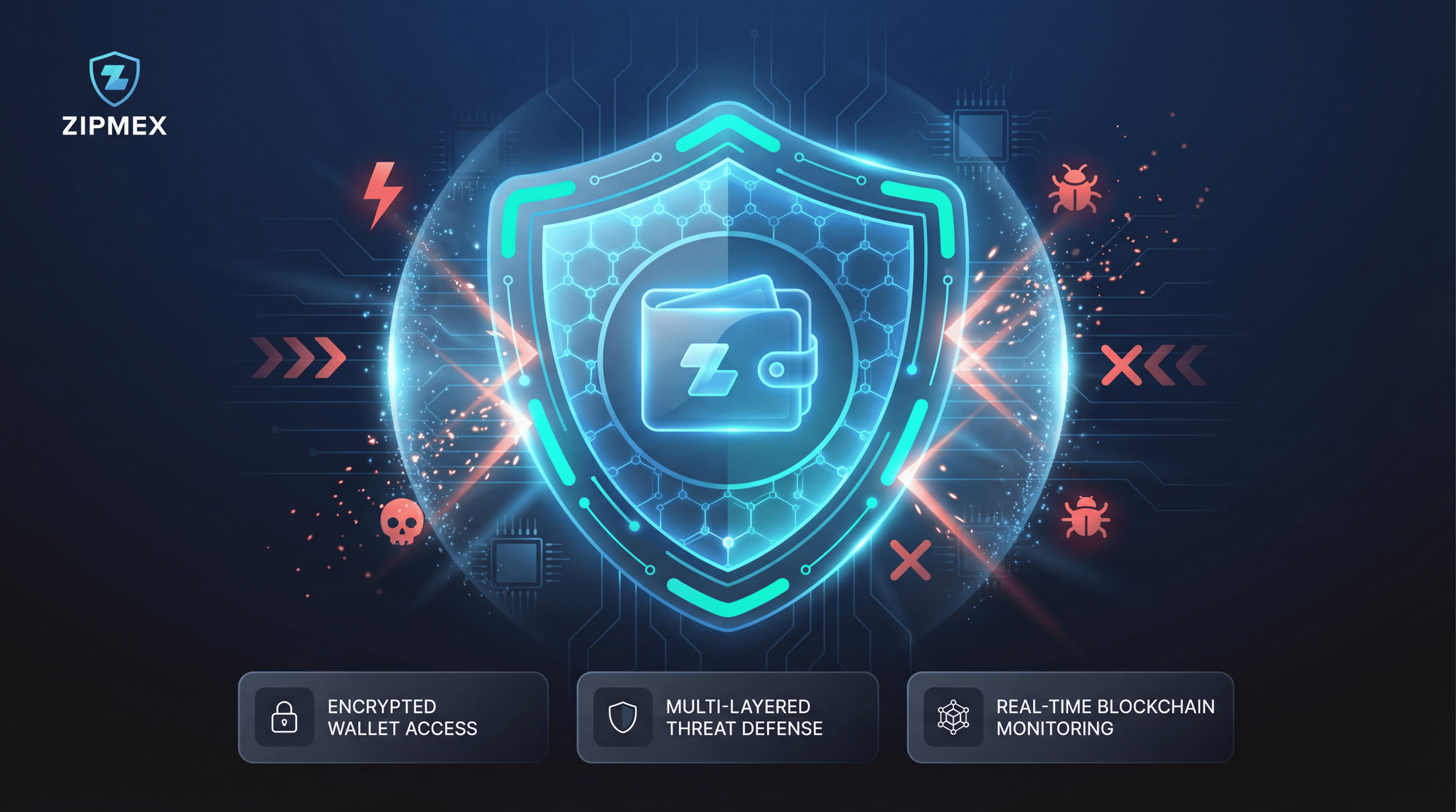
Use separate wallets for farming versus holding significant assets. Your farming wallet should be "burner" quality - funded enough to interact but not containing your life savings. This protects you from smart contract exploits, phishing attacks, and approval drains. Regularly check and revoke approvals at revoke.cash.
Step 2: Choose Your Ecosystems (Don't Spread Too Thin)
Select 2-3 ecosystems to farm deeply based on your capital:
For Capital-Efficient Farming ($50-$500):
- Solana: Lower gas fees, active airdrop culture
- Base: Cheap transactions (under $0.01), strong project pipeline
- Testnets: Free to use, often rewarded (Monad, Aztec, Movement)
For Higher-Capital Farming ($500-$2,000+):
- Ethereum mainnet: Premium allocations for genuine users
- Polymarket: Requires USDC for prediction market trading
- DEX trading (Hyperliquid-style): Points based on volume
Step 3: Execute Core Farming Activities
Each activity builds your on-chain reputation differently:
Bridging:
Bridge assets to new chains using official bridges or aggregators like Jumper, Orbiter, or Stargate. Projects track bridge users as early adopters. Target: Bridge to 5+ chains you plan to actively use.
Swapping:
Execute token swaps on major DEXs within each ecosystem. Don't just swap once - build a pattern of regular usage over months. Target: 10-20+ swaps per chain over several months.
Liquidity Provision:
Adding even small amounts ($50-$100) to liquidity pools triggers high-value eligibility tiers on many protocols. Understand impermanent loss risks. Target: LP positions on 2-3 major protocols.
Lending/Borrowing:
Interact with lending protocols - supply assets, borrow against them, repay. This demonstrates sophisticated DeFi usage. Target: Active positions on Aave, Morpho, or chain-specific lenders.
Governance:
Vote on proposals using Snapshot or on-chain governance. Many projects specifically reward governance participants as "engaged community members." Target: Vote on 5+ proposals per ecosystem.
NFT Interactions:
Mint free or cheap NFTs on target chains. Some projects (Berachain, Base) weighted NFT holdings heavily in distributions. Target: 1-2 NFT mints per ecosystem.
Step 4: Build Consistent History (THE SECRET)
The single most important factor in 2026: time-weighted activity.
Projects have learned that wash traders and bots typically appear right before expected snapshots. To combat this, they now weight allocations based on activity duration and consistency. Six months of regular usage outweighs six days of intensive farming every time.
Weekly Farming Routine:
- Monday: Check new protocol launches, bridge if needed
- Wednesday: Execute 2-3 swaps on priority ecosystems
- Friday: Governance voting, liquidity adjustments
- Monthly: Review portfolio, adjust strategy, clean up approvals
Polymarket Farming: A Deep Dive Into a Lucrative Opportunity
Given Polymarket's confirmed airdrop and $9 billion valuation, it deserves special attention. This could be the largest single airdrop in crypto history.
Understanding the Platform:
Polymarket lets you bet on real-world event outcomes - elections, crypto prices, sports, weather, news events. Unlike pure gambling, prediction markets aggregate collective intelligence, often producing more accurate forecasts than polls or experts.
The Numbers:
- Total raised: $2.3 billion (October 2025)
- Valuation: $9 billion+
- Presumptive timeline : Early 2026 (after U.S. relaunch)
- User data: Over 90% bet less than $100 (Dune Analytics)
What Likely Matters for Allocation:
- Trading volume (logarithmic scaling expected, not linear - $10K volume won't get 10x the reward of $1K)
- Profitability (winners may receive bonuses)
- Liquidity provision to markets
- Number of different markets traded
- Account age and consistency
- Activity diversity (not just one type of bet)
🎯 POLYMARKET FARMING STRATEGIES
Low-Risk: Tail-End Trading
Focus on events where outcomes are ~95% certain. You earn small profits while generating volume. Example: Betting "Yes" on events almost certain to resolve that way. Risk: Minimal, but small wins.
Medium-Risk: Hedging Strategy
Place opposite bets on Polymarket and competing platforms (Kalshi for U.S. users, Limitless for non-U.S.). Size positions so you break even regardless of outcome while accumulating volume on both platforms.
Higher-Risk: Active Trading
Actually trade prediction markets based on research. When news breaks, scan for markets that haven't repriced yet. This generates genuine volume and potential profits, making you look like a valuable user rather than a farmer.
Practical Tips:
- Bet more than $500 to potentially place in top 10% of users
- Trade multiple market categories (politics, crypto, sports, entertainment)
- Provide liquidity to smaller markets if possible
- Be profitable - winners may receive allocation bonuses
- Start early - account age likely matters
⚠ SYBIL WARNING
Polymarket has explicitly stated they will filter Sybil accounts. Running 20 wallets with identical small bets will likely disqualify all of them. The platform's $9B valuation comes from institutional interest (NYSE parent company invested) - they're not going to dilute token value by rewarding obvious farmers. Quality over quantity wins here.
Capital Efficiency: Maximizing Returns With Limited Funds
Not everyone has $5,000 to deploy. Here's how to farm effectively with limited capital:
Low-Capital Strategies ($50–$200)
1. Testnet Farming (Cost: $0)
Testnets require time, not capital. When projects reward testnet users, payouts are often surprisingly generous.
Current active testnets:
- MegaETH testnet (live since March 2025) — Source: The Block
- Linea testnet — Consensys zkEVM L2
- Abstract Chain testnet — Pudgy Penguins team
2. Base Ecosystem (Cost: $50–$100)
Gas fees under $0.01 per transaction (Source: Base Docs) make frequent interactions viable.
- Bridge 0.05-0.1 ETH ($150-300) via official Base Bridge
- Swap on Uniswap/Aerodrome weekly
- Mint NFTs on Zora
- Engage with Farcaster
3. Solana DeFi (Cost: $50–$100)
Near-zero gas fees (~$0.00025 per tx) enable high interaction frequency.
- Jupiter aggregator
- Marginfi lending
- Tensor NFT marketplace
Medium-Capital Strategies ($500–$2,000)
1. Multi-Ecosystem Approach
Spread across 3 ecosystems: one testnet (MegaETH), one cheap L2 (Base), one premium (Polymarket).
2. Delta-Neutral DEX Farming
On DEXs with points programs, open long and short positions simultaneously. You earn points from volume while being market-neutral.
3. Looping Strategies
In lending protocols: deposit → borrow → redeposit → borrow again. Multiplies your effective capital for TVL-based airdrops. Warning: Increases liquidation risk.
💡 CAPITAL EFFICIENCY PRINCIPLE
Airdrop allocation is increasingly logarithmic, not linear. The jump from $0 to $100 in activity often matters more than $1,000 to $5,000. Focus on hitting minimum thresholds across multiple protocols rather than maximizing volume in one place.
Essential Tools and Resources
Airdrop Tracking:
- Airdrop Alert - Comprehensive database, guides, farming strategy content
- DropsTab - Activity tracking and opportunities
- DefiLlama Airdrops - Upcoming and active airdrops
- airdrops.io - 600+ active airdrops, updated daily
Portfolio & Activity Tracking:
- DeBank - Multi-chain portfolio viewer
- Zapper - Track DeFi positions across chains
- Zerion - Wallet analytics and activity history
Research:
- Official project Discord servers
- Twitter/X: Follow @aikiYK, @VentureCoinist, @CryptoRank_io, @pnxgrp (Phoenix Group)
- Crypto news: Decrypt, The Block, CoinDesk, DL News
Security:
- Revoke.cash - Check and revoke token approvals (use weekly)
- Hardware wallet for main holdings (Ledger, Trezor)
- Bookmark official URLs - never click links from DMs
Sybil Checking:
- Token Sniffer - Check if token/project might be scam
- Chainabuse - 700K+ scam reports database
Avoiding Scams: Protect Your Wallet
Users lost $3.1 billion to crypto scams in the first half of 2025 alone (Hacken). Airdrop phishing remains one of the most common attack vectors targeting farmers specifically.
Red Flags (INSTANT REJECT):
- ❌ Requests for seed phrases or private keys (NEVER share these)
- ❌ Airdrops requiring upfront payment to claim
- ❌ No official announcement on verified channels
- ❌ Suspicious URLs (check for typos)
- ❌ Promises of guaranteed returns or specific token values
- ❌ DMs about "exclusive" airdrops (legitimate projects announce publicly)
- ❌ "Connect wallet to claim" on unknown sites
Recent Scam Examples:
- Hamster Kombat fakes: Kaspersky warned about credential-stealing fake airdrops targeting the game's 250M+ users
- Vitalik hack: Attackers hijacked his X account to promote fake NFT airdrop, stealing ~$700K
- Polygon airdrop scam: 1,354 fraudulent NFTs resulted in $1.2M+ losses
- ScamSniffer data: 737K+ wallets targeted with fake airdrops of ApeCoin, Pepe, The Sandbox
Protection Checklist:
- ✅ Verify announcements on official Twitter/Discord before interacting
- ✅ Never sign transactions you don't understand
- ✅ Use separate wallets for farming (burner approach)
- ✅ Regularly revoke token approvals at revoke.cash
- ✅ Use hardware wallet for holdings over $1,000
- ✅ If something seems too good to be true, it is
🔑 GOLDEN RULE
Legitimate airdrops NEVER ask for private keys, seed phrases, or upfront payments. If someone messages you about an "exclusive" opportunity, it's a scam. Always verify through official project channels before connecting your wallet to any claim site.
Realistic ROI Calculations
Let's break down the economics of airdrop farming honestly:
💰 COST-BENEFIT ANALYSIS (6-MONTH PERIOD)
| Category | Conservative | Moderate | Optimistic |
|---|---|---|---|
| Initial Capital | $100 | $500 | $2,000 |
| Time Investment | 2 hrs/week | 5 hrs/week | 10+ hrs/week |
| 6-Month Gas Costs | $50-$100 | $200-$400 | $500-$1,000 |
| Total Cost (Capital + Gas) | $150-$200 | $700-$900 | $2,500-$3,000 |
| Expected Airdrops (6mo) | $0-$500 | $500-$3,000 | $3,000-$15,000+ |
| Effective Hourly Rate | $0-$10/hr | $5-$25/hr | $10-$50+/hr |
Why the Wide Range?
Airdrop farming has high variance by nature. Some farmers hit three major airdrops in a year; others spend months on projects that never launch tokens. The difference between conservative and optimistic outcomes often comes down to luck, timing, and ecosystem selection rather than effort alone.
Key Statistics to Remember:
- 88% of tokens lose value within 3 months
- 64% of recipients sold immediately
- ~50% of projects never launch tokens at all
The Hidden Cost: Time
If you spend 200 hours farming over a year and receive $2,000 in airdrops, your effective rate is $10/hour. Factor this into your decision-making. For some people, this is excellent supplemental income. For others, that time might be better spent elsewhere.
Bullish vs. Bearish Factors for 2026 Farming
📈 BULLISH FACTORS
- Polymarket token + airdrop confirmed (The Block)
- $244M+ in funding for pre-token projects
- MetaMask token "sooner than expected"
- Institutional interest (NYSE parent in Polymarket)
- Sophisticated reward systems favoring genuine users
- New L1s (Monad) launching with user incentives
- $107M MegaETH airdrop January 2026
📉 BEARISH FACTORS
- 88% of tokens lose value in 3 months
- Sybil detection increasingly sophisticated (AI-powered)
- 48% of Arbitrum airdrop went to Sybil farms
- 85% of new airdrops include anti-Sybil measures
- $3.1B lost to scams in H1 2025
- U.S. geoblocking ($1.84-2.64B missed)
- Rising competition from professional farmers
The Sybil Question: Multi-Wallet Ethics and Risks
Let's address the elephant in the room. Many guides discuss using multiple wallets to multiply airdrop allocations. Here's the honest truth:
The Harsh Reality (Verified Data):
- 48% of Arbitrum's airdrop went to Sybil farms (wallets controlled by same entities) - X-explore analysis
- 85% of new airdrops now include anti-Sybil mechanisms - CoinLaw
- Projects are using AI, graph analysis, and behavioral patterns to detect coordinated wallets
- Getting caught means all connected wallets get zero
If You're Considering Multiple Wallets:
- Identical transaction patterns = instant detection
- Same funding sources = flagged
- Similar timing = suspicious
- Projects share Sybil databases
Our Recommendation: Focus on one or two wallets with genuine, varied activity over time. The allocation difference between "farming whale" and "real user" is shrinking as projects implement logarithmic distributions.
⚖ THE NEW MATH
With logarithmic distributions, one genuine wallet with $1,000 activity might earn 80% of what ten suspicious wallets with $100 each would earn - without the disqualification risk. The risk/reward calculus has fundamentally shifted toward quality over quantity.
Frequently Asked Questions
What are the biggest confirmed airdrops in early 2026?
Polymarket has confirmed a token and airdrop for early 2026. MegaETH TGE is scheduled for January 2026. MetaMask token is confirmed "sooner than expected".
How much money do I need to start airdrop farming?
You can begin with as little as $50-$100, focusing on testnets and low-fee chains like Solana or Base. More capital ($500+) opens doors to higher-value opportunities on Ethereum mainnet and platforms like Polymarket. Capital is less important than consistency.
Is airdrop farming still profitable in 2026?
Yes, but profitability depends on strategy, ecosystem selection, and realistic expectations. Successful farmers report earning between $500 and $5,000+ per high-quality project, though 88% of tokens lose value within 3 months and many projects yield nothing.
How do I avoid Sybil detection?
Don't run multiple wallets with identical activity patterns. Projects use AI and graph analysis to detect coordinated behavior. Focus on one or two wallets with genuine, varied activity over time. Remember: 48% of Arbitrum's airdrop went to Sybil farms, but 85% of new airdrops now filter these out.
Which chains should I prioritize for farming in 2026?
Focus on: Monad (ecosystem apps), Polymarket (prediction market activity), Base ecosystem projects, Solana DeFi protocols, and wallet farming (MetaMask, Rainbow, Rabby). Avoid saturated L2s where millions of wallets compete for limited allocations.
Final Verdict: Should You Farm Airdrops in 2026?
✅ FARM IF:
- You have $100-$2,000 you're willing to risk
- You can commit 6-12 months of consistent activity
- You're genuinely interested in exploring crypto ecosystems
- You can handle uncertainty and potential losses
- You're willing to learn DeFi fundamentals
- You understand 88% of tokens may lose value
- You can dedicate 2-10 hours per week
❌ SKIP IF:
- You expect guaranteed returns
- You need the money for bills or emergencies
- You don't have time for consistent weekly activity
- You're only interested in "getting rich quick"
- You're not willing to learn basic crypto security
- You can't handle seeing tokens dump 80%+
- You want predictable income
Airdrop farming in 2026 isn't the gold rush it was in previous cycles. But for those willing to approach it strategically - focusing on quality over quantity, building genuine wallet narratives, and maintaining realistic expectations - substantial opportunities remain.
The confirmed Polymarket airdrop represents significant value for active users. Combined with MegaETH, MetaMask, Monad, and dozens of ecosystem projects, patient farmers could capture meaningful allocations without gambling-level risk.
The bottom line: Airdrops remain one of the most asymmetric opportunities in crypto. They reward patience, curiosity, and discipline - not leverage or luck. The rewards tend to find those who stay in the game long enough.
Start small. Learn the mechanics on testnets. Build your wallet history across 2-3 ecosystems. Stay consistent. And most importantly, never invest more than you can afford to lose - even in "free" tokens.
See you on-chain.
⚠ Investment Disclaimer: This article is for educational purposes only and does not constitute financial advice. Cryptocurrency investments carry significant risk, including complete loss of capital. Airdrop farming involves speculative activities with uncertain outcomes - 88% of airdropped tokens lose value within 3 months. Past airdrop values do not guarantee future distributions. Always conduct your own research (DYOR) and consult with a licensed financial advisor before making investment decisions. Never invest more than you can afford to lose.