The plant vs undead game turned the tower defense genre upside down by injecting NFT ownership and real-money earning mechanics into gameplay that casual and crypto-native players both immediately recognized. Built on Binance Smart Chain, PVU lets you grow an army of NFT plants, defend your Mother Tree from waves of undead monsters, earn Light Energy, and convert that energy into tradeable PVU tokens - all without giving up custody of your assets.
This guide covers everything: what the game is, what you need to start, how Farm Mode and PVP Mode work step by step, how the earning loop functions, and what risks to watch out for in 2026.
⚡ Key Takeaways
- Plant vs Undead (PVU) is a free-to-play, NFT-based tower defense game running on Binance Smart Chain
- The game has two modes: Farm Mode (passive LE farming) and PVP Mode (active combat against undead waves)
- The dual-token system uses PVU tokens for purchasing assets and Light Energy (LE) for in-game tools
- Getting started requires a MetaMask wallet, a small amount of BNB for gas, and at least 5 PVU tokens
- Earned LE converts to PVU, which trades on PancakeSwap, Gate.io, and LBank
What Is Plant vs Undead? Game Overview and Core Mechanics
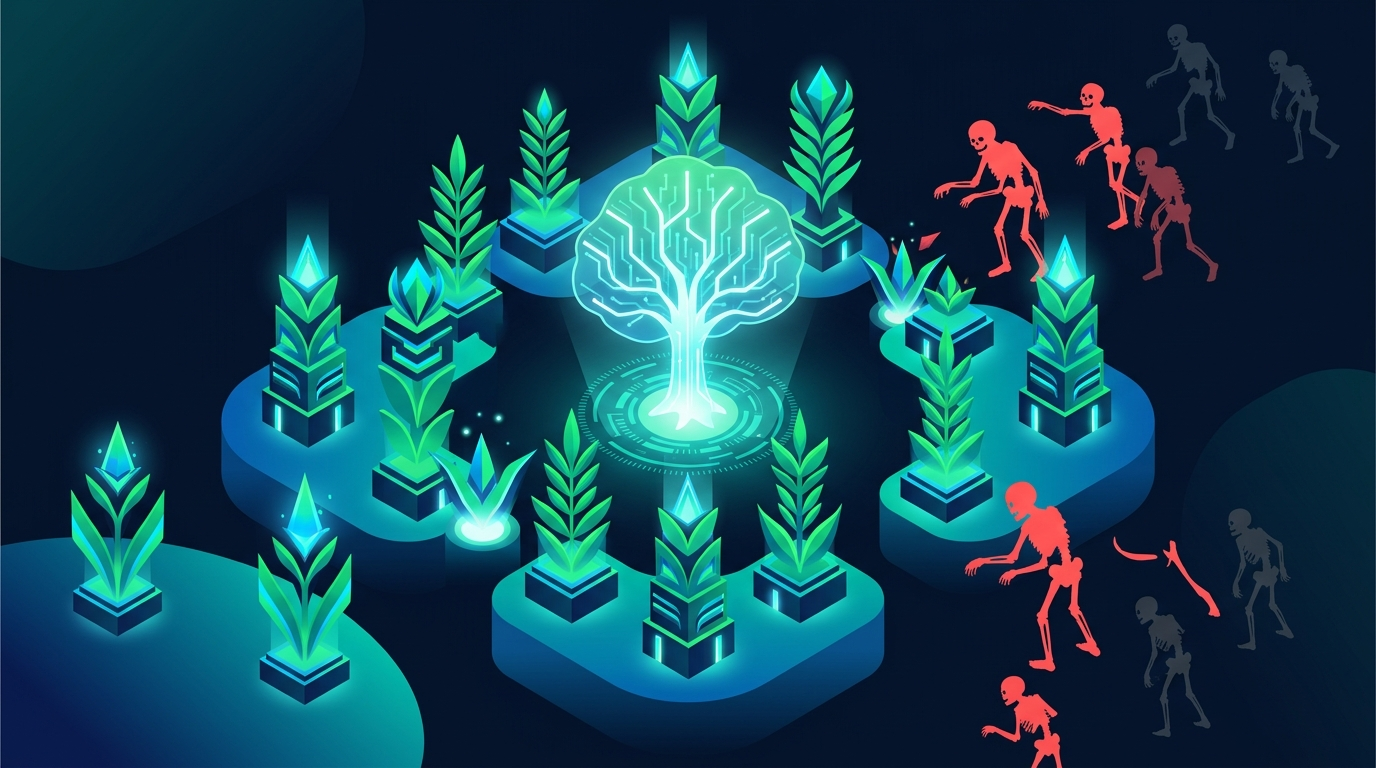
Plant vs Undead is a blockchain-based NFT tower defense game built on Binance Smart Chain - and yes, if you've played Plants vs Zombies, the premise will feel immediately familiar. You deploy plants on a grid to intercept waves of undead monsters trying to reach your Mother Tree. Stop them, and you earn rewards. Let too many through, and it's over.
The difference from the EA classic is fundamental: every plant in your arsenal is an NFT. That means it has real, tradeable value on the PVU Marketplace. The Vietnamese development team designed PVU with the goal of building what they called the best free-to-play-to-earn (F2P2E) blockchain game - one where casual gamers and crypto-native users could coexist on the same platform.
The current live version of the game is called PVU Legacy, which includes expanded game modes, PVU Idle (a roguelike farming simulation), and a miniPvP arena added in beta updates from mid-2024 onward.
The Two Game Modes Explained - Farm Mode vs PVP Mode
Farm Mode is where most players start. You plant seeds, water your garden, complete daily quests, and collect Light Energy passively - no combat required. PVP Mode is the competitive layer: you position plants strategically, face escalating undead waves, and earn PVU tokens for successful defenses. Top leaderboard players earn season rewards from a pooled prize structure.
The game is still actively developed. Before committing resources to PVP Mode specifically, check the official PVU site or Discord for current availability - new beta versions have shifted feature availability multiple times.
Plant Types, Rarity, and the NFT Marketplace
Every plant in PVU is an NFT with unique stats, rarity classification, and tradeable value. Sunflowers are the entry-level plant for Farm Mode - cheap, easy to acquire as seeds, and generate LE reliably after a 120-hour growth cycle. Higher-rarity plants yield more LE and carry stronger combat stats for PVP engagements.
Plants optimized for different purposes fall into three broad categories:
- Farm-focused plants - high LE yield per 120-hour cycle, low combat value
- PVP-focused plants - strong attack stats, elemental damage types critical for the v4.0 resistance system
- Rare/Collectible plants - primarily marketplace value, often carrying both above traits at premium price points
The v4.0 elements update introduced damage resistances and specific elemental interactions - building a PVP team with mixed elemental damage types isn't optional anymore, it's a strategic necessity. The PVU Marketplace handles all trading; plants can be bought, sold, or lent between players using PVU tokens.
With the NFT ecosystem clear, the next step is configuring the technical requirements before you ever log in.
What You Need Before You Start - Wallet and Token Requirements
Three things are non-negotiable before you can play Plant vs Undead: a MetaMask wallet configured for Binance Smart Chain, BNB for gas fees, and at least 5 PVU tokens. Everything else builds from there.
MetaMask is the primary wallet PVU supports. It's a browser extension that acts as your identity and payment layer inside the game - without it connected, you can't access Farm Mode, the Marketplace, or PVP. The BSC network configuration is manual: you need to add the custom RPC settings inside MetaMask's network settings.
BNB is required not because the game costs BNB to play, but because Binance Smart Chain charges BNB for gas on every on-chain transaction. According to BSCScan network data, typical fees range from fractions of a cent to under $0.30 depending on network congestion and contract complexity - minimal in practice, but your wallet needs a nonzero balance before any transaction will confirm.
PVU tokens are BEP20 tokens on BSC, purchased through PancakeSwap by swapping BNB or USDT. The minimum to start farming is 5 PVU - enough to convert to Light Energy and buy your first round of tools. Token prices fluctuate with the market, so check live rates on CoinMarketCap before purchasing.
How to Play Plant vs Undead - Step-by-Step Guide for Beginners
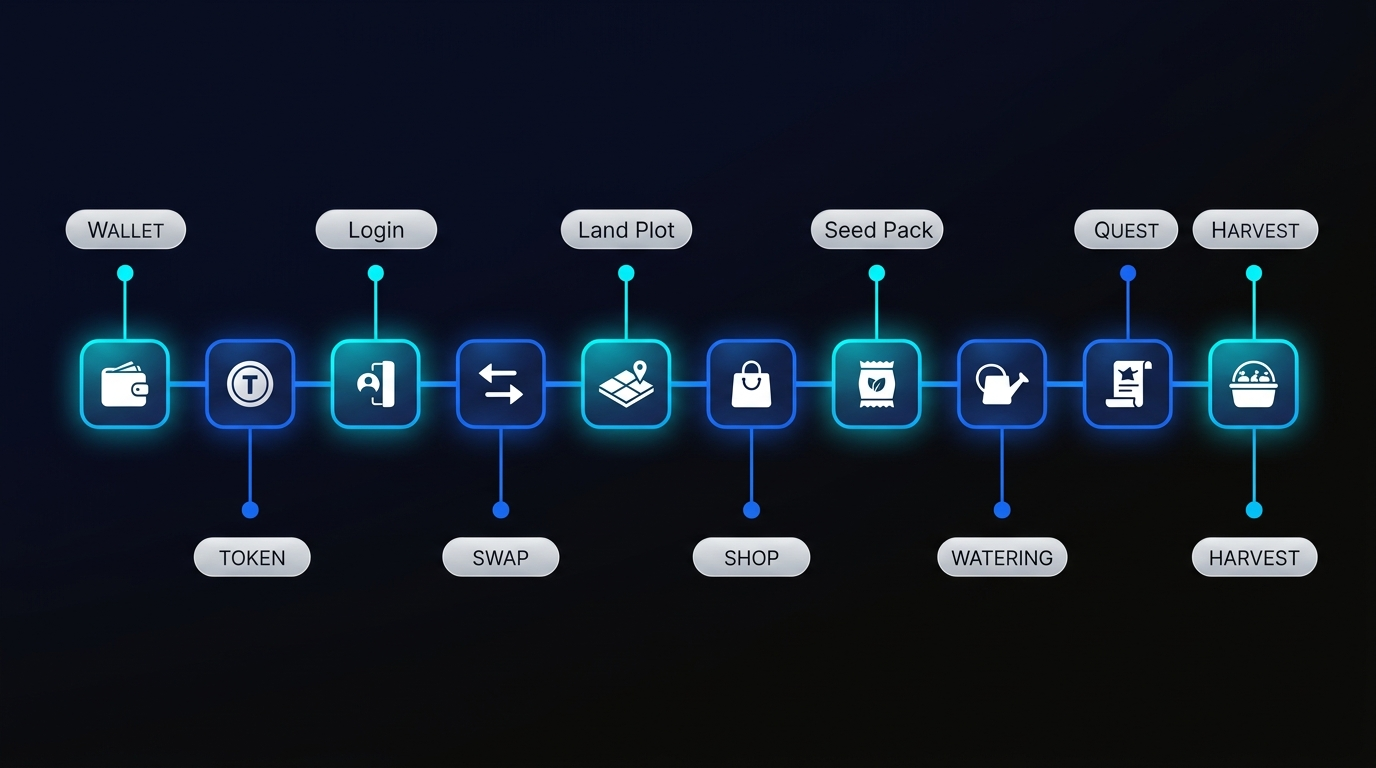
The plant vs undead game onboarding has 10 distinct steps - skip any one of them and you'll hit a confusing error that isn't obvious to debug. Walk through them in order and the whole process takes under 30 minutes.
Steps 1-5: Wallet Setup, Buying PVU, and Logging In
Step 1 - Install and configure MetaMask for BSC:
Open MetaMask → Settings → Networks → Add Network. Enter the BSC RPC details from the table above. Save, then switch your active network to Binance Smart Chain.
Step 2 - Fund your BSC wallet with BNB:
Buy BNB via the Binance app or bridge assets from another chain using the Binance Bridge. Even $2-3 worth of BNB covers dozens of in-game transactions.
Step 3 - Buy PVU tokens on PancakeSwap:
Go to PancakeSwap, connect your MetaMask wallet, and swap BNB (or USDT) for PVU. You need at least 5 PVU to start farming. Check the current price before you swap - token prices move constantly.
Step 4 - Navigate to the official Plant vs Undead site:
Go to the official PVU website and look for the Farm or Game section. Don't use third-party links - always navigate directly.
Step 5 - Connect your MetaMask wallet:
Click the connect wallet prompt and approve the MetaMask popup. If the page loads slowly or throws an error, don't panic - this is normal during high-traffic periods. Refresh and try again. The game has historically used a batch scheduling system where players were assigned time slots; the current PVU Legacy version may handle access differently, so check the current login flow on the official Discord if you hit repeated errors.
Steps 6-10: Claiming Land, Planting Seeds, and Earning LE
Step 6 - Convert PVU to Light Energy (LE):
Inside the game, find the blue swap button in the upper right of the screen. Click it and select "PVU TO LE." The conversion rate changes over time - at historical rates, 1 PVU has converted to roughly 70-105 LE. Check the current in-game rate before converting.
Step 7 - Claim your free land plots:
Navigate to the Farm section → Land tab. All players receive free starting land: one Mother Tree and five plant slots. Claim it - this costs nothing and is your starting plot.
Step 8 - Buy tools from the Shop:
The Shop icon is the pink button on the left of the screen. Each Sunflower you plant requires one small pot and one unit of water (reusable up to 100 times). Optionally, buy a Scarecrow - it passively generates LE daily without requiring manual interaction, making it a good early purchase.
Step 9 - Acquire Sunflower seeds:
Purchase Sunflower seeds from the Shop using LE. These are the starter plant for Farm Mode - cheap, reliable LE generators with a straightforward growth cycle.
Step 10 - Plant, water, and complete daily quests:
Plant your Sunflowers in the available slots, water them, and set your daily routine. After approximately 120 hours, your plants are ready to harvest for LE.
📊 Pro Tip: Daily Quest
Water 15 other players' plants per day to collect daily quest LE bonuses. It takes under 5 minutes and is consistently the quickest daily LE boost available. Make it the first thing you do each session.
Once your LE is harvested, use the in-game converter to swap back to PVU tokens - then hold or sell on a DEX.
PVP Mode - How to Battle and Earn PVU Tokens in Combat
Farm Mode is accessible to anyone. PVP Mode is where the strategic depth lives. You're positioning specific plants across a grid to intercept undead waves before they reach your Mother Tree - and the positioning decisions matter more than most players expect.
Each plant type carries unique abilities: some deal amplified damage to specific undead variants, others apply slow effects to reduce enemy movement speed across the field. The undead that reaches your Mother Tree is capped - stay under the threshold and you win the wave. Destroy enough enemies across enough waves and you earn PVU tokens directly.
PVU v4.0 introduced a significantly expanded PvE layer: more undead monster types, each carrying elemental resistances and unique skill sets. A team of identical plant types that worked in earlier versions now runs into hard counters. Mixing elemental damage types isn't a nice-to-have - single-element teams consistently underperform against resistant undead variants in higher difficulty brackets.
A practical note on PVP strategy: use plants with both crowd-control (slow) and direct-damage roles in your formation. Front-row slowers buy back-row damage dealers time to work. This mirrors standard tower defense theory, but the elemental resistance layer adds another dimension that separates casual players from competitive ones.
Top leaderboard performers receive enhanced season rewards from the PVP prize pool - an incentive structure that creates genuine competitive pressure at the upper end of the player rankings.
How to Earn Money Playing Plant vs Undead - The Full LE to PVU Loop
The earning structure in PVU has more layers than most players realize when they start. There are five distinct earning methods - and most beginner guides only cover one or two of them.
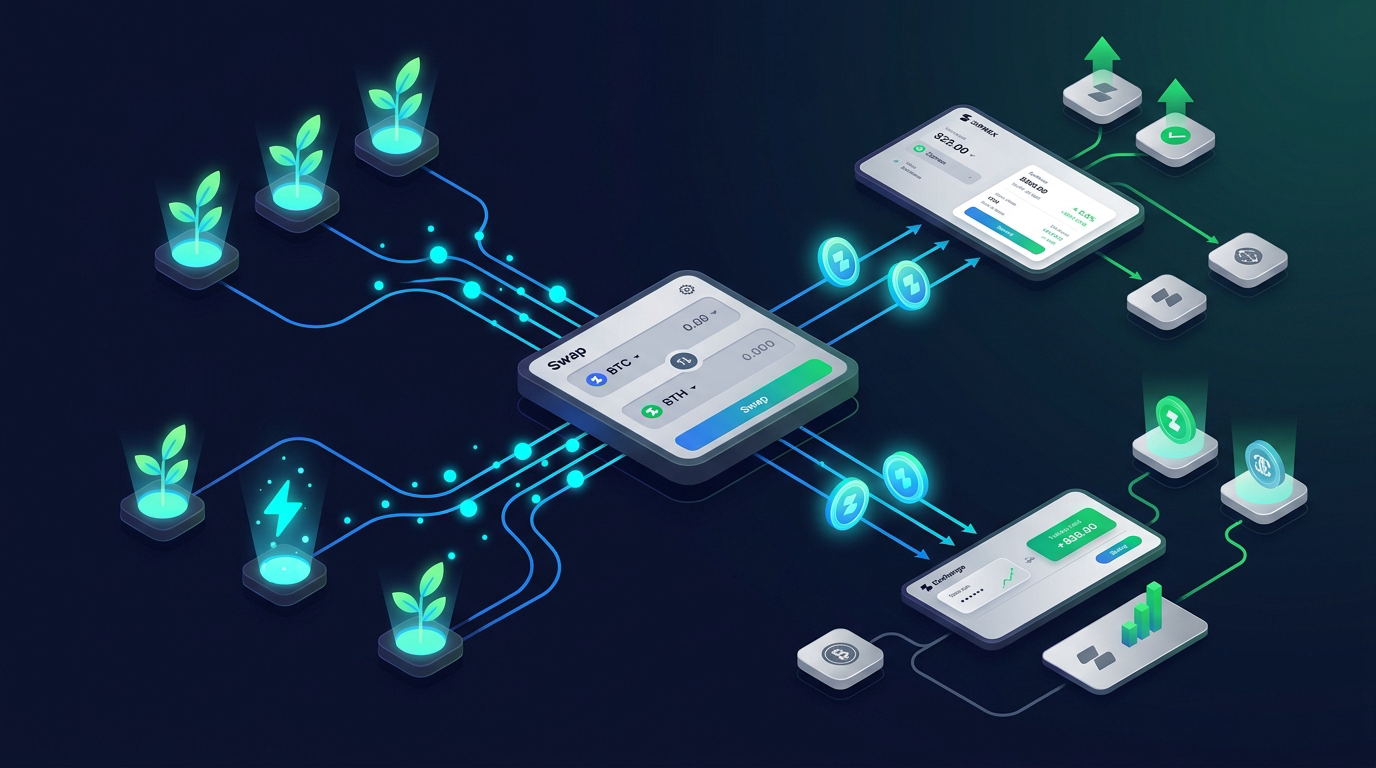
The core loop for most players is: Farm LE → Convert to PVU → Sell on DEX or reinvest into better plants. The conversion rate between LE and PVU fluctuates based on developer parameters - and this is where the most significant tokenomics risk lives.
In September 2021, the developers changed the LE→PVU conversion rate from 150:1 to 500:1 with almost no warning. Players who hadn't converted their accumulated LE before the change lost roughly 3.33x of their expected PVU earnings overnight. That's not ancient history - it's a documented example of how developer-controlled tokenomics can materially affect player ROI without warning. Check the current official conversion rate on the game's Discord announcement channel before converting large LE balances.
PVU tokens currently trade on PancakeSwap, Gate.io, and LBank. Once you have PVU, you can hold, reinvest into NFT plants via the Marketplace, or sell for BNB or USDT at market price.
The staking program is worth understanding as a passive option: players lock PVU tokens for periods ranging from 1 to 120 months across six staking pools, earning a proportional share of monthly platform revenue in GEM and PVU tokens. Longer lock periods correspond to higher revenue share percentages.
Crypto trading and in-game token activities involve substantial risk of loss. Token values are volatile and past earning rates do not guarantee future results. None of the above constitutes financial advice.
Is Plant vs Undead Still Worth Playing in 2026? Honest Assessment
The honest answer is: it depends entirely on why you're playing.
PVU had a spectacular run in late 2021 - the token pumped, NFT land flipped at multiples, and a large community formed around the game. Then the token price crashed, player ROI timelines stretched from "2 months" to effectively infinite, and most of the original cohort quit. That's documented public history.
What's less reported is that development never stopped. The team launched PVU Legacy, introduced PVU Idle (a roguelike farming simulation adding a new gameplay dimension), and released miniPvP mode in beta updates through mid-2024. The roadmap shows additional mechanics are planned, and the community Discord, while smaller than its 2021 peak, remains active.
✓ PROS
Genuine tower defense mechanics with multiple game modes and active ongoing development. Low barrier to entry - Farm Mode costs minimal PVU to start. Multiple earning methods including passive staking. On-chain asset ownership means your plants have real tradeable value outside the game.
✕ CONS
PVU token price is highly volatile - earnings in real terms depend entirely on token value holding. Developer-controlled tokenomics have changed without warning in the past. Some features remain in beta with variable availability. NFT plants bought at peak prices are difficult to recover from.
Red Flags and Risks - What to Watch Out For in Plant vs Undead
NFT games carry a category of risk that traditional gaming doesn't. Before funding a wallet and connecting to PVU, know exactly what you're exposed to.
⚠ Red Flags to Watch For
- Sudden tokenomics changes → the 2021 rate change from 150:1 to 500:1 is the clearest example; developer-controlled conversion rates can change with minimal notice
- Token price dependency → your farm earnings have real-world value only if PVU maintains price; a major token drop cuts your LE harvest value proportionally
- NFT liquidity trap → rare NFT plants purchased at peak prices may be difficult to sell; marketplace liquidity shrinks when community size shrinks
- Phishing wallets and fake PVU interfaces → only interact with the official PVU contract address (verify on BscScan); never connect MetaMask to unofficial clones
- Seed phrase exposure → MetaMask's seed phrase should never be shared with anyone under any circumstances; legitimate game interfaces will never ask for it
Smart contracts governing PVU and LE mechanics are on-chain and auditable - that's one genuine positive. On-chain verifiability means you can inspect transaction history, conversion mechanics, and wallet interactions independently on BscScan without relying on developer claims.
Alternatives to Plant vs Undead - Similar Play-to-Earn Games
If PVU's tokenomics history or current development status gives you pause, these alternatives cover similar ground. The broader NFT gaming ecosystem offers several options worth knowing.
Axie Infinity is the closest structural comparison: NFT creatures, breeding mechanics, battle modes, and a dual-token economy. Some players run both simultaneously as diversified P2E exposure, though that amplifies both the upside and the volatility risk. Plants vs Zombies remains the gold standard for pure tower defense mechanics - no wallet, no gas, no tokenomics.
Conclusion - Is Plant vs Undead the Right Game for You?
Plant vs Undead works as a game. The tower defense mechanics are solid, NFT ownership gives assets real-world tradeable value, and active development through 2024-2026 shows the project hasn't been abandoned. Whether it works as an earning vehicle depends on your entry timing, capital exposure, and willingness to actively monitor tokenomics changes.
The 3-step action path to get started:
⚡ Quick Start: 3 Steps
- Step 1: Set up MetaMask → configure BSC network
- Step 2: Buy minimum 5 PVU on PancakeSwap
- Step 3: Claim your free land and start Farm Mode
PVU represents an earlier generation of P2E mechanics. The broader space is moving toward platforms where yield derives from actual platform activity - trading fees, gaming house edge, and real market-making - rather than token emission cycles. Understanding how PVU's dual-token system works, both its mechanics and its failure modes, is genuinely useful context for anyone navigating the current DeFi gaming ecosystem. Platforms like Zipmex, which generate real yield purely from platform fee activity with no token emissions, show where the industry's architecture is trending: verifiable, self-custodial, and structurally sustainable.
For the plant vs undead game specifically: verify current game status on the official site, start small, and treat your PVU tokens the same way you'd treat any high-volatility DeFi asset - with eyes open.
Last updated: April 2026. Crypto trading and NFT gaming involve substantial risk of loss. Token prices are volatile and past performance does not predict future results. This article does not constitute financial advice.
Frequently Asked Questions
What is Plant vs Undead (PVU)?
Plant vs Undead is a blockchain-based NFT tower defense game running on Binance Smart Chain, inspired by the classic Plants vs Zombies. Players grow NFT plants, defend a Mother Tree from undead waves, and earn tokens through gameplay. Every plant is a real NFT asset tradeable on the in-game marketplace. The game operates on a dual-token system - PVU tokens for asset purchases and Light Energy (LE) as the in-game utility currency. The current live version is called PVU Legacy.
How do you start playing Plant vs Undead for the first time?
Starting requires three things: a MetaMask wallet configured for Binance Smart Chain, a small amount of BNB for gas fees, and at least 5 PVU tokens purchased via PancakeSwap. Once your wallet is funded, navigate to the official PVU website, connect MetaMask, convert PVU to Light Energy using the in-game swap tool, claim your free land plots, and buy starter tools from the Shop. The entire setup process takes under 30 minutes if you follow each step in sequence.
What is the PVU token and what is it used for?
PVU is the native BEP20 cryptocurrency token powering the Plant vs Undead economy on Binance Smart Chain. It's used to purchase NFT plants, seeds, and other assets from the in-game Marketplace. Players also convert PVU into Light Energy to buy farming tools. Earned LE can be converted back to PVU and then sold on decentralized exchanges including PancakeSwap, Gate.io, and LBank. The PVU token also has a staking program where holders earn a share of platform revenue.
What is Light Energy (LE) in the plant vs undead game?
Light Energy (LE) is the in-game utility token used to purchase farming tools, plant seeds, and interact with the ecosystem. You earn LE by harvesting mature plants after their approximately 120-hour growth cycle, or by completing daily quests - specifically, watering 15 other players' plants per day. LE converts to PVU through the in-game converter at a rate set by the developers. Monitor the current conversion rate in the official Discord before making large conversions, as rates have changed significantly in the past.
Is Plant vs Undead still active in 2026?
Yes - the game remains operational as PVU Legacy, with active development updates including PVU Idle and miniPvP modes released in 2024 betas. The community Discord is active, though smaller than the 2021 peak. Development announcements continue on the project's official X (formerly Twitter) account. Player count reflects the broader P2E sector contraction since 2021, so expectations around earning should be calibrated to the current token price rather than 2021 peak valuations.
What are the biggest risks of playing Plant vs Undead?
The primary risks are tokenomics-related. PVU token price volatility means your farm's LE output has fluctuating real-world value. Developer-controlled conversion rates can change with minimal notice - the 2021 rate change from 150:1 to 500:1 demonstrated this directly. NFT plants bought at high prices may not sell at comparable values later if community size shrinks. Smart contract phishing risks apply to all BSC dApps. Enter with clear expectations and only allocate capital you're prepared to lose entirely.
How do you convert PVU tokens to Light Energy?
Inside the Plant vs Undead game interface, locate the blue swap button in the upper-right corner of the screen. Click it, select "PVU TO LE," and confirm the transaction in MetaMask. The conversion rate fluctuates over time - historically ranging from 1 PVU = 70 LE to 1 PVU = 105 LE, though these numbers change based on developer parameters. Always check the current rate in the game interface or official Discord announcements before converting significant LE balances.