The term "P2P" appears everywhere in crypto - from the Bitcoin whitepaper to the trading interface on your favorite exchange. But what is P2P crypto, and why does it matter for the way you buy, sell, and transfer digital assets?
⚡ Quick Answer
P2P (peer-to-peer) in crypto means buying, selling, or transferring digital assets directly between two people without a centralized middleman handling the trade. A blockchain protocol is the set of rules that governs how data is validated and recorded on a decentralized network. Together, P2P architecture and protocols form the backbone of every cryptocurrency.
This glossary guide breaks down both concepts - peer-to-peer trading and blockchain protocols - so you can understand how crypto actually moves from one wallet to another, whether you are a first-time buyer or a seasoned trader looking to explore decentralized alternatives.
Peer to Peer Meaning in Crypto
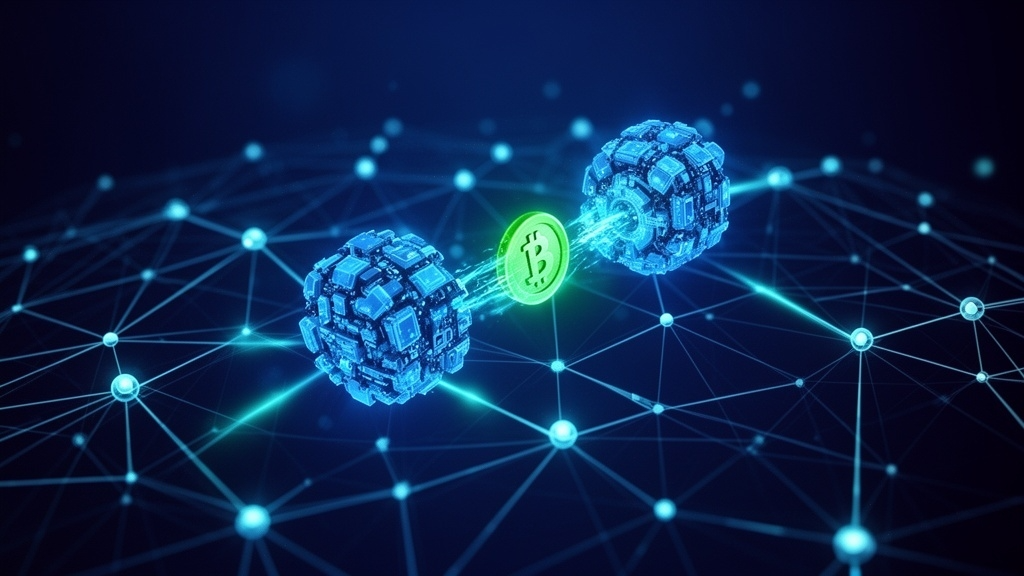
In a peer-to-peer network every participant - called a "node" - can act as both a client and a server. There is no single point of control. When Satoshi Nakamoto published the Bitcoin whitepaper in 2008, the very title was "Bitcoin: A Peer-to-Peer Electronic Cash System," making P2P the founding principle of cryptocurrency itself.
In everyday crypto usage the term has two overlapping meanings. First, the underlying network architecture: Bitcoin and most other blockchains run on a P2P network where thousands of nodes validate and relay transactions without relying on a central server. Second, P2P trading: a method of buying and selling crypto directly with another person, typically through a marketplace that connects buyers and sellers while holding funds in escrow until both sides confirm the deal.
Both meanings share the same core idea - removing the middleman and letting participants interact directly.
How P2P Crypto Works
Understanding how P2P crypto works requires looking at the transaction lifecycle. On the network level, when you send Bitcoin to a friend, your wallet broadcasts a signed transaction to neighboring nodes. Those nodes verify the signature and relay the transaction further until a miner (or validator) includes it in a new block. No bank, no payment processor - just cryptography and consensus rules.
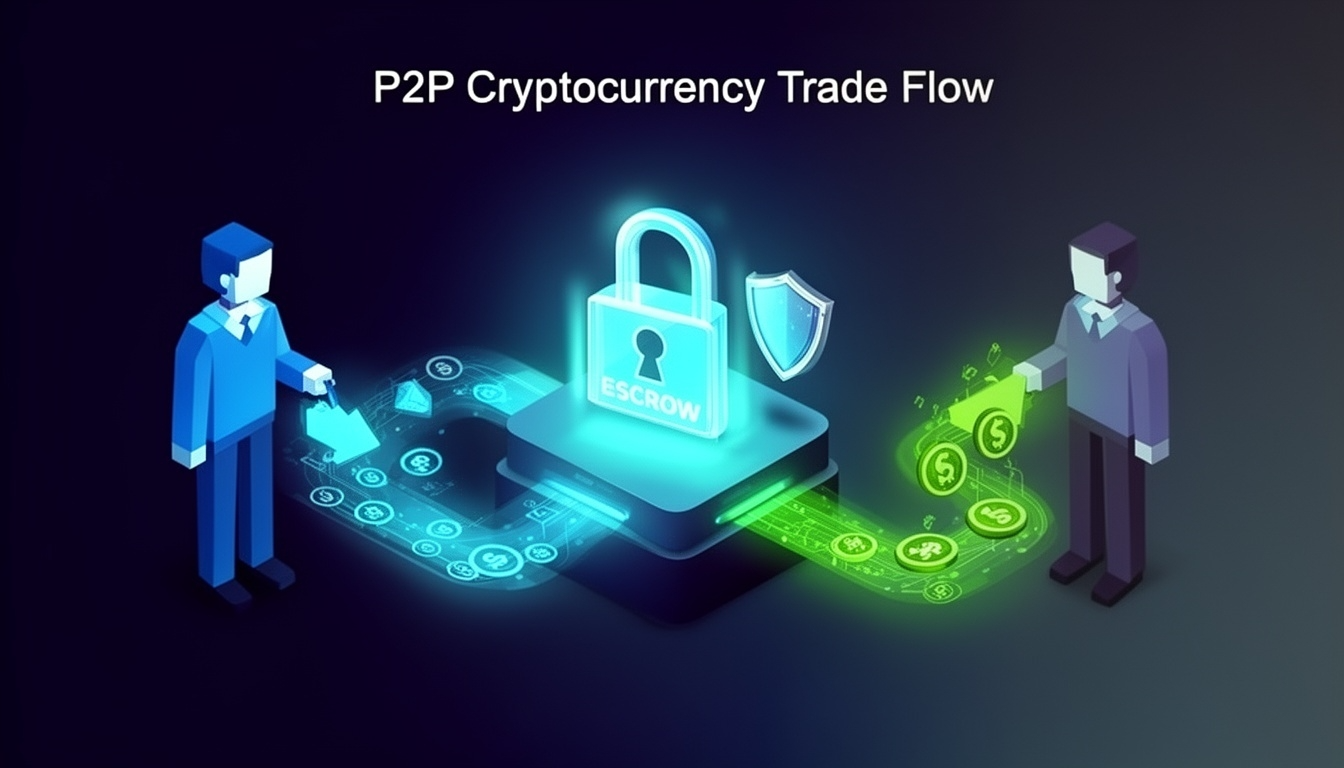
On a P2P trading platform the flow adds a safety layer. A buyer posts an offer or browses existing listings. Once buyer and seller agree on a price and payment method, the platform locks the seller's crypto in an escrow smart contract. The buyer sends fiat payment (bank transfer, mobile money, or even cash). After the seller confirms receipt, the escrow releases the crypto to the buyer's wallet. If a dispute arises, the platform's arbitration team steps in.
The Role of Escrow in P2P Trading
Escrow is what separates a modern crypto P2P exchange from sending money to a stranger and hoping for the best. The platform temporarily holds the seller's cryptocurrency in a secure wallet or smart contract that neither party can access unilaterally. Only when preset conditions are met - payment confirmed, timer expired, or dispute resolved - does the escrow release or return the funds. This mechanism dramatically reduces counterparty risk and is the reason platforms such as Binance P2P and KuCoin P2P can facilitate millions of trades with relatively low fraud rates.
What Is a Blockchain Protocol?
A blockchain protocol is the complete set of rules, procedures, and standards that define how a decentralized network operates. Think of it as the "constitution" of a blockchain - it dictates how transactions are formatted, how nodes communicate, how consensus is reached, and how new blocks are added to the chain.
Every cryptocurrency runs on a protocol. Bitcoin's protocol specifies a 10-minute average block time, a 21-million-coin hard cap, and Proof-of-Work consensus. Ethereum's protocol (post-Merge) uses Proof-of-Stake, produces blocks roughly every 12 seconds, and supports programmable smart contracts. These rules are enforced by every node on the network, which is why changing a protocol requires broad community agreement - otherwise known as a hard fork.
Protocols also encompass the networking layer (how nodes discover and talk to each other), the data layer (how transactions and blocks are structured), and the application layer (how wallets and DeFi apps interact with the chain). When analysts say "blockchain protocol," they usually mean all of these layers working together.
Layer 1 vs Layer 2 Protocol
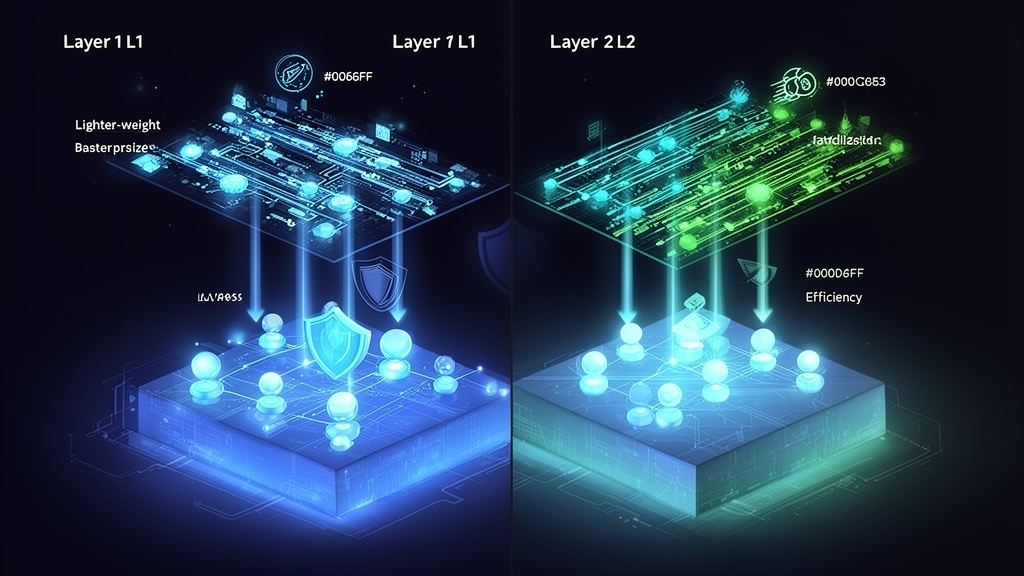
The distinction between layer 1 and layer 2 is one of the most important concepts in modern crypto infrastructure. A Layer 1 (L1) protocol is the base blockchain itself - Bitcoin, Ethereum, Solana, and BNB Chain are all Layer 1 networks. They handle consensus, security, and final settlement.
A Layer 2 (L2) protocol is built on top of an L1 to improve speed, lower fees, or add functionality without changing the base chain. Ethereum's ecosystem illustrates this clearly: rollups such as Arbitrum, Optimism, and Base bundle hundreds of transactions off-chain, then post a compressed proof back to Ethereum for final settlement. The result is dramatically lower gas fees and higher throughput while inheriting Ethereum's security guarantees, according to Ethereum.org.
For Bitcoin, the Lightning Network serves as its primary L2, enabling near-instant micropayments by opening payment channels between users. Both approaches preserve the decentralized, P2P nature of the underlying network while solving scalability bottlenecks.
P2P Trading Explained: Step by Step
If you have never used a P2P platform before, the process is simpler than it sounds. Here is a typical flow for buying crypto via P2P:
Create an Account and Verify Your Identity
Sign up on a P2P platform (Binance, KuCoin, OKX, etc.) and complete KYC verification. This step protects both parties and is required by most reputable platforms.
Browse or Post an Offer
Choose the crypto you want (BTC, USDT, ETH), your local fiat currency, and a payment method. Review available offers sorted by price, completion rate, and available amount.
Initiate the Trade and Lock Escrow
Once you select an offer and start the trade, the seller's crypto is locked in escrow. You now have a time window to send the fiat payment using the agreed method.
Send Payment and Confirm
Transfer fiat to the seller's bank account or payment app. Mark the payment as complete on the platform and, if required, upload proof of transfer.
Receive Your Crypto
Once the seller verifies the fiat payment, the escrow releases the cryptocurrency to your wallet. The entire process typically takes 5 to 30 minutes.
Crypto P2P Exchange: Top Platforms in 2026
Several major exchanges offer dedicated P2P marketplaces. The most widely used include Binance P2P, KuCoin P2P, OKX P2P, Bybit P2P, and MEXC P2P. Each varies in supported fiat currencies, payment methods, fee structures, and geographic availability. Binance P2P remains the largest by user base, supporting over 100 payment methods and dozens of local currencies according to Binance's 2025 year-in-review report.
Binance P2P
Binance P2P deserves a closer look because of its scale. In 2025, Binance's combined Fiat and P2P volume grew 38% year-over-year, and the platform processed a total of $34 trillion in trading volume across all products during the same year. The P2P section charges zero trading fees for takers in most regions, which makes it especially popular in emerging markets where banking access is limited. Users can trade BTC, USDT, ETH, BNB, and several other tokens against local fiat via bank transfer, mobile wallets, and cash deposit.
P2P vs Exchange: Key Differences
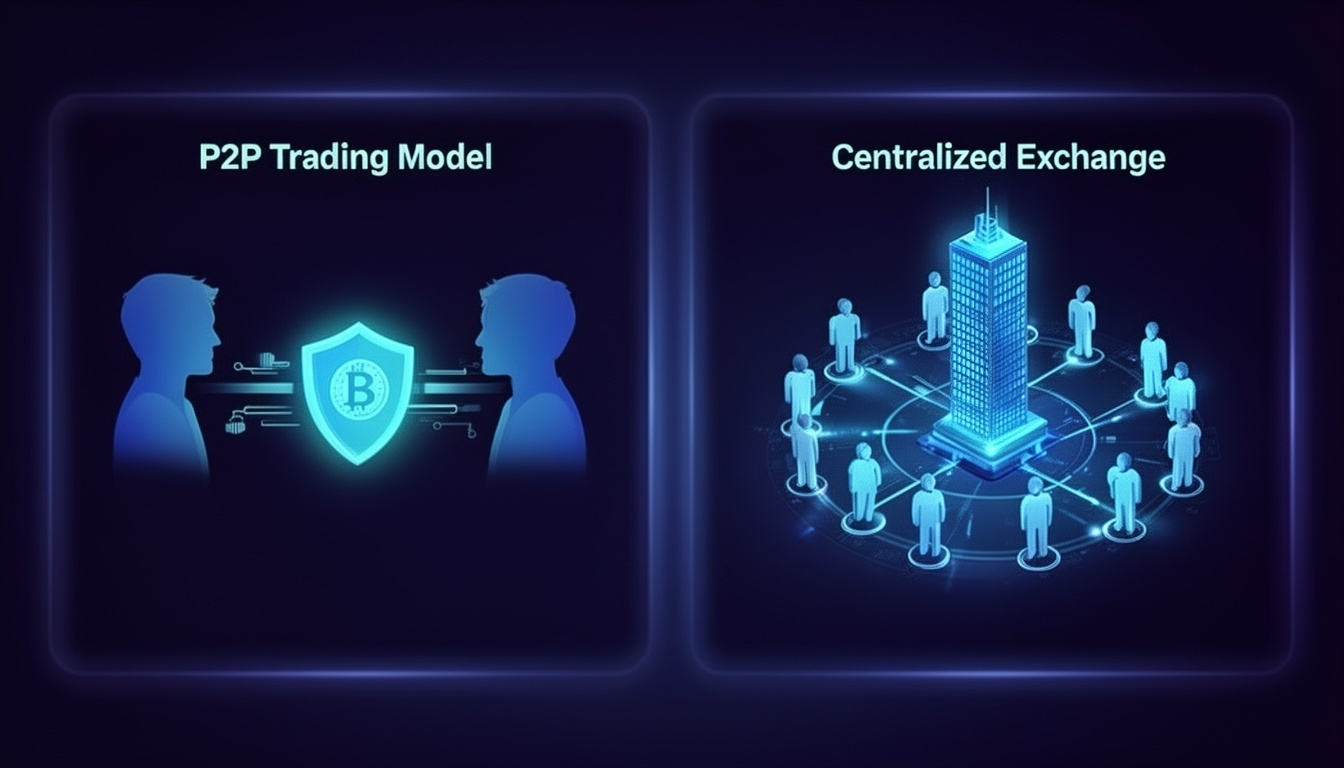
The phrase "P2P vs exchange" is slightly misleading because many centralized exchanges now include a P2P marketplace. The real comparison is between order-book (centralized) trading and P2P marketplace trading. Here is how they differ:
In practice many traders use both: P2P to convert local fiat into USDT, then the centralized order book to trade USDT against altcoins. This hybrid approach combines the payment flexibility of P2P with the speed and liquidity of an order book.
How to Stay Safe on P2P Platforms
P2P trading offers flexibility, but it also requires vigilance. According to Chainalysis, an estimated $17 billion was stolen in crypto scams and fraud in 2025, with impersonation tactics showing 1,400% year-over-year growth. While not all of those losses occurred on P2P platforms specifically, the statistics underline why safety habits matter.
⚠ Risk Warning
Never release crypto from escrow until you have confirmed the fiat payment in your own bank account or wallet - not just a screenshot from the buyer. Fake payment confirmations are among the most common P2P scams.
Follow these best practices to protect yourself. First, use reputable platforms with built-in escrow - do not trade directly via social media or messaging apps. Second, only trade with verified users who have a high completion rate and positive feedback history. Third, keep all communication on the platform so that dispute resolution teams can review the conversation if something goes wrong. Fourth, enable two-factor authentication on your exchange account. Fifth, be wary of offers that deviate significantly from the market price - an unusually good deal is often bait for a scam.
If you are new to crypto altogether, consider starting with a beginner-friendly learning path before committing real money to P2P trades.
🎯 Key Takeaways
- P2P in crypto refers to both the underlying network architecture (nodes communicating directly) and the trading model (buyer and seller transacting without a centralized order book).
- A blockchain protocol is the full ruleset - consensus, data structures, networking - that governs how a chain operates. Layer 1 is the base chain; Layer 2 builds on top for speed and lower cost.
- P2P trading typically offers lower fees and more payment options than order-book trading, but is slower and requires extra caution around scams.
- Escrow is the critical safety mechanism that makes P2P trading practical - always use platforms that offer it.
- Binance P2P remains the largest P2P marketplace, with Fiat and P2P volume growing 38% in 2025.
Frequently Asked Questions
Is P2P crypto trading safe?
P2P trading can be safe when you use reputable platforms with escrow protection, verified counterparties, and two-factor authentication. The main risks come from trading on unverified platforms or ignoring red flags such as unusually low prices. Always confirm fiat payment in your own bank account before releasing crypto.
What is the difference between P2P and a centralized exchange?
On a centralized exchange the platform matches buy and sell orders automatically via an order book and holds user funds. In P2P trading, buyers and sellers negotiate directly, and the platform only provides an escrow service and dispute resolution. P2P typically has lower fees and more fiat payment methods but slower execution.
What is a blockchain protocol in simple terms?
A blockchain protocol is the rulebook that all nodes on a network follow. It defines how transactions are verified, how new blocks are created, and how participants reach consensus. Bitcoin, Ethereum, and Solana each have their own distinct protocol.
What is the difference between Layer 1 and Layer 2?
Layer 1 is the base blockchain (Bitcoin, Ethereum) that handles security and final settlement. Layer 2 is a secondary framework built on top of L1 - like Arbitrum or the Lightning Network - that processes transactions faster and cheaper while periodically posting proofs back to the base chain.
Can I use P2P to buy crypto with cash?
Yes. Many P2P platforms list sellers who accept in-person cash payments or cash deposits at a bank. This is one of the major advantages of P2P over traditional exchange on-ramps, especially in regions where banking access is limited.
What fees does P2P trading have?
Most major P2P platforms charge zero trading fees for takers. Makers (those who post offers) may pay a small fee, typically 0 - 0.1%. However, the advertised crypto price on P2P often includes a small margin set by the seller, so the effective cost is baked into the spread rather than listed as a separate fee.
Conclusion
P2P architecture is not a bolt-on feature - it is the reason cryptocurrency exists. From the Bitcoin whitepaper's vision of a peer-to-peer electronic cash system to the modern P2P marketplaces that let you swap fiat for USDT in minutes, the concept of direct, trustless exchange runs through every layer of the crypto stack. Meanwhile, blockchain protocols are the invisible rules that keep these networks honest, whether at Layer 1 or Layer 2.
Whether you plan to diversify your crypto portfolio or simply buy your first Bitcoin using a local payment method, understanding what P2P means and how protocols work gives you the foundation to navigate the space with confidence.
Ready to Start Trading Crypto?
Explore top digital assets on Zipmex - simple, secure, and beginner-friendly.
Start Trading Now →⚠ Disclaimer: The information provided in this article is not intended to provide investment or financial advice. Investment decisions should be based on the individual's financial needs, objectives, and risk profile. We encourage readers to understand the assets and risks before making any investment entirely. Cryptocurrency investments are subject to high market risk. Past performance does not guarantee future results.