When Bitcoin hit $126,210 in October 2025 then fell to around $76,000 by April 2026, thousands of traders faced the same question: is this a dip worth buying, or is it a falling knife? Buying the dip in crypto can be one of the smartest moves a trader makes - or one of the costliest mistakes. The difference comes down to strategy, not luck.
⚡ Quick Answer
Buying the dip means purchasing a crypto asset after its price drops temporarily, expecting it to recover. The key is distinguishing a healthy pullback (10-20% correction) from a prolonged bear market. Smart dip-buyers use tools like RSI, support levels, and dollar-cost averaging to time entries - and always set stop-losses to cap downside.
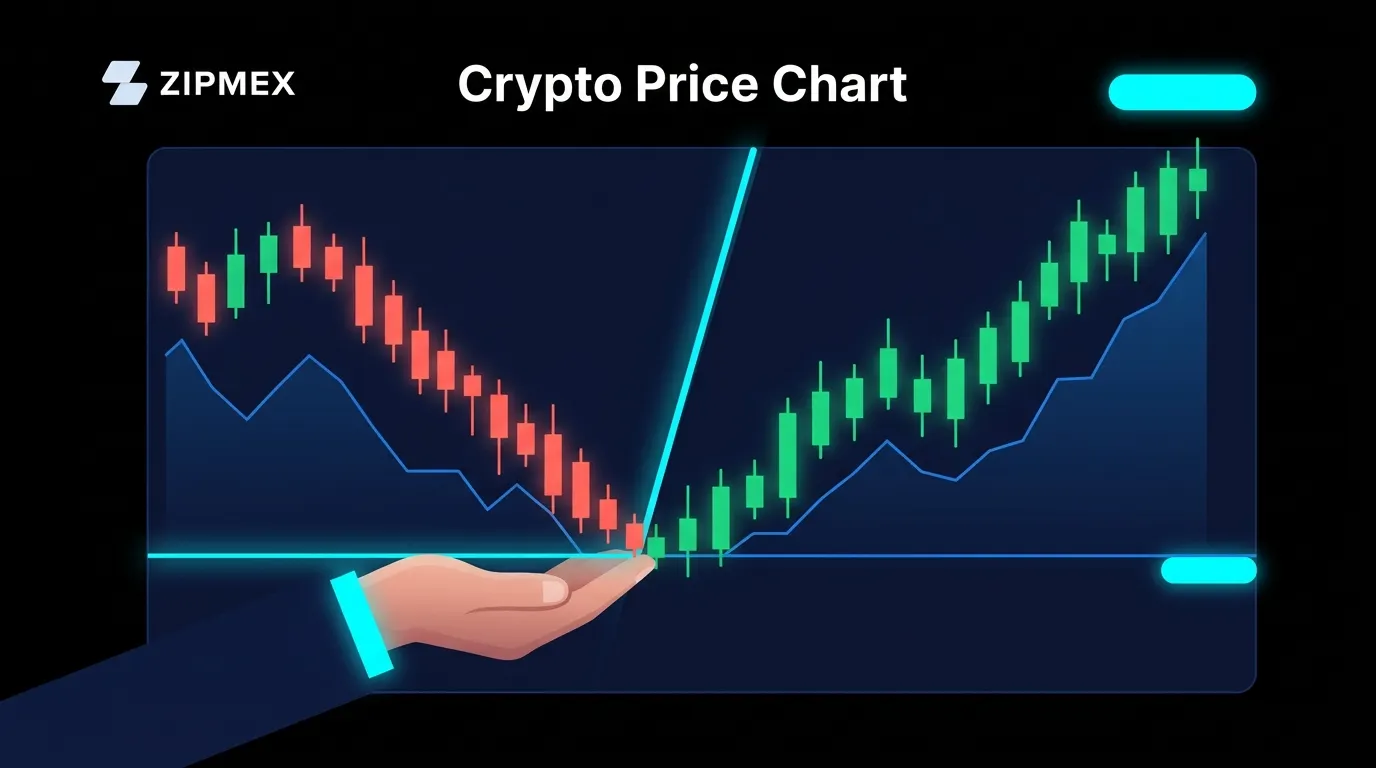
What Does "Buy the Dip" Mean in Crypto? 🎯
Buying the dip is the practice of purchasing a digital asset after its price experiences a temporary decline, with the expectation that it will recover and move higher. Think of it as the crypto equivalent of a flash sale - prices are lower today than they were last week, and you believe they'll be higher again in the future.
The phrase has become a cultural shorthand in crypto communities, but the logic behind it is as old as investing itself: buy low, sell high. The challenge is identifying what counts as "low."
Dip vs. Correction vs. Crash: Know the Difference
Not every price drop is a buying opportunity. Understanding what type of decline you're looking at is the first step:
For context: Bitcoin's 2022 cycle saw it fall from ~$69,000 to ~$16,000 - a 77% drawdown. Anyone who "bought the dip" at $50,000 had to wait years. That's not a dip - that's a bear market.
When to Buy the Dip in Crypto: How to Spot a Real Opportunity 🔍
Buying the dip in crypto without a plan is just gambling. Smart traders use a combination of technical signals to confirm whether a drop is a temporary pullback or the beginning of a deeper decline.
RSI & Oversold Signals
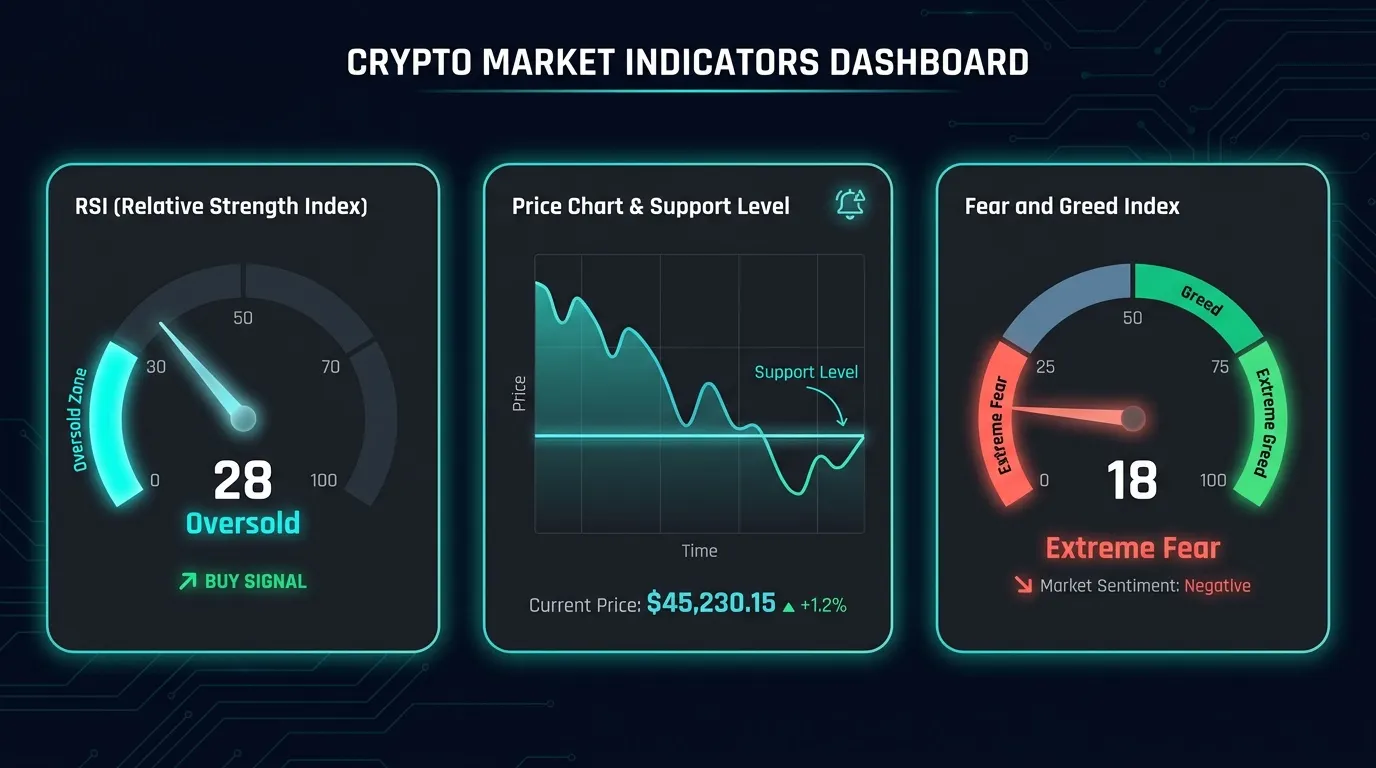
The Relative Strength Index (RSI) measures momentum on a 0-100 scale. An RSI below 30 is traditionally considered "oversold" - meaning sellers may be exhausted and a reversal could be near.
Support Levels and Moving Averages
Support levels are price zones where buyers have historically stepped in. When Bitcoin dips to a well-established support zone, it tends to bounce. Key moving averages to watch:
- 50-day MA - identifies mid-term trend momentum; dips to this level in bull markets are often buying opportunities
- 200-day MA - the macro floor; BTC's 200-day MA near $89,000 remained a key level through early 2026
Fear & Greed Index
The crypto Fear & Greed Index measures market sentiment from 0 (Extreme Fear) to 100 (Extreme Greed). Historically, readings below 20 (Extreme Fear) have coincided with excellent buying opportunities for long-term holders. It's not a precise timer, but combined with technical signals, it gives powerful context.
Best Strategies to Buy the Dip in Crypto 💼
There's no single correct way to buy the dip in crypto, but a few approaches consistently outperform emotional, impulsive entries.
Strategy 1: Dollar-Cost Averaging (DCA)
Dollar-cost averaging is the practice of investing a fixed amount at regular intervals, regardless of price. It's the most accessible and beginner-friendly dip-buying strategy.
Set your total budget
Decide how much you're willing to invest in total - an amount you can afford to hold through volatility without panic-selling.
Divide into tranches
Split into 5-10 equal portions. For example, $500 becomes five $100 buys. You buy more coins when prices are low, fewer when prices are high - automatically lowering your average cost.
Buy at regular intervals during the dip
Execute your planned buys every few days or every 5-10% of additional price decline. This removes the pressure of trying to nail the exact bottom.
Set your stop-loss before you buy
Decide in advance what level would signal the dip has turned into a crash. Place a stop-loss order there so you exit automatically - not emotionally.
Strategy 2: Limit Orders at Key Support Levels
Instead of buying at market price, place limit orders at predetermined support zones. When Bitcoin approaches its 200-day moving average or a major historical support level, set limit orders 2-5% below to catch potential wicks down.
This is how institutional players operate. In August 2024, as Bitcoin dropped 28%, spot Bitcoin ETFs saw net inflows exceeding $245 million mid-week - institutions were placing orders at planned levels, not reacting emotionally.
The Real Risks of Buying the Dip in Crypto ⚠
⚠ Risk Warning
Buying the dip is not a guaranteed profit strategy. In 2022, Bitcoin fell from $69,000 to $16,000. Anyone who "bought the dip" at $40,000 lost 60% before seeing a recovery - which took nearly two years. A dip in a bear market is not a buying opportunity - it's a trap. Always size positions you can hold through further downside.
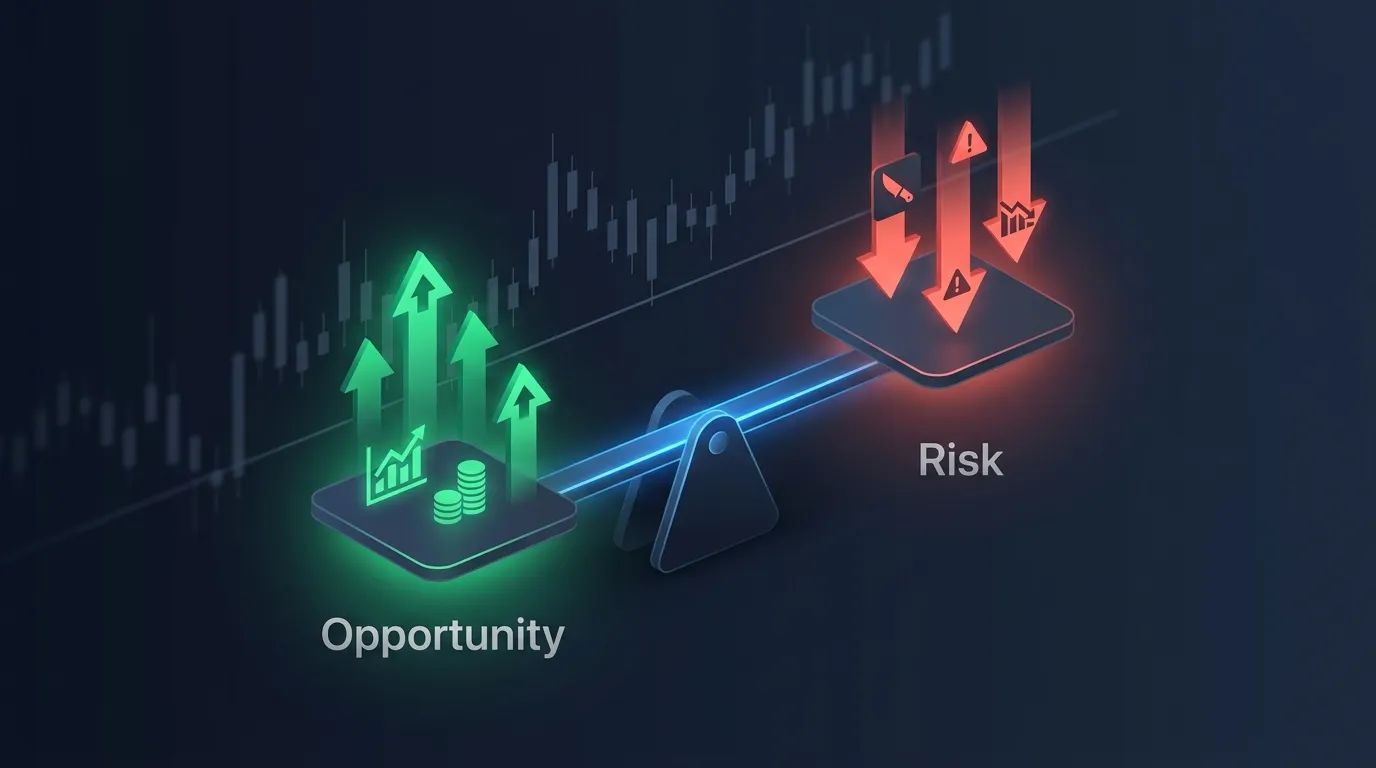
The biggest risk in buying the dip is what traders call "catching a falling knife" - entering during a sharp decline that continues to fall. Here's how to avoid the most common mistakes:
Buy the Dip vs. DCA: What's the Difference? 🔄
These two strategies are often confused - and they can work together. Here's the key distinction:
The best approach for most crypto investors? A hybrid: use dollar-cost averaging as a baseline, then increase position size on significant dips (15-30%+ corrections) when technical signals align.
Best Cryptos to Buy the Dip in 2026 🏆
Not all cryptocurrencies are equal candidates for dip-buying. The strategy works best with assets that have demonstrated long-term recovery potential:
📈 Best Dip-Buying Candidates in 2026
- Bitcoin (BTC): The most resilient asset. Every major dip in Bitcoin's history - including the 2022 crash from $69k to $16k - has eventually been followed by new highs. [Circulating supply is now 20M of the 21M max](https://www.coingecko.com/en/coins/bitcoin), reinforcing scarcity.
- Ethereum (ETH): The leading smart contract platform. Deep ETH dips have historically been strong accumulation points for long-term holders.
- Large-cap altcoins: Assets with real utility, strong developer activity, and deep liquidity. Avoid meme coins and low-cap tokens during broad market corrections - they can fall 90%+ without recovering.
Real-world example: El Salvador purchased 500 BTC for approximately $15 million in 2022. By 2025, those coins were worth over $40 million - a $25 million gain from disciplined dip-buying during extreme fear. Meanwhile, in August 2024 when Bitcoin dropped 28%, spot ETFs saw $245 million in net inflows - institutions putting pre-planned capital to work.
🎯 Key Takeaways
- A dip is a 5-20% temporary decline in an uptrend - not a bear market that drops 50-80% over months.
- Use RSI below 30, support level bounces, and the Fear & Greed Index below 20 as confirmation signals.
- DCA is the safest dip-buying strategy: split capital into tranches and buy gradually, never all-in.
- Focus on BTC and ETH during broad crashes. Altcoins are higher-risk dip buys with uncertain recovery timelines.
- Always set a stop-loss before entering. Know exactly at what price the trade is wrong - before emotions get involved.
Frequently Asked Questions ❓
What does "buy the dip" mean in crypto?
Buying the dip means purchasing a cryptocurrency after its price has dropped temporarily, with the expectation that it will recover. The strategy assumes the asset has strong fundamentals and the price decline is a short-term event rather than a fundamental deterioration. It's the crypto version of "buy low, sell high."
Is buying the dip in crypto risky?
Yes - all crypto investment carries risk, and buying the dip is no exception. The main danger is that what looks like a dip turns out to be the beginning of a prolonged bear market. Bitcoin fell 77% in 2022. Using dollar-cost averaging, stop-losses, and focusing on large-cap assets significantly reduces (but does not eliminate) this risk.
How do I know if a crypto dip is worth buying?
Look for multiple confirming signals: an RSI reading below 30, a price touching a well-established support level, and a Fear & Greed Index reading below 20. The dip is more likely worth buying if the overall macro trend is bullish, if the asset has strong fundamentals, and if there's no project-specific negative news driving the drop.
What is the best strategy for buying the dip?
Dollar-cost averaging (DCA) is the most beginner-friendly and risk-managed approach. Instead of committing all capital at once, split it into 5-10 portions and buy at regular intervals or each time the price drops an additional 5-10%. This approach smooths out your average cost and removes the impossible challenge of timing the exact bottom.
What is the difference between buying the dip and DCA?
Buying the dip is opportunistic - you wait for a price decline and enter. Dollar-cost averaging is systematic - you invest a fixed amount at regular intervals regardless of price. Most experienced traders use a hybrid: DCA as a baseline, with larger purchases on significant dips confirmed by technical signals.
Conclusion ✅
Buying the dip in crypto can be a powerful strategy - but only when executed with discipline, not emotion. The difference between a profitable dip-buy and a costly mistake comes down to one thing: knowing whether the market is in a temporary pullback or a structural decline.
Use RSI, support levels, and the Fear & Greed Index to build your case. Deploy capital in tranches using DCA - never all at once. Focus on assets with proven recovery histories (BTC, ETH). And always set a stop-loss before you enter.
The best dip-buyers don't try to catch every bottom. They build a plan when markets are calm, and execute it without hesitation when the red candles come.
Related reading
ZIPMEX promotes trading on trade.zipmex.com. Promotions are labelled and kept separate from news coverage, which is selected and checked without regard to them. Perpetual futures are leveraged derivatives. Prices can move fast and you can lose all of your margin. Not available in every jurisdiction. Not investment advice.