If you've been wondering how to create, buy and sell NFTs but don't know where to start - you're in the right place. The process is simpler than most tutorials suggest, and in 2026 you don't need coding skills or a large budget to get started.
⚡ Quick Answer
To create an NFT, you need a crypto wallet, a digital file, and an NFT marketplace like OpenSea or Zora - minting can be done for free using lazy minting. To buy an NFT, connect your wallet to a marketplace, fund it with ETH or SOL, and complete the purchase. To sell an NFT, list it at a fixed price or auction on any supported marketplace and set your royalty percentage.
The NFT market has matured significantly since the 2021-2022 peak. Today, NFTs represent digital ownership across gaming, music, art, and community memberships - with practical tools that make the barrier to entry lower than ever. Whether you want to mint your first artwork or buy into an established collection, this guide covers every step with current 2026 data.
🎨 What Is NFT Minting? Understanding the Basics
Before you create, buy, or sell anything, it helps to understand what "minting" actually means. Minting an NFT is the process of publishing a unique digital token on a blockchain - essentially converting your digital file into a verified, ownable asset recorded permanently on-chain.
Each NFT uses smart contract standards like ERC-721 (unique tokens) or ERC-1155 (semi-fungible tokens) on Ethereum. These standards define how ownership is stored, transferred, and verified. Once minted, every buy/sell transaction becomes part of a permanent public record.
For retail collectors looking to evaluate the baseline valuation drivers of digital art collections, studying the historical genesis tokens that initiated the profile-picture movement offers indispensable structural clarity. These early collections demonstrated that community-driven network effects could command premium asset status completely independent of traditional gallery vetting structures. To discover the origins of this token standard and explore why specific pixelated assets command multi-million dollar valuations, follow our expert case study on what is CryptoPunk and why they are so expensive.
The good news: in 2026, you don't need to understand smart contracts to mint your first NFT. Modern platforms handle all of this automatically.
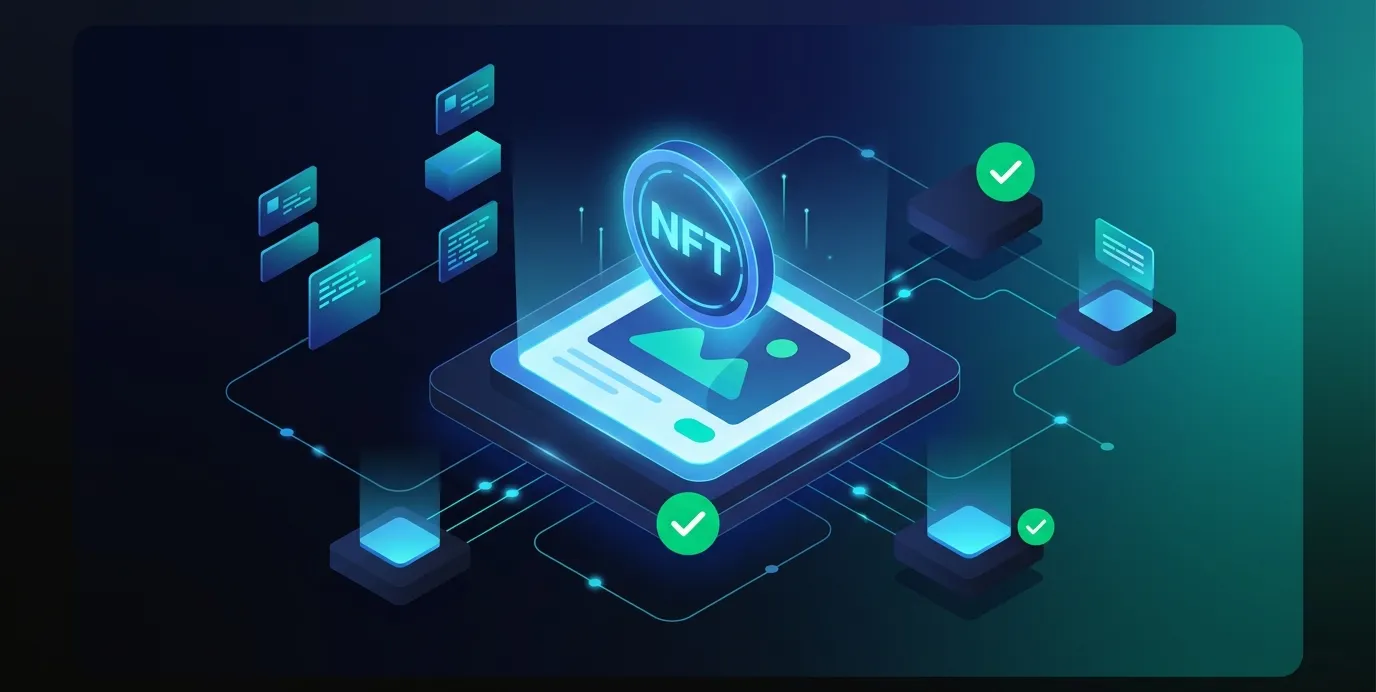
🛒 Best NFT Marketplace 2026: Where to Create, Buy and Sell
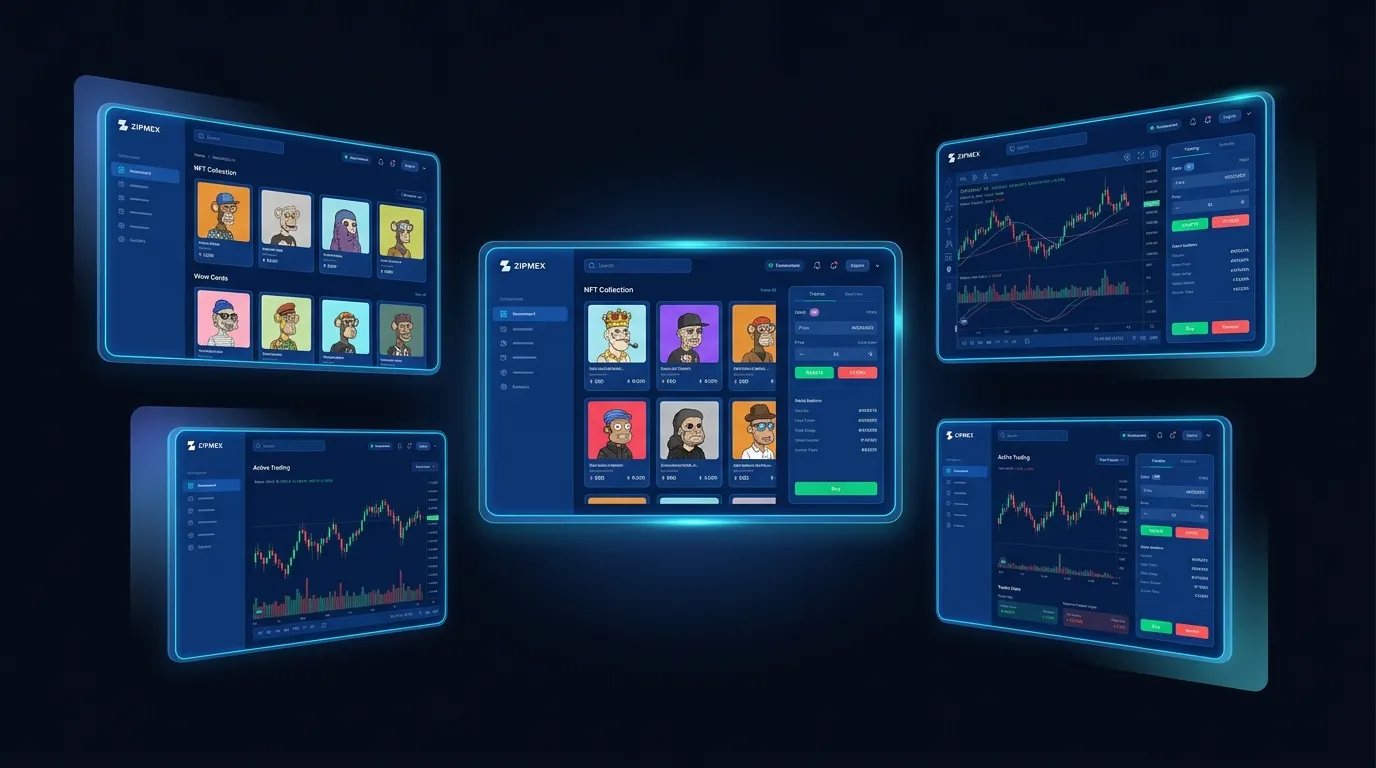
Choosing the right marketplace determines your fees, your audience, and how easy the whole process is. According to Zipmex's NFT marketplace guide, the top platforms in 2026 differ significantly by focus and fee structure.
OpenSea remains the world's largest peer-to-peer NFT marketplace, supporting over 80 million NFTs across 20+ blockchains. It's the most beginner-friendly platform with the widest audience reach. Blur has become the dominant platform by trading volume with $7.4 billion in total GMV and zero marketplace fees - but it's built for experienced traders, not creators.
While general automated aggregators cater predominantly to volume transfers of multi-edition profile pictures, fine-art creators typically rely on exclusive, single-edition curation environments to capture high-net-worth investor groups. Choosing a marketplace with highly selective artist onboarding procedures helps ensure that published collections are preserved as cultural milestones rather than low-effort speculative products. You can review one of the most prominent premium infrastructure networks in our comprehensive handbook on the SuperRare NFT platform: complete expert guide 2026.
For creators launching their first NFT, Zora on Base network is the standout choice in 2026: fully gasless minting, no marketplace fee, and your NFT appears across compatible platforms immediately.
🔗 How to Create an NFT for Free: Step-by-Step Guide
Creating an NFT in 2026 takes under 15 minutes on the right platform. Here's the complete process using Zora - the easiest and cheapest option for beginners in 2026.
Step 1: Choose Your Blockchain
Your blockchain choice determines your wallet, gas fees, and which marketplaces you can access.
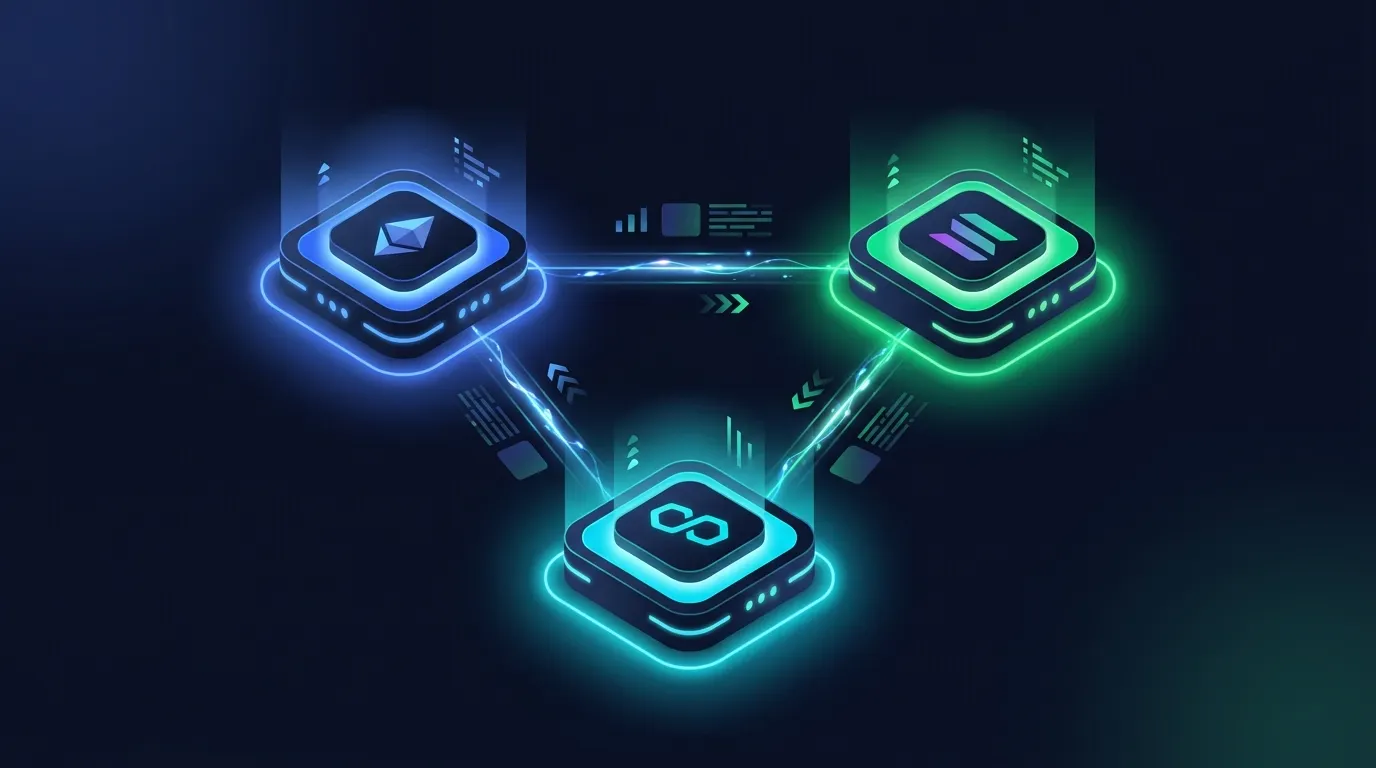
For beginners, Polygon and Base (via Zora) are the best starting points. Ethereum offers the deepest liquidity and most established collections - but gas fees during peak times can reach $20-80+ per transaction. On Solana, the same operation averages around $0.00025.
Step 2: Set Up a Crypto Wallet
MetaMask (Ethereum, Polygon, Base)
The industry standard browser extension and mobile app. Integrates with virtually every Ethereum-compatible marketplace. Download at metamask.io, create a new wallet, and immediately write down your seed phrase offline.
Phantom Wallet (Solana)
The go-to wallet for Solana NFTs. Clean interface, fast, and natively supported across Solana's marketplace ecosystem including Magic Eden. Setup takes under five minutes.
⚠ Seed Phrase Security
Write your seed phrase on paper - never store it digitally. No cloud drives, no notes apps, no emails. No legitimate marketplace or support team will ever ask for your seed phrase. Anyone who does is attempting theft.
Step 3: Prepare Your Digital File
Supported formats vary by platform, but most major marketplaces accept: JPG, PNG, GIF (images), MP4, MOV (video), MP3, WAV (audio), and GLB, GLTF (3D models). Make sure you own the rights to whatever you're minting.
Beyond traditional visual files and digital illustrations, smart contract framework configurations are increasingly being adopted by independent creators to tokenize complex audio formats and interactive fan experiences. This alternative monetization channel enables musicians to escape streaming platform intermediary dependencies and capture primary ledger royalties natively during every secondary market transaction. To learn how automated on-chain registries are restructuring the music industry distribution tracks, browse our complete music NFTs explained: complete artist & fan guide 2026.
Your metadata matters more than most new creators realise. Each NFT contains embedded information including title, description, properties, and royalty percentages. Think of your metadata as sales copy: it shapes trust, search visibility inside marketplaces, and buyer confidence.
Step 4: Mint Your NFT on Zora (Free)
Connect Wallet to Zora
Visit zora.co and click "Connect" in the top right. Select MetaMask and approve the connection. No email registration required - your wallet is your login. You don't need any cryptocurrency to start.
Upload Your File
Click "Create" and upload your digital file. Add your title, description, and any properties or traits. Use clear names and short, specific descriptions - these are searchable inside the marketplace.
Set Royalties
Configure your royalty percentage - this is what you earn from every secondary market sale. Data shows that 5-7.5% royalties optimise for trading velocity, generating higher total income over time.
Mint (Gas Sponsored by Zora)
Click "Mint" and confirm in your wallet. On Zora's Base Network, Zora sponsors the gas fee - your NFT is minted on-chain immediately, for free. It will appear across compatible marketplaces right away.
Learn more about the full minting process and fee breakdown in our dedicated free minting guide.
💳 How to Buy NFT on OpenSea: Step-by-Step for Beginners
Buying an NFT in 2026 takes under five minutes once your wallet is set up.
Before You Buy: What You Need
You need three things before your first purchase: a compatible wallet (MetaMask for Ethereum, Phantom for Solana), cryptocurrency loaded into that wallet, and an account on your chosen marketplace.
🎯 Key Takeaways Before Buying
- Always verify the NFT's contract address against official sources - fraudulent collections are common
- Gas fees are unavoidable on Ethereum - budget $5-80+ depending on network congestion
- Once you confirm a transaction on-chain, it cannot be reversed
- NFTs are illiquid assets - there's no guarantee of finding a buyer when you want to sell
How to Buy an NFT on OpenSea - Step by Step
Step 1: Fund your wallet. Buy ETH from a trusted exchange, then transfer it to your MetaMask wallet. Make sure to account for gas fees on top of the NFT price itself.
Step 2: Connect to OpenSea. Go to opensea.io and click "Connect Wallet." Select MetaMask and approve the connection. OpenSea will create your profile automatically.
Step 3: Find your NFT. Browse collections or search by name. Before buying any NFT, verify its contract address matches the official project source. Look at the collection's price history, floor price, and trading volume.
Step 4: Choose your buying mode. OpenSea supports three purchase modes: Fixed price ("Buy Now") - you pay the listed price immediately. Collection bid - you offer a price for any NFT in that collection. Auction - the NFT goes to the highest bidder by a set deadline.
Step 5: Confirm the transaction. Click "Buy Now" (or place your bid), then confirm the transaction popup in MetaMask. Once confirmed, the NFT transfers to your wallet permanently.
💰 How to Sell NFT Step by Step: Pricing and Listing Guide
Whether you created an NFT or purchased one, selling follows the same core process across most platforms.
Listing Your NFT for Sale
Navigate to your NFT in your marketplace profile, click "Sell" or "List for Sale," and choose your format: fixed price or timed auction. Fixed price works better for first-time sellers. Auctions work better when you already have an audience.
Set your price by checking comparable sales data. New creators typically start with floor prices between 0.01-0.05 ETH ($25-$125 at 2026 rates) to establish an initial sales history.
Once you acquire a validated cryptographic asset, modern financial layer integrations allow you to unlock capital efficiency from your collections without being forced to initiate a secondary spot sale. Emerging credit layers facilitate undercollateralized peer-to-peer and peer-to-protocol loans where unique digital deeds act as transparent on-chain security stored securely inside automated escrow vaults. For a deep practical breakdown of how to use your digital collectibles to generate immediate liquidity pools, explore our comprehensive lesson on what is NFT lending and how to lend assets with examples.
Understand the Fee Structure Before You List
- Marketplace fee: 0% (Blur, Zora) to 2.5% (OpenSea, Rarible)
- Creator royalty (secondary sales): 5-10% goes to the original creator
- Gas fee: Paid by buyer on most platforms, but not always
Setting royalties at 5-7.5% is generally optimal - data shows this rate maximises trading velocity, resulting in higher total lifetime royalty income.
What Happens After the Sale
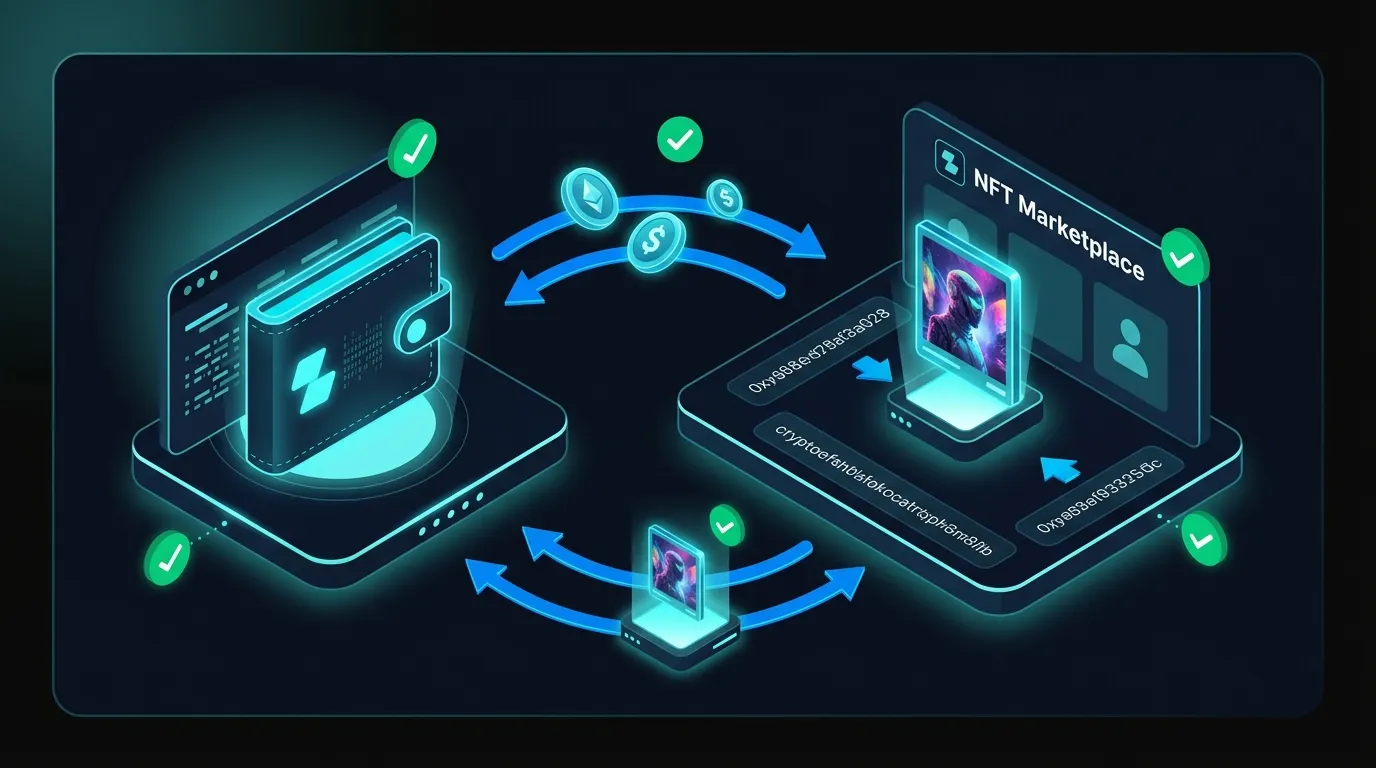
Once a buyer purchases your listed NFT, the marketplace automatically handles the transfer: ETH (or SOL) goes to your wallet, the NFT transfers to the buyer's wallet, and royalties are distributed to the original creator. Settlement happens in seconds to minutes.
If you own NFTs you're not actively selling, you might also explore NFT lending as a way to unlock liquidity without giving up ownership - a feature growing in popularity in 2026 DeFi.
🔒 How to Store Your NFTs Safely
Your NFT is held in your crypto wallet, which means wallet security equals NFT security. For everyday use, MetaMask (Ethereum/Polygon) and Phantom (Solana) are the standard options. For storing high-value NFTs long-term, a hardware wallet - Ledger or Trezor - is the right move.
Always verify where the NFT's metadata and media file are stored. NFTs stored on IPFS or Arweave are more resilient than those pointing to regular web links - if the hosting server goes down, a conventional URL-based NFT can lose its media permanently.
🎯 Key Takeaways
- Create: Use Zora (gasless, free) or OpenSea (lazy minting) for your first NFT - no coding required
- Buy: Verify the contract address, budget for gas fees, and treat NFTs as high-risk speculative assets
- Sell: Set royalties at 5-7.5%, start with competitive floor pricing, promote your listing actively
- Store: Use a hardware wallet for high-value NFTs, ensure metadata is on IPFS/Arweave
- Polygon and Base are the lowest-cost chains for beginners; Ethereum offers the highest liquidity
Conclusion
Learning how to create, buy and sell NFTs is no longer a niche skill - it's a foundational part of participating in the digital economy in 2026. The tools have matured dramatically. You can mint your first NFT for free on Zora in under 15 minutes, buy into a collection on OpenSea with a few clicks, and list your assets for sale with zero coding knowledge.
The market has cooled from the 2021-2022 frenzy, but that's good news for serious participants. Projects with genuine utility, strong communities, and authentic creators are the ones retaining and building value. Whether you're an artist, collector, or just NFT-curious - start small, apply the due diligence checklist from this guide, and secure your wallet properly before anything else.
For a deeper dive into how the broader NFT ecosystem works, check out our guide on Polygon as a low-cost NFT minting network and what makes NFTs valuable to investors.
Frequently Asked Questions
What is NFT minting and does it cost money?
NFT minting is the process of publishing a unique digital token on a blockchain. In 2026, it doesn't have to cost anything - platforms like Zora on Base offer fully gasless minting where Zora sponsors the transaction fee. OpenSea and Rarible offer lazy minting, where the gas fee is paid by the first buyer, not the creator.
How to buy NFT on OpenSea step by step?
To buy on OpenSea: (1) Set up a MetaMask wallet and fund it with ETH, (2) Connect your wallet to opensea.io, (3) Browse collections and verify the contract address before purchasing, (4) Click "Buy Now" or place a bid, (5) Confirm the transaction in MetaMask. The NFT transfers to your wallet immediately after confirmation.
How to sell an NFT you own?
Go to your profile on the marketplace where the NFT is held, find the NFT, and click "Sell" or "List." Choose a fixed price or auction, set your price based on comparable sales, and confirm the listing transaction. You'll receive payment in cryptocurrency directly to your wallet when it sells.
How to create an NFT for free in 2026?
Use Zora on Base Network - it offers completely gasless minting where Zora sponsors the transaction fee. Alternatively, use OpenSea or Rarible's lazy minting, where your NFT is listed for free and the gas is only charged when someone buys it. Either way, you need no upfront cryptocurrency to get started.
Best NFT marketplace for beginners in 2026?
For creators: Zora (free, gasless). For buyers and collectors: OpenSea (largest selection, 80M+ NFTs, beginner-friendly). For Solana NFTs: Magic Eden (near-zero gas fees, gaming-focused). For professional traders: Blur (zero marketplace fees, $7.4B GMV, advanced analytics).
What are NFT gas fees and how do I avoid them?
Gas fees are network processing fees paid to blockchain validators. On Ethereum, they range from under $5 during quiet periods to $50-150+ during peak demand. To minimise them: use lazy minting (buyer pays), switch to Polygon or Solana (near-zero fees), or use Zora on Base (sponsored/free). Timing transactions during off-peak hours also helps.
⚠ Disclaimer: The information provided in this article is not intended to provide investment or financial advice. Investment decisions should be based on the individual's financial needs, objectives, and risk profile. We encourage readers to understand the assets and risks before making any investment entirely. Cryptocurrency investments are subject to high market risk. Past performance does not guarantee future results.
ZIPMEX promotes trading on trade.zipmex.com. Promotions are labelled and kept separate from news coverage, which is selected and checked without regard to them. Perpetual futures are leveraged derivatives. Prices can move fast and you can lose all of your margin. Not available in every jurisdiction. Not investment advice.