You've heard that people earn real money by playing video games. Gaming tokens are the reason that's possible. This guide breaks down exactly what they are, how they work, and whether they're worth your time in 2026.
⚡ Quick Answer
Gaming tokens are blockchain-based digital assets built into crypto games - functioning as in-game currency, governance votes, or play-to-earn rewards. Unlike traditional in-game money, they live in your crypto wallet and can be traded on exchanges like Zipmex for real value. The GameFi sector holds a combined market cap of over $4.66 billion as of 2026.
What Are Gaming Tokens?
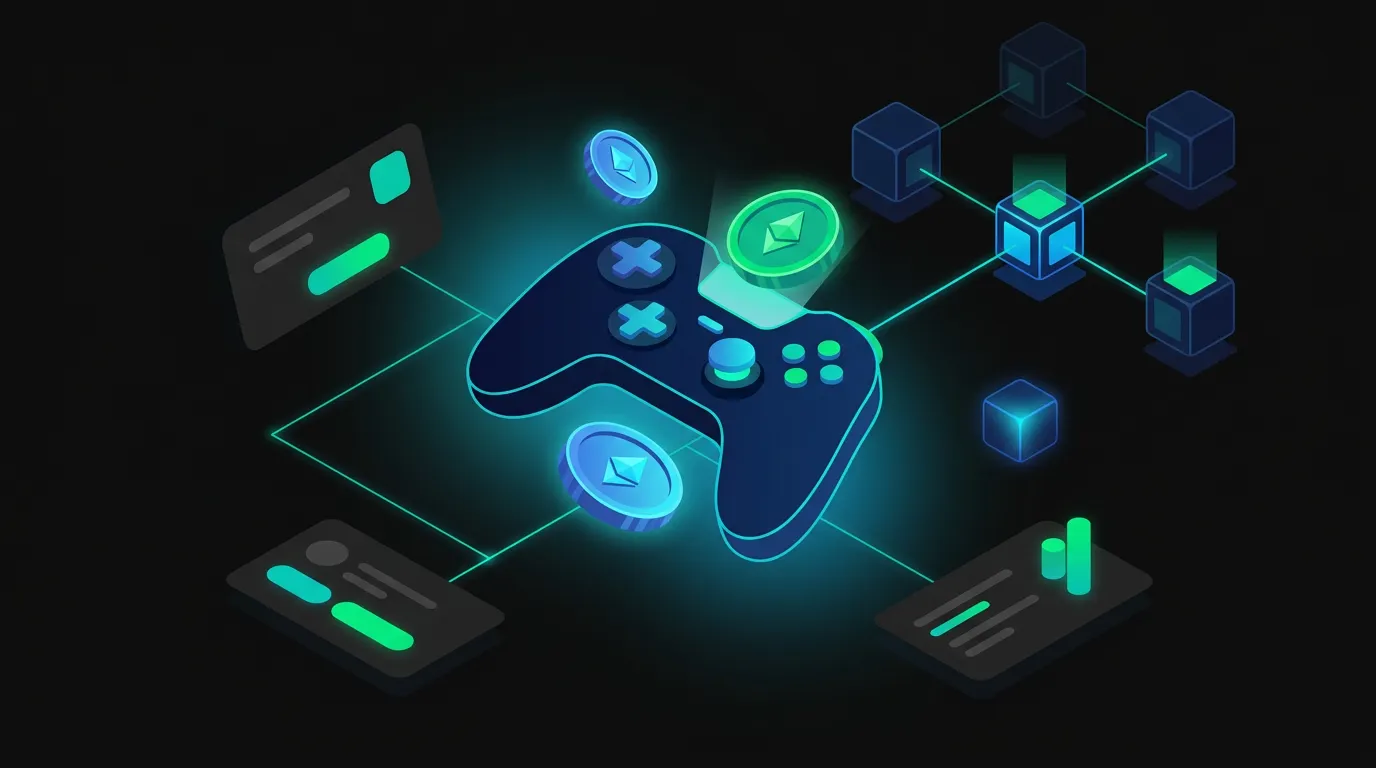
Gaming tokens are cryptocurrencies built specifically for blockchain-powered games. They are the native economic unit of what's broadly called GameFi - the fusion of gaming mechanics with decentralised finance.
Here's the key difference from a traditional game: when you spend V-Bucks in Fortnite or gold in World of Warcraft, that currency stays locked inside that game forever. It has zero value outside the platform, and if the game shuts down, everything you earned disappears. Gaming tokens work differently. They're stored on a public blockchain - Ethereum, Ronin, Immutable zkEVM, BNB Chain, Solana - as real digital assets in your crypto wallet. You can sell them on exchanges, transfer them to other players, or hold them as investments.
The integration of digital assets into the gaming experience is a key driver of the broader movement toward a more decentralized, user-owned internet. This architectural shift ensures that value is distributed among participants rather than being hoarded by centralized platforms. To get a deeper understanding of the technology making this possible, read our comprehensive guide on web 3.
Every transaction - earning a token for completing a quest, selling an NFT character, staking for yield - is recorded on-chain with no central server able to override it. That's what "true ownership" means in the blockchain gaming context.
How Do Gaming Tokens Work? The Two Main Types
Not all gaming tokens work the same way. Understanding the difference is essential before you invest time or money into any GameFi project.
Utility Tokens (In-Game Currency)
Utility tokens function like the in-game currency you already know from traditional games - but tradeable on external markets. They're used for purchasing items, unlocking characters, paying in-game transaction fees, or accessing premium content.
The most famous example is SLP (Smooth Love Potion) in Axie Infinity. Players earn SLP by winning battles and completing daily quests. SLP is then spent to breed new Axie creatures - creating real in-game demand - and any surplus can be sold on exchanges. Gaming utility tokens are typically inflationary by design: the game continuously mints more as players earn, so the economy's health depends entirely on whether spending (sinks) balances earning (emissions).
Managing the supply and demand of high-emission utility tokens is one of the greatest challenges for game developers. For players, understanding the technical indicators and market cycles of these rewards is essential for maximizing their time-to-value ratio. We recommend exploring our expert Smooth Love Potion (SLP) price prediction and tokenomics deep dive to better understand the volatility associated with in-game rewards.
Governance Tokens (Voting Rights)
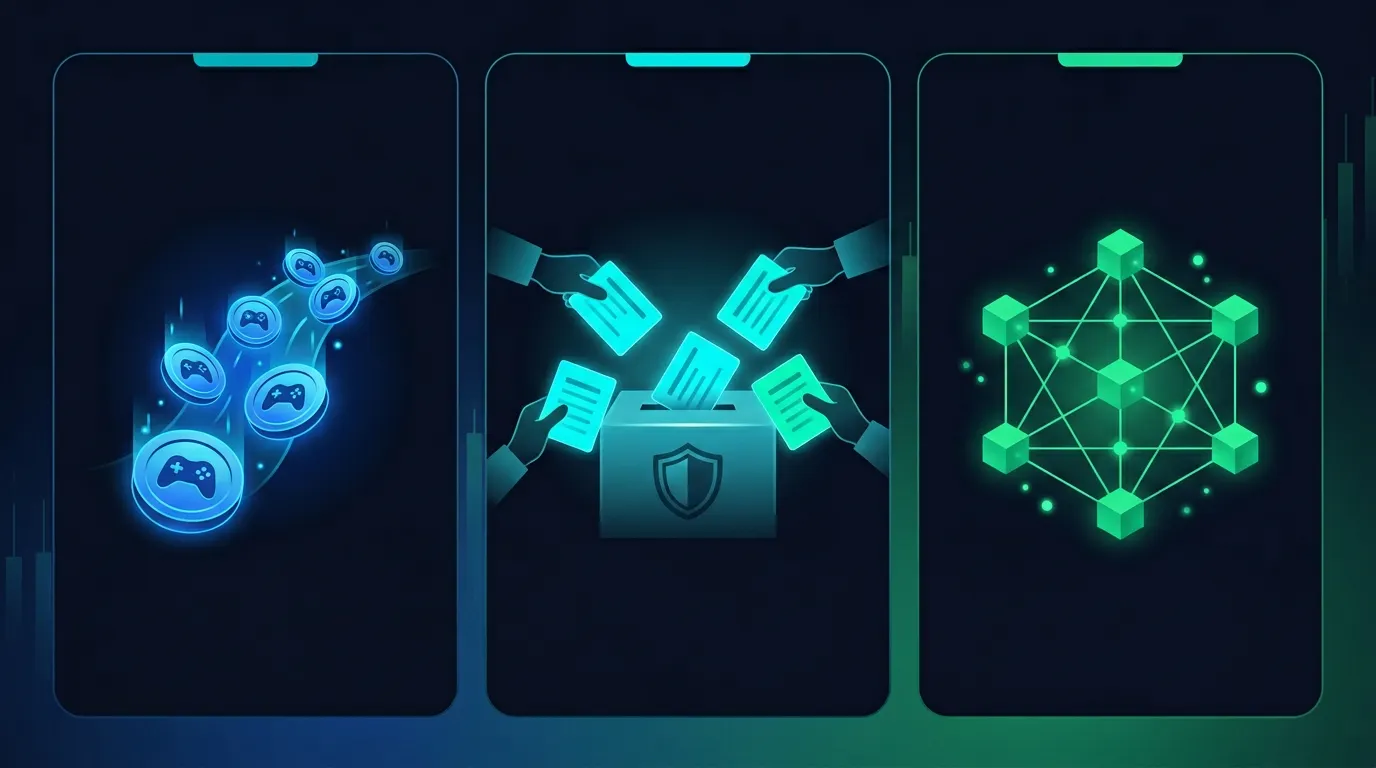
Governance tokens give holders the power to vote on how a game evolves: which features get built, how the economy is adjusted, where the treasury funds go. AXS (Axie Infinity Shards) is the best-known example - holders stake AXS to earn rewards and vote on ecosystem proposals. GALA in the Gala Games ecosystem works similarly, letting node operators and players influence which games receive funding from the platform.
Governance tokens tend to be deflationary by design (limited supply, buyback mechanics) and generally hold value better than pure utility tokens during market downturns.
Infrastructure Tokens (Ecosystem Play)
A third type is worth knowing: gaming infrastructure tokens that power entire blockchains built for gaming. IMX (Immutable) is the primary example - it's the native token of Immutable zkEVM, a Layer-2 network enabling gas-free NFT minting across 680+ games including Gods Unchained, Guild of Guardians, and Illuvium. IMX captures value from the whole ecosystem rather than a single title, making it less volatile than individual game tokens.
Top Gaming Tokens in 2026
The GameFi sector holds over $4.66 billion in total market cap as of May 2026, according to CoinGecko. Here are the most established gaming tokens worth knowing, selected based on market cap, active development, and real gameplay.
🎮 Top Gaming Tokens (May 2026)
IMX (Immutable)
~$0.70
Market Cap: ~$1.36B
AXS (Axie Infinity)
~$2.14
Market Cap: ~$357M
GALA (Gala Games)
~$0.0155
Market Cap: ~$715M
SAND (The Sandbox)
~$0.30
Metaverse platform token
IMX is the native token of Immutable - a Layer-2 blockchain built specifically for gaming and NFTs on Ethereum. Using ZK-rollup technology, it enables gas-free NFT minting and fast transactions across 680+ games, according to Immutable's ecosystem data. The SEC formally closed its investigation into Immutable in March 2025 with zero findings of wrongdoing. IMX is considered the most stable infrastructure play in GameFi.
AXS powers Axie Infinity - the game that defined play-to-earn. After a brutal correction from its $165 all-time high in 2021, the team rebuilt around Axie Origins and a more sustainable dual-token economy. AXS functions as both governance and staking token; SLP handles day-to-day earning emissions. Entry cost has dropped to $30-$150 for a starter Axie team.
GALA powers the multi-game Gala Games ecosystem - founded by Zynga co-founder Eric Schiermeyer - across games, music, and film platforms. The platform is migrating to its own GalaChain to reduce fees. GALA is earned through gameplay and node operation.
SAND is the primary token of The Sandbox metaverse, where players build, own, and monetise virtual land. LAND parcels are NFTs on Ethereum, generating value through rental income, appreciation, and SAND staking yield. This is more of a creator-economy play than a traditional game token.
Since SAND serves as both a medium of exchange for virtual land and a governance tool for the platform's DAO, its long-term performance is a major benchmark for the health of the entire metaverse sector. Investors looking for specific technical targets and adoption milestones should consult our SAND price prediction 2026-2030 expert analysis before finalizing their long-term position.
How to Earn Gaming Tokens in Crypto
There are four main earning models in the blockchain gaming space in 2026. Each suits a different type of player.
Play-to-Earn (P2E)
The original model: earn tokens by completing quests, winning battles, and hitting milestones. Axie Infinity's Bounty Board distributes approximately 25,000 AXS weekly to active players, according to official Sky Mavis documentation. Earning is real, but typically modest - most casual players earn $15-50/month equivalent, while top-ranked competitive players can earn $500-5,000+ per season through esports prize pools.
Staking and Asset Rental
Many GameFi crypto tokens can be staked in governance pools for yield independent of gameplay. In metaverse platforms like The Sandbox, LAND owners rent virtual real estate to creators and event organisers - earning SAND without touching the game. Scholarship arrangements work similarly: NFT owners lend assets to players and collect a percentage of earnings.
Node Operation
Gala Games rewards GALA tokens to node operators who help run the network. Node ownership requires capital upfront but generates passive GALA income based on network activity.
Creator Economy
Platforms like The Sandbox offer VoxEdit (3D asset creator) and Game Maker (in-game world builder) - allowing designers to build experiences, sell assets, and monetise creations. This model has grown significantly heading into 2026 as creator tooling matured.
🎯 Key Takeaways
- Gaming tokens can be traded on crypto exchanges - they have real monetary value outside the game.
- Two core types: utility tokens (spending currency) and governance tokens (voting + staking).
- Infrastructure tokens like IMX offer diversified exposure across entire gaming blockchains.
- The GameFi sector has a combined market cap of $4.66B+ in 2026, led by IMX, GALA, and AXS.
- Play-to-earn is real, but earnings vary widely - casual players earn modest amounts; top competitors can earn significantly more.
What Are Crypto Gaming Coins vs Gaming Tokens?
People often use "gaming coins" and "gaming tokens" interchangeably, but there's a technical distinction worth knowing.
Coins are native assets of their own blockchains. ETH runs the Ethereum blockchain; SOL runs Solana. They are the fundamental currency of a network. Tokens, by contrast, are created on top of existing blockchains using smart contracts. AXS is a token - it runs on Ethereum/Ronin, not on its own chain. GALA is a token running on GalaChain (an EVM-compatible network). IMX runs on Immutable zkEVM, which itself is built on Ethereum.
In practice, the gaming industry uses "gaming tokens" for both - and most assets you interact with in crypto games are technically tokens, not coins. Regardless of terminology, the key property is the same: they can be held in your wallet, traded on exchanges, and transferred freely. For a deeper explanation, see our guide on what is a token.
Gaming Token Use Cases Beyond Play-to-Earn
The narrative around gaming tokens used to be almost entirely about earning. In 2026, the use cases are broader and more mature.
In-Game Purchases: Buy items, unlock characters, upgrade equipment, pay marketplace fees - all using the game's native token as currency.
Governance and Community: Governance token holders vote on game development decisions, treasury spending, and economic policy changes. This shifts power from developers to the player community - a radical departure from traditional game studios.
NFT Ownership: NFTs represent unique in-game assets: characters, land, weapons, skins. Unlike regular game items, NFTs can be sold on external marketplaces (OpenSea, Blur, game-specific DEXes) and - in some ecosystems - used across multiple games.
Interoperability: Some tokens function across multiple titles within the same ecosystem. GALA works across the entire Gala Games catalogue. IMX powers transactions across all 680+ games on Immutable. This cross-game utility gives tokens durability beyond any single game's success or failure.
As gaming ecosystems become more interconnected, the tokens powering them often act as the economic lifeblood for entire virtual civilizations. These assets facilitate not just gameplay, but virtual commerce and social governance across vast 3D landscapes. You can find a detailed analysis of the infrastructure projects leading this space in our updated ranking of the top metaverse coins to buy and their 2026 potential.
Initial Game Offerings (IGOs): Early investors can participate in IGO launches to fund gaming projects and receive tokens before they hit exchanges - similar to an ICO but for gaming-specific projects.
Risks of Gaming Tokens
Honesty matters here. Gaming tokens carry specific risks that generic crypto doesn't.
⚠ Risk Warning
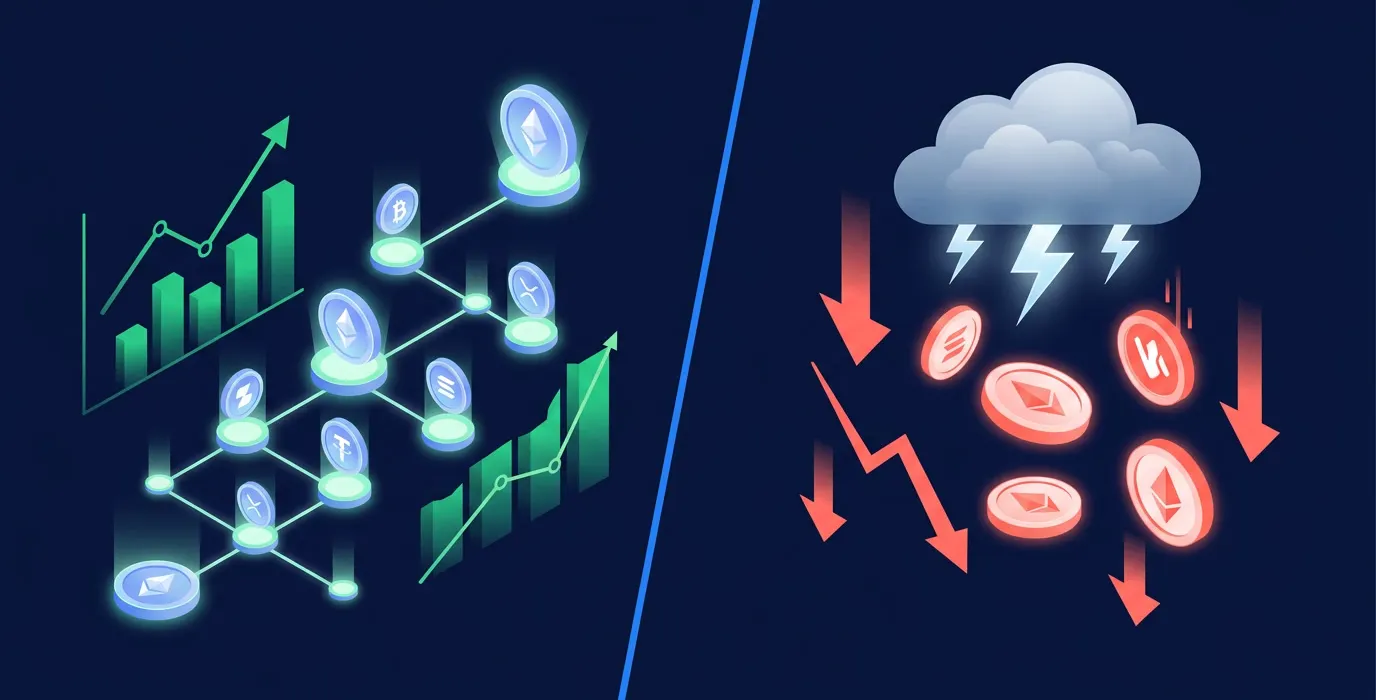
Gaming tokens can lose 90-99% of their value when a game loses players, as happened with AXS (down from $165 ATH to under $3 as of 2026) and GALA (down 99% from $0.82 ATH). Always research tokenomics and verify team credibility before investing.
Inflation risk: Utility tokens are minted as rewards. If more tokens are earned than spent in-game, the price falls. Unsustainable P2E economies collapsed exactly this way in 2022-2023. Look for games with active token "sinks" - places where tokens are consumed and removed from supply.
Game dependency: A token is only valuable if the game has active players. One bad update, a competing title, or a team exit can wipe demand overnight. Infrastructure tokens (IMX) are less exposed to this risk than single-game tokens (SLP).
Smart contract risk: Gaming contracts are complex. Bugs, exploits, and rug pulls are more common in newer projects. Always check whether a game's smart contracts have been audited - and verify the audit on CertiK's official platform directly, as fake audit claims circulate.
Regulatory risk: Regulators in multiple jurisdictions are actively examining whether P2E tokens constitute securities. The SEC's March 2025 closure of its Immutable investigation without action was a positive signal, but the regulatory environment remains evolving.
📈 Bullish Factors for Gaming Tokens in 2026
- Immutable ecosystem growth: 680+ games live on Immutable zkEVM - a genuine network effect with real developer adoption.
- Mobile and Telegram games: Tap-to-earn models (Notcoin, Hamster Kombat) have onboarded millions of casual users to gaming tokens with near-zero friction.
- Better tokenomics design: Projects launching in 2025-2026 have learned from 2022's P2E collapses and build in more sophisticated burn and sink mechanisms.
- Major studio interest: Traditional game studios are actively piloting blockchain integration, bringing mainstream credibility to the sector.
How to Evaluate a Gaming Token Before You Buy
Use this four-point check before putting money into any gaming token:
Check tokenomics health
Look at total supply, emission rate, and existing burn/sink mechanisms. A token with unlimited supply and no sinks is a slow bleed.
Verify active players
Check on-chain wallet activity and transaction volume. Token price without player activity is pure speculation.
Confirm smart contract audit
Look up the project on CertiK Skynet directly. Don't trust audit badges on project websites - verify the source.
Is the game actually fun?
The best gaming token projects build great games first, then layer on blockchain. If the game is only played for the token reward, the economy won't survive a price correction.
Conclusion
Gaming tokens have moved well beyond the 2021 hype cycle. The sector now has genuine infrastructure (Immutable zkEVM), real player bases, and more thoughtful economic design. Whether you're a gamer looking to earn from your playtime, a crypto investor exploring GameFi exposure, or simply trying to understand what gaming tokens are - the fundamentals are clear: blockchain ownership, real tradeable value, and an economy governed by players rather than studios.
The opportunity is real. So is the risk. Start with the established tokens (IMX, AXS, GALA), understand the difference between utility and governance tokens, and never put more into any single gaming project than you'd be comfortable losing.
For a deeper look at the top earning opportunities, see our full guide on top play-to-earn crypto games in 2026.
Frequently Asked Questions
What are gaming tokens in crypto?
Gaming tokens are blockchain-based digital assets built into crypto games. They function as in-game currency, governance votes, or play-to-earn rewards - and unlike traditional in-game money, they can be traded on external exchanges for real value.
What is the difference between utility and governance gaming tokens?
Utility tokens are the spending currency inside a game - earned through gameplay and used to buy items or upgrade characters. Governance tokens give holders voting rights on how the game develops and typically include staking mechanics for yield. Many games use both in a dual-token model.
Can you actually earn money from gaming tokens?
Yes, but results vary widely. Casual play-to-earn players typically earn modest amounts ($15-50/month equivalent). Top competitive players can earn $500-5,000+ per season through tournaments and esports prize pools. Staking and asset rental offer more predictable passive income.
What is the biggest gaming token by market cap?
As of May 2026, IMX (Immutable) leads gaming infrastructure tokens with a market cap of approximately $1.36 billion. Among game-specific tokens, GALA sits at around $715 million.
Are gaming tokens safe to invest in?
Gaming tokens carry significant risk - individual game tokens can lose 90-99% of value if a game loses players. Infrastructure tokens (IMX) and governance tokens (AXS, GALA) have shown more resilience. Always check tokenomics, smart contract audits, and active player counts before investing.
What blockchains are gaming tokens built on?
The leading gaming blockchains in 2026 are Immutable zkEVM, Ronin (Axie Infinity), BNB Chain, Solana, and Ethereum mainnet. Immutable is particularly popular with developers due to gas-free NFT minting across its 680+ game ecosystem.
While Ethereum remains the most secure settlement layer, its high costs have led most active developers to build on Layer-2 scaling solutions that offer nearly instant transactions. Among these, certain networks have become the preferred choice for massive game economies due to their efficiency and lower environmental impact. Discover the specific advantages in our guide on 3 reasons Polygon is a better alternative for the NFT market in 2026.
What is GameFi?
GameFi is the intersection of gaming and decentralised finance (DeFi). It describes blockchain-based games where players can earn, trade, and own assets with real monetary value - as opposed to traditional games where in-game currency is locked to the platform.
⚠ Disclaimer: The information provided in this article is not intended to provide investment or financial advice. Investment decisions should be based on the individual's financial needs, objectives, and risk profile. We encourage readers to understand the assets and risks before making any investment entirely. Cryptocurrency investments are subject to high market risk. Past performance does not guarantee future results.
ZIPMEX promotes trading on trade.zipmex.com. Promotions are labelled and kept separate from news coverage, which is selected and checked without regard to them. Perpetual futures are leveraged derivatives. Prices can move fast and you can lose all of your margin. Not available in every jurisdiction. Not investment advice.